How to Choose the Right Torch for Jewelry Making Beginners
Discover how to choose and safely use the perfect torch for jewelry making. Learn about butane micro-torches, fuel types, and beginner soldering tips.

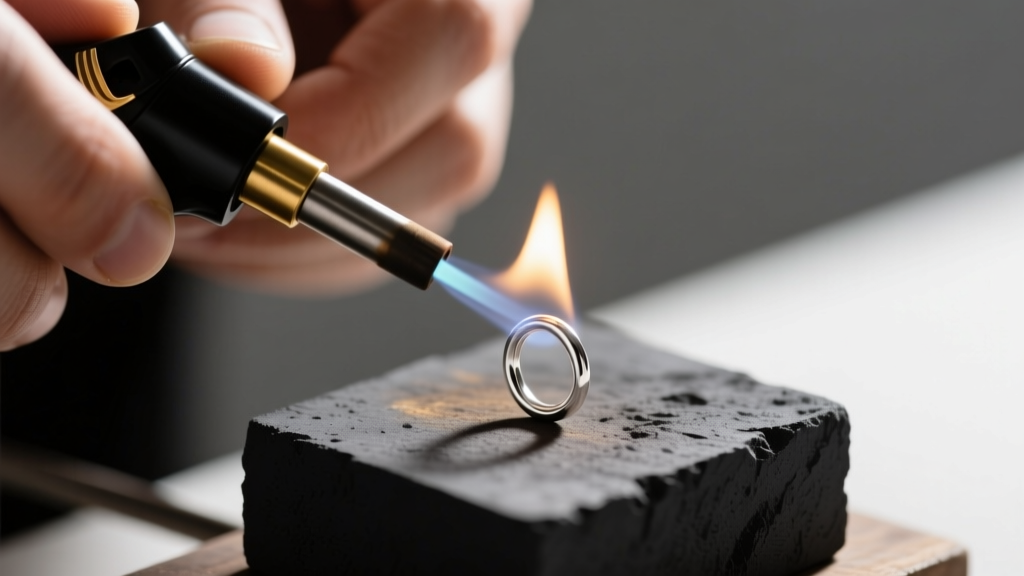
Stepping into the world of metalsmithing and DIY jewelry fabrication is thrilling, but few tools intimidate beginners quite like an open flame. Whether you are looking to solder a delicate sterling silver jump ring, fuse fine silver wire, or anneal work-hardened copper, selecting the right torch for jewelry making is the most critical investment you will make in your starter kit. While professional bench jewelers often rely on complex oxy-acetylene or oxygen-propane setups, these systems are expensive, require bulky gas tanks, and carry a steep learning curve. For the modern beginner, the high-powered butane micro-torch is the undisputed champion of the home studio.
In this comprehensive guide, we will break down exactly what to look for in a beginner-friendly torch, compare top models on the market, and provide actionable safety and soldering frameworks to get you heating metal with confidence.
Why a Butane Micro-Torch is the Ultimate Starter Tool
When researching a torch for jewelry making, you will likely encounter the Smith Little Torch (an oxy-acetylene system). While it is an industry standard, it requires purchasing heavy gas cylinders, managing flashback arrestors, and spending upwards of $350 before you even strike a spark. Butane micro-torches, conversely, offer a self-contained, highly portable, and remarkably safe alternative for small-scale jewelry tasks.
A high-quality butane torch can reach maximum temperatures of approximately 2,500°F (1,370°C). According to metallurgical data provided by Rio Grande, this temperature range is perfectly suited for melting and flowing Hard, Medium, and Easy silver solders, which melt between 1,325°F and 1,450°F. However, butane torches lack the sheer thermal mass required to solder large, heavy items like thick brass belt buckles or heavy copper cuffs, as the metal will dissipate the heat faster than the torch can deliver it. For chains, rings, ear wires, and small bezel settings, a butane torch is all you will ever need.
Key Features to Look For in a Beginner Torch
Not all butane torches are created equal. Hardware store blowtorches are too bulky and lack the precision required for jewelry. When shopping for a micro-torch, ensure it includes the following non-negotiable features:
- Piezo Electric Ignition: This allows you to ignite the torch with the push of a button. Avoid flint-wheel torches, as they require two hands to operate and can result in burned knuckles when lighting.
- Continuous Flame Lock: You do not want to hold down a trigger for the three minutes it takes to anneal a heavy gauge wire. A locking mechanism keeps the flame steady, reducing hand fatigue.
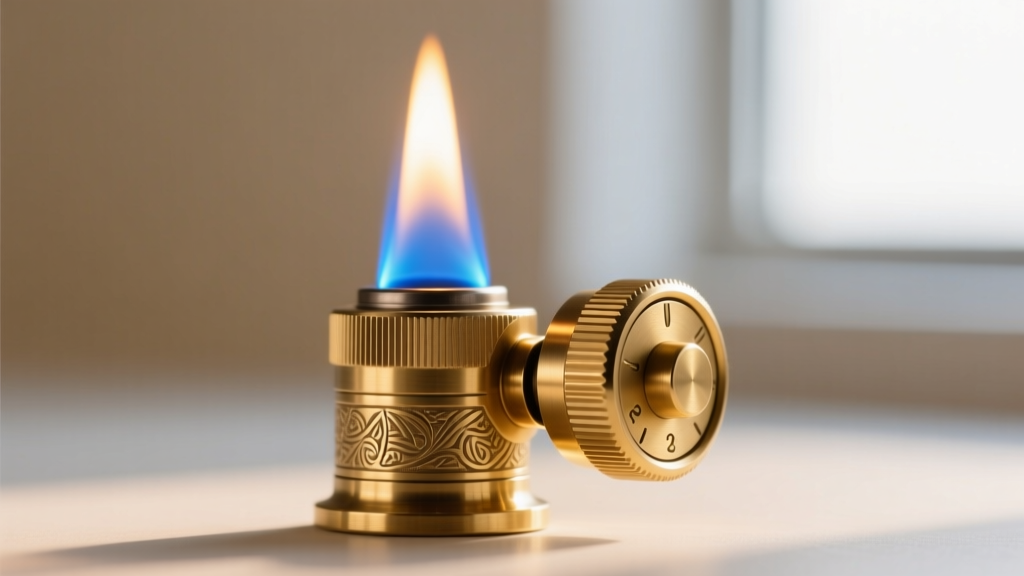
- Adjustable Flame Control: Precision is everything. You need a dial that lets you shrink the flame to a tiny, pinpoint dart for soldering a 2mm jump ring, or widen it to a soft, bushy flame for annealing.
- Viewing Window: Running out of fuel mid-solder can cause the joint to cool prematurely, ruining the solder flow. A translucent fuel window prevents this disaster.
Top Torch Models Compared
To help you make an informed decision, we have tested and compared three of the most popular butane torches used by entry-level jewelers and wire wrappers in 2026.
| Torch Model | Approx. Price | Max Temp | Fuel Capacity | Best For |
|---|---|---|---|---|
| Blazer Big Shot GB2001 | $55 - $65 | 2,500°F | 35 Grams | Heavy annealing, larger bezels |
| SE MT3001 Deluxe | $20 - $30 | 2,500°F | 11 Grams | Small jump rings, quick fusing |
| Master Appliance MT-76K | $45 - $55 | 2,400°F | 28 Grams | All-around beginner versatility |
The Blazer Big Shot is widely considered the gold standard for DIY jewelers. Its anti-flare technology allows you to use it at any angle without the flame sputtering, which is crucial when working on complex 3D wire sculptures.
The Secret to Torch Longevity: High-Purity Fuel
The number one reason beginner torches fail, sputter, or develop a weak yellow flame is the use of cheap, impure butane. Standard hardware store butane contains oils and contaminants that quickly clog the delicate catalytic mesh inside a micro-torch.
Always purchase 5x or 11x refined butane. Brands like Colibri, Zippo, or Newport offer highly refined fuel that burns clean and leaves zero residue. Furthermore, always purge your torch before refilling. Turn the torch upside down and use a small jeweler's screwdriver to press the fuel valve, releasing any trapped air and residual gas. Trapped air creates a vapor lock, preventing a full fill and causing the flame to die after just a few minutes of use.
Essential Safety Gear and Workspace Setup
Working with open flames and molten metals requires strict adherence to safety protocols. The Ganoksin Project, a premier educational resource for jewelers, emphasizes that proper workspace preparation is just as important as the tools themselves.
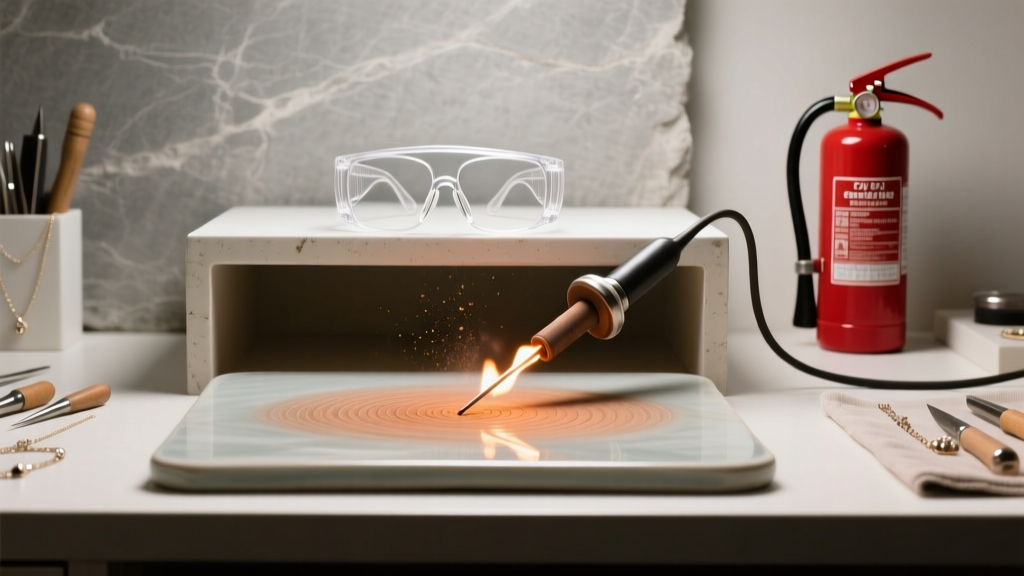
Your Mandatory Safety Checklist:
- Soldering Surface: Never solder directly on wood or plastic. Use a charcoal block (which reflects heat back into the metal), a Solderite pad (which absorbs heat and can be carved to hold pieces), or a ceramic fiber board.
- Ventilation: Soldering releases toxic fumes, especially when using flux containing fluorides. Work near an open window with a fan pulling air away from your face, or invest in a benchtop fume extractor.
- Eye Protection: Always wear ANSI-rated safety glasses. Flux can pop and splatter when it reaches its boiling point, and looking at a bright blue flame for extended periods can cause eye strain. Didymium glasses are highly recommended as they filter out the harsh sodium flare, allowing you to clearly see the solder flow.
- Fire Safety: Keep a small ABC-rated fire extinguisher within arm's reach and tie back long hair. Avoid wearing loose, synthetic clothing that can easily melt if a stray spark lands on it.
"A jeweler's bench is a sanctuary of creation, but it demands respect. Treat your torch with the same caution you would a loaded firearm, and it will serve you safely for a lifetime."
Step-by-Step: Annealing 14-Gauge Copper Wire
To get comfortable with your new torch for jewelry making, practice annealing. Annealing is the process of heating metal to relieve internal stresses caused by bending and hammering, returning it to a 'dead soft' state.
- Prepare the Metal: Take a 6-inch piece of 14-gauge bare copper wire and coil it into a loose spiral. Place it on your charcoal block.
- Dim the Lights: Turn off overhead lights or close the blinds. You need to see the subtle color changes in the metal.
- Ignite and Adjust: Light your torch and adjust the flame to a soft, bushy setting. A sharp, pinpoint flame will melt the wire before the heat can penetrate the core.
- Apply Heat: Keep the torch moving in wide circles around the coil. Never hold the flame still. You are looking for the copper to transition from its bright shiny state to a dull, hazy bronze, and finally to a dull cherry red in the dim light. This occurs at roughly 700°F to 900°F.
- Quench: The moment the entire coil glows a uniform dull cherry red, remove the flame. Wait 3 seconds, then use copper tongs to drop the wire into a bowl of room-temperature water. It will hiss and emerge perfectly soft and ready for wire wrapping.
Troubleshooting Common Torch Issues
Even the best equipment acts up occasionally. Here is how to diagnose common problems:
- Yellow, Sooty Flame: This indicates incomplete combustion. Your air intake vents are likely clogged with dust, or you are using low-grade butane. Clean the vents with compressed air and purge the fuel.
- Flame Sputtering or Popping: This is almost always caused by a low fuel level or a cold torch. Butane does not vaporize well in cold environments. If your studio is chilly, keep the torch in your pocket for ten minutes to warm the fuel reservoir before lighting.
- Torch Won't Ignite: If you hear the click of the piezo igniter but see no spark, the internal wire may have shifted. Carefully open the housing and bend the spark wire slightly closer to the metal nozzle.
Mastering a torch for jewelry making opens up a universe of creative possibilities, from fabricating custom ear cuffs to repairing broken heirloom chains. By investing in a reliable butane micro-torch, using high-purity fuel, and strictly following safety protocols, you will build a solid foundation for your metalsmithing journey.


