Choosing the Best Wire for Jewelry Making: A Buyer's Guide
Discover how to choose the perfect wire for jewelry making. Compare gauges, tempers, and metals to elevate your wire wrapping and beading projects.

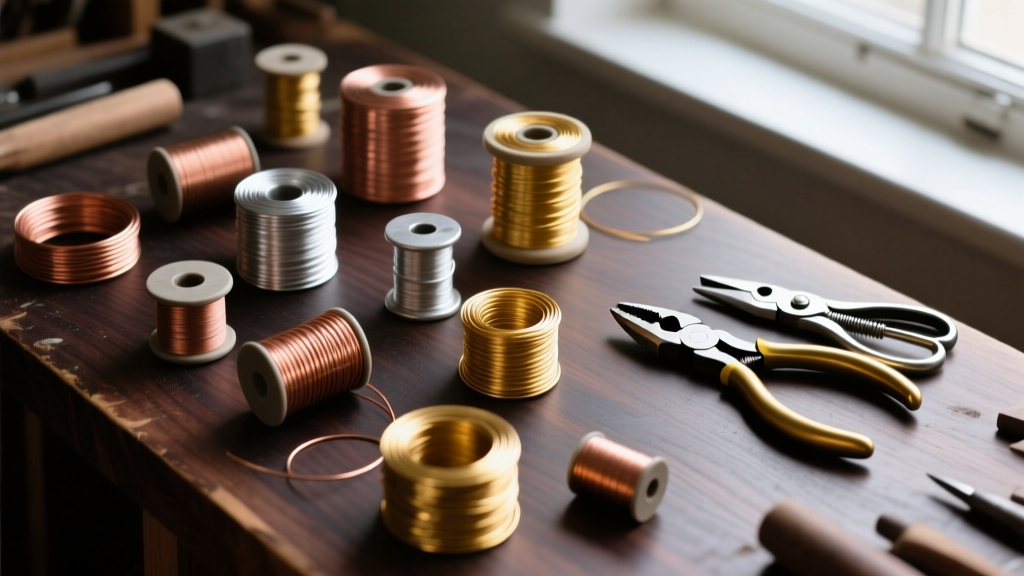
Whether you are weaving intricate micro-macramé cages or forging heavy structural bangles, selecting the correct wire for jewelry making is the single most critical decision in your design process. In 2026, the market is flooded with new alloy blends, eco-friendly recycled metals, and specialized tempers. However, this abundance often leads to decision paralysis and costly sourcing mistakes for both beginners and seasoned artisans.
This comprehensive buyer's guide cuts through the marketing jargon. We will break down the metallurgical realities of wire tempers, decode the gauge systems, and highlight the exact materials you should be investing in to ensure your jewelry is both beautiful and structurally sound.
Decoding Wire Temper: The Secret to Structural Integrity
Temper refers to the hardness and malleability of the metal, dictated by how it has been annealed (heated and cooled) or work-hardened at the mill. Choosing the wrong temper is the primary reason wire wrapping projects fail, snap, or lose their shape over time.
- Dead Soft: This wire has been fully annealed, making it incredibly pliable. It is the undisputed champion for wire weaving, tight coiling, and sculpting around cabochons. Failure Mode: It lacks memory. If used for ear wires or clasps, it will bend out of shape immediately upon wear. It also work-hardens rapidly; bending it back and forth will cause brittle fracture.
- Half-Hard: The ultimate workhorse. It offers a balance of malleability and structural memory. It is the mandatory choice for making ear wires, jump rings, and simple wire-wrapped loops. It holds its shape well but can still be manipulated with nylon-jaw pliers.
- Full-Hard & Spring-Hard: These tempers are heavily work-hardened and stiff. They are used for structural frameworks, heavy clasps, and pin stems. Pro Tip: Full-hard wire will snap if bent at a sharp 90-degree angle. Always use a mandrel to create smooth, sweeping curves.
Expert Insight: You can alter temper at your bench. Dead soft wire becomes half-hard through work-hardening (hammering, tumbling, or bending). Conversely, you can return work-hardened wire to a dead soft state by annealing it with a butane torch until it glows a dull cherry red, then quenching it in water (for silver and copper) or air-cooling (for specific brass alloys).
Wire Gauge Chart: Matching Thickness to Technique
When sourcing wire for jewelry making, you will encounter the American Wire Gauge (AWG) system. Remember the golden rule: the higher the gauge number, the thinner the wire. Below is a definitive framework for matching AWG to specific jewelry techniques.
| AWG Size | Metric (mm) | Primary Applications | Recommended Temper |
|---|---|---|---|
| 28 - 30 Gauge | 0.32 - 0.25mm | Micro-weaving, coiling around thicker core wires, knitting | Dead Soft |
| 24 - 26 Gauge | 0.51 - 0.40mm | Standard wire wrapping, bead stringing, securing cabochons | Dead Soft / Half-Hard |
| 20 - 22 Gauge | 0.81 - 0.64mm | Ear wires, headpins, jump rings, structural wrapping frames | Half-Hard |
| 16 - 18 Gauge | 1.29 - 1.02mm | Heavy clasps, bangle bracelets, thick ring bands | Half-Hard / Full-Hard |
| 12 - 14 Gauge | 2.05 - 1.63mm | Neck collars, heavy forged cuffs, structural armatures | Full-Hard |
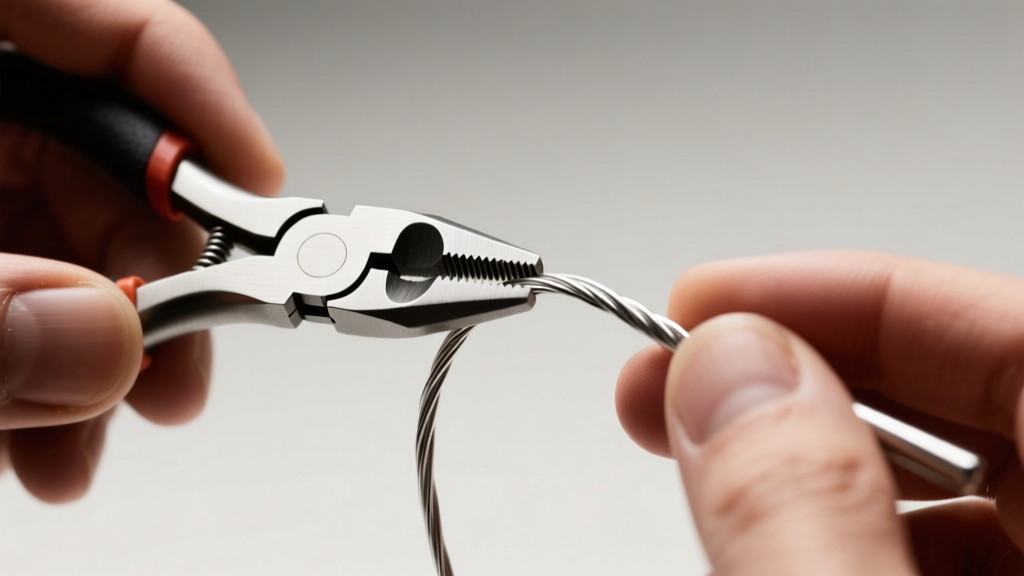
The AWG vs. SWG Sourcing Trap
A common and frustrating mistake occurs when international artisans order wire based on millimeter equivalents without checking the gauge standard. The British Standard Wire Gauge (SWG) differs slightly from AWG. For example, a 20-gauge SWG wire is 0.91mm, while a 20-gauge AWG wire is 0.81mm. Always verify the exact millimeter diameter with your supplier, as detailed by the technical resources at Rio Grande, to ensure your wire fits your specific bead holes and jig pegs.
Premium Materials: Where to Invest Your Budget
While copper and brass are excellent for prototyping, producing retail-ready jewelry requires materials that resist tarnish, prevent skin irritation, and offer lasting value.
Argentium Silver vs. Traditional Sterling
Traditional Sterling Silver (.925) contains 7.5% copper, which reacts with sulfur and moisture to create tarnish and firescale during soldering. Argentium Silver replaces some of that copper with the metalloid germanium. The result? A wire that is highly tarnish-resistant, hypoallergenic, and can be fused to itself without solder. For wire wrappers who despise polishing intricate weaves, Argentium is a non-negotiable upgrade.
Gold-Filled: The 1/20 Standard
Do not confuse gold-filled wire with gold-plated wire. According to industry standards monitored by the FTC and outlined by suppliers like Halstead Bead, gold-filled wire must contain a minimum of 5% (1/20) gold by weight. This thick layer of 14k or 12k gold is mechanically bonded to a brass core under extreme heat and pressure.
Warning: When cutting or filing gold-filled wire, you expose the brass core. You must seal these cut ends with a clear jewelry sealant or use specialized end-caps to prevent the core from oxidizing and turning the wearer's skin green.
Niobium and Titanium: The Hypoallergenic Heroes
For clients with severe metal sensitivities, Niobium and Titanium are essential. Niobium wire is incredibly soft (similar to dead soft silver) and can be anodized using a simple DC power supply and saltwater bath to create vibrant, permanent colors without dyes or enamels. Titanium is much stiffer and requires specialized heavy-duty cutters, but it offers an unparalleled strength-to-weight ratio for structural, lightweight frameworks.
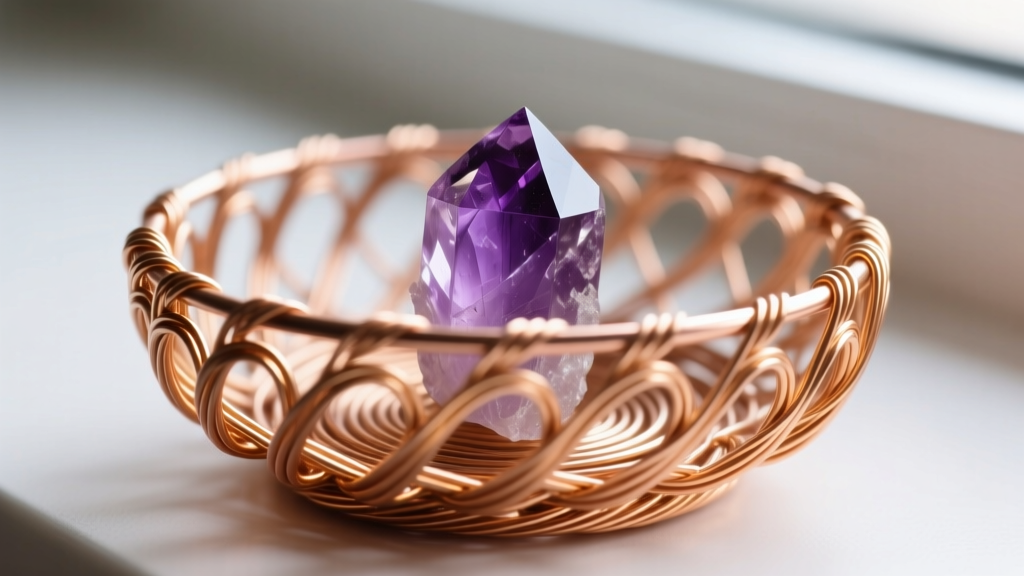
Critical Sourcing Mistakes to Avoid in 2026
- Buying 'Craft Store' Colored Wire for Structural Work: Those spools of brightly colored wire at big-box craft stores are typically copper coated with a thin layer of enamel or nylon. While fine for simple bead stringing, the coating will chip, flake, and crack the moment you attempt tight wire wrapping or use metal pliers on them. Always buy bare metal and apply patinas or anodizing for color.
- Ignoring Galvanic Corrosion: When designing multi-metal pieces, be aware of the galvanic series. If you wrap a sterling silver frame with aluminum wire and the piece is exposed to sweat (an electrolyte), the aluminum will rapidly corrode and disintegrate. Stick to metals that are close together on the galvanic scale, or isolate them with non-conductive sealants.
- Overbuying Full-Hard Wire: Beginners often buy full-hard wire thinking 'stronger is better.' In reality, full-hard wire is notoriously difficult to manipulate, ruins the teeth on cheaper pliers, and will snap if you make a mistake and try to unbend it. Stick to half-hard for 90% of your projects.
Final Checklist for Your Wire Haul
Before you check out with your favorite online metals supplier, run through this quick audit:
- Have I specified AWG or exact millimeters for my jump rings and ear wires?
- Is my weaving wire dead soft, and my structural wire half-hard?
- If buying gold-filled, is it stamped 14/20 or 12/10, and do I have a plan for sealing the cut ends?
- Am I storing my silver wire in anti-tarnish zip bags with silica gel packets to prevent premature oxidation before it even hits my bench?
Mastering the nuances of wire for jewelry making transforms your work from amateur craft to professional art. By respecting the metallurgy of tempers, understanding gauge tolerances, and investing in high-quality alloys, you ensure that every piece you create is built to be worn, loved, and passed down.


