Best Budget Jewelry Kit Guide: 2026 Value & Cost Breakdown
We break down the true cost and value of a budget jewelry kit in 2026, comparing tool steel grades, wire quality, and hidden expenses.

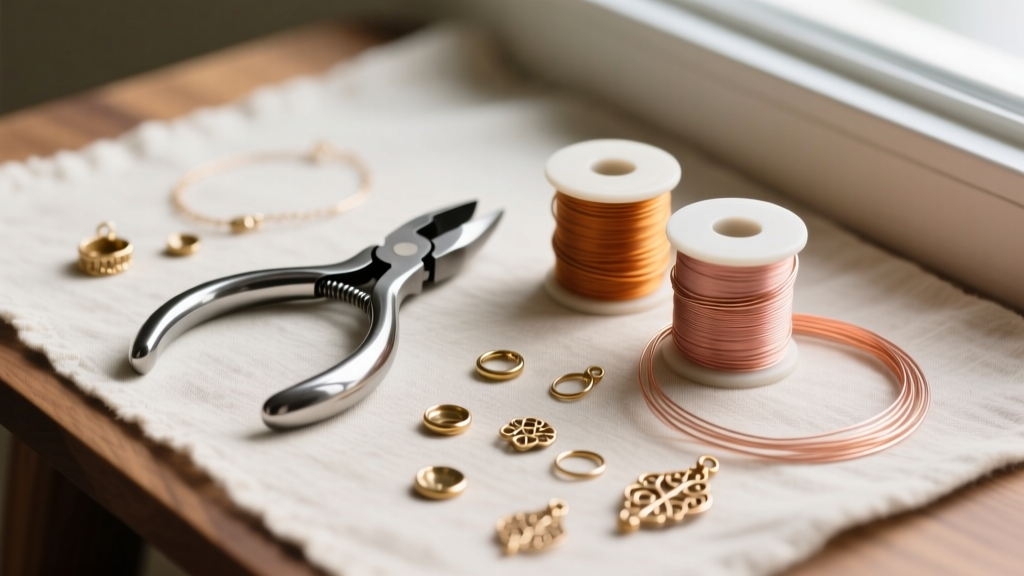
The 2026 Landscape: The Illusion of the All-in-One Jewelry Kit
If you have browsed online marketplaces recently, you have likely encountered the ubiquitous $30 to $50 'jewelry kit'. These brightly colored nylon-zipper cases promise everything a beginner needs to start wire wrapping, beading, and chainmaille weaving. However, as we navigate the 2026 crafting economy, rising raw material costs for copper and tool-grade steel have severely compromised the actual value inside these budget bundles. What looks like a comprehensive starter set is often a masterclass in planned obsolescence.
As a domain expert in jewelry fabrication and tool assessment, I have dismantled dozens of these budget kits to evaluate their true cost-per-use. The reality is that a budget jewelry kit can serve as a temporary stepping stone, but only if you understand exactly where the manufacturer cut corners. In this comprehensive value assessment, we will dissect the metallurgy, mechanical failure points, and hidden costs of budget kits, providing you with a definitive framework to decide whether to buy a pre-packaged set or curate your own professional-grade starter bench.
Anatomy of a Budget Kit: Where the Value Leaks
To assess the value of a standard $40 jewelry kit, we must look past the sheer volume of items and examine the material grades. Most budget kits contain between 80 and 120 individual pieces, but quantity is a poor substitute for metallurgical integrity.
The 'Craft Wire' Deception
The most significant value leak in any budget jewelry kit is the included wire. Kits in the sub-$50 range rarely include solid copper, brass, or sterling silver. Instead, they supply 'craft wire', which is typically an aluminum core with a thin, anodized copper or gold-colored coating. While this is fine for simple children's crafts, it is disastrous for wire wrapping. When you work-harden anodized aluminum by bending it, the brittle color coating micro-fractures and flakes off, leaving you with a dull, silver-colored finish on your final piece. Furthermore, budget kits frequently mislabel wire tempers. According to Beadalon's wire hardness guide, true half-hard wire requires precise annealing and drawing processes. Budget kit wire is almost exclusively dead-soft aluminum, making it impossible to create structural ear wires or clasps that won't bend out of shape during normal wear.
The Findings Trap
Findings—clasps, jump rings, and ear wires—included in budget kits are typically stamped from low-grade base metal alloys containing high levels of nickel and zinc. In 2026, with increased awareness of contact dermatitis and metal allergies, using these base-metal findings on paying customers or even friends is a liability. The gold plating on these components is usually a micro-thin flash plating that will oxidize and turn the wearer's skin green within a week of contact with natural skin oils.
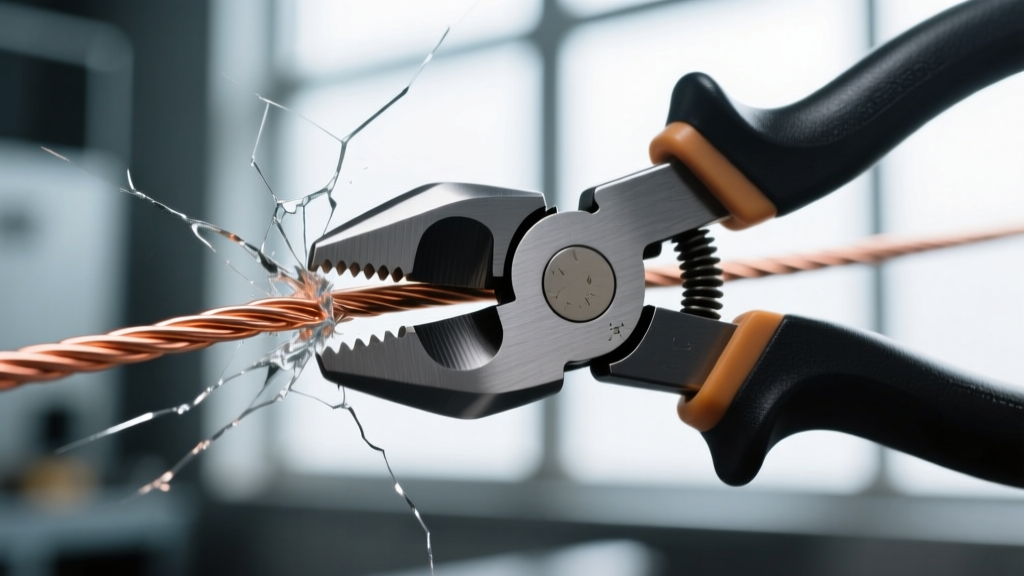
Tool Failure Modes: The Hidden Cost of Cheap Steel
The pliers and cutters are the heart of your jewelry kit. Budget tools are forged from low-carbon steel, often rated below 45 HRC (Rockwell Hardness Scale). By contrast, professional tools from brands like Swanstrom or Lindstrom utilize high-carbon or tungsten-vanadium steel, heat-treated to 60+ HRC. This disparity leads to three specific, inevitable failure modes:
- The Serrated Jaw Scars: Budget chain-nose and round-nose pliers almost always feature serrated teeth for 'better grip'. In wire wrapping, these teeth will aggressively gouge, scratch, and mar soft metals like copper and fine silver. You will spend more time trying to sand out tool marks than actually making jewelry.
- Lap Joint Wobble: The pivot point of budget pliers utilizes a simple lap joint (two flat pieces of metal overlapping with a rivet). Within 50 hours of use, the rivet stretches, creating lateral wobble. When your pliers wobble, your flush cutters will no longer align perfectly, crushing the wire instead of shearing it.
- The Flush Cutter Pinch Point: A true flush cutter has one flat blade and one beveled blade, leaving a perfectly flat cut on the wire. Budget kits include double-beveled cutters that leave a sharp, V-shaped 'pinch point' or 'tail' on your wire. This requires secondary filing for every single cut, adding hours of tedious labor to your workflow.
For a deeper dive into professional tool specifications and steel grades, Rio Grande's tool catalog remains the gold standard for understanding what you should actually be paying for.
Value Comparison: Budget Kit vs. Curated Bench
Is it ever financially sound to buy a pre-packaged kit? Let's compare the 2026 market realities of a budget kit against a carefully curated mid-tier setup.
| Metric | $40 Budget Amazon Kit | $95 Curated Mid-Tier Setup |
|---|---|---|
| Plier Material | Low-Carbon Steel (Drop-forged) | Stainless Steel / High-Carbon |
| Joint Type | Lap Joint (Prone to wobble) | Box Joint / Precision Lap |
| Cutter Bevel | Double-Bevel (Leaves pinch point) | Single-Bevel (True flush cut) |
| Wire Included | Aluminum craft wire (Coated) | Solid dead-soft copper & brass |
| Findings Quality | Base metal, nickel-heavy | Hypoallergenic brass / sterling |
| Est. Lifespan | 3-6 Months of regular use | 5+ Years with basic oiling |
| Cost Per Use | High (Requires frequent replacement) | Low (Amortized over years) |
While the upfront cost of the curated setup is more than double, the cost-per-use plummets. A budget kit's flush cutters will likely chip or misalign within three months of cutting 18-gauge or 16-gauge wire, forcing you to buy replacements. The curated setup pays for itself by eliminating the frustration of ruined wire and subpar cuts.
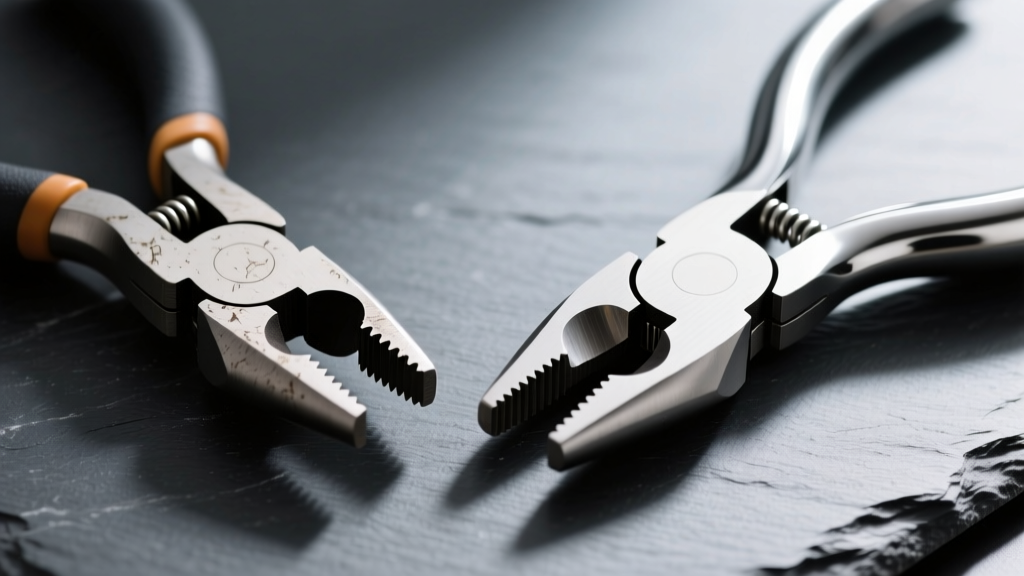
The Curation Strategy: Building a True Starter Bench
If you are committed to the craft and want genuine value, skip the zippered nylon bag. Instead, allocate your $50 to $80 budget toward sourcing bare, high-quality tools and raw materials from dedicated jewelry suppliers. Here is the exact decision framework for building a curated starter bench in 2026:
1. The Essential Trio (Allocate $60)
You only need three pliers to execute 90% of beginner wire wrapping and chainmaille projects. Purchase these individually from reputable brands like Wubbers, Beadalon, or Grobet.
- Chain-Nose Pliers (Smooth Jaw): Look for polished, smooth jaws to prevent marring. A box-joint design is highly recommended for precision looping.
- Round-Nose Pliers: Essential for creating consistent loops. Look for a stepped barrel if possible, which allows you to replicate exact loop diameters for ear wires.
- Flush Cutters: Invest heavily here. A premium micro-shear flush cutter with a replaceable spring and a single flat blade will transform your finishing process.
2. Sourcing Honest Metals (Allocate $25)
Bypass the craft aisle and buy solid metals. Purchase a 4-ounce spool of 20-gauge dead-soft solid copper wire for practicing weaves and wrapping. Copper work-hardens beautifully, mimicking the behavior of sterling silver without the prohibitive cost. Pair this with a 2-ounce spool of 24-gauge dead-soft copper for binding and weaving.
3. The Findings Upgrade (Allocate $15)
Buy a small, curated pack of hypoallergenic niobium or solid brass ear wires, and heavy-duty solid brass jump rings. Your finished pieces will instantly look professional, and you eliminate the risk of customer skin reactions.
The 'Trojan Horse' Upgrade Path
There is one specific scenario where buying a budget jewelry kit makes financial sense: the 'Trojan Horse' strategy. If you are entirely uncertain whether you will stick with jewelry making beyond a weekend hobby, purchase a $25 budget kit strictly for the accessories and storage. Use the included mandrels, bead mats, nylon jaw pads, and storage containers. Then, immediately throw the included pliers and cutters into a drawer for heavy-duty household chores, and purchase the three premium tools listed above. This allows you to test the waters with a low barrier to entry while completely bypassing the mechanical frustration of cheap steel on your actual workbench.
Pro-Tip: Never use your jewelry flush cutters on steel memory wire or tiger-tail beading cable. Even premium 62 HRC tungsten steel blades will instantly chip if used on hardened steel cables. Always dedicate a separate, cheap pair of hardware store nippers exclusively for cutting beading wire.
Final Verdict: Assessing the ROI
In the 2026 market, a pre-packaged budget jewelry kit offers high visual value but exceptionally low functional value for anyone serious about the craft. The metallurgical compromises in the wire and the mechanical flaws in the lap-joint pliers will actively hinder your skill progression. By shifting your mindset from 'buying a kit' to 'curating a bench', you invest in tools that respect your time and materials. Ditch the anodized aluminum, demand smooth jaws, and insist on a true flush cut. Your wire wrapping will immediately elevate from amateur craft to professional jewelry design.


