Jewelry Making with Seed Beads: 2026 Buyer's Guide
Master jewelry making with seed beads. Our 2026 buying guide covers Miyuki vs. Toho sizes, thread weights, needle types, and essential tools for beadweaving.

The Anatomy of Seed Beads: Decoding the "Aught" System
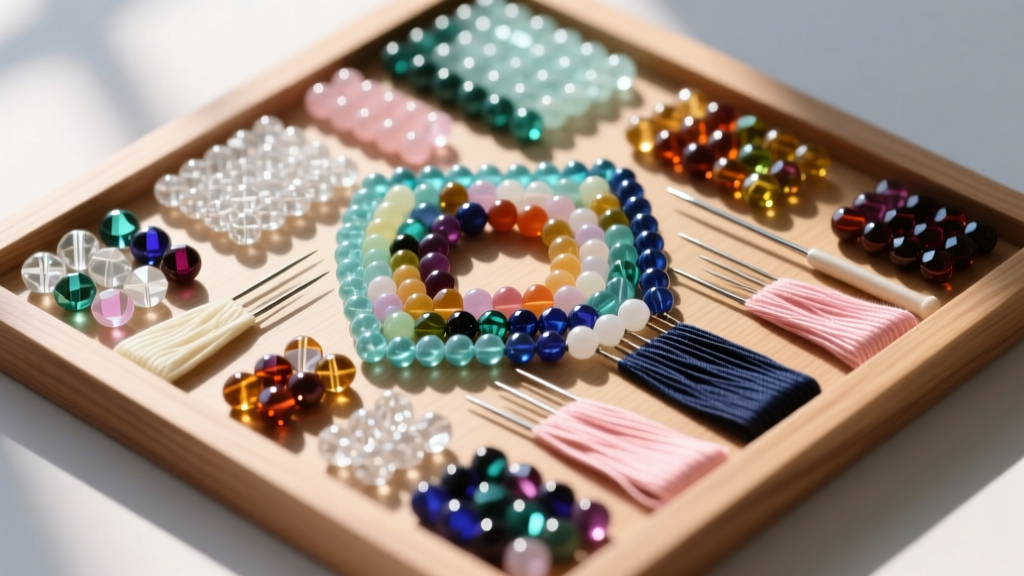
When embarking on jewelry making with seed beads, the first hurdle for any beginner is understanding the sizing system. Unlike gemstones measured in millimeters, seed beads utilize the traditional "aught" system (e.g., 11/0, 15/0). The number indicates roughly how many beads fit into a standard linear inch. Therefore, the larger the number, the smaller the bead. According to the Fire Mountain Gems Encyclopedia, mastering these dimensions is critical for pattern accuracy.
- 15/0 (1.3mm): The smallest commonly available Japanese seed bead. Ideal for intricate bead embroidery, micro-peyote stitch, and adding high-definition shading to loom work.
- 11/0 (2.1mm): The undisputed workhorse of beadweaving. Used in 80% of all seed bead patterns, from right-angle weave to tubular herringbone.
- 8/0 (3.1mm) & 6/0 (4.0mm): Often referred to as "E-beads" or pony beads. These are excellent for bold, chunky fringe, quick stringing projects, and beginner-friendly brick stitch.
While Czech seed beads (like Charlotte cuts) offer beautiful, organic variations and incredible light refraction, Japanese seed beads are engineered for uniformity. For structural beadweaving where tension and alignment are paramount, Japanese precision is non-negotiable.
Miyuki vs. Toho: Choosing Your Primary Brand
The Japanese seed bead market is dominated by two titans: Miyuki and Toho. While both manufacture exceptional glass beads, their physical geometries differ in ways that profoundly impact your finished jewelry.
Cylindrical Beads: Delicas vs. Treasures
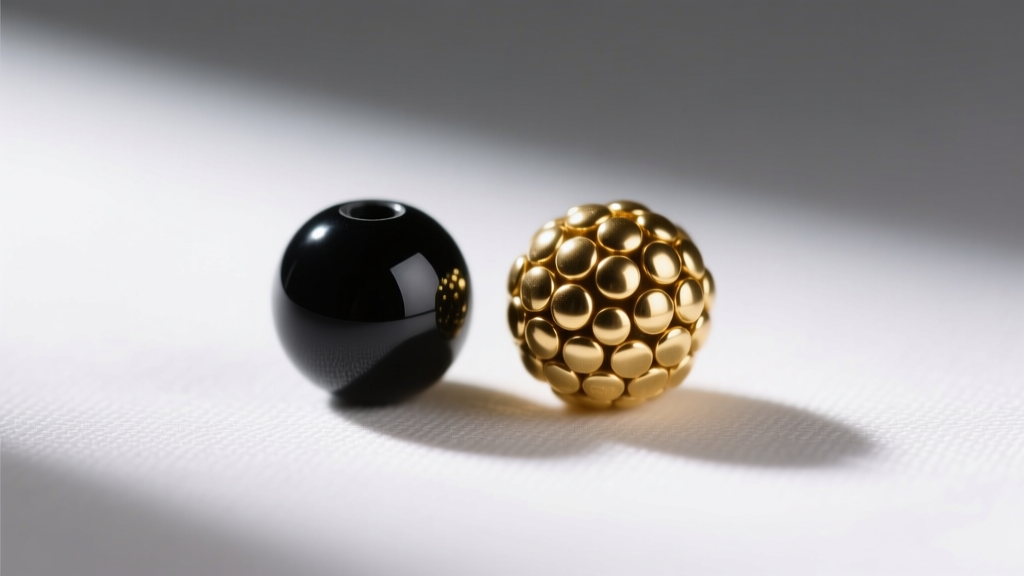
Miyuki Delicas and Toho Treasures are both cylinder beads designed to snap together like tiny glass bricks, creating a seamless, fabric-like drape. However, Miyuki Delicas (1.6mm x 1.5mm) have a slightly smaller hole (0.8mm) compared to Toho Treasures, which boast a marginally larger hole. If your pattern requires passing through the same bead four or five times (common in complex geometric right-angle weave), Toho Treasures will save you from needle-breaking frustration.
Round Seed Beads: The Torus Shape
When buying traditional round seed beads, Toho rounds are slightly more "donut-shaped" (torus) with a larger, more forgiving hole. Miyuki rounds are slightly more uniform in their spherical shape. For loom beading, Miyuki rounds provide a flatter, more even edge, while Toho rounds are superior for multi-pass bead embroidery.
The Critical Matrix: Threads and Needles
The most common point of failure in seed bead jewelry is not the glass—it is the thread snapping under tension or fraying against sharp bead edges. In 2026, the market has settled on three primary thread categories for beadweaving, each requiring a specific needle pairing.
| Thread Brand & Type | Material Composition | Best Application | Recommended Needle |
|---|---|---|---|
| Fireline (6lb / 8lb) | Gel-spun polyethylene | Fringe, loom work, crisp tension | John James Size 10 or 12 |
| Wildfire (.006 / .008) | Thermally bonded polyethylene | Right-angle weave, bead embroidery | John James Size 10 or 12 |
| Nymo (Size B or D) | Nylon (requires beeswax) | Peyote stitch, soft draping fringe | John James Size 12 or 13 |
Pro-Tip on Needles: Beading needles use an inverse sizing scale compared to sewing needles. A Size 10 needle is thicker than a Size 12, and a Size 13 is incredibly fine. As highlighted in Beadaholique's beading masterclasses, always keep a pack of Size 13 "sharps" on hand. When your Size 10 needle bends after multiple passes through a crystal or glass bead, a Size 13 will often slip through the same hole with minimal resistance.
Specialized Tools for Precision Beadweaving
You do not need heavy-duty jewelry pliers for seed bead work, but you do require specialized micro-tools. Standard wire cutters will crush braided threads like Fireline, leaving frayed ends that are impossible to thread through a needle eye.
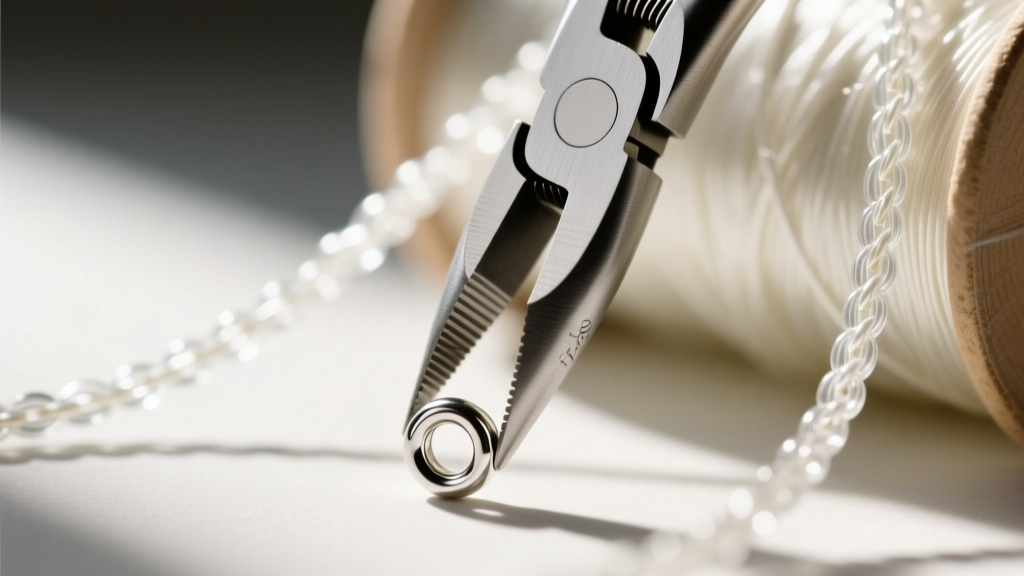
- Micro-Shears: Invest in the Xuron 9180 Thread Snips. These feature a flush-cut blade that slices through gel-spun threads cleanly without crushing the fibers, leaving a perfectly tapered end for easy needle threading.
- Bead Mats: A high-density, non-slip mat (like the Wonder Mat) is essential. It prevents beads from rolling off your workspace and provides a slightly cushioned surface that protects delicate glass finishes from chipping when dropped.
- Bead Scoops & Spin-N-Stor: For projects requiring thousands of 15/0 seed beads, picking them up one by one with a needle is inefficient. A specialized plastic bead scoop allows you to gather and pour beads back into their hanks without spilling.
- Thread Conditioner: If you choose to work with traditional nylon threads like Nymo or Silamide, a tin of pure beeswax or a synthetic alternative like Thread Heaven is mandatory to prevent tangling and reduce static cling.
Sourcing Authentic Seed Beads in 2026
As the DIY jewelry market has expanded, so has the proliferation of counterfeit or low-grade seed beads on massive e-commerce platforms. "Factory seconds" or mislabeled Chinese glass beads often feature jagged holes that will slice through your Fireline thread mid-project. To ensure structural integrity and colorfastness, always source from authorized distributors.
Dedicated suppliers like Art Beads, Fire Mountain Gems, and local brick-and-mortar bead shops guarantee authentic Miyuki and Toho products. Furthermore, buying from specialized retailers ensures you have access to the latest 2026 color releases, such as advanced metallic Picasso coatings and UV-resistant galvanized finishes that will not tarnish against the skin over time.
Final Thoughts on Building Your Seed Bead Stash
Jewelry making with seed beads is an exercise in patience, precision, and material science. By investing in uniform Japanese beads, pairing the correct tensile thread with the appropriate needle size, and utilizing flush-cut micro-shears, you elevate your beadwork from a fragile craft project to heirloom-quality micro-jewelry. Start with a foundational palette of 11/0 Miyuki Delicas in matte and metallic finishes, master the peyote stitch, and let the geometry of the glass guide your designs.


