Care Guide: Cleaning Jewelry Pendants for Jewelry Making
Learn expert care, maintenance, and cleaning tips for jewelry pendants for jewelry making. Discover material-specific protocols and sealing methods.

The Hidden Risks in Raw and Finished Pendants
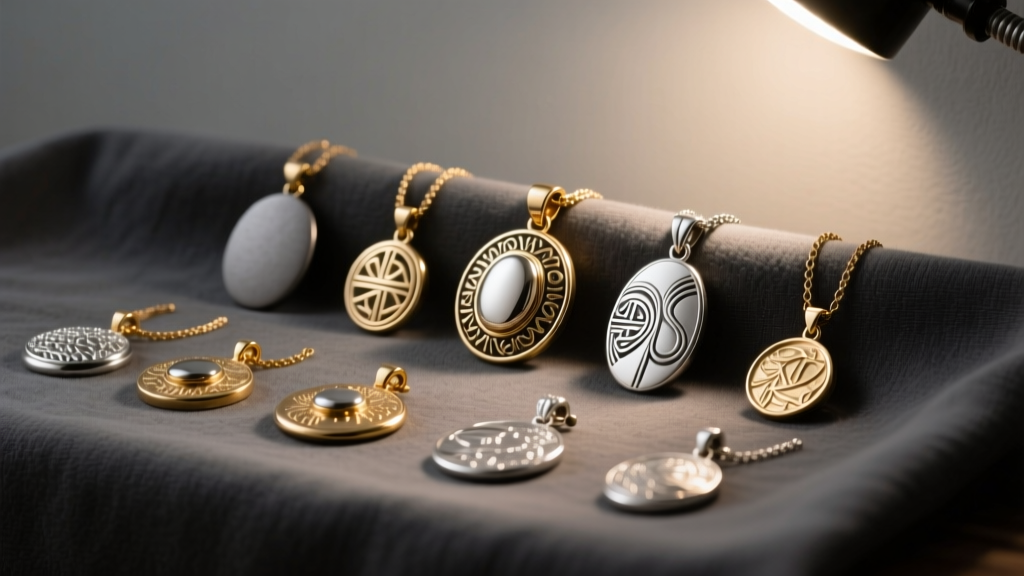
When you first source jewelry pendants for jewelry making, they often arrive with hidden manufacturing residues. Machining oils, polishing compounds, and microscopic metal dust can cling to the crevices of cast or stamped pieces. If you wire-wrap or assemble these pendants without a proper initial degreasing, those trapped oils will accelerate oxidation and cause skin irritation for the end wearer. As we navigate the jewelry landscape in 2026, the rise of recycled brass and ethically sourced porous stones means that a one-size-fits-all cleaning approach is no longer viable. Understanding the metallurgical and gemological properties of your components is the first step in professional-grade maintenance.
Material-Specific Cleaning Protocols
Choosing the right cleaning method for your jewelry pendants for jewelry making requires understanding the specific alloy or stone composition. What works for a durable stainless steel blank will instantly ruin a natural turquoise cabochon.
Sterling Silver & Argentium Silver
Standard 925 sterling silver contains 7.5% copper, which is the culprit behind black tarnish (silver sulfide). Argentium 935 silver, however, replaces some copper with germanium, forming a transparent, self-healing oxide layer that resists tarnish. Never use harsh chemical silver dips on Argentium, as they can strip the germanium layer and cause irreversible clouding. For both alloys, a mild wash in warm water with a few drops of phosphate-free dish soap, followed by a gentle polish with a treated Sunshine cloth, is the safest daily maintenance routine.
Raw Brass, Copper, and Bronze
Base metals are notorious for rapid oxidation, especially when exposed to the pH of human skin. For heavy tarnish on raw brass or copper pendants, a paste made from equal parts lemon juice and baking soda provides a mild citric acid bath. For more stubborn oxidation, commercial polishes containing oxalic acid (like Bar Keepers Friend) work exceptionally well, but they must be thoroughly rinsed and neutralized with a baking soda/water bath to prevent delayed chemical burns on the skin.
Porous Gemstones (Turquoise, Opal, Pearl)
According to the Gemological Institute of America (GIA), porous stones act like sponges. Turquoise (Mohs 5-6) is often stabilized with epoxy, but harsh chemicals can still penetrate micro-fractures and alter the stone's color. Opals contain up to 20% water; exposing them to ultrasonic heat or harsh detergents can cause crazing (internal cracking). Always clean porous stone pendants with a barely damp, lint-free microfiber cloth and absolutely no chemical agents.
The Ultrasonic Cleaner Debate: What to Toss and What to Save
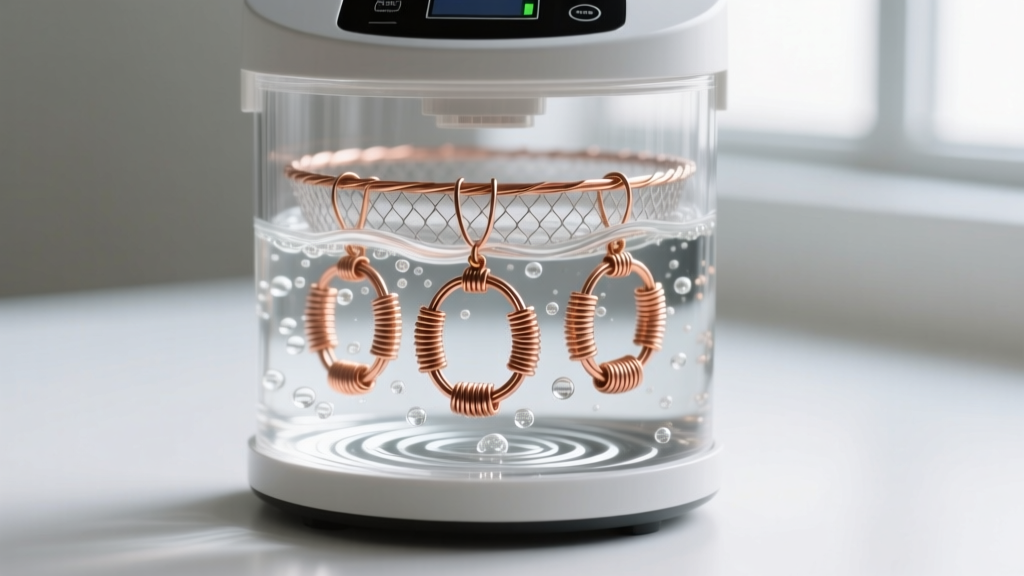
Ultrasonic cleaners use high-frequency sound waves (typically 40kHz to 80kHz) to create microscopic cavitation bubbles that blast dirt out of tight crevices. While they are a staple for cleaning jewelry pendants for jewelry making, they are highly destructive to certain materials. Below is a quick-reference framework for ultrasonic safety.
| Material | Ultrasonic Safe? | Recommended Frequency | Primary Failure Mode |
|---|---|---|---|
| Plain Sterling Silver | Yes | 40kHz | None (use mild soap solution) |
| Raw Brass / Bronze | Yes | 40kHz | None (excellent for degreasing) |
| Turquoise / Opal | No | N/A | Shattering, crazing, color leaching |
| Pearls / Coral | No | N/A | Dissolution of nacre, epoxy failure |
| Wire-Wrapped Pendants | Caution | 80kHz (Gentle) | Work-hardened wire may snap at bends |
Step-by-Step Restoration for Tarnished DIY Pendants
If you are selling or gifting finished pieces, you may need to restore pendants that have been sitting in inventory. The Fire Mountain Gems finishing guide emphasizes a progressive approach to restoration, starting with the least abrasive method.
- Step 1: Degrease. Soak the metal pendant (without stones) in a warm bath of distilled water and a few drops of ammonia-free dish soap for 10 minutes. Scrub gently with a soft-bristle baby toothbrush.
- Step 2: Chemical Tarnish Removal. For heavy black sulfide tarnish on silver, use an electrolytic reaction. Line a glass bowl with aluminum foil (shiny side up), add boiling water, a tablespoon of baking soda, and a tablespoon of salt. Drop the silver pendant in for 60 seconds. The sulfur transfers from the silver to the aluminum.
- Step 3: Mechanical Polishing. Use a jeweler's rouge cloth or a mild abrasive paste like Simichrome on a felt bob attached to a rotary tool running at a low RPM (under 5,000) to bring back a mirror finish without removing excessive metal.
Sealing and Preventative Maintenance
To protect base metal jewelry pendants for jewelry making from rapid oxidation, applying a micro-thin barrier coating is essential. Two industry standards dominate the DIY space:
Renaissance Wax: A microcrystalline wax developed by the British Museum. It is ideal for pendants with complex textures or wire-wrapping where liquid sealers might pool. Apply a pea-sized amount with a soft cloth, let it haze for 5 minutes, and buff vigorously. It requires reapplication every few months.
ProtectaClear: A polyurethane-based clear coat designed specifically for jewelry. It cures to a tough, skin-safe barrier that prevents copper and brass from turning the wearer's skin green. It is best applied by dipping the pendant and hanging it to dry in a dust-free environment. Two coats provide up to two years of wear protection.
Troubleshooting Common Pendant Disasters
Even experienced makers encounter finishing failures. Here is how to troubleshoot the most common issues:
Liver of Sulfur (LOS) Over-Blackening
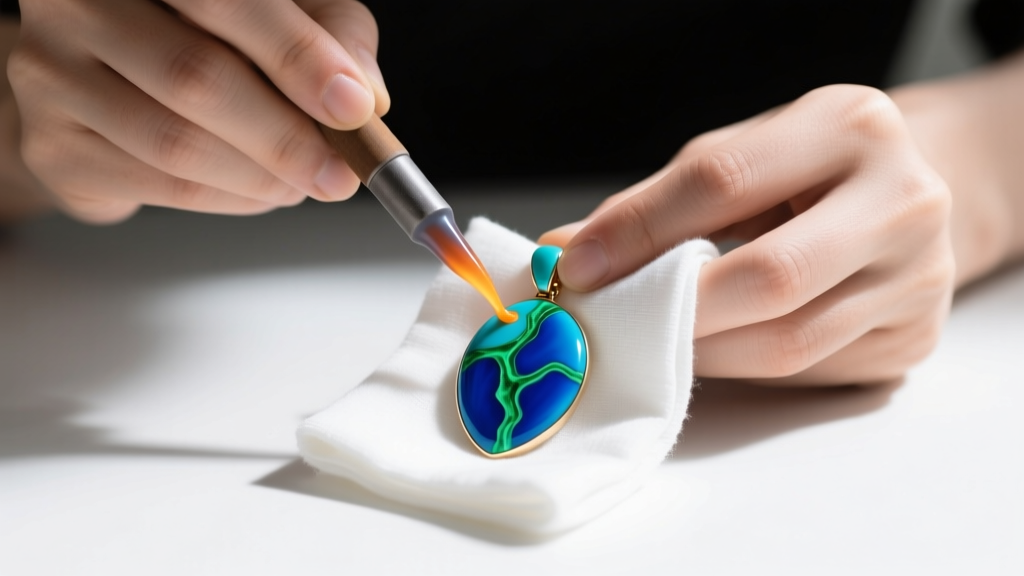
If you applied a Liver of Sulfur patina to highlight the texture of a brass pendant but it turned completely pitch black and muddy, do not panic. You can strip the patina instantly by submerging the piece in a warm bath of water and baking soda, then gently scrubbing with a brass wire brush or 0000-grade super-fine steel wool to bring the high points back to a bright shine.
Epoxy Clouding in Bezels
If you used UV resin or two-part epoxy to seal a paper or image inside a pendant bezel and it cured cloudy, the issue is usually moisture or improper mixing ratios. Unfortunately, fully cured cloudy epoxy cannot be chemically cleared. You must carefully drill or sand out the resin, clean the bezel with isopropyl alcohol, and re-pour, ensuring your workspace is below 50% humidity.
Final Thoughts on Pendant Longevity
Maintaining jewelry pendants for jewelry making is an ongoing process that bridges the gap between raw material sourcing and final customer satisfaction. By implementing material-specific cleaning protocols, respecting the limitations of ultrasonic technology, and utilizing modern sealing compounds, you ensure that your DIY creations remain as vibrant on day 500 as they were on day one. Always document your cleaning and sealing processes for your customers; providing a small care card with specific instructions not only reduces returns but elevates your brand's perceived expertise.


