How to Clean and Care for DIY Beaded Jewelry Safely
Learn how to safely clean, store, and maintain DIY beaded jewelry. Expert tips on washing gemstones, protecting stringing wire, and preventing tarnish.

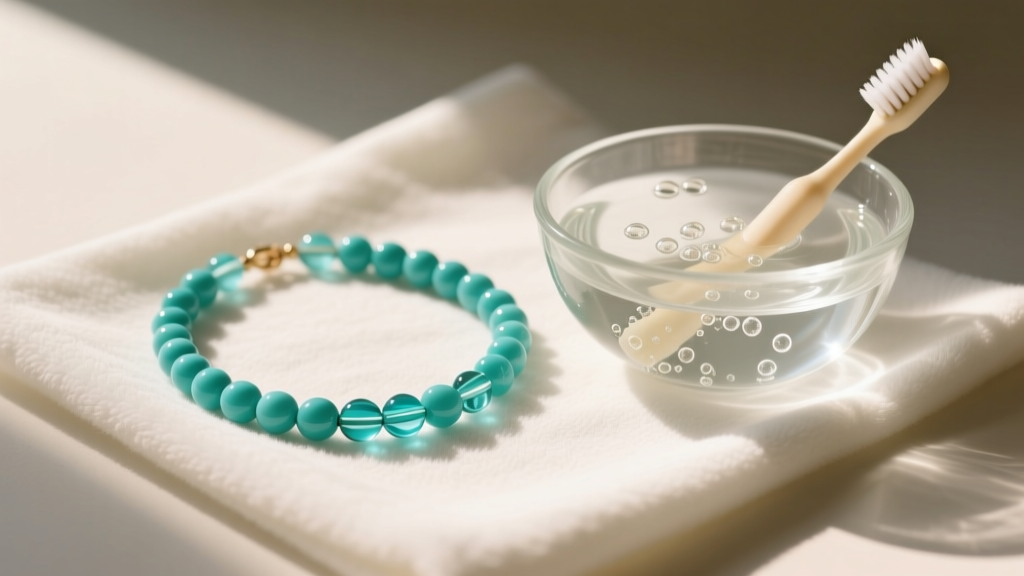
The Hidden Vulnerabilities of Handmade Beadwork
When you transition from buying commercial accessories to crafting your own, the rules of maintenance change entirely. Commercial fine jewelry relies on prongs, bezels, and soldered links. In contrast, DIY beaded jewelry depends entirely on the tensile strength of stringing materials, the integrity of crimp beads, and the chemical stability of the beads themselves. Treating a hand-strung necklace like a cast-metal ring is the fastest way to destroy it.
The most critical mistake beginners make is using commercial jewelry dips or ultrasonic cleaners. Ultrasonic waves create microscopic cavitation bubbles that can shatter porous gemstones and vibrate crimp beads loose. Meanwhile, commercial silver dips often contain thiourea and hydrochloric acid, which will instantly melt the nylon coating on stainless steel beading wire and degrade polyurethane elastic. To preserve your handmade pieces, you must adopt a material-specific approach to cleaning and care.
Material-Specific Cleaning Protocols
Not all beads are created equal. The cleaning method you use must be dictated by the porosity and chemical composition of the materials you strung together.
Porous Gemstones vs. Vitreous Glass
Organic and porous stones—such as turquoise, lapis lazuli, malachite, and pearls—act like microscopic sponges. According to the Gemological Institute of America (GIA), porous gems should never be submerged in water or exposed to soap, as they will absorb the chemicals, leading to permanent discoloration and structural weakening. For these materials, use only a dry, lint-free microfiber cloth to gently buff away skin oils and dust.
Conversely, vitreous materials like glass, crystal, and non-porous quartz can handle mild washing. Mix a few drops of pH-neutral dish soap (like Dawn) into a bowl of distilled water. Tap water contains chlorine and dissolved minerals that can leave hard water spots on glass beads. Soak the non-porous sections for no more than three minutes, then gently agitate with an extra-soft baby toothbrush. Rinse with clean distilled water and pat dry immediately.
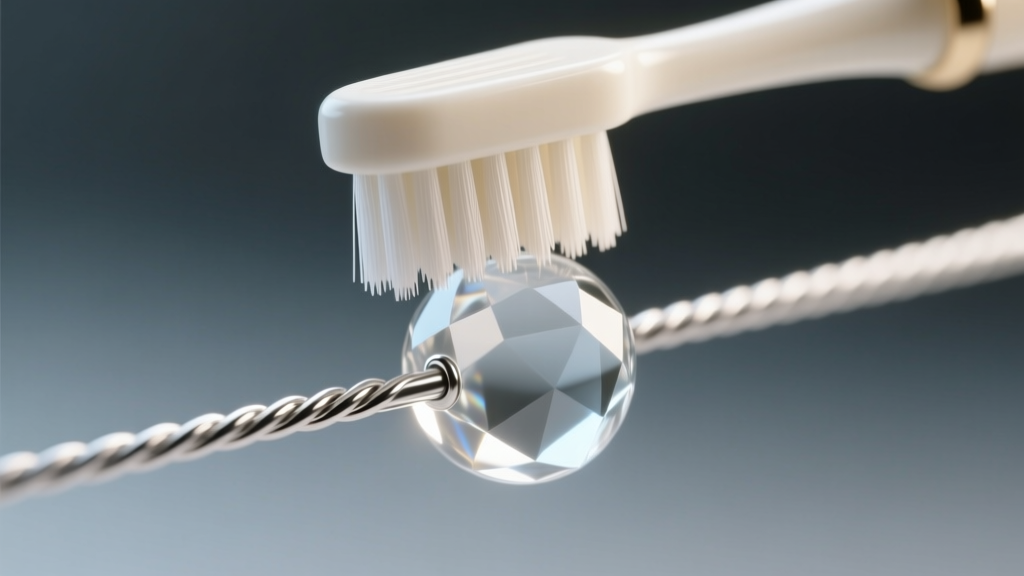
The Danger of Commercial Dips and Ultrasonics
Never place DIY beaded jewelry in an ultrasonic cleaner. The high-frequency vibrations will fray silk thread, weaken elastic memory, and cause internal fractures in stones like emeralds or opals. Similarly, avoid polishing cloths treated with abrasive jeweler's rouge when cleaning beaded pieces; the rouge can become trapped in the crevices of textured beads or inside the holes of spacer beads, creating a muddy, permanent residue.
Bead Material Porosity & Cleaning Compatibility Chart
Use this reference table to determine the safest cleaning protocol for the specific beads in your project.
| Bead Material | Porosity Level | Safe Cleaning Method | Strictly Avoid |
|---|---|---|---|
| Turquoise & Lapis | High (Porous) | Dry microfiber cloth only | Water, soap, ultrasonics |
| Pearls & Coral | High (Organic) | Damp cloth, dry immediately | Acids, vinegar, ammonia |
| Glass & Crystal | None (Vitreous) | Mild dish soap + distilled water | Hard bristle brushes |
| Quartz & Agate | Low (Cryptocrystalline) | Soapy water soak (3 mins max) | Thermal shock (hot/cold) |
| Dyed Howlite | Medium (Treated) | Dry wipe only | Alcohol, acetone, water |
Preserving Stringing Materials and Findings
The longevity of DIY beaded jewelry is usually dictated by its stringing medium rather than the beads themselves. Understanding the chemical vulnerabilities of your thread or wire is essential for long-term care.
Elastic, Silk, and Nylon Threads
Polyurethane elastic (commonly sold under brand names like Stretch Magic) is highly susceptible to degradation from human sebum, specifically the lipid squalene, as well as from lotions and perfumes. Over time, these oils break down the elastomer chains, causing the cord to become brittle and snap. Wipe elastic bracelets with a dry cloth after every wear. Never submerge them in water, as moisture trapped inside the bead holes will rot the elastic from the inside out.
If you have knotted a necklace using Griffin 100% silk cord, be aware that silk is a protein fiber that stains easily and loses tensile strength when wet. Spot clean silk-threaded pearls with a barely damp cloth and allow them to dry flat. Hanging wet silk will cause the thread to stretch permanently under the weight of the beads.
Stainless Steel and Nylon-Coated Beading Wire
For heavy gemstone projects, most makers use 49-strand nylon-coated stainless steel wire (such as SoftFlex or Beadalon in .019" or .024" diameters). While the stainless core is impervious to water, the nylon jacket can cloud, yellow, or crack if exposed to prolonged UV light or harsh chemicals. According to Soft Flex Company, storing these pieces away from direct sunlight and wiping them down to remove acidic sweat will prevent the nylon jacket from degrading and exposing the sharp steel core, which can eventually cut through your clasps.
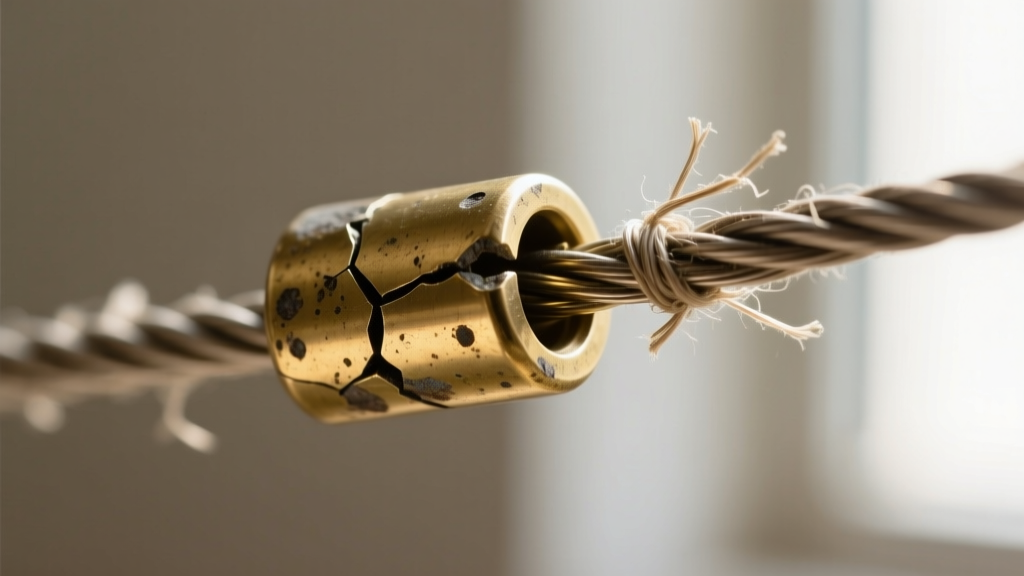
Troubleshooting Common DIY Beaded Issues
Even with careful cleaning, handmade jewelry presents unique maintenance challenges. Here is how to solve the most frequent problems:
- Cloudy Glass Beads: If your glass beads develop a cloudy film, it is likely hard water mineral buildup or dried lotion. Wipe them with a 50/50 solution of distilled white vinegar and distilled water, then buff with a microfiber cloth. Do not use vinegar if the piece contains porous stones or base metal findings.
- Green Skin from Spacer Beads: Inexpensive zinc alloy or brass spacer beads will oxidize when exposed to the pH of your sweat, leaving green marks on the skin. To fix this without restringing, carefully paint the inside holes of the spacer beads with clear nail polish or a jewelry shield coating. For future projects, upgrade to stainless steel or sterling silver spacers.
- Fraying at the Clasp: If your beading wire keeps snapping near the clasp, the wire is rubbing against the sharp inner edge of a jump ring. To prevent this, always use a wire guardian (also known as French wire) to create a smooth, protective loop where the wire meets the clasp.
Long-Term Storage to Prevent Oxidation and Stretching
How you store your DIY beaded jewelry is just as important as how you clean it. Gravity and air are the enemies of handmade beadwork.
"The number one mistake beginners make is treating handmade beadwork like cast metal fine jewelry. Submerging a knotted silk necklace in commercial silver dip will dissolve the thread and ruin the piece in minutes."
Never hang heavy beaded necklaces on a jewelry tree. The constant gravitational pull will stretch elastic, nylon, and silk threads, leading to permanent deformation and eventual breakage. Store all necklaces and bracelets flat in a drawer or in individual ziplock bags.
To prevent base metal findings and copper wire-wraps from tarnishing, drop a 3M anti-tarnish strip into each storage bag. These strips absorb sulfur compounds and hydrogen sulfide from the air, keeping your silver-plated clasps and copper spacer beads bright for up to a year. Finally, always put your jewelry on after applying perfume, hairspray, and lotion, and take it off before showering or swimming. This simple habit will double the lifespan of your stringing materials and keep your gemstones vibrant.


