Connoisseurs All-Purpose Jewelry Cleaning Kit Reviews for DIY Makers
Read our Connoisseurs All-Purpose Jewelry Cleaning Kit reviews to troubleshoot DIY material reactions, prevent patina loss, and safely clean mixed media.

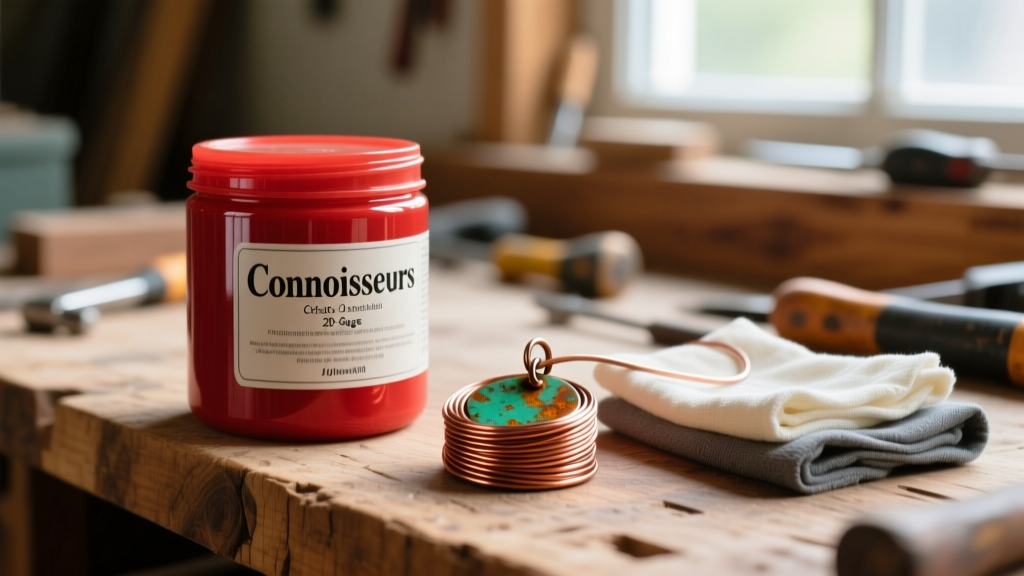
As we navigate the evolving landscape of independent jewelry design in 2026, the line between traditional metal smithing and mixed-media DIY crafting continues to blur. Wire wrappers, resin casters, and lapidary hobbyists are combining materials in ways mass manufacturers never would. This brings us to a critical workbench dilemma: how do you clean these complex, handcrafted pieces without destroying them? If you have been searching for Connoisseurs All-Purpose Jewelry Cleaning Kit reviews to see if this popular commercial dip is safe for your custom builds, you are in the right place. This guide approaches the kit strictly from a problem-solving and troubleshooting perspective, breaking down chemical interactions, material failures, and workbench alternatives.
The Commercial vs. Handcrafted Clash
Commercial jewelry cleaners are formulated with a specific baseline in mind: cast or stamped gold, platinum, and sterling silver, usually set with hard, non-porous diamonds or cubic zirconia. When you introduce the variables of a DIY workbench—such as raw copper wire, unsealed polymer clay, epoxy resin inclusions, or deliberately oxidized silver—those baseline formulas become liabilities. The Connoisseurs All-Purpose kit utilizes a liquid bath system featuring a built-in strainer tray and a small detailing brush. While highly effective at lifting skin oils and environmental dirt from traditional bridal jewelry, its chemical profile poses severe risks to handcrafted mixed media.
Deconstructing the Formula: What is Actually in the Dip?
To troubleshoot effectively, we must understand the chemistry. The Connoisseurs All-Purpose liquid relies on a blend of non-ionic surfactants, mild alkaline builders, and trace amounts of ammonia or ammonia-equivalent solvents. These ingredients are fantastic for breaking down sebum and cosmetic residues on hard metals. However, alkaline solutions and ammonia are highly reactive with sulfur compounds and porous mineral matrices. When a DIY maker dips a complex piece into this bath, they are initiating a rapid chemical reaction that cannot always be reversed.
Troubleshooting Material Disasters: Where the Kit Fails DIYers
Let us break down the most common catastrophic failures reported by independent makers when using this all-purpose kit, and how to diagnose the damage.
1. Stripping Liver of Sulfur Patinas
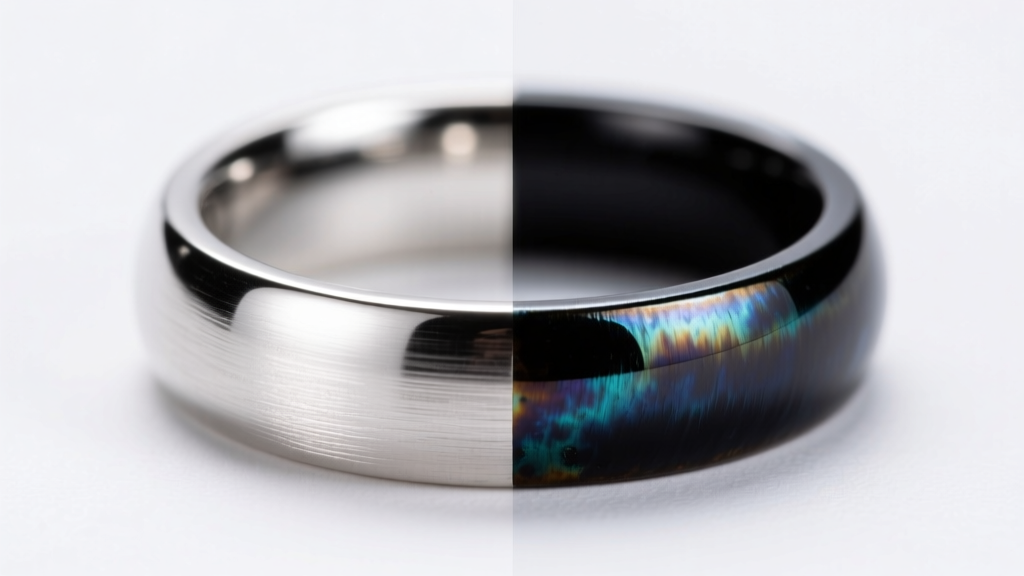
One of the most common DIY finishing techniques is applying Liver of Sulfur (LOS) to sterling silver or copper to create a dark, antiqued contrast in wire-weave crevices. If you dip an LOS-treated piece into the Connoisseurs All-Purpose bath, the alkaline surfactants and mild solvents will aggressively lift the oxidation right out of the micro-pores. You will be left with a piece that looks patchy, yellowish, and artificially bright. According to Rio Grande's metallurgical guides, antiqued finishes should only be polished mechanically with treated cloths or very fine abrasive papers, never submerged in chemical dips.
2. Porous Stone Degradation and Color Shifting
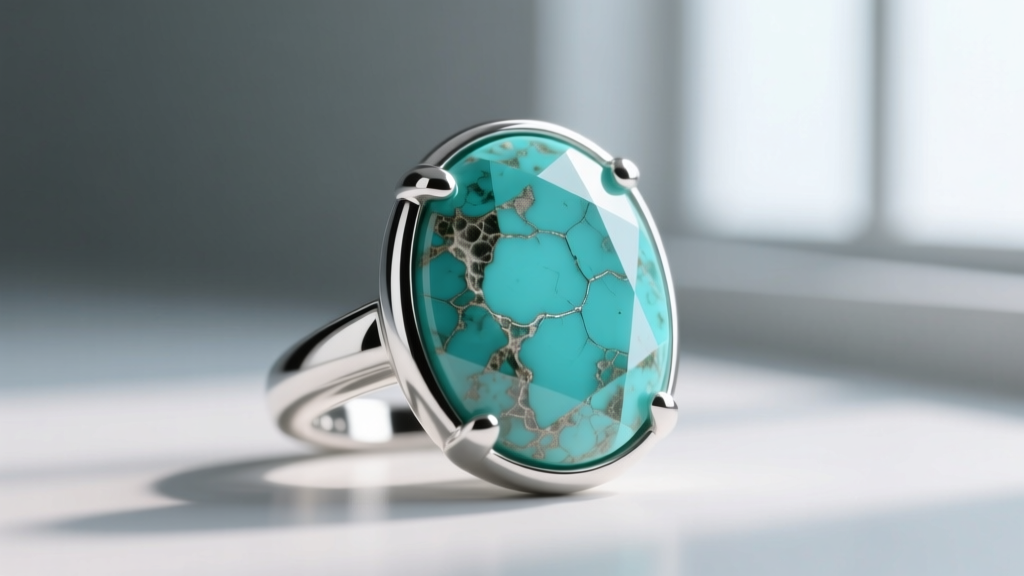
DIY silversmiths and wire wrappers love using natural, unbacked cabochons like turquoise, lapis lazuli, malachite, and opals. These stones rank low on the Mohs hardness scale and possess high porosity. The liquid in the Connoisseurs kit will wick into the microscopic fractures of a raw turquoise cabochon. This causes immediate, often irreversible color shifting (usually turning a vibrant sky blue into a sickly green) and can cause the stone's natural matrix to crack as the chemical dries and crystallizes inside the mineral structure. The Gemological Institute of America (GIA) explicitly warns against using ultrasonic or chemical liquid cleaners on any porous gemstone, recommending only a warm, damp, lint-free cloth for maintenance.
3. Clouding Epoxy Resin and Polymer Clay
Mixed-media makers frequently incorporate UV resin, two-part epoxy, or baked polymer clay into their bezels and wire wraps. The solvents present in all-purpose jewelry dips will attack the surface tension of cured resins, leading to a permanent, cloudy frosted appearance. Polymer clay, which is essentially a vinyl polymer, can become brittle or develop a sticky, degraded surface layer when exposed to prolonged chemical baths.
Compatibility Matrix: DIY Materials vs. Connoisseurs All-Purpose
Use this troubleshooting matrix to quickly determine if the Connoisseurs All-Purpose kit is viable for your specific project build.
| DIY Material / Component | Reaction to All-Purpose Dip | Troubleshooting / Safe Alternative |
|---|---|---|
| 20g - 28g Sterling Silver (Raw) | Safe; removes tarnish effectively | N/A (Follow with a distilled water rinse) |
| Oxidized / Patinated Silver or Copper | Destructive; strips dark contrast | Use a dry Sunshine polishing cloth only on high spots |
| Turquoise, Opal, Lapis, Pearls | Destructive; causes color shift and cracking | Wipe gently with a barely damp microfiber cloth |
| UV Resin / Epoxy Inclusions | Harmful; causes permanent surface clouding | Clean with mild Dawn dish soap and a soft toothbrush |
| Raw Brass / Copper Wire Wraps | Safe for brightening, but can cause pitting | Use a lemon juice and salt bath, or Bar Keepers Friend |
Workbench Solutions: Alternative Cleaning Protocols
If the Connoisseurs kit is off the table for your mixed-media builds, what should you keep on your workbench instead? For complex DIY pieces that feature a mix of hard metals and delicate inclusions, you need a modular cleaning approach.
- The Mild Surfactant Method: Mix three drops of unscented, dye-free Dawn dish soap into a bowl of lukewarm (never hot) distilled water. Use a baby-soft toothbrush to gently agitate dirt from wire-weave gaps. This is safe for almost all porous stones and resins.
- Targeted Mechanical Polishing: Invest in a set of micro-abrasive polishing pads (ranging from 1200 to 4000 grit). These allow you to polish the high points of a 16-gauge copper wire frame without disturbing the patina in the recesses or touching the stone setting.
- Steam Cleaning (With Extreme Caution): While steam is excellent for blasting dirt out of diamond settings, it will shatter heat-sensitive stones like opals and melt certain adhesives used in DIY jewelry. Reserve steam only for all-metal, hard-stone pieces.
Pro-Tip for Makers: Always apply a micro-crystalline wax (like Renaissance Wax) to your raw copper and brass wire wraps after cleaning. This seals the metal from oxygen and skin acids, drastically reducing the need for deep chemical cleaning in the future.
Final Verdict for the DIY Workbench
Our Connoisseurs All-Purpose Jewelry Cleaning Kit reviews conclude that while the product is a staple for traditional fine jewelry maintenance, it is a liability for the modern DIY maker. If your workbench is strictly dedicated to polished sterling silver chains and hard-stone wire wraps, the kit is a convenient, time-saving tool. However, if your portfolio includes oxidized metals, porous cabochons, polymer clays, or resin art, this all-purpose dip will inevitably lead to ruined inventory and frustrated clients. Troubleshooting jewelry care requires matching the chemistry of the cleaner to the specific mineral and metallurgical properties of your handcrafted piece. When in doubt, abandon the chemical dip and rely on mechanical polishing and mild, neutral-pH surfactants to protect your artistry.


