2026 DIY Jewelry Making Trends: Wire Wrapping & Bio-Resins
Discover the top 2026 DIY jewelry making trends, from quiet luxury wire wrapping to bio-resin casting, with expert material guides and sourcing tips.

The Evolution of DIY Jewelry Making in 2026
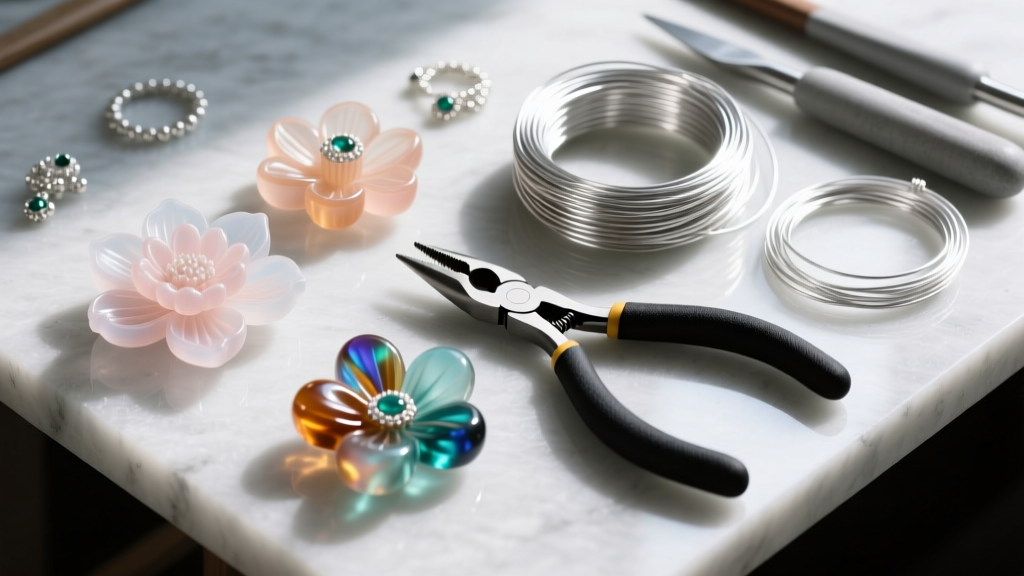
The landscape of DIY jewelry making has undergone a radical transformation as we move through 2026. Gone are the days when crafting jewelry was synonymous with mass-produced plastic beads and basic stringing techniques. Today's makers are driven by a demand for sustainability, hyper-personalization, and the 'quiet luxury' aesthetic that dominates high-end fashion. This shift has elevated the craft from a casual hobby to a sophisticated micro-manufacturing discipline.
At Jewel Style Radar, we have analyzed search data, material supplier reports, and maker community forums to identify the definitive trends shaping the DIY jewelry making space this year. Whether you are transitioning from beginner beading to advanced metallurgy or exploring sustainable casting, understanding these material shifts is critical for creating pieces that resonate with modern consumers and collectors.
Trend 1: 'Quiet Luxury' Wire Wrapping and Argentium Silver
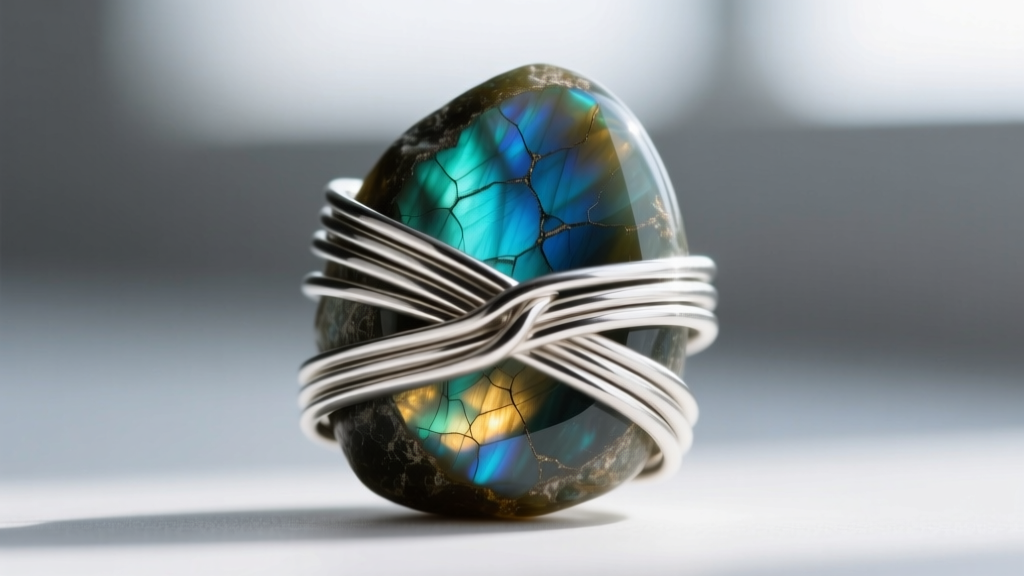
The maximalist, heavy-gauge Viking knit and ornate wire weaving trends of the early 2020s have been replaced by 'Quiet Luxury' wire wrapping. This aesthetic relies on structural minimalism, negative space, and the natural brilliance of the metal. The undisputed champion of this movement is Argentium silver.
Material Grades and Gauge Specifics
Unlike traditional 925 sterling silver, Argentium 935 contains a higher pure silver content and replaces a portion of the copper alloy with germanium. This metallurgical tweak provides two massive advantages for the DIY maker: extreme tarnish resistance and the ability to fuse the metal to itself without solder or flux. According to metallurgical experts at Ganoksin, Argentium's fusion properties allow makers to create seamless jump rings and secure wire wraps with a simple micro-torch, eliminating the cleanup associated with pickling soldered joints.
For structural frames and prongs, makers are exclusively using 20-gauge half-hard Argentium wire. The half-hard temper provides the necessary tensile strength to hold a stone securely without excessive work-hardening and snapping. For decorative weaves and binding, 24-gauge or 26-gauge dead-soft wire is preferred, allowing for tight, flush coils that lay perfectly flat against the frame.
Trend 2: Bio-Resin and Sustainable Casting
As environmental scrutiny on craft supplies intensifies, traditional polyurethane resins and petroleum-based epoxies are being rapidly phased out by eco-conscious makers. The 2026 standard for DIY jewelry making is plant-based bio-resin. These formulas replace a significant percentage of petroleum-derived carbon with plant-derived carbon, drastically reducing the volatile organic compound (VOC) off-gassing during the curing process.
Working with Eco-Epoxy in a Studio Environment
Bio-resins behave differently than standard quick-cure epoxies. They typically feature a 2:1 mixing ratio by volume and require meticulous temperature control. Because they are designed for low-VOC emission, their exothermic reaction (the heat generated during curing) is much milder, which means they take longer to cure—often 24 to 48 hours at room temperature (72°F/22°C).
To achieve the glass-like clarity demanded by modern resin jewelry, makers are adopting pressure pot casting. By placing the silicone molds into a pressure pot and applying 60 PSI of air pressure while the resin cures, any microscopic air bubbles introduced during mixing are compressed to the point of invisibility. Resources like Resin Obsession emphasize that skipping the pressure pot step with bio-resins almost guarantees a cloudy, bubble-ridden finish due to their higher initial viscosity.
Resin Comparison Chart for 2026
| Resin Type | Cure Time | Toxicity / VOCs | Cost per kg (Approx.) | Best Application |
|---|---|---|---|---|
| Traditional Epoxy | 12-24 Hours | Moderate / High | $35 - $50 | Large river tables, thick geodes |
| UV Resin | 3-5 Minutes | High / Skin Irritant | $80 - $120 | Quick bezel fills, small charms |
| Plant-Based Bio-Resin | 24-48 Hours | Low / Minimal | $65 - $95 | High-clarity pendants, botanical casts |
Trend 3: Modular and Convertible Capsule Jewelry
Borrowing from the 'capsule wardrobe' concept in fashion, modular jewelry is the fastest-growing functional trend in DIY jewelry making. Consumers want versatility—pieces that transition from day to night without requiring a complete outfit change. Makers are responding by designing convertible necklaces, detachable chain extenders, and interchangeable pendant systems.
Hardware and Findings Sourcing
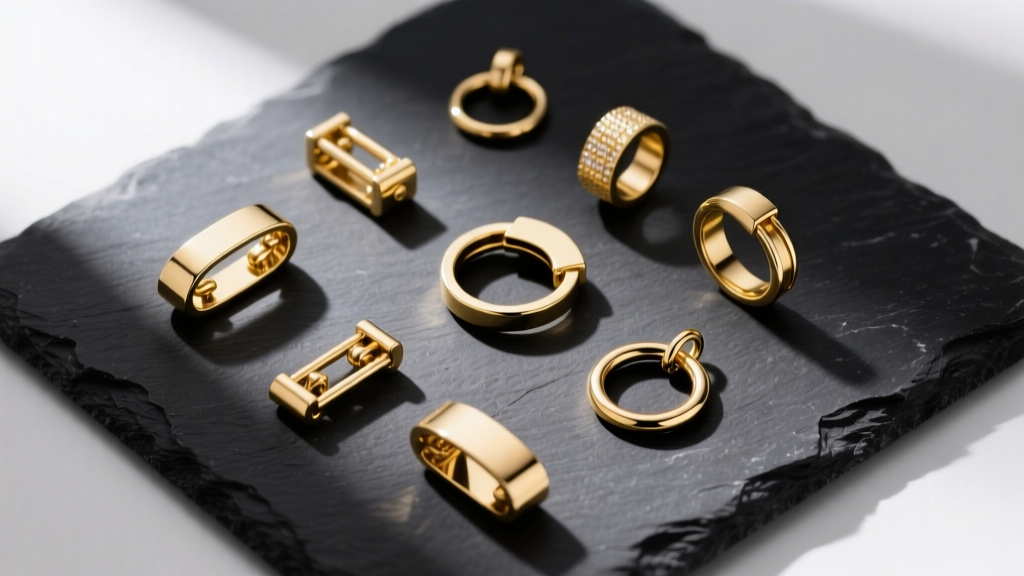
Executing modular designs requires precision hardware. Standard lobster clasps are being replaced by sleek, 1.2mm tubular end caps paired with high-grade neodymium magnetic clasp systems. An 8mm x 3mm tube magnet encased in a 14/20 gold-filled or Argentium sleeve provides a secure, 4-pound pull-force connection that is completely seamless when worn.
For interchangeable pendants, makers are utilizing 5mm split ring bails and specialized hinged enhancers. This allows the wearer to slide different wire-wrapped stones or bio-resin drops onto a single, high-quality 2mm box chain. Sourcing these specialized findings requires moving beyond big-box craft stores and establishing accounts with dedicated jewelry supply houses like Rio Grande, which offer the precise tolerances required for modular mechanisms.
Sourcing and Pricing Realities for the Independent Maker
The romanticization of DIY jewelry making often glosses over the economic realities of material sourcing in 2026. With precious metal markets fluctuating and supply chains for specialized bio-materials tightening, independent makers must adopt a strategic approach to inventory.
- Precious Metal Wire: Expect to pay a 25% to 35% premium for Argentium 935 over standard 925 sterling silver. A 10-foot spool of 20-gauge half-hard Argentium wire currently averages $38-$45, compared to $25-$30 for sterling.
- Silicone Molds for Resin: Custom platinum-cure silicone molds (Shore A 10 hardness) are essential for high-clarity bio-resin casting. Custom mold-making services charge between $120 and $250 per master, while pre-made geometric molds range from $15 to $40.
- Specialized Findings: Neodymium magnetic clasp sets in gold-filled finishes cost roughly $4.50 to $6.00 per unit wholesale, significantly higher than standard clasps, but they command a higher retail price point due to their accessibility and sleek design.
Mastering the 2026 Craft
Success in modern DIY jewelry making is no longer just about mastering a basic technique; it is about material intelligence and trend adaptation. By upgrading your wire wrapping to Argentium silver, transitioning to sustainable bio-resins, and designing modular, convertible pieces, you position your craft at the intersection of luxury, sustainability, and modern utility. The tools and materials are more advanced than ever—now it is up to the maker to harness them.


