How to Make Cameo Jewelry: 2026 Neo-Victorian Trends
Discover how to make cameo jewelry with our 2026 trend analysis. Learn neo-Victorian bezel setting, resin casting, and wire-wrapping techniques.

The 2026 Cameo Renaissance: Beyond the Antique Shop
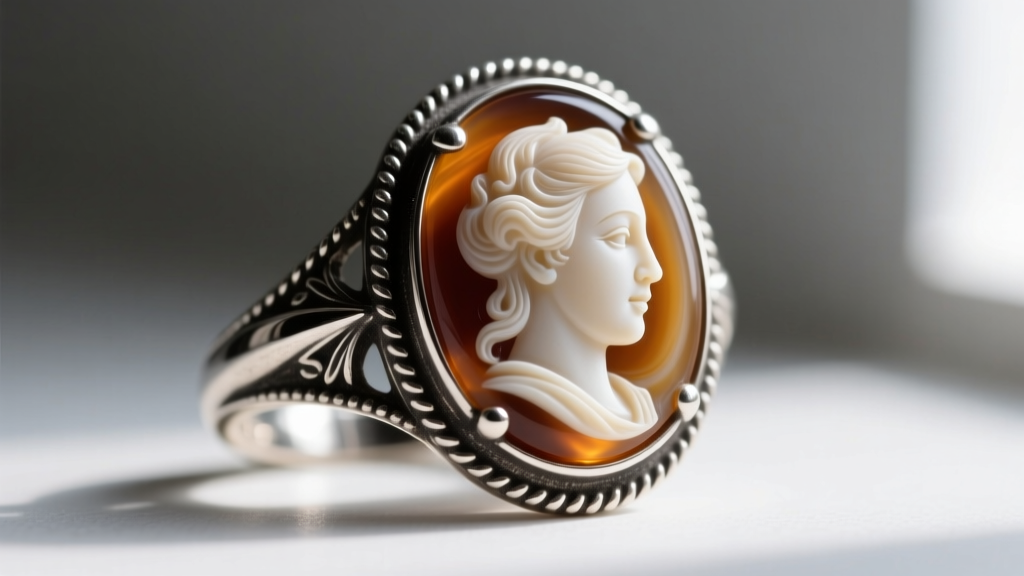
As we navigate the jewelry trends of 2026, the cameo has experienced a massive resurgence, entirely divorced from its traditional association with fragile antique shell carvings. Driven by the booming Dark Academia, Neo-Victorian, and Modern Gothic aesthetics, today's cameo is bold, architectural, and highly personalized. For the DIY jeweler, learning how to make cameo jewelry in this current landscape requires a departure from standard cabochon setting. You are no longer just framing a stone; you are engineering a miniature portrait gallery.
Modern cameo fabrication relies on a hybrid approach: combining heritage metalworking techniques like bezel pushing and liver of sulfur patination with contemporary materials like laser-cut agate and high-viscosity UV resins. According to the Victoria and Albert Museum, the historical cameo was a symbol of status and narrative. In 2026, it is a canvas for subcultural identity. This guide will break down the exact materials, gauges, and fabrication methods required to produce heirloom-quality cameo pieces that align with current market demands.
Material Sourcing: Shell Blanks vs. UV Resin Profiles
The foundation of any cameo project is the relief carving. While traditionalists still source hand-carved shell from Torre del Greco, Italy, the modern DIY bench favors durability and customizability.
Agate and Onyx Blanks
For high-end, permanent jewelry pieces, laser-carved agate and black onyx are the industry standards. The Gemological Institute of America (GIA) notes that agate's cryptocrystalline structure allows for incredibly crisp laser etching without the micro-fractures common in softer shells. When sourcing, look for blanks cut from Idar-Oberstein agate, typically priced between $15 and $45 per piece depending on the complexity of the silhouette. These stones are usually cut with a slight dome, which drastically changes your setting approach compared to flat-backed glass cameos.
Custom UV Resin Silhouettes
If you want to create bespoke profiles (such as pet portraits or custom typography), UV resin is your best medium. Avoid standard two-part epoxy, which is prone to yellowing and thermal blooming. Instead, use a high-viscosity UV resin like Padico or Let's Resin. Pour the resin into silicone cameo molds and cure in 2-minute intervals under a 48W UV lamp. This staggered curing prevents the resin from overheating and warping the delicate facial features of the silhouette.
Fabrication Techniques: Setting the Scene
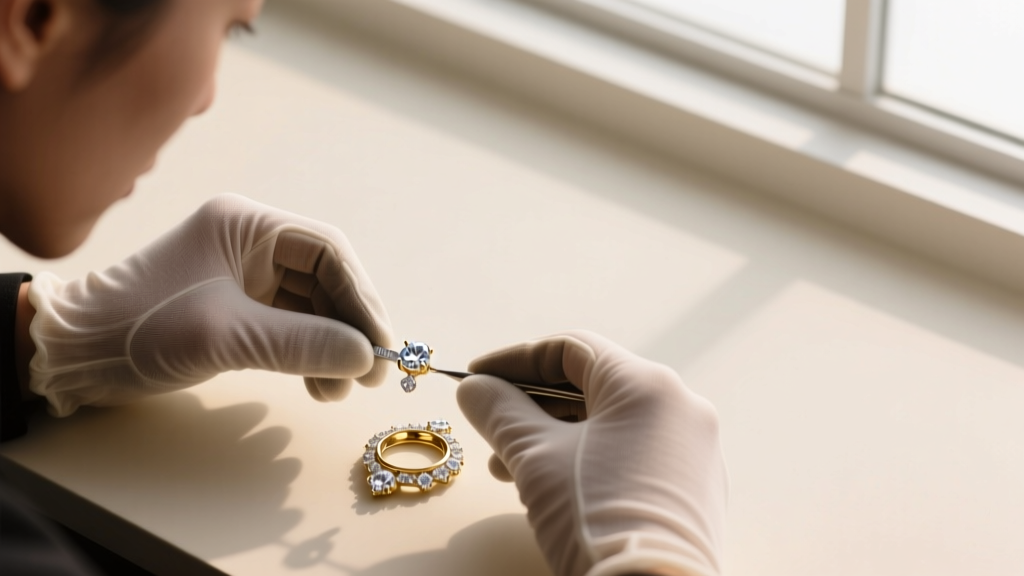
Because cameos feature intricate, raised relief work, the setting must protect the carving while providing a seamless visual transition from metal to stone. Here are the two dominant fabrication methods for 2026.
The 28-Gauge Fine Silver Bezel Method
Bezel setting is the most secure method for agate and shell cameos, but it requires precise material selection. Do not use sterling silver for your bezel wire. The copper content in sterling makes it springy, which leads to gapping when pushed over the uneven edges of hand-carved or laser-cut stones. Instead, use 28-gauge fine silver bezel wire (.013 inches thick). Fine silver is dead-soft and will conform perfectly to the cameo's unique topography.
- Step 1: Wrap the 28-gauge fine silver wire around the cameo, overlapping the ends by 2mm. Solder using easy silver solder and a pinpoint torch flame to avoid melting the thin wire.
- Step 2: Pickle, rinse, and solder the bezel cup to your base plate or ring shank.
- Step 3: Seat the cameo. Use a Teflon-coated bezel roller—not a steel pusher—to gently burnish the silver over the edge of the stone. The Teflon prevents marring the delicate agate profile.
Oxidized Brass Wire Wrapping
For a more rustic, Dark Academia aesthetic, wire wrapping offers an ornate, cage-like frame. Use 20-gauge half-hard brass wire for the structural frame, and 28-gauge dead-soft brass for the decorative weaving. Brass is highly malleable and takes a dark, moody patina exceptionally well, which contrasts beautifully with pale shell or white resin cameos. Create a woven bail at the top and use the 28-gauge wire to create 'claws' that wrap over the cameo's edge, securing it without the need for soldering.
2026 Trend Matrix: Cameo Styles & Demographics
Understanding the stylistic sub-genres of the cameo trend is crucial for makers looking to sell their work or build a cohesive personal collection. The table below outlines the dominant 2026 aesthetics, their preferred materials, and target demographics.
| Aesthetic Trend | Material Preference | Setting Style | Target Demographic |
|---|---|---|---|
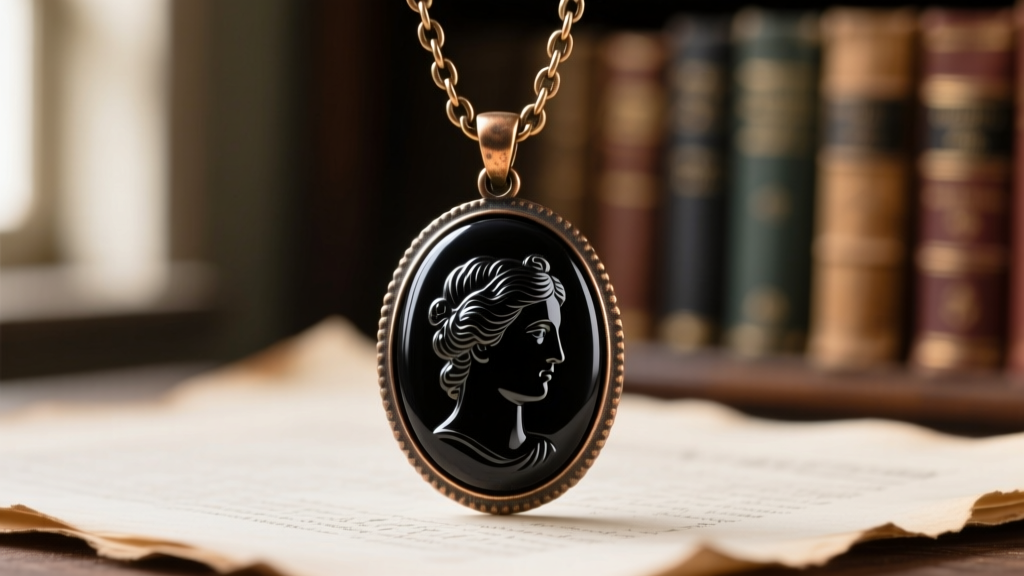
| Dark Academia | Black Onyx / Pale Shell | Oxidized Brass Bezel | Gen Z / Vintage Enthusiasts |
| Ethereal Cottagecore | Pastel UV Resin | 24k Gold Plated Wire Wrap | Millennials / Bridal |
| Modern Gothic | Laser-Cut Banded Agate | Black Rhodium Prong | High-End Indie / Alt-Fashion |
| Neo-Victorian Mourning | Jet / Black Resin | Blackened Sterling Silver | Historical Reenactors / Goth |
Patina and Finishing: Achieving the Heirloom Look
A raw, shiny brass or silver setting often looks cheap and historically disconnected from a cameo. The secret to the 2026 neo-Victorian look lies in aggressive, controlled patination. Liver of Sulfur (LOS) is the industry standard for oxidizing silver and brass.
Crucial Warning: Always apply your LOS patina before setting the cameo. Liver of sulfur will permanently stain the porous calcium carbonate of natural shell and can cause UV resin to yellow or cloud. If you must patina a piece after setting, use a Q-tip to carefully paint the LOS onto the metal, avoiding the stone entirely.
For the best results, mix a pea-sized amount of LOS gel into warm water (approximately 120°F). Hot water will cause the patina to flake off; cool water will result in a weak, grayish tint. Dip your metal setting until it reaches a deep, iridescent black. Once dry, use a polishing cloth or a fine brass brush to selectively remove the oxidation from the high points of your metalwork, leaving the recesses dark. This creates depth and mimics decades of natural wear.
Finally, seal your work. Cameos are often touched and handled, which can rub away raw patina. Apply a thin coat of Renaissance Wax using a soft brush, let it dry for 10 minutes, and buff it to a soft, satin sheen. This micro-crystalline wax is used by museum conservators worldwide and will protect your metalwork from skin oils and humidity.
Sourcing the Right Tools
To execute these techniques, your bench needs specific tooling. Suppliers like Rio Grande offer the precise gauges of fine silver bezel wire and Teflon setting tools required for this delicate work. Investing in a quality bezel roller and a set of nylon-jaw pliers will prevent you from accidentally crushing the fragile edges of shell blanks during the wrapping and setting process.
Final Thoughts on Modernizing Heritage
Mastering how to make cameo jewelry in 2026 is about balancing historical reverence with modern material science. By combining the crispness of laser-cut agate or the customizability of UV resin with time-tested metalworking techniques like fine silver bezel setting and liver of sulfur patination, you can create pieces that feel both ancient and entirely contemporary. Whether you are designing for the Dark Academia market or creating a bespoke heirloom, the cameo remains one of the most powerful narrative tools in the jeweler's arsenal.


