Permanent Jewelry Cost & Trend Analysis for DIY Makers in 2026
Discover the true permanent jewelry cost for DIY makers in 2026. We analyze material pricing, trending chain styles, and profit margins for your business.

The 2026 Landscape: Why Permanent Jewelry Continues to Dominate
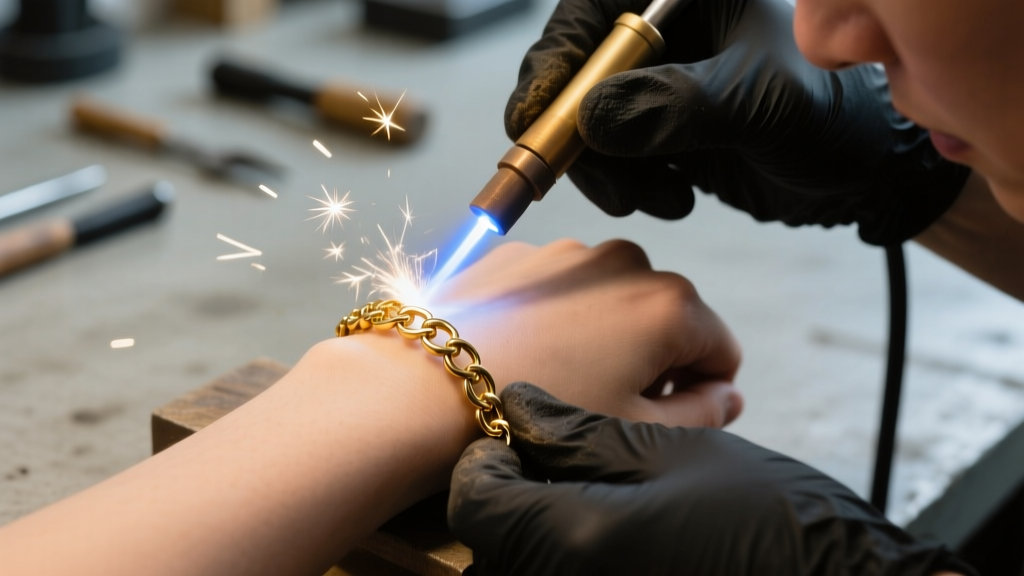
What began as a niche pop-up experience has firmly cemented itself as a cornerstone of modern accessory culture. As we navigate 2026, the demand for welded, clasp-less accessories shows no signs of slowing down. However, for DIY jewelry makers and aspiring entrepreneurs, the barrier to entry is no longer just about mastering the weld; it is about understanding the intricate economics of the trade. Evaluating the true permanent jewelry cost requires looking beyond the initial equipment purchase and diving deep into material grades, supply chain shifts, and evolving consumer expectations.
Today’s consumers are highly educated. They know the difference between gold-plated brass and 14k gold-filled wire, and they are willing to pay a premium for hypoallergenic, tarnish-resistant materials. For the DIY maker, this means your pricing strategy and sourcing habits must be razor-sharp. In this comprehensive style and trend analysis, we break down the exact financials, trending aesthetics, and sourcing strategies you need to build a profitable, sustainable permanent jewelry business this year.
Breaking Down the Permanent Jewelry Cost for DIY Makers
Before you can price your services, you must understand your overhead. The permanent jewelry cost for a maker is divided into three primary categories: welding equipment, shielding gas, and raw chain materials.
Equipment & Welder Investment
The heart of your operation is the micro-TIG or pulsing arc welder. In 2026, the market has bifurcated into professional-grade and budget-tier options:
- Professional Grade (Orion mPulse 150 / Sunstone PUK): Ranging from $2,200 to $2,800, these machines offer precise pulse-width control, essential for welding ultra-fine 1.1mm chains without melting the surrounding links. They also feature built-in argon gas regulators.
- Budget / Entry-Level (Generic Micro-TIG Welders): Priced between $350 and $600, these are popular for DIY hobbyists. However, they often lack fine-tuning capabilities, leading to a higher failure rate (brittle welds or melted chains) when working with high-karat gold or delicate silver.
Shielding Gas: The Hidden Ongoing Cost
You cannot achieve a clean, oxidation-free weld without argon gas. You must source 99.996% pure welding-grade argon from a local supplier (such as Airgas). A standard 20cf tank costs around $150 to fill and will yield approximately 400 to 600 welds depending on your flow rate, adding roughly $0.25 to $0.37 per weld in gas overhead.
Chain & Material Costs
The most significant variable in your permanent jewelry cost analysis is the chain itself. Below is a 2026 market comparison based on wholesale pricing from major suppliers like Rio Grande and Halstead Bead.
| Material Grade | Typical Gauge / Width | Wholesale Cost (Per Inch) | Durability & Tarnish Resistance | Consumer Price Point |
|---|---|---|---|---|
| 14k Solid Gold (Yellow) | 1.2mm - 1.5mm | $3.50 - $6.00 | Excellent (Will not tarnish, hypoallergenic) | $80 - $120+ per bracelet |
| 14k Gold-Filled (1/20) | 1.5mm - 2.0mm | $0.40 - $0.85 | Very Good (Tarnish-resistant, durable core) | $45 - $65 per bracelet |
| Sterling Silver (.925) | 1.8mm - 2.2mm | $0.25 - $0.50 | Fair (Will oxidize over time, requires polish) | $35 - $50 per bracelet |
Trending Styles & How They Impact Your Bottom Line
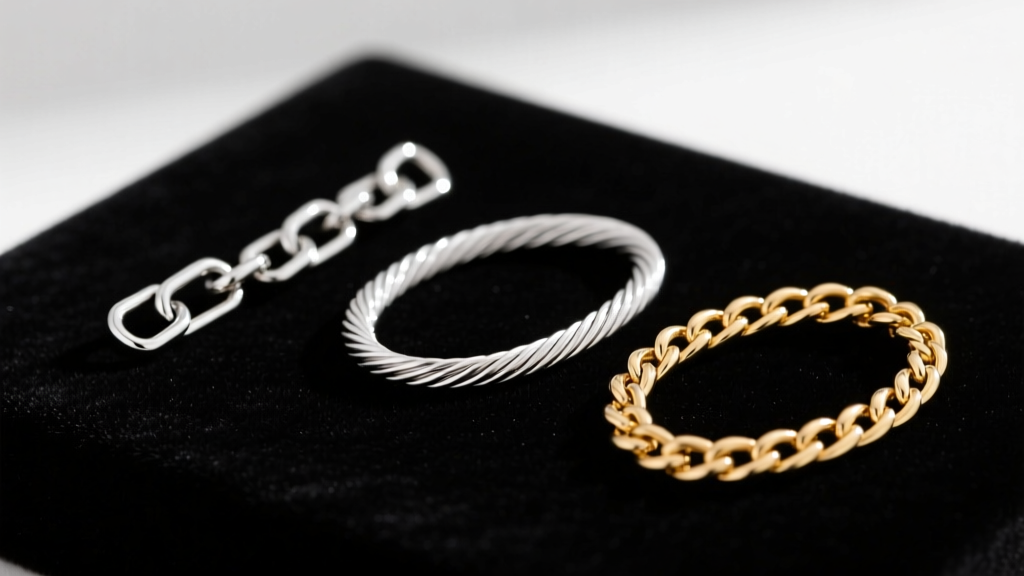
Style trends directly dictate your material waste and labor time. In 2026, the aesthetic has shifted away from heavy, chunky links toward ethereal, barely-there layering pieces.
The Shift to Ultra-Fine Chains
The most requested styles this year are ultra-fine cable and diamond-cut chains ranging from 1.1mm to 1.4mm in width. While these delicate chains are visually stunning and highly comfortable for 24/7 wear, they present a unique challenge: they are incredibly unforgiving under the welder. A pulse setting that is even 5 milliseconds too long will vaporize a 1.1mm 14k gold link. This increases your material waste factor. When calculating your permanent jewelry cost, you must add a 15% waste buffer for ultra-fine chains compared to a standard 5% buffer for heavier 2.0mm figaro or paperclip chains.
Charm Integration and Soldered Jump Rings
Consumers are moving toward personalized storytelling. Tiny solid gold charms (birth flowers, zodiac signs, initial discs) are being integrated directly into the chain. To maintain the "permanent" ethos, makers are moving away from split rings and instead using laser-welded or traditionally soldered jump rings. Sourcing high-quality 14k gold solder and investing the extra three minutes per client to seamlessly fuse the jump ring adds immense perceived value, allowing you to charge a $20 to $40 premium per charm integration.
Pricing Your Services: Consumer Expectations vs. Maker Margins
A common pitfall for new DIY makers is underpricing their services to attract clients, ultimately operating at a loss when factoring in labor and overhead. A sustainable pricing framework must account for the total permanent jewelry cost plus your expertise.
Here is a proven 2026 pricing framework for a standard 7-inch bracelet:
- Base Material Cost: Calculate the exact chain length plus 1 inch for overlap and trimming. (e.g., 8 inches of 14k Gold-Filled at $0.60/inch = $4.80).
- Consumables & Overhead: Add $1.00 for argon gas, electrode wear, and cleaning supplies (like a fiberglass scratch brush).
- Labor & Expertise Rate: Charge a flat welding and fitting fee. In most North American markets, this baseline fee is $25 to $35, regardless of the chain material.
- Total Consumer Price: Base + Consumables + Labor. (e.g., $4.80 + $1.00 + $30.00 = $35.80 retail for gold-filled).
For solid 14k gold, makers typically abandon the flat labor fee and instead use a multiplier (usually 3x to 4x the wholesale chain cost) plus the base welding fee, easily pushing the retail price of a delicate solid gold bracelet to the $90–$140 range. According to industry insights from Stuller, maintaining a minimum 65% gross profit margin is critical for covering booth fees, marketing, and insurance at pop-up events.
Sourcing Strategies to Optimize Your Costs
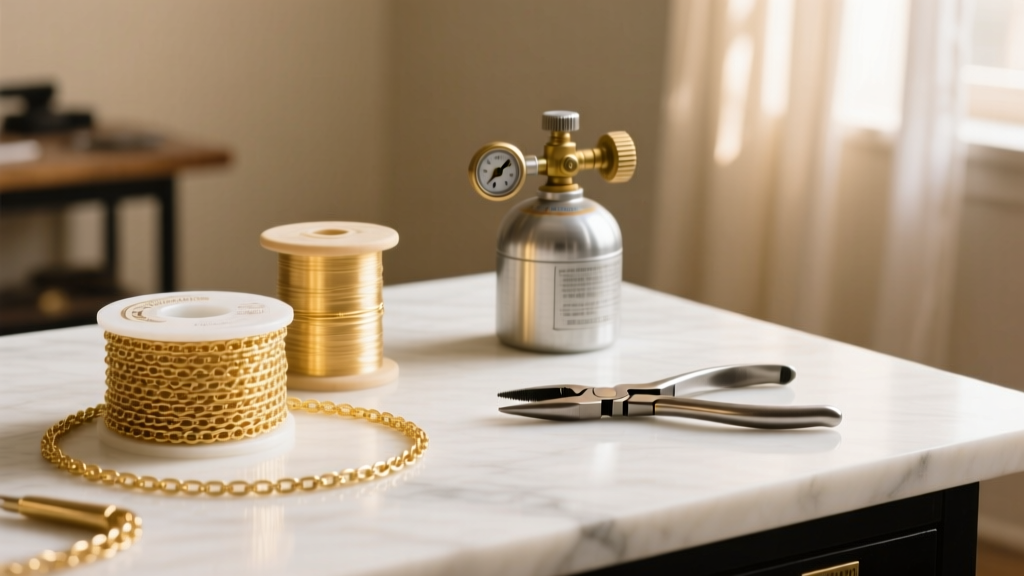
Where you buy your materials is just as important as what you buy. To keep your permanent jewelry cost manageable without sacrificing quality, avoid purchasing pre-cut "permanent jewelry kits" from drop-shippers, which often carry a 300% markup and use inferior, poorly annealed chains that snap during the welding process.
Instead, open wholesale accounts with established jewelry suppliers. Buying chain by the spool (typically 10 to 50 feet at a time) drastically reduces your cost per inch. Furthermore, invest in high-quality Japanese flush cutters (such as the Tronex or Lindstrom brands) to ensure your chain ends are cut perfectly flat. A flat cut ensures maximum surface area contact when overlapping the links for the weld, resulting in a stronger, cleaner pulse and fewer re-welds.
Conclusion
The permanent jewelry market in 2026 rewards precision, quality, and smart business acumen. By thoroughly understanding your permanent jewelry cost—from the purity of your argon gas to the wholesale price of 14k gold-filled wire—you position yourself not just as a hobbyist, but as a premier artisan. Master the ultra-fine weld, curate a trending selection of delicate chains and charms, and price your expertise with confidence.


