Engineering a DIY Jewelry Advent Calendar: 2026 Guide
Master the technical specs, material grades, and 24-day progression matrix to engineer a premium DIY jewelry advent calendar for makers in 2026.


The concept of the DIY jewelry advent calendar has evolved dramatically. Gone are the days of cheap plastic bead assortments and easily tangled craft wire. As we move through 2026, advanced makers and boutique supply curators are engineering premium, cohesive 24-day build experiences. Designing a high-end advent calendar requires a meticulous understanding of metallurgy, structural integrity, and modular project pacing. This guide provides a deep technical dive into sourcing, spec-matching, and structuring a professional-grade DIY jewelry advent calendar that guarantees structural durability and aesthetic cohesion for the end user.
The Engineering of a Cohesive 24-Day Jewelry Build
The most common failure mode in commercial DIY kits is the 'randomized component' approach—where 24 days yield 24 disconnected, single-use pendants with leftover findings. An expertly engineered calendar utilizes a capsule collection matrix. This means designing three to four interlocking modular systems (e.g., a wire-wrapped pendant, a beaded chain, and structural drop earrings) that share a unified color palette and metal alloy.
By standardizing the metal finish (e.g., raw brass or oxidized sterling silver) and limiting the bead palette to three complementary gemstones (such as ethically sourced lapis lazuli, matte onyx, and lab-grown opal), you ensure that every component opened on Day 1 can be structurally integrated with the components opened on Day 24. This approach minimizes dead stock and maximizes the wearer's final jewelry wardrobe.
Material Grade Sourcing & Tarnish Prevention
When sourcing metals for a multi-week unboxing experience, tarnish and skin-reactivity are your primary adversaries. For silver components, avoid standard silver-plated brass, which typically features a microscopic 0.5oz silver layer over a copper core that will oxidize and turn the wearer's skin green within weeks of wear.
Sterling vs. Argentium Silver
For a premium calendar, specify .925 Sterling Silver (92.5% silver, 7.5% copper). However, for an ultra-premium 2026 release, consider Argentium Silver. Argentium replaces a portion of the copper alloy with germanium, creating a self-healing oxide layer that resists tarnish up to 7 times longer than traditional sterling. According to metallurgical data from Rio Grande, Argentium's dead-soft temper also allows for tighter wire-wrapping loops without work-hardening and snapping mid-build.
If utilizing brass or copper, ensure all base metals are strictly EU REACH compliant for nickel-free content. Nickel allergies are the leading cause of contact dermatitis in jewelry, and omitting nickel from your ear wires and clasps is non-negotiable for a reputable kit.
Technical Specifications: Matching Beads, Wire, and Findings
The structural integrity of the final pieces relies entirely on the tolerance matching between wire gauges, finding loops, and bead hole diameters. A mismatch of just 0.2mm can result in cracked gemstones or wire fatigue. Below is the technical specification matrix for your calendar's core components.
| Component Type | Ideal Wire Gauge | Required Bead Hole | Common Failure Mode |
|---|---|---|---|
| Ear Wires (French Hook) | 20g Half-Hard | N/A | Wire too soft (22g) bends out of ear; too hard (18g) causes piercing trauma. |
| Wire Wrapping (Briolettes) | 24g Dead-Soft | 0.8mm - 1.0mm | 22g wire forces through 0.5mm hole, cracking the gemstone apex. |
| Structural Jump Rings | 18g or 16g | N/A | 20g rings pull apart under the weight of heavy stone pendants. |
| Seed Bead Weaving | N/A (Use Thread) | 0.8mm minimum | Fireline thread frays if forced through 0.5mm glass seed beads repeatedly. |
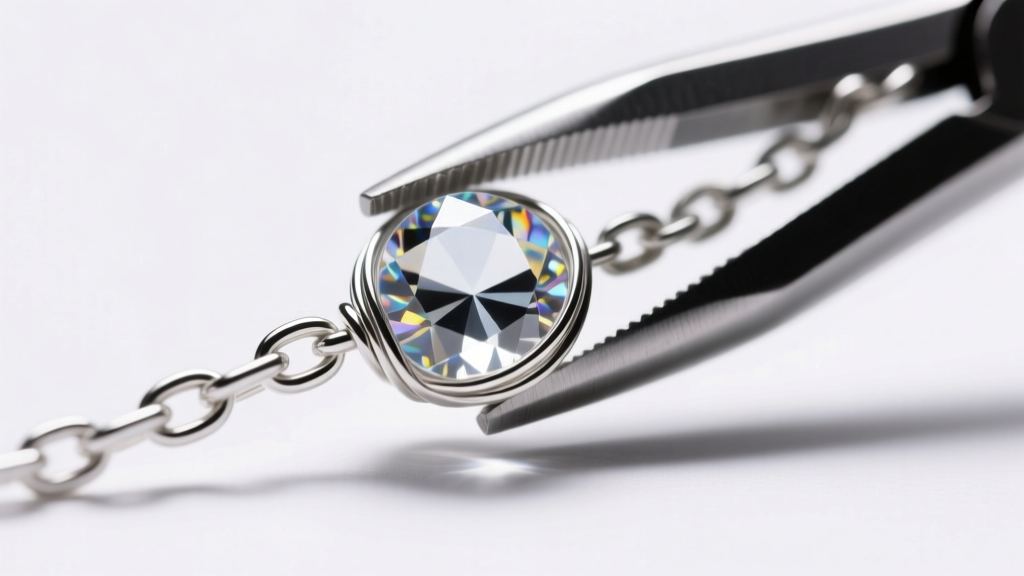
The 0.8mm vs. 1.5mm Hole Size Bottleneck
According to Fire Mountain Gems, standard gemstone beads are drilled with 0.8mm to 1.0mm holes, while freshwater pearls often feature 0.5mm to 0.6mm holes. If your Day 12 project requires wrapping a pearl, you cannot use standard 22-gauge (0.64mm) wire. You must source 24-gauge (0.51mm) or 26-gauge (0.40mm) wire specifically for those days, or pre-drill the pearls using a 0.7mm diamond-tipped bead reamer. Failing to account for this bottleneck will result in broken pearls and frustrated makers.
Structuring the 24-Day Progression Matrix
A successful advent calendar paces the technical difficulty and physical assembly. Do not front-load the complex wire-wrapping. Use the following progression matrix to distribute the cognitive and mechanical load:
- Days 1-5 (Prep & Findings): Unboxing ear wires, headpins, jump rings, and clasps. Introduction to chain-nose and flush-cut pliers. Basic loop-turning practice on brass wire.
- Days 6-12 (Core Bead Stringing): Introduction to the primary gemstones. Tension stringing, basic crimping with 2x2mm sterling crimp tubes, and wire straightening.
- Days 13-18 (Advanced Wrapping): Briolette top-wrapping, rosary links, and integrating the 24g dead-soft weaving wire around 20g structural frames.
- Days 19-24 (Assembly & Finishing): Connecting the modular components, attaching clasps, oxidizing/polishing, and final structural stress-testing.
Packaging for Longevity and Presentation
How you package the raw materials dictates their condition upon unboxing. Standard polyethylene (PE) ziplock bags trap ambient humidity, accelerating the oxidation of raw brass and copper components before the calendar even reaches the recipient.
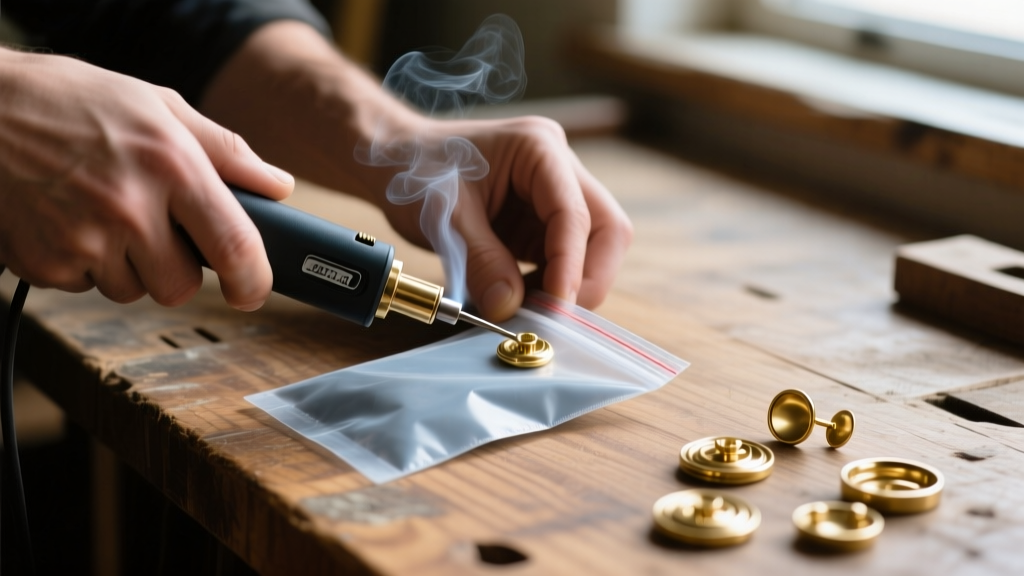
The Anti-Tarnish Protocol
For 2026, the industry standard for premium kit packaging involves glassine bags or specialized Pacific Silvercloth zip-pouches. Glassine is a smooth, glossy, translucent paper that is highly resistant to grease and moisture transfer. If using plastic, you must include a 1-inch square of 3M anti-tarnish strip inside every bag containing reactive metals. These strips utilize copper-based scavengers to absorb hydrogen sulfide and sulfur dioxide from the trapped air, effectively pausing the tarnishing process for up to 12 months in a sealed environment.
Cost Analysis: Curated Kits vs. Bulk Sourcing
Engineering a premium calendar requires balancing high-end materials with scalable margins. Below is a comparative cost analysis for producing a 24-day sterling silver and semi-precious stone calendar (based on a 500-unit production run).
Bulk Sourcing (Direct from Lapidaries & Wire Mills): Material cost per calendar averages $42.00. Requires extensive QA, manual wire cutting, and individual hole-size verification. High labor overhead.
Curated Wholesale Kits (Pre-packaged Findings): Material cost per calendar averages $68.00. Findings come pre-counted and sealed, reducing assembly time by 60%, but sacrificing the custom curation of unique gemstone cuts.
For boutique brands, the hybrid approach is optimal: bulk-source the raw wire and feature gemstones, but purchase pre-packaged, QA-tested sterling silver findings (like ear wires and lobster clasps) to eliminate structural failure points while keeping overall COGS (Cost of Goods Sold) under $55 per unit.
Final Thoughts on the 2026 Maker Experience
The modern DIY jewelry enthusiast is no longer satisfied with 'craft store' quality. By engineering your advent calendar with precise gauge tolerances, premium anti-tarnish packaging, and a logical 24-day skill progression, you elevate the unboxing from a simple holiday novelty into a comprehensive, professional-grade jewelry masterclass.


