Essential Jewelry Making Products for Beginners: 2026 Guide
Discover the best jewelry making products for beginners in 2026. Learn which tools, wires, and beads to buy first without wasting money on cheap kits.

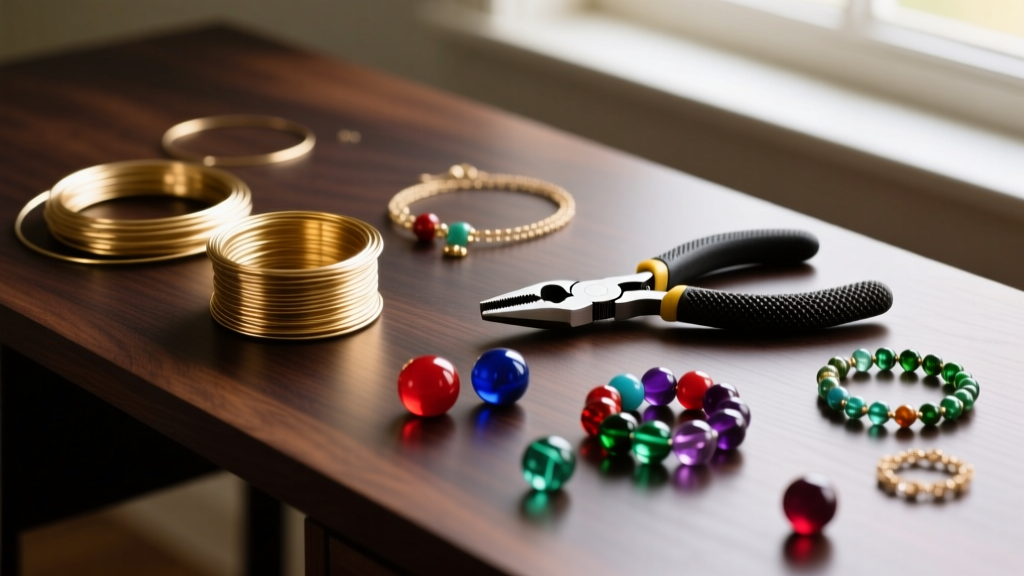
The Trap of the 'All-in-One' Beginner Kit
If you have recently decided to dive into the world of DIY jewelry design, your first instinct was likely to search for a comprehensive, 5,000-piece starter kit on a massive e-commerce marketplace. While the promise of having every conceivable bead, wire, and tool delivered in a single plastic tackle box for under $30 sounds incredibly appealing, these kits are often the biggest roadblock to a beginner's success. The reality of the jewelry industry is that quality matters immensely, even at the hobbyist level.
Cheap, mass-produced kits typically include tools made from soft, untempered steel that will dent, rust, and mar your wire within the first hour of use. The wires are often coated in toxic alloys or thin enamel that flakes off when bent, and the findings (clasps and jump rings) are prone to snapping under the weight of a simple pendant. To truly learn the craft and create pieces that last, you must curate your own collection of high-quality jewelry making products. This guide breaks down the exact tools, metals, and hardware you need to build a professional-grade beginner bench in 2026, without wasting money on filler items you will never use.
The Core Toolkit: Pliers and Cutters That Actually Last
Your pliers are an extension of your hands. In jewelry making, you are manipulating metal at a millimeter scale, meaning the precision and finish of your tool's jaws are paramount. A beginner needs three primary tools to execute 90% of foundational techniques, from simple loops to basic wire wrapping.
1. Chain-Nose Pliers (Smooth Jaw)
Unlike hardware store needle-nose pliers, jewelry chain-nose pliers must have completely smooth, flat inner jaws. Serrated teeth will instantly scratch soft metals like copper, brass, and sterling silver, ruining the finish of your work. Look for brands like Wubbers or Lindstrom. Expect to spend between $20 and $35 per pair. The Wubbers Classic Chain-Nose pliers offer an excellent ergonomic grip that reduces hand fatigue during long wire-wrapping sessions.
2. Round-Nose Pliers
These are essential for creating perfectly round loops, eye pins, and jump rings. The jaws are conical, allowing you to create different sized loops depending on where you grip the wire. A critical tip for beginners: use a piece of painter's tape or a Sharpie to mark your preferred gripping point on the jaws. This ensures that every loop you make is exactly the same diameter, which is the secret to professional-looking symmetry.
3. Flush Cutters (Micro-Shears)
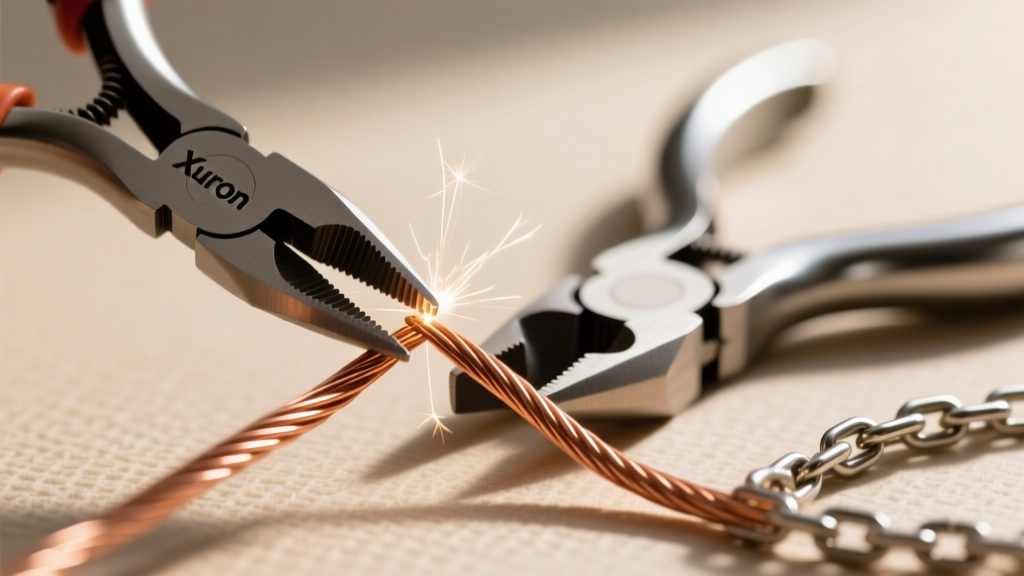
Standard wire cutters leave a sharp, pinched 'V' at the end of your cut wire, which can scratch the wearer and ruin the aesthetic of a clean wrap. Flush cutters feature a beveled blade on one side and a flat blade on the other, allowing you to make a perfectly flat cut. The Interweave Jewelry community frequently recommends the Xuron 410A Micro-Shear (around $22). When using flush cutters, always ensure the flat side of the blade faces the piece of jewelry you are keeping, and the beveled side faces the scrap wire you are cutting away.
Wire Wrapping Essentials: Gauges and Metals Explained
Wire is the backbone of countless jewelry designs. Understanding the American Wire Gauge (AWG) system and metal temper is crucial before you add any wire to your cart. The higher the gauge number, the thinner the wire. Furthermore, wire is sold in different 'tempers,' which dictate how stiff the metal is and how easily it work-hardens.
- Dead-Soft: Extremely pliable. Best for intricate weaving, coiling, and wrapping around cabochon stones. It work-hardens quickly as you manipulate it.
- Half-Hard: The most versatile temper. It holds its shape well but can still be bent with pliers. Ideal for structural elements, ear wires, and jump rings.
- Full-Hard: Very stiff and brittle. Rarely used by beginners except for specific structural clasps or pin stems.
Wire Gauge Reference Chart for Beginners
| Gauge (AWG) | Diameter (mm) | Best Use Cases | Recommended Temper |
|---|---|---|---|
| 16 Gauge | 1.29 mm | Heavy clasps, thick bangles, structural frames | Half-Hard |
| 18 Gauge | 1.02 mm | Ear wires, jump rings, sturdy wire-wrapped pendants | Half-Hard |
| 20 Gauge | 0.81 mm | Standard ear wires, head pins, general wire wrapping | Half-Hard or Dead-Soft |
| 22 Gauge | 0.64 mm | Thinner wire wrapping, linking beads, small loops | Dead-Soft |
| 24 Gauge | 0.51 mm | Coiling, weaving, securing cabochons in bezels | Dead-Soft |
| 26-28 Gauge | 0.40-0.32 mm | Fine detail weaving, micro-macrame integration | Dead-Soft |
For practice, purchase bare, uncoated copper wire in 18, 20, and 24-gauge spools. Copper mimics the behavior of precious metals but costs a fraction of the price (usually $8 to $12 per 4-ounce spool). Once you master your techniques, upgrade to Argentium Sterling Silver. Unlike traditional sterling, Argentium contains germanium, making it highly resistant to tarnish and much easier to fuse without solder.
Findings and Clasps: The Hardware That Holds It Together
Findings are the mechanical components of jewelry—the clasps, ear wires, and jump rings that connect your artistic elements into a wearable garment. Skimping on findings is a common beginner mistake that leads to broken necklaces and lost pendants.
Jump Rings: Saw-Cut vs. Machine-Cut
This is a vital distinction that many cheap suppliers ignore. Machine-cut jump rings are sliced with a blade, leaving a beveled, angled edge on the cut. When you try to close a machine-cut ring, the bevels overlap, creating a weak point that can easily pull apart or snag on delicate fabrics. Saw-cut jump rings, on the other hand, are sliced with a microscopic saw blade, removing a tiny kerf of metal. This results in two perfectly flat, flush surfaces that meet seamlessly when closed. For chainmaille, secure charm attachments, and high-end finishes, always source saw-cut rings from reputable suppliers like Rio Grande.
Clasps and Ear Wires
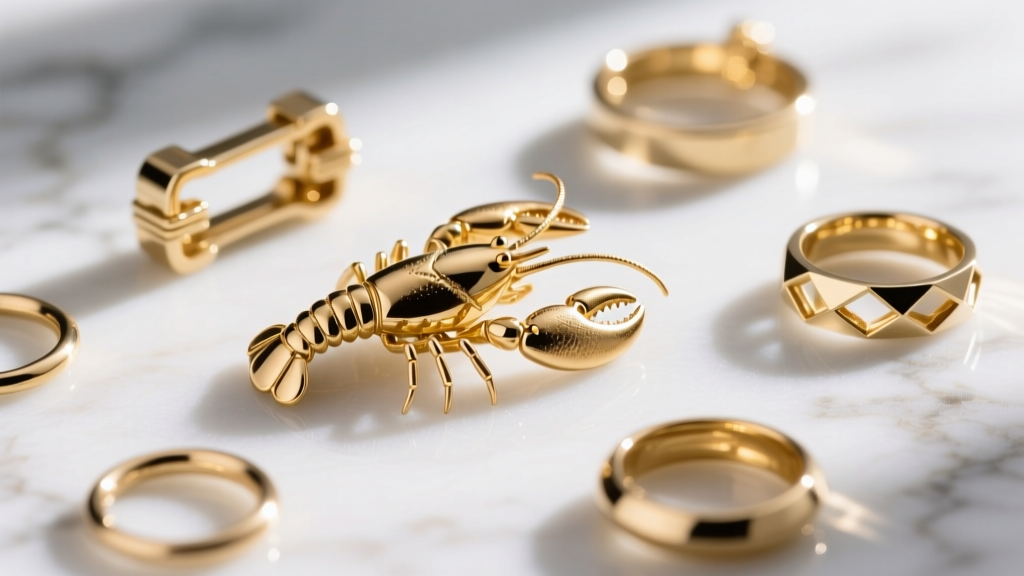
Avoid cheap alloy spring-ring clasps; the internal springs fail rapidly, and the base metal often causes skin irritation. Invest in solid brass or sterling silver lobster clasps, which offer a secure, satisfying snap and a much longer lifespan. For ear wires, always ensure the metal is hypoallergenic. Niobium and titanium are excellent, budget-friendly alternatives to gold and silver for sensitive ears, typically costing around $10 for a pack of 50 pairs.
Stringing Materials: Beyond the Basic Tiger Tail
If your design involves stringing heavy gemstone or glass beads, the cord you choose dictates the longevity of the piece. Standard 'Tiger Tail' wire (a cheap PVC-coated steel cable) is notorious for kinking. Once kinked, the structural integrity of the steel core is compromised, and the necklace will eventually snap, scattering your beads across the floor.
Instead, invest in professional-grade beading wire like Soft Flex or Beadalon 49-strand. The '49-strand' designation means the steel core is made of 49 micro-wires braided together before being coated in nylon. This makes the wire incredibly supple, allowing it to drape like silk thread while retaining the tensile strength of steel. A 30-foot spool of 0.019-inch diameter 49-strand wire costs around $15 and will last a beginner through dozens of necklace projects.
To finish beaded wire, you will need crimp tubes and a crimping tool. Avoid round crimp beads, which are difficult to secure properly. Use 2mm sterling silver or gold-filled crimp tubes. When flattened and folded correctly with a specialized crimping plier, they create a permanent, cold-forged lock on the wire that will not slip.
Where to Source Quality Jewelry Making Products
Knowing where to shop is just as important as knowing what to buy. While general craft stores are convenient, their jewelry making products are often overpriced and underwhelming. Build relationships with specialized industry suppliers:
- Rio Grande: The gold standard for professional jewelers. They offer unparalleled quality in precious metals, saw-cut findings, and advanced tools. They also provide extensive educational resources and metalworking guides.
- Fire Mountain Gems: An excellent resource for bulk beads, stringing materials, and base-metal findings. Their tiered pricing model rewards you for buying in larger quantities, making it ideal for stocking up on essentials.
- Halstead Bead: A fantastic wholesale supplier for high-quality sterling silver and gold-filled findings, chains, and clasps. They require a business license for wholesale pricing, but their retail catalog is still superior to most craft stores.
- Wire-Sculpture: Run by master wire-wrapper Dale 'Cougar' Armstrong, this site offers specialized wire wrapping jigs, mandrels, and instructional DVDs that are invaluable for beginners looking to master complex weaves.
Final Checklist Before You Buy
Before you finalize your first major order of jewelry making products, run through this quick checklist to ensure your investment is protected:
- Check the Plier Jaws: Are the chain-nose and round-nose pliers completely smooth? If you see teeth, remove them from your cart.
- Verify the Wire Temper: Did you accidentally add full-hard wire instead of dead-soft for your weaving practice? Double-check the product description.
- Confirm the Jump Ring Cut: Does the supplier explicitly state 'saw-cut'? If it just says 'split ring' or 'machine cut', keep looking.
- Evaluate the Metal Purity: Ensure your ear wires and clasps are stamped .925 sterling, titanium, or niobium to prevent customer skin reactions.
By bypassing the deceptive allure of the mega-kit and strategically investing in high-quality, specialized tools and materials, you set a foundation for craftsmanship that will serve you for decades. The right jewelry making products do not just make the process easier; they elevate your work from a simple hobby to a professional art form.


