How Can I Make Jewelry at Home? A Beginner's Wire Wrapping Guide
Learn how can I make jewelry at home with this beginner-friendly wire wrapping guide. Discover essential tools, wire gauges, and step-by-step tips.

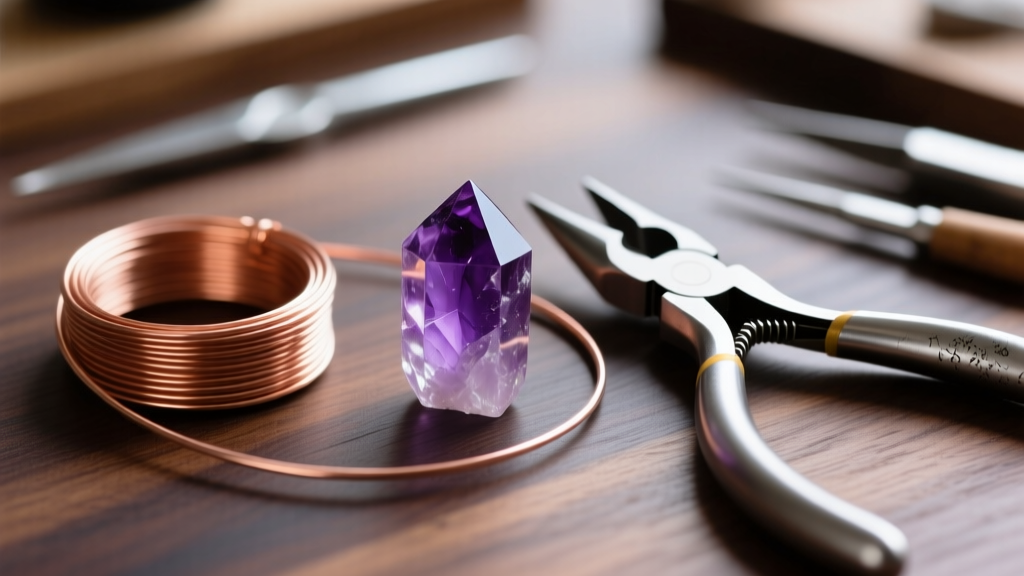
The Reality of Starting a Home Jewelry Studio
If you have been searching the internet wondering how can i make jewelry at home without investing thousands of dollars into soldering torches, flex shafts, and hazardous chemicals, wire wrapping is your ultimate entry point. Wire wrapping is an ancient jewelry-making technique that relies on the mechanical tension and structural weaving of metal wire to secure gemstones, bypassing the need for heat or adhesives. As a beginner, it offers immediate tactile feedback, requires minimal bench space, and allows you to create professional-grade, durable pendants and rings right at your kitchen table.
However, the difference between a messy, amateurish craft project and a bespoke piece of jewelry lies entirely in your understanding of metallurgy, tool ergonomics, and precise tension control. This guide strips away the fluff and provides a rigorous, actionable framework for your first wire-wrapped pendant.
The Essential Starter Toolkit (Under $60)
Do not buy cheap, multi-purpose craft store tool kits. The jaws on budget pliers are often misaligned and feature aggressive teeth that will permanently mar your metal. To execute clean wraps, you need precision instruments. Here is the exact loadout you need to begin:
- Round Nose Pliers: Used exclusively for creating loops and bails. Look for brands like Wubbers or Beadalon with smooth, untextured conical jaws.
- Chain Nose Pliers: The workhorse of your kit. Used for gripping, bending at sharp angles, and tucking wire ends. Ensure the inner jaws are completely flat and smooth.
- Flush Cutters: Crucial for clean cuts. High-quality cutters (like Tronex or Lindstrom) feature a beveled side and a flat side. Always cut with the flat side facing the workpiece to leave a flush, non-sharp edge.
- Nylon Jaw Pliers: A secret weapon for beginners. These feature soft nylon inserts that allow you to grip and straighten wire without leaving tool marks or scratching the metal.
- Cup Burr or Sanding Pad: Used to file the cut ends of your wire so they do not scratch the wearer's skin or snag on clothing.
Understanding Wire Gauges and Hardness
Wire is categorized by the American Wire Gauge (AWG) system and its metallurgical temper (hardness). Understanding this matrix is non-negotiable for structural integrity.
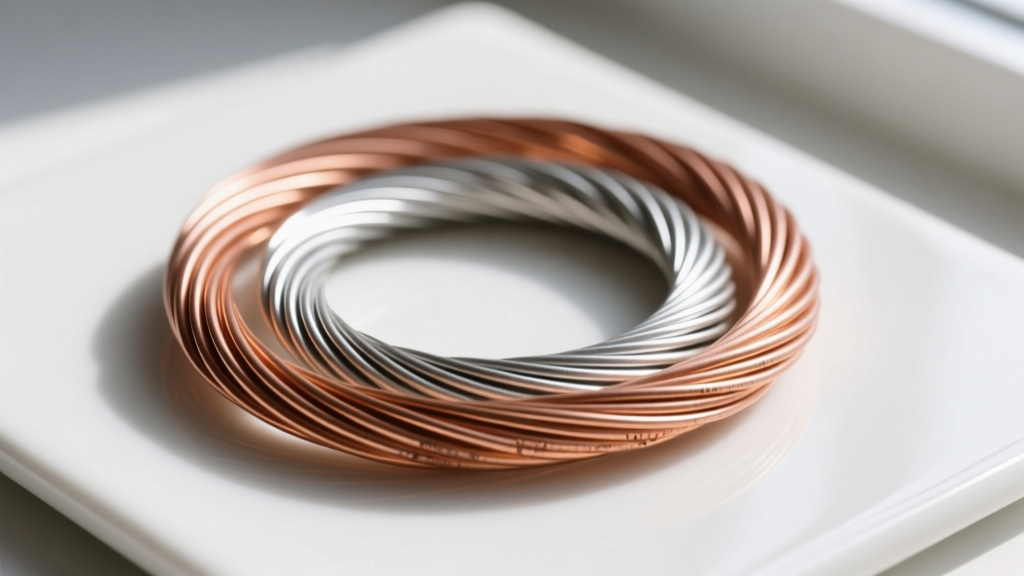
The Gauge Matrix
| AWG Size | Metric (mm) | Primary Use Case | Structural Role |
|---|---|---|---|
| 18-Gauge | 1.02mm | Heavy clasps, ring shanks | Load-bearing frameworks |
| 20-Gauge | 0.81mm | Core wraps, ear wires, bails | Versatile structural base |
| 24-Gauge | 0.51mm | Weaving, binding, securing | Tension wrapping and detail |
| 28-Gauge | 0.32mm | Micro-weaving, coiling | Delicate decorative accents |
Temper: Dead Soft vs. Half-Hard
Dead Soft: The wire has been annealed (heated and cooled) to relieve internal stresses. It bends like butter and is mandatory for weaving and wrapping around irregular gemstones. However, it lacks structural memory and will deform if used for ear wires or clasps.
Half-Hard: The wire has been slightly work-hardened. It offers a balance of malleability and spring-back, making it ideal for jump rings, ear wires, and structural frames that need to hold their shape under light tension.
Step-by-Step: The Classic Cabochon Cage Wrap
Let us apply this knowledge to a practical project: wrapping a standard 30x20mm raw quartz or agate cabochon. We will use 20-gauge dead soft copper for the frame and 24-gauge dead soft copper for the weaving.
Step 1: Prepare the Core Frame
Cut three 14-inch lengths of 20-gauge dead soft wire. Use your nylon jaw pliers to grip all three wires together and straighten them out completely. Tape the wires together at the center point using painter's tape to keep them aligned. This three-wire bundle will form the structural cage around your stone.
Step 2: Establish the Bail
Approximately 3 inches from the top of your bundled wires, use your round nose pliers to bend all three wires simultaneously over the largest barrel of the pliers, creating a U-shape. This will serve as the bail (the loop the chain passes through). Wrap the excess tail wires tightly around the base of the U-shape to secure it, then trim and tuck the ends using your chain nose pliers.
Step 3: Forming the Cage
Place your cabochon between the two descending sides of the wire frame. Gently bend the outer wires inward to hug the curves of the stone. The center wire will act as the 'spine' of the weave. Using your 24-gauge weaving wire, anchor it to the left outer wire and begin weaving over the center wire and around the right outer wire in a figure-eight pattern. Maintain strict, even tension—this is where beginners fail. Loose weaving results in a rattling stone; overly tight weaving will kink the 24-gauge wire.
Pro-Tip: Always unspool only 12 to 18 inches of weaving wire at a time. Longer lengths will inevitably tangle, kink, and work-harden as they drag across your workspace.
Sourcing Quality Materials on a Budget
When figuring out how can i make jewelry at home, knowing where to source materials separates hobbyists from serious artisans. Avoid buying 'mystery metal' wire from generic online marketplaces, as it often contains nickel or lead and tarnishes unpredictably.
For precious metals like .925 Sterling Silver and Argentium, Rio Grande is the industry standard. They provide exact metallurgical specs and reliable tempers. For base metals like pure copper, brass, and bronze, as well as affordable lapidary cabochons, Fire Mountain Gems offers bulk pricing that is highly forgiving for beginners making mistakes. Always ensure your copper is labeled '99.9% pure bare copper'—anything labeled 'craft wire' is often aluminum with a thin copper plating that will flake off when bent.
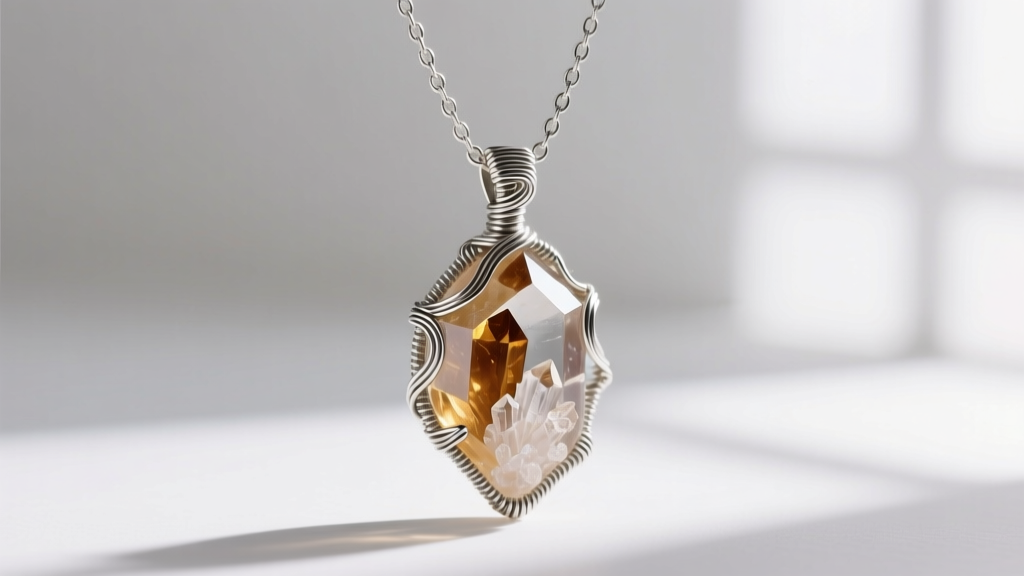
Troubleshooting Common Beginner Failure Modes
Even with the right tools, you will encounter mechanical issues. Here is how to diagnose and fix the most common beginner mistakes:
- Wire Kinking: This happens when you apply uneven pressure while bending. Fix: Stop immediately. Do not try to bend a kink back into place; it will snap. Cut the wire and start the segment over.
- Tool Marks and Marring: If your pliers are leaving dents in your silver. Fix: Dip the jaws of your pliers in a liquid tool dip (like Plasti Dip) or apply a single layer of masking tape to the inner jaws to create a sacrificial buffer.
- Work Hardening / Brittleness: As you manipulate dead soft wire, the crystalline structure of the metal compresses, making it stiff and brittle (work hardening). Fix: For copper and silver, you can reverse this by 'annealing'—heating the wire with a butane torch until it glows a dull cherry red, then quenching it in water. For beginners, it is often faster to simply cut a new piece of wire.
- Sharp Wire Ends: Leaving pigtails that scratch the skin. Fix: Always use the flat side of your flush cutters, press the wire end flat against the stone with a chain nose plier, and lightly run a cup burr or 600-grit sanding pad over the tip.
Next Steps for the Home Jeweler
Mastering the cage wrap unlocks the door to the entire wire weaving discipline. Once you can maintain consistent tension with 24-gauge wire and execute clean, tucked finishes with 20-gauge wire, you are ready to graduate to .925 sterling silver and complex, multi-layered weaves. The barrier to entry for making high-quality jewelry at home is not expensive equipment; it is patience, an understanding of metal behavior, and a commitment to precise technique.


