2026 Gift Guide: How to Make Resin Jewelry for Every Occasion
Learn how to make resin jewelry for every occasion. This 2026 gift guide matches epoxy types, inclusions, and molds to create personalized gifts.

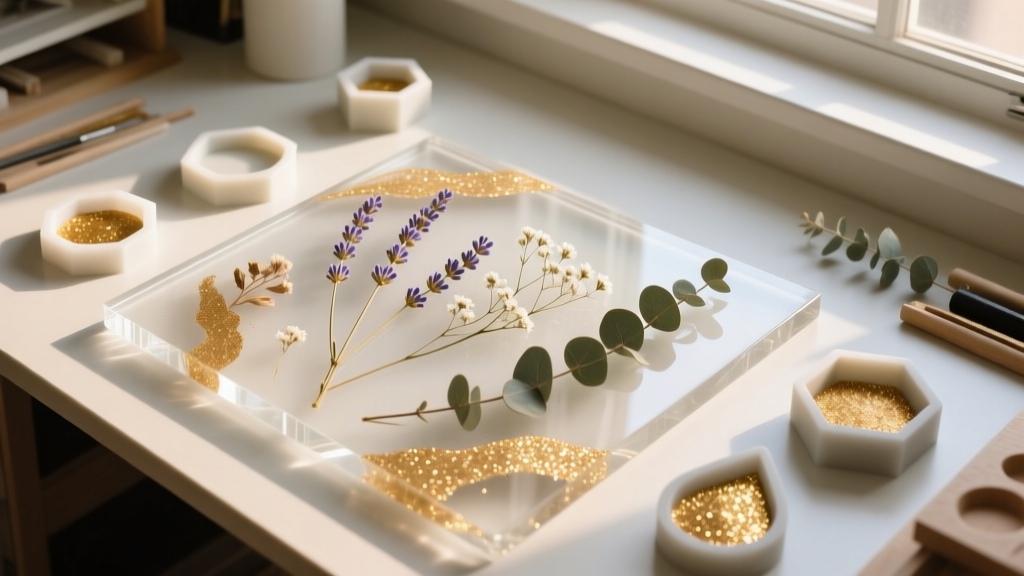
The Art of Gifting: Why Resin Jewelry Wins in 2026
When it comes to meaningful, personalized presents, learning how to make resin jewelry unlocks a world of bespoke gifting. Unlike mass-produced accessories, handcrafted resin pieces allow you to encapsulate memories, tailor color palettes to the recipient's exact preferences, and create wearable art that tells a story. As we navigate the 2026 gifting season, the demand for hyper-personalized, sustainable, and emotionally resonant gifts has never been higher. This guide breaks down exactly how to match specific resin techniques, inclusions, and hardware to life's most significant occasions.
Matching Resin Types to the Occasion
Before you begin pouring, you must select the correct chemical formulation. Not all resins behave the same way, and choosing the wrong type can lead to yellowing, incomplete curing, or trapped micro-bubbles. Here is a decision framework for selecting your base material:
| Resin Type | Mixing Ratio | Cure Time | Best Occasion / Use Case |
|---|---|---|---|
| Deep Pour Epoxy | 1:1 by volume | 24 - 72 hours | Weddings (thick botanical encapsulation) |
| UV Resin | No mixing required | 2 - 5 mins (under 36W UV lamp) | Quick birthday gifts, thin layer coating |
| Polyurethane Resin | 2:1 by weight | 15 - 30 minutes | Graduations (opaque, solid color pieces) |
For most high-clarity jewelry gifts, a high-quality, non-toxic epoxy like ArtResin remains the gold standard due to its UV-resistant properties and 1:1 ease of use. It is crucial to understand that all epoxy resins will eventually yellow when exposed to UV light. However, premium brands formulate their resins with HALS (Hindered Amine Light Stabilizers) and UV absorbers to delay this process by several years. Avoid bargain-bin resins from unverified online marketplaces for heirloom gifts, as they often lack these stabilizers and can yellow within months.
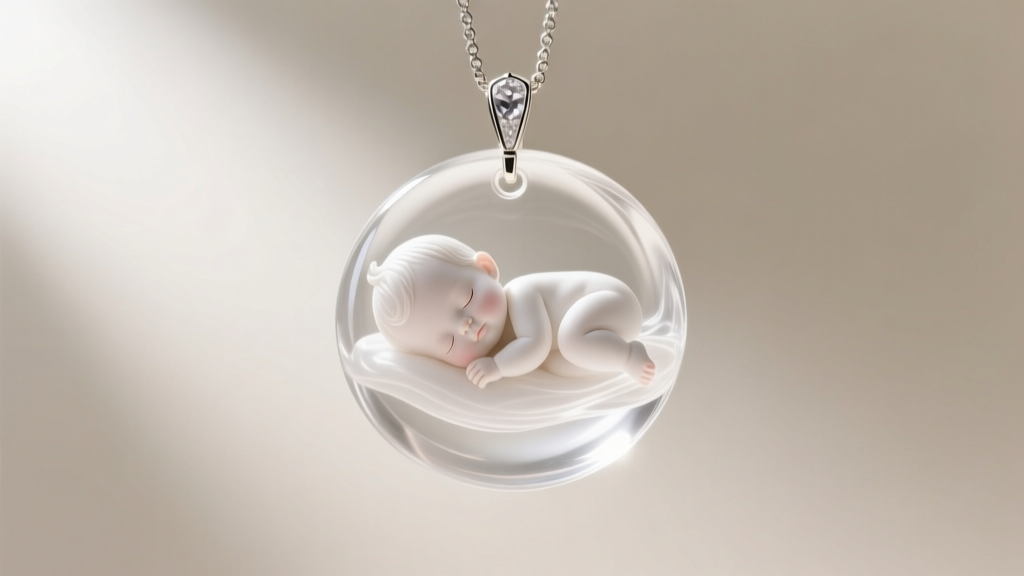
Occasion 1: Weddings & Anniversaries (Preserved Botanicals)
Floral preservation jewelry is a highly sought-after gift for bridesmaids, mothers of the bride, or anniversary celebrations. The goal is to freeze a fragile bloom in time without it turning brown or rotting inside the epoxy.
Sourcing and Prepping Florals
Never use fresh flowers directly in epoxy. The moisture content will react with the resin, creating a cloudy, milky halo around the petals and eventually causing the flower to decay. Instead, use silica gel desiccant to dry your botanicals. Submerge the flowers completely in a sealed container of silica gel for 3 to 5 days. Once dried, seal the petals with a light mist of clear acrylic spray to prevent the resin oils from altering their color.
Mold Selection and the Pressure Pot Method
For wedding pendants, use high-shore silicone molds (Shore A 30-40) to ensure a glass-like finish straight out of the mold, minimizing the need for heavy sanding. When pouring deep bezels or thick pendant molds, micro-bubbles are your biggest enemy. To achieve flawless, jewelry-grade clarity, professional makers use a pressure pot. By curing the resin under 40 PSI of continuous air pressure, you compress any trapped air bubbles to a microscopic size, rendering them invisible to the naked eye.
Occasion 2: Milestone Birthdays (Geode and Petri Dish Effects)
For milestone birthdays (30th, 40th, 50th), bold, abstract designs that mimic natural geodes or ocean depths make stunning statement pieces. This requires mastering the interaction between resin and alcohol inks.
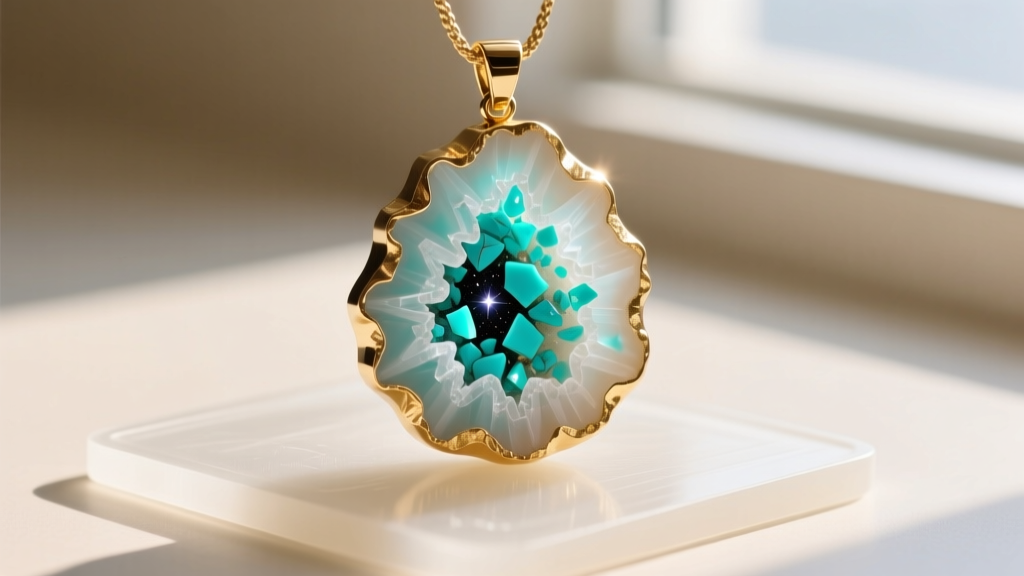
Mastering the Petri Dish Technique
The 'petri dish' effect relies on the difference in specific gravity between heavy alcohol inks and lighter epoxy resin. To execute this:
- Pour a base layer of crystal-clear epoxy into a shallow, round silicone mold.
- Drop 99% isopropyl alcohol-based inks (like Pinata or Tim Holtz) onto the surface. Avoid 70% rubbing alcohol, as the water content will ruin the cure.
- Drop a heavy metallic pigment (like gold or copper mica powder mixed with a few drops of resin) into the center. The metallic ink will sink through the colored inks, creating stunning, cellular lacing patterns that resemble agate geodes.
- Use a butane torch quickly passed over the surface to pop surface tension bubbles, but avoid lingering, as heat can cause the inks to muddy together.
Occasion 3: Graduations (Memorabilia Encapsulation)
Graduation gifts call for sentimentality. Encapsulating a snippet of a graduation tassel, a tiny folded note, or a piece of a college map creates a deeply personal keepsake. However, paper and fabric are highly porous.
Sealing Paper and Fabric Inclusions
If you pour raw epoxy directly onto paper, the resin will soak into the fibers, creating a permanent, translucent 'grease stain' effect that darkens the paper. To prevent this, you must seal the item first. Apply two coats of Mod Podge or a dedicated paper sealer, allowing 24 hours of drying time between coats. For fabric tassels, dip them in a thin layer of UV resin and cure them under a lamp before embedding them in your final epoxy pour. This creates a protective barrier that maintains the vibrancy of the original material.
Occasion-Specific Packaging and Presentation
A bespoke gift demands bespoke packaging. The unboxing experience is just as critical as the jewelry itself.
- Weddings: Present botanical pendants in custom velvet-lined mahogany boxes. Include a small, printed card detailing the exact flower species and the date it was preserved.
- Birthdays: For geode pieces, use magnetic closure boxes with satin inserts. Tie the box with a silk ribbon that matches the dominant color of the alcohol ink used in the petri dish pour.
- Graduations: Opt for eco-friendly kraft paper boxes with custom wax seals. Include a handwritten note explaining the significance of the encapsulated memorabilia.
Essential Tools, Safety Gear, and Finishing
Learning how to make resin jewelry safely and professionally requires more than just the liquid components. The right tools ensure a premium finish that looks store-bought rather than amateur.
Ventilation and Respiratory Protection
Even 'non-toxic' epoxies emit Volatile Organic Compounds (VOCs) during the exothermic curing phase. Always work in a well-ventilated room and wear a NIOSH-approved half-face respirator (such as the 3M 6200) equipped with Organic Vapor/P100 cartridges. Nitrile gloves and a silicone mat are also non-negotiable for protecting your skin and workspace.
Sanding, Polishing, and Hardware Assembly
If your piece requires edge cleanup or you are cutting a custom shape from a resin sheet, wet sanding is mandatory. Start at 400 grit and work your way up through 600, 800, 1200, 2000, and finally 3000 grit. Keep the surface wet to prevent friction heat, which can melt the resin and create cloudy scratches. Finish with a plastic polishing compound like Novus No. 2 on a microfiber cloth to restore optical clarity.
For hardware, avoid cheap base metals that will tarnish and ruin the gift. Opt for 18-gauge sterling silver or 14k gold-filled bails and jump rings. If you need to drill a hole for a bail, use a 1.5mm diamond core drill bit with a rotary tool, applying light pressure and a constant stream of water to keep the bit cool and prevent the resin from cracking.
Expert Maker Tip: When gifting resin jewelry, always include a small care card. Remind the recipient to store the piece away from prolonged, direct UV sunlight (like a car dashboard) and to avoid spraying perfumes or hairsprays directly onto the resin, as the alcohol and chemicals can degrade the high-gloss finish over time.
By matching the right resin chemistry to the emotional weight of the occasion, you elevate a simple craft into a profound gifting experience. For more advanced tutorials on bezel settings and wire-wrapping resin cabochons, explore the extensive guides at Resin Obsession.


