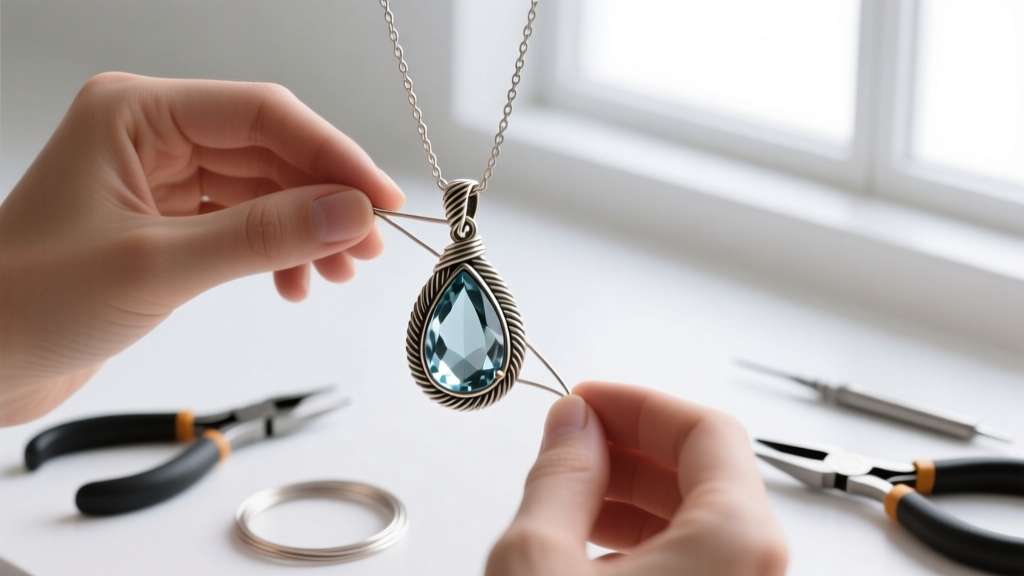
Make It Yourself Jewelry: 2026 Cost vs. Retail Value Breakdown
Is it cheaper to make it yourself jewelry in 2026? We break down material costs, tool investments, and retail markup to reveal the true DIY value.

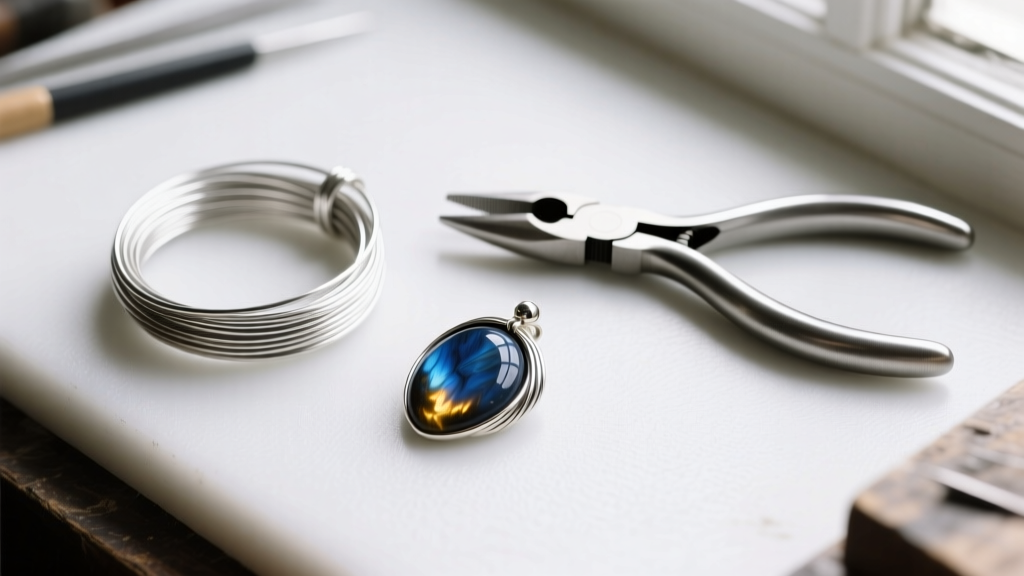
The True Economics of DIY Jewelry in 2026
The decision to buy retail or make it yourself jewelry depends heavily on how you calculate value. In 2026, with precious metal spot prices fluctuating and global shipping costs stabilizing post-pandemic, the economic landscape for independent jewelers and hobbyists has shifted dramatically. The traditional retail jewelry model relies on 'keystone pricing'—marking up wholesale costs by 100% to 300% to cover overhead, marketing, and storefront leases. When you choose to make it yourself jewelry, you bypass these retail multipliers, but you inherit the burden of material sourcing, tool acquisition, and labor.
Many beginners mistakenly compare the cost of a finished boutique pendant to the price of a single spool of craft store wire. This is a fundamental miscalculation. True value assessment requires analyzing wholesale metal markets, gemstone grading tiers, and the amortization of professional-grade tooling. In this comprehensive breakdown, we will dissect the actual costs of building a wire-wrapped sterling silver and gemstone pendant, comparing DIY expenses directly against 2026 retail market equivalents.
Material Sourcing: Wholesale vs. Hobby Store Pricing
The most common failure mode for novice makers is purchasing materials from big-box craft stores. These retailers apply their own keystone markups to base materials. For example, a 10-foot spool of 20-gauge dead soft .925 sterling silver wire might cost $18 at a local hobby shop. However, purchasing the same wire by the troy ounce from a dedicated precious metals supplier like Rio Grande drops the price to approximately $1.15 per gram, translating to roughly $0.35 per foot. Over a year of consistent production, this 400% hobby-store markup will entirely consume your profit margins.
Gemstone sourcing requires similar scrutiny. According to the GIA Gem Encyclopedia, labradorite is valued based on the intensity and color of its schiller (labradorescence). Craft stores typically stock opaque, low-grade stones with minimal flash. Sourcing AA or AAA grade stones from dedicated lapidaries yields dramatically superior results for only a marginal increase in per-unit cost.
| Material Component | Hobby Store Retail | Wholesale Supplier | Boutique Retail (Finished) |
|---|---|---|---|
| 20ga .925 Wire (per ft) | $1.80 | $0.35 | N/A (Part of $85 item) |
| 8mm Labradorite Bead (AAA) | $2.50 (Low Grade) | $0.85 (AAA Grade) | N/A (Part of $85 item) |
| Sterling Cable Chain (18in) | $14.00 | $4.20 | $35.00 (Standalone) |
Tooling Investments: Amortizing Your Upfront Costs
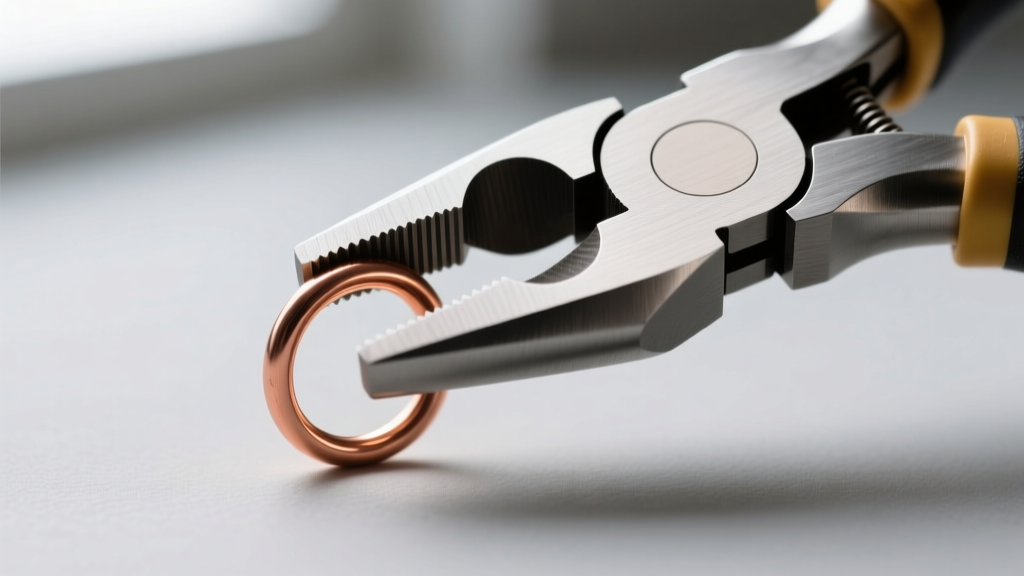
You cannot produce high-end, retail-quality jewelry with $15 Amazon tool sets. Cheap pliers feature misaligned jaws, rough casting seams, and soft steel that deforms under pressure. When wrapping 20-gauge half-hard wire, a misaligned jaw will mar the silver, leaving deep gouges that require hours of sanding to remove. Furthermore, cheap cutters leave sharp, pinched wire ends rather than clean, flush cuts.
Professional makers invest in high-carbon, heat-treated steel tools from brands like Swanstrom or Tronex. A pair of Swanstrom 5400 series flat-nose pliers costs approximately $68. While this is a steep upfront cost compared to a hobbyist alternative, the jaws are perfectly flush and polished to a mirror finish, ensuring zero marring on precious metals. They also feature dual leaf-springs for ergonomic tension, reducing hand fatigue during long production runs.
The 50-Piece Amortization Rule
To accurately price your make it yourself jewelry, you must amortize your tooling. If you invest $300 in a premium starter kit (flush cutters, chain-nose, round-nose, flat-nose, and a steel bench block), and you plan to produce 50 pieces in your first collection, your tooling cost per piece is $6.00. By your second collection, that cost drops to zero. Hobbyists who fail to amortize tools often underprice their work, effectively paying for the privilege of making it.
Case Study: Wire-Wrapped Labradorite Pendant
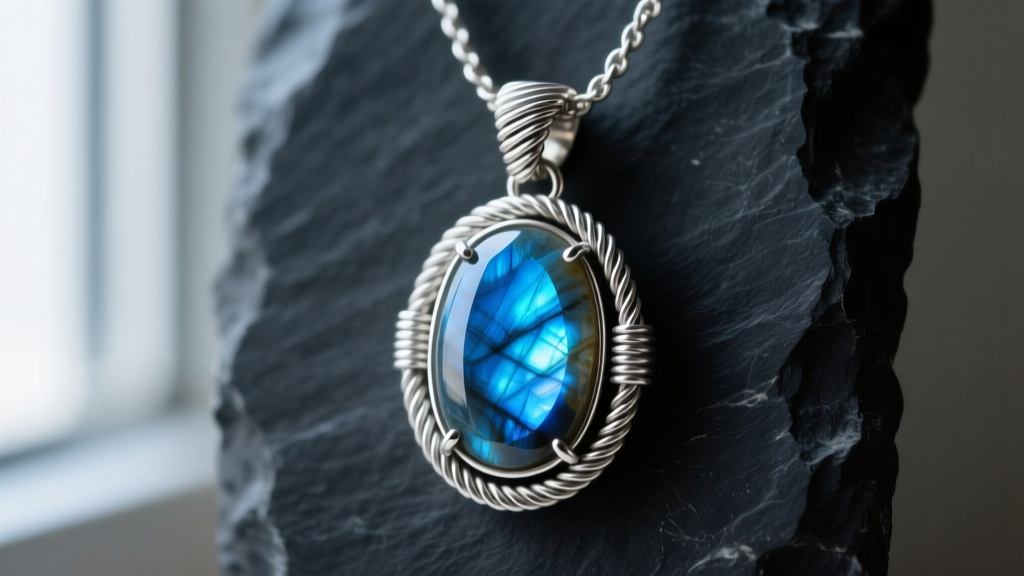
Let us apply these 2026 wholesale economics to a specific, real-world project: an AAA-grade wire-wrapped labradorite pendant on an 18-inch sterling chain. We will use 20-gauge dead soft wire for the structural frame and 24-gauge wire for the binding wraps.
- Center Stone (18x25mm AAA Labradorite): $6.50 (Sourced via Fire Mountain Gems or direct lapidary)
- 20ga Structural Wire (3 feet): $1.05
- 24ga Binding Wire (2 feet): $0.50
- Sterling Jump Ring & Chain: $4.50
- Consumables (Liver of Sulfur, Polishing Cloth): $0.45
- Amortized Tool Wear & Bench Space: $2.00
- Total Hard Cost: $15.00
A comparable artisan-made pendant in a boutique or on high-end craft platforms retails for $75 to $120. If you are making this piece for your own wardrobe, you have just saved between $60 and $105. If you are producing to sell, your gross margin is exceptionally healthy, provided your labor time is kept under 45 minutes per piece.
Hidden Costs and Failure Modes
Budget assessments often ignore the 'scrap rate' and metallurgical finishing costs. When you make it yourself jewelry, you are the quality control department. Labradorite has perfect cleavage in one direction, meaning it can split cleanly if subjected to uneven lateral pressure. If you grip the stone too tightly with steel pliers while pulling a 20-gauge wire taut, the stone will fracture. A 10% scrap rate on gemstones must be factored into your material budget.
Furthermore, raw sterling silver wire looks stark white and lacks the depth of commercial jewelry. Professional finishes require chemical patinas. Dipping the finished piece in a warm Liver of Sulfur (LOS) solution oxidizes the silver, turning the recessed wire wraps dark brown or black. You then use 3M Radial Bristle Discs or a polishing cloth to remove the oxidation from the high points, leaving the recesses dark. This creates a high-contrast, professional finish. The LOS, distilled water, and polishing media add roughly $0.50 to $1.00 per piece in consumable costs, but they elevate the perceived value of the piece by over 300%.
When to Buy vs. When to Build
Not all jewelry is cost-effective to produce at home. The value proposition of DIY shifts dramatically based on the manufacturing technique required.
Build It Yourself When:
- You are working with wire wrapping, cold connections, or basic beading.
- You want custom, one-of-a-kind gemstone settings that retail brands do not offer.
- You are producing small, personalized batches for gifts or local artisan markets.
Buy Retail When:
- The piece requires complex lost-wax casting or 3D metal printing.
- You need precision laser welding for permanent jewelry or delicate chain repairs.
- The design requires faceted gemstone setting with prongs or bezels, which demands expensive rolling mills, flex shafts, and burrs.
'The true value of making it yourself jewelry is not just in the dollar amount saved. It is in the acquisition of metallurgical knowledge and the ability to repair, resize, and modify your own collection indefinitely. A retail buyer is locked into a static product; a maker owns the lifecycle of the metal.'
Ultimately, assessing the budget for DIY jewelry requires looking past the initial price tag of a spool of wire. By leveraging wholesale suppliers, investing in ergonomic tooling, and mastering chemical patinas, your home bench can produce pieces that rival, and often exceed, the quality of mid-tier retail brands, all while maintaining a fraction of the cost.