2026 Permanent Jewelry Ideas: Mixed-Metal & Micro-Link Trends
Discover top 2026 permanent jewelry ideas featuring mixed-metal micro-links, charm welding techniques, and trending chain gauges for your DIY studio.
The Evolution of Permanent Jewelry in 2026
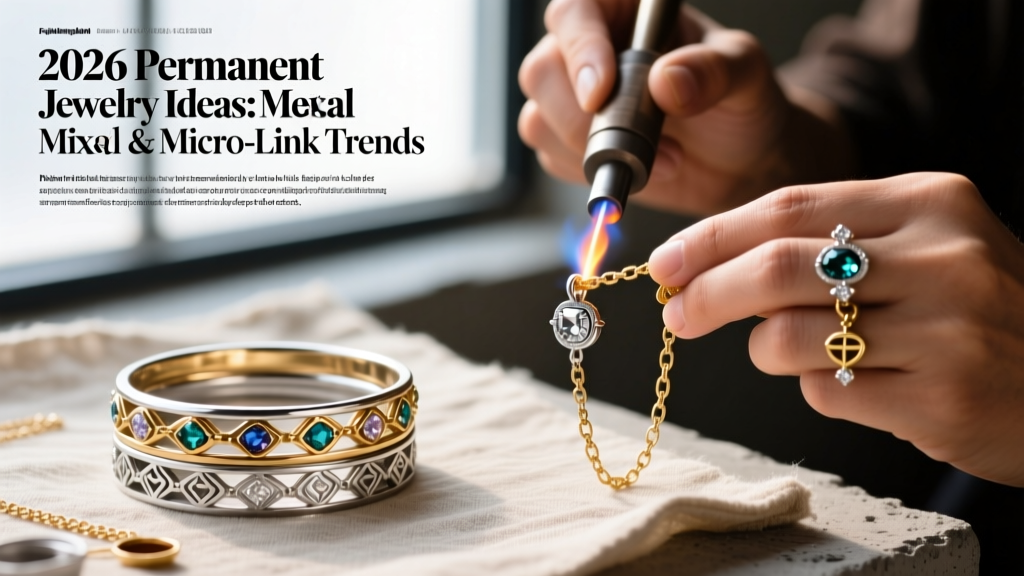
When permanent jewelry first surged in popularity, the market was dominated by a single aesthetic: delicate, uniform 14k yellow gold cable chains. While classic, the landscape of permanent jewelry ideas has matured significantly as we move through 2026. Today’s clients are no longer satisfied with a single, predictable strand. The current trend analysis points heavily toward mixed-metal layering, micro-link textural contrasts, and the seamless integration of personalized charms. For DIY jewelry makers and boutique studio owners, adapting to these shifting aesthetics requires not just an eye for design, but a deep technical understanding of metallurgy and pulse arc welding parameters.
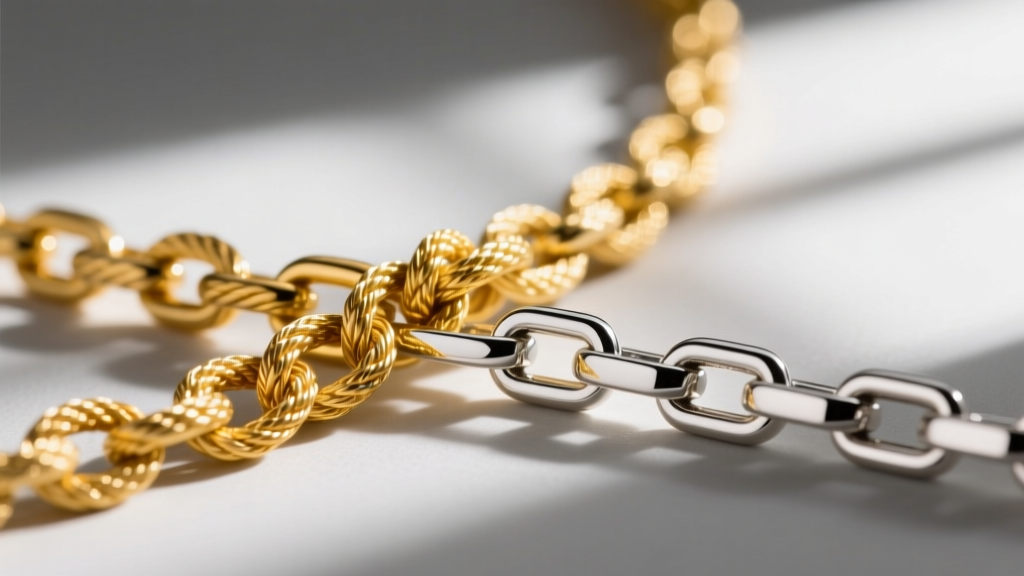
The shift toward eclectic, mixed-metal permanent jewelry is driven by the broader 'quiet luxury' movement evolving into 'curated maximalism.' Clients want pieces that look collected over time rather than bought as a set. By combining the warm tones of 14k gold fill with the cool, oxidized resistance of Argentium silver, makers can offer bespoke, high-contrast designs that stand out in a saturated market. According to manufacturing trend reports from Stuller, mixed-metal chain sales have outpaced single-metal chains by a significant margin this year, signaling a permanent shift in consumer preference.
Top Permanent Jewelry Ideas: Chain Profiles & Gauges
To execute modern permanent jewelry ideas successfully, you must move beyond standard 1.0mm cable chains. The 2026 trend favors chains that offer visual weight without compromising the delicate nature of a welded bracelet or anklet. Below is a technical breakdown of the most sought-after chain profiles, their ideal gauge sizes, and the specific pulse arc welder settings required to fuse them without melting the links.
| Chain Profile | Gauge / Width | Recommended Material | Weld Voltage (Pulse Arc) | Best Application |
|---|---|---|---|---|
| Micro Rope | 1.2mm | 14k Yellow Gold Fill | 35V - 40V | Base layer for mixed-metal stacks |
| Box Chain | 0.9mm | Argentium 925 Silver | 25V - 30V | High-contrast secondary layer |
| Figaro (Micro) | 1.5mm | Solid 14k Gold | 45V - 50V | Statement anklets, standalone bracelets |
| Satellite Bead | 1.1mm (with 2mm beads) | Gold Vermeil / Silver | 30V (Avoid beads) | Delicate, feminine wrist stacks |
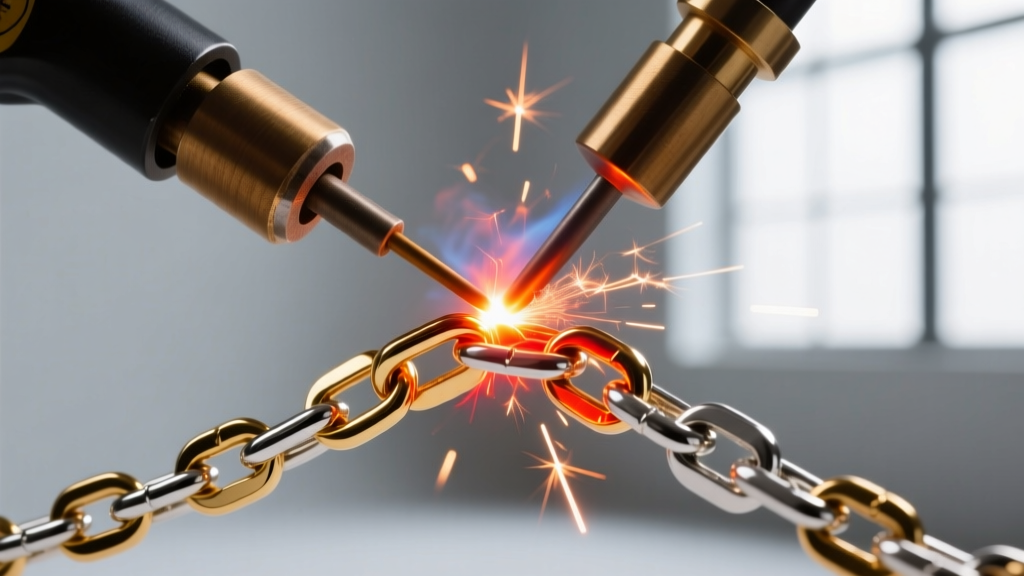
When mixing metals, the primary challenge is the difference in thermal conductivity and melting points. Sterling silver and Argentium silver conduct heat faster and melt at a lower temperature (approx. 1,640°F) compared to 14k gold alloys (approx. 1,500°F - 1,600°F depending on the exact karat and alloy mix). When welding a gold fill jump ring to close a mixed-metal chain, always test your voltage on a scrap piece of the exact same chain. A setting that perfectly fuses a gold-filled link might instantly vaporize a delicate silver box chain link.
Integrating Charms: Soldering vs. Micro-Welding
The most requested permanent jewelry ideas in 2026 involve custom charm integration. Clients want birth flowers, zodiac signs, and micro-pave diamonds permanently affixed to their welded chains. However, attaching charms to a chain that is already on a client's body introduces significant technical hurdles.
The Jump Ring Dilemma
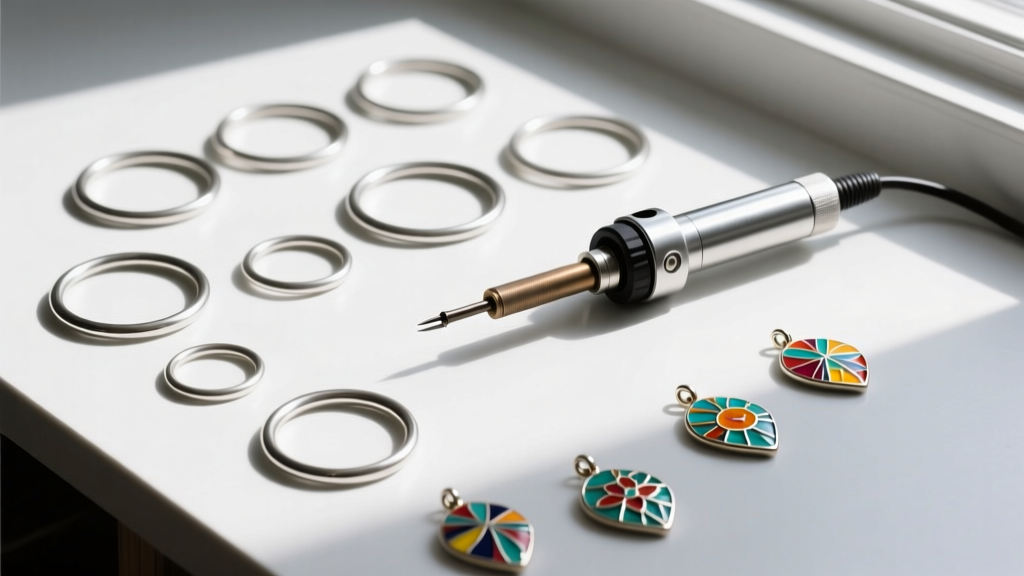
Traditional jewelry making relies on pliers to open and close jump rings. In permanent jewelry, a mechanically closed jump ring will eventually pull apart due to the constant friction and tension of daily wear. Therefore, all charm attachments must be welded. The industry standard for charm attachment is a 3mm outer diameter (OD) jump ring made from 20-gauge (0.8mm) wire.
- Preparation: Use flush cutters to ensure the jump ring has perfectly flat ends. Any gap larger than 0.1mm will result in a weak weld or a visible dark spot.
- Shielding: When welding a charm onto a chain already on a client, use a brass or copper shielding plate to protect the client's skin from UV flash and stray sparks.
- Pulse Duration: For small 20g jump rings, use a short pulse duration (around 3-5 milliseconds) to prevent the heat from traveling down the chain and damaging the adjacent links or the charm's enamel.
Failure Modes in Charm Attachment
One of the most common failure modes in DIY permanent jewelry is 'porosity' in the weld joint. This occurs when the metal oxidizes during the welding process, creating a brittle, sponge-like connection that snaps under pressure. To prevent this, professional studios use an argon gas shield attached to their pulse arc welder. According to technical guides from Rio Grande, flowing argon gas over the weld zone displaces oxygen, resulting in a clean, bright, and structurally sound fuse that requires minimal polishing.
Material Sourcing: Why Argentium Silver is Winning
If you are incorporating silver into your permanent jewelry ideas, standard 925 sterling silver is no longer the optimal choice. Standard sterling contains 7.5% copper, which reacts with sulfur and moisture in the air (and on the skin) to create tarnish. Because a client cannot easily remove a permanent bracelet to polish it with a jeweler's cloth, tarnished silver quickly looks neglected and cheap.
"Upgrading to Argentium silver is the single best material decision a permanent jewelry studio can make. The addition of germanium makes it highly tarnish-resistant and eliminates firescale during the welding process, saving hours of finishing work."
Argentium 925 and 960 grades replace some of the copper with germanium. This not only drastically slows down tarnishing but also allows the metal to be fusion-welded without the need for traditional solder. When sourcing, ensure you are buying from reputable refiners who provide certification of the germanium content, as counterfeit 'tarnish-resistant' alloys flood the wholesale market.
Pricing Framework for Mixed-Metal Permanent Pieces
As designs become more complex, your pricing model must reflect both the cost of goods sold (COGS) and the increased chair time required for intricate welding. Here is a realistic 2026 pricing framework for a standard 7-inch mixed-metal bracelet with one welded charm:
- Materials (14k Gold Fill Rope & Argentium Box): $14.00 - $18.00
- Findings (Jump rings, clasp, charm): $8.00 - $15.00
- Consumables (Argon gas, welding electrodes, polishing pads): $3.00
- Total COGS: $25.00 - $36.00
- Retail Price (Standard Market Rate): $95.00 - $140.00
Notice that the retail price maintains a healthy 3x to 4x markup on materials. This margin is essential because it accounts for the specialized skill of micro-welding, the overhead of the argon gas setup, and the liability insurance required when operating welding equipment near clients. Never compete on price by undercutting your chair time; compete on the uniqueness of your mixed-metal chain curation and the flawless execution of your welds.
Final Thoughts on 2026 Trends
The era of the basic gold chain is over. The most successful permanent jewelry studios in 2026 are those that treat their offerings as curated, mixed-metal art pieces. By mastering the technical nuances of pulse arc welding across different alloys, upgrading to Argentium silver, and offering bespoke charm integrations, you can elevate your DIY jewelry making business from a fleeting trend to a sustainable, high-margin craft. Keep experimenting with micro-link textures, and always prioritize the structural integrity of your welds above all else.


