Sourcing Authentic Materials for Handmade African Jewelry: A DIY Buying Guide
Discover how to source authentic beads, metals, and findings for handmade African jewelry. A 2026 DIY buying guide on ethics, gauges, and fakes.

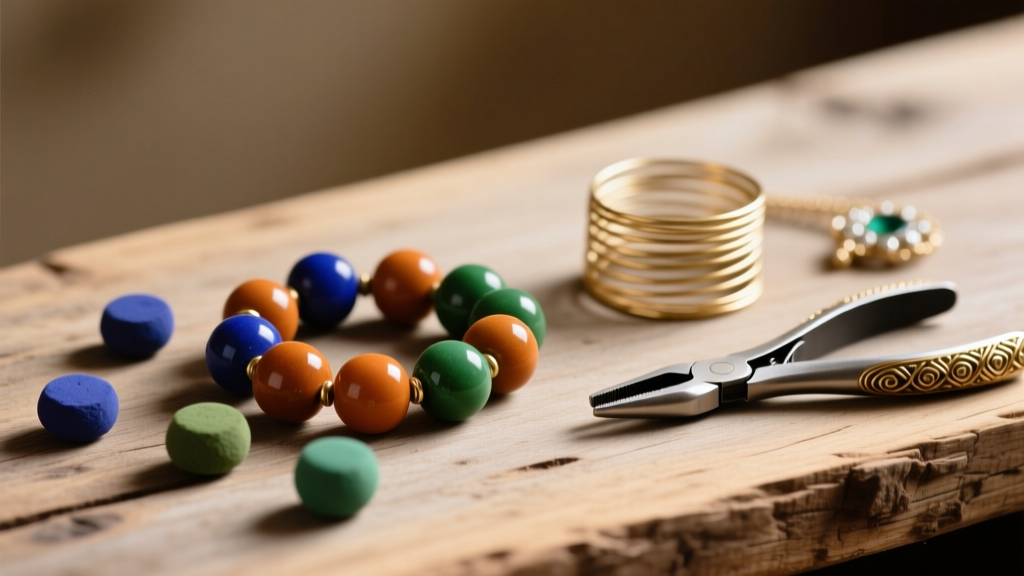
The Rise of Authentic African Components in DIY Jewelry
As the DIY jewelry community moves into 2026, there is a massive shift away from mass-produced, generic components toward culturally rich, artisan-crafted materials. For makers looking to incorporate global aesthetics into their work, sourcing materials for handmade African jewelry offers a masterclass in texture, history, and bold color palettes. However, the global supply chain is flooded with counterfeit resin beads and factory-stamped metals masquerading as authentic tribal artifacts.
Creating genuine, respectful, and high-quality African-inspired jewelry requires a deep understanding of traditional materials. This buying guide will walk you through exactly what to look for when sourcing authentic Krobo glass, Tuareg metals, and Maasai wire, ensuring your DIY projects are built on a foundation of ethical sourcing and genuine craftsmanship.
Decoding Traditional Beads: What to Buy and What to Avoid
The cornerstone of many African jewelry designs is the bead. Historically used as currency, status symbols, and spiritual talismans, authentic African beads carry a weight and texture that modern plastic simply cannot replicate. When sourcing these for your DIY projects, you must know how to separate heritage crafts from modern knockoffs.
Krobo Powder Glass Beads (Ghana)
Originating from the Krobo Mountains in Ghana, these beads are created by crushing recycled glass into a fine powder, packing it into clay molds, and firing it in wood-burning kilns. The result is a bead with a distinct, slightly porous, matte finish and a heavy, dense feel.
- Authenticity Marker: Genuine Krobo beads will have slight imperfections, a matte or semi-matte texture, and a visible seam line from the clay mold. The holes are often irregular and range from 2mm to 4mm.
- The Fake Test: Counterfeits are usually painted resin or mass-produced tumbled glass. If the bead feels unusually light, has a glossy finish, or features perfectly uniform, laser-drilled holes, it is likely a factory-made imitation.
- 2026 Pricing: Expect to pay between $1.50 and $4.00 per authentic large Krobo bead, depending on the intricacy of the painted glass slurry designs.
Millefiori and Vintage Trade Beads
Millefiori (thousand flowers) beads feature intricate glass cane cross-sections. While many were originally manufactured in Venice and traded in Africa during the 19th and 20th centuries, they are now deeply embedded in African jewelry heritage. According to the GIA Gem Encyclopedia, identifying vintage glass requires looking for natural surface wear, slight asymmetry, and a distinct glass luster that modern acrylics lack. When stringing these, always use a flexible beading wire or thick leather cord, as the abrasive nature of vintage glass holes can fray standard silk thread over time.

Metals and Wire: Sourcing Tuareg Silver and Maasai Wire
Metalwork in African jewelry is highly regional, with distinct alloys and techniques that dictate how you must handle them at the workbench. Understanding the metallurgy of these components is critical for DIY makers to avoid damaging them during wire wrapping or soldering.
Tuareg Silver (Sahara Region)
The Tuareg people of the Sahara are renowned for their intricate, geometric silver crosses and pendants. However, 'Tuareg Silver' is rarely 925 sterling silver. It is traditionally an alloy of silver, copper, and brass, often containing between 60% and 80% silver. This alloy is chosen for its durability and the way it takes on a dark, oxidized patina that highlights the engraved geometric motifs.
- Maker Warning: Never attempt to solder or anneal Tuareg silver with a standard torch setup used for sterling. The high copper and brass content will cause the metal to melt or shatter under sudden high heat. Use cold connections, wire wrapping, or leather lacing instead.
Maasai Beading Wire (Kenya/Tanzania)
Traditional Maasai beadwork relies on incredibly durable, rigid wire to support the weight of dense, multi-layered collar necklaces. When replicating this structural integrity in your own DIY pieces, avoid soft dead-annealed wire. Instead, source 16-gauge or 14-gauge half-hard brass or oxidized copper wire, which mimics the stiffness required to hold heavy glass beads in a rigid, choker-style formation without buckling against the collarbone.
| Material | Origin | Authenticity Marker | Avg. Price (2026) | Best Wire Pairing |
|---|---|---|---|---|
| Krobo Powder Glass | Ghana | Matte finish, mold seams, 2-4mm holes | $1.50 - $4.00 / bead | 18g Half-Hard Copper |
| Tuareg Silver Alloy | Mali/Niger | Dark patina, no 925 stamp, heavy cast | $25.00 - $80.00 / piece | 20g Dead-Soft Brass |
| Vintage Trade Beads | West Africa | Asymmetry, surface wear, glass luster | $0.75 - $3.00 / bead | 1.5mm Leather Cord |
| Recycled Aluminum | Kenya | Lightweight, visible hammer marks | $5.00 - $15.00 / set | 16g Aluminum Wire |
Ethical Sourcing and Fair Trade Verification
When buying components for handmade African jewelry, the ethics of your supply chain are just as important as the aesthetic quality of the materials. The global craft market is unfortunately rife with middlemen who exploit local artisans, paying pennies for beads that are later marked up by 500% in Western craft stores.
To ensure your DIY practice supports the communities that originated these techniques, look for suppliers certified by organizations like the Fair Trade Federation. Ethical suppliers will provide transparency regarding the specific cooperatives they work with, often naming the village or artisan group in Ghana, Kenya, or Mali. While ethically sourced materials will cost 20% to 30% more upfront, the quality of the glass firing and metal casting is vastly superior, and you gain the powerful story of the maker to share with your future customers.
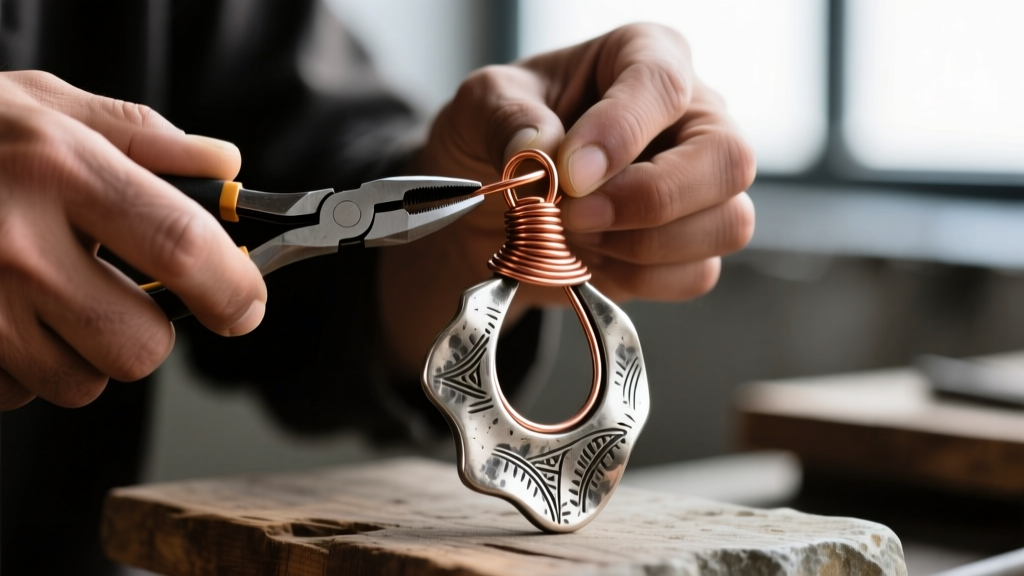
Essential Findings and Hardware for Heavy Beads
One of the most common mistakes DIY makers make when working with authentic African components is underestimating their weight. A single strand of large, authentic Krobo or Boda Boda beads can easily weigh over 200 grams. Standard 24-gauge wire and lightweight spring-ring clasps will snap under this tension.
Structural Upgrades for Your Workbench
- Clasps: Ditch the lobster claws. Use heavy-duty toggle clasps cast in brass or bronze. The mechanical lock of a toggle is far more secure for heavy, swinging pendant necklaces.
- Wire Wrapping: When creating bails for heavy Tuareg pendants, use a minimum of 18-gauge (1.02mm) half-hard wire. Create a double-wrapped loop to distribute the weight evenly and prevent the bail from pulling open.
- Crimps and Guards: If you are using beading cable (like 49-strand Soft Flex), use 3mm sterling silver or brass crimp tubes, and always finish with a wire guardian (French wire) to prevent the heavy beads from sawing through the cable at the clasp connection point.
Final Checklist for Your Next Sourcing Haul
Before you finalize your next wholesale or retail order for African jewelry supplies, run through this quick maker's checklist to ensure you are getting genuine, workbench-ready materials:
- Check the Hole Size: Have you verified the bead hole diameter? Authentic African beads often require 18g or 16g wire, or heavy leather.
- Verify the Alloy: If buying Tuareg or Berber metals, confirm the alloy composition to avoid melting them during accidental torch work.
- Demand Provenance: Can the supplier name the region, country, or specific artisan cooperative that produced the batch?
- Test the Weight: If buying in person, genuine glass and metal will feel surprisingly dense and cold to the touch compared to resin or plastic.
By prioritizing authenticity, ethical sourcing, and structural integrity, your handmade African jewelry designs will not only look spectacular but will also honor the rich, centuries-old crafting traditions that inspire them. Equip your workbench with the right heavy-duty findings, respect the metallurgy of traditional alloys, and let the bold, unapologetic beauty of authentic African materials elevate your DIY portfolio in 2026 and beyond.


