Permanent Jewelry Birmingham AL: DIY Welding Cost vs Studio 2026
Compare the true cost of DIY micro-welding kits versus booking a permanent jewelry session in Birmingham, AL. Discover 2026 pricing and value insights.

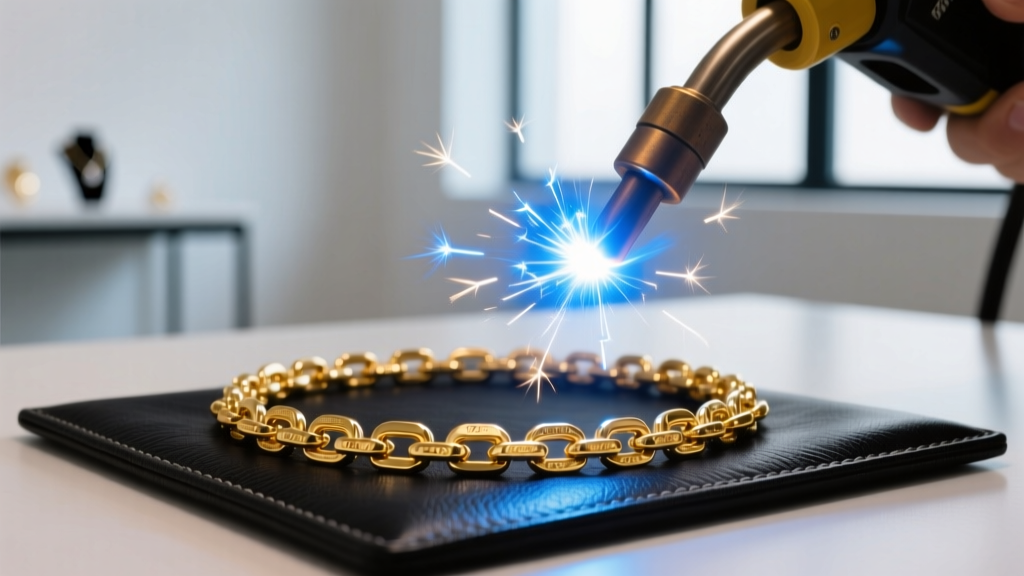
The Rise of Permanent Jewelry in the Magic City
Over the last few years, the demand for welded, clasp-free bracelets and necklaces has exploded across Alabama. If you have been researching permanent jewelry Birmingham AL options, you already know that local studios in neighborhoods like Avondale, Homewood, and the Pepper Place maker district are frequently booked out weeks in advance. The appeal is obvious: a seamless, custom-fitted piece of fine jewelry that feels like a second skin. But as studio prices creep upward in 2026, many jewelry enthusiasts and aspiring makers are asking a critical budget question: Is it more cost-effective to pay a local studio, or invest in a DIY micro-welder kit and do it yourself?
This guide provides a ruthless, data-driven value assessment of both routes. We will break down exact studio pricing, the hidden metallurgical costs of DIY welding, and the specific material grades required to survive Alabama's notorious summer humidity.
Studio Pricing: What Birmingham, AL Welders Charge in 2026
Booking a session at a dedicated permanent jewelry studio in Birmingham typically involves a two-part pricing structure: the welding fee and the chain cost. While pop-up events at local breweries might offer discounted flat rates, established brick-and-mortar studios price by the inch.
- Welding/Labor Fee: $20 to $35 per weld point.
- Solid 14k Gold Chain: $25 to $45 per inch (depending on the link style, such as cable, figaro, or rope).
- Sterling Silver Chain: $12 to $22 per inch.
- Charms & Connectors: $15 to $60 each.
For a standard 6.5-inch wrist using a mid-weight 14k solid gold cable chain and one small initial charm, expect to pay between $130 and $185 out the door. If you are booking for a bridal party of six, your total studio expenditure will easily exceed $1,000.
The DIY Route: Investing in a Micro-Welder Kit
To bypass studio labor fees, you need a capacitive discharge pulse arc welder. Unlike soldering with a butane torch, pulse arc welding uses a high-voltage electrical spark to fuse metal instantly without heating the surrounding links, making it safe to weld directly on a client's wrist (with proper grounding and safety protocols).
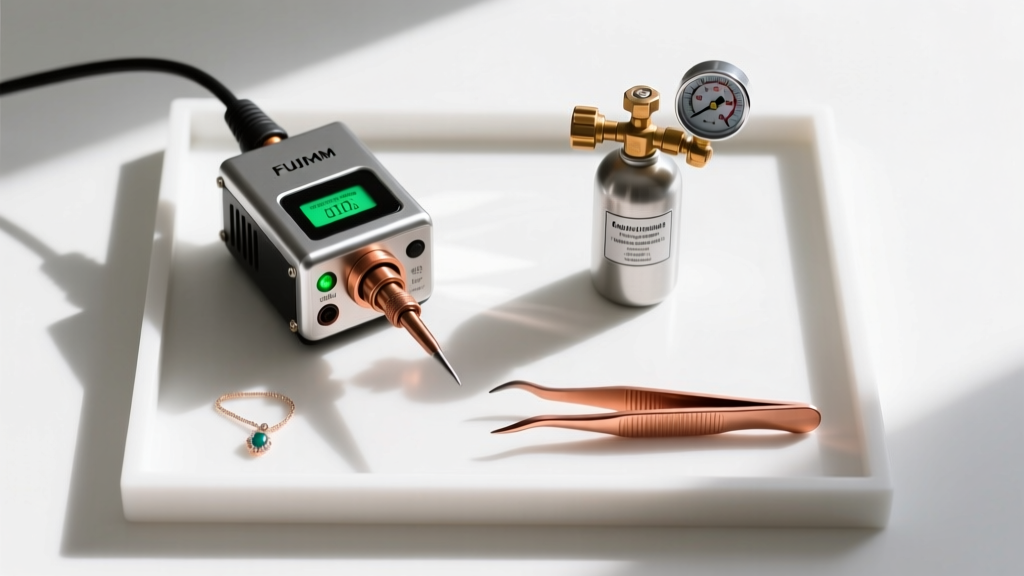
Entry-Level vs. Professional Equipment
The barrier to entry for DIY permanent jewelry has lowered significantly, but quality varies wildly. Generic 110V imported pulse arc welders found on Amazon or direct-from-manufacturer sites range from $400 to $850. These units are sufficient for hobbyists welding for friends and family. However, they often lack precise energy dialing, which can lead to pitting on delicate chains.
Professional-grade units, such as the Orion mPulse by Rio Grande, cost between $2,500 and $3,200. These offer digital precision down to the joule, integrated argon gas flow meters, and advanced waveforms that prevent oxidation on white gold and silver alloys.
| Expense Category | Birmingham Studio (15 Bracelets) | DIY Entry-Level Kit (15 Bracelets) |
|---|---|---|
| Equipment / Labor Fees | $450 (Welding fees only) | $650 (Generic 110V Welder) |
| Materials (14k Solid Gold) | $1,500 (Retail markup) | $850 (Wholesale sourcing) |
| Consumables (Argon, Jump Rings) | $0 (Included) | $120 |
| Total Estimated Cost | $1,950 | $1,620 |
| Cost Per Bracelet | $130 | $108 |
Metallurgy & Southern Humidity: Choosing the Right Chain
One of the most common failure modes for DIY beginners is attempting to weld the wrong metal. Birmingham's average summer relative humidity hovers around 75%, which aggressively accelerates oxidation in base metals. When sourcing chain from wholesale suppliers like Stuller, you must understand the metallurgical limits of pulse arc welding.
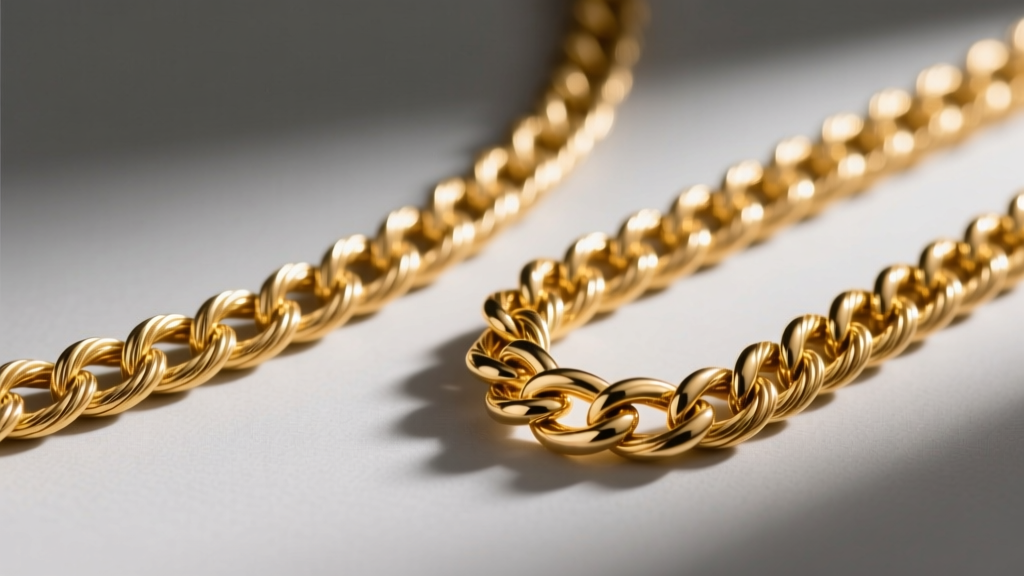
Why Gold-Filled Chain Fails at the Weld Point
Many beginners attempt to use 14k gold-filled chain to keep DIY costs low. According to Halstead's metallurgical guides, gold-filled wire consists of a brass core mechanically bonded to a thin outer layer of 14k gold. When the pulse arc welder fires, the intense localized heat melts the gold shell instantly, but the brass core oxidizes and creates a dark, brittle slag. The resulting weld joint is structurally compromised and will snap under minimal tension. Rule of thumb: Only pulse-arc weld solid 14k/18k gold, fine silver, or platinum.
Sterling Silver and the Tarnish Factor
Sterling silver (92.5% silver, 7.5% copper) welds beautifully, but the copper content makes it highly susceptible to tarnishing in Alabama's humid climate. If you DIY with sterling silver, you must use a high-quality anti-tarnish strip in your storage and advise the wearer to polish the chain regularly. For a truly permanent, zero-maintenance piece in the South, solid 14k yellow gold remains the undisputed champion.
The Hidden Costs of the DIY Route
Budgeting for the welder is only step one. To achieve professional, snag-free welds, you must invest in specialized consumables and safety gear:
- Argon Gas: $80 for an initial tank and regulator setup, plus $35 for refills. Argon shields the weld pool from oxygen, preventing dark oxidation marks on the gold.
- Flush-Cut Jump Rings: You cannot use standard split rings. You need 3mm or 4mm 22-gauge solid 14k gold jump rings that are saw-cut or perfectly flush-cut to ensure a seamless gap-less weld.
- Copper Tweezers: Standard steel tweezers will conduct the electrical arc and shock your fingers. Insulated copper or fiberglass-tipped tweezers ($25) are mandatory.
- Safety Glasses: The UV flash from a pulse arc welder can cause 'arc eye.' You need specialized shade 5 or higher welding goggles, not standard sunglasses.
Final Verdict: When to DIY and When to Book Local
So, what is the ultimate value assessment for 2026? If you only need one or two bracelets for yourself and a partner, the DIY route makes zero financial sense. The $600+ equipment investment and the steep learning curve of dialing in voltage (typically 15-25 watts for delicate 1.5mm chains) will cost you more in ruined jump rings and frustration than a single trip to a Homewood studio.
However, if you are planning a bridal party of six or more, want to start a mobile permanent jewelry side-hustle at local Birmingham farmers markets, or simply possess a deep passion for jewelry fabrication, buying an entry-level micro-welder pays for itself after approximately 12 to 15 welds. By sourcing solid 14k gold wholesale and mastering the argon-shielded pulse arc technique, you can achieve studio-quality permanence at a fraction of the retail cost.


