Permanent Jewelry Fort Worth: Care & Cleaning Guide
Discover expert care, cleaning, and DIY maintenance tips for your permanent jewelry in Fort Worth. Beat Texas hard water and keep your welds shining.

The Fort Worth Climate and Your Permanent Jewelry
When you invest in a custom-welded chain, you are making a commitment to wear your pieces through every aspect of your daily life. If you have recently explored the booming market for permanent jewelry Fort Worth locals are raving about, you already know that the DFW metroplex offers a unique set of environmental challenges for fine metals. From the sweltering, high-humidity days of late August to the mineral-rich tap water in Tarrant County, your welded bracelets, anklets, and necklaces are constantly exposed to elements that can dull their luster and stress their micro-welds.
As we move through 2026, pulse-arc welding technology has become more refined, allowing for incredibly delicate chains to be seamlessly joined. However, the longevity of your permanent jewelry relies heavily on your at-home care routine. Unlike traditional clasped jewelry, you cannot simply take a welded chain off to deep-clean it. This guide will walk you through the metallurgical realities of your jewelry, the chemistry of cleaning agents, and DIY maintenance techniques to keep your permanent pieces looking brand new.
Understanding Your Metals: 14k Solid Gold vs. Gold-Filled
Before applying any cleaning solution, you must identify the exact material of your chain. The two most common materials used by permanent jewelry artists are 14k solid gold and gold-filled wire. They require vastly different care protocols.
14k Solid Gold: The Welding Standard
14k solid gold is composed of 58.5% pure gold, alloyed with metals like silver, copper, and zinc. This specific alloy ratio is the gold standard for permanent jewelry because it provides the necessary tensile strength to withstand the extreme, localized heat of a pulse-arc welder without melting the surrounding links. According to the Gemological Institute of America (GIA), 14k gold is highly resistant to tarnish, but it is not immune to surface oils, lotions, and environmental grime. Because it is solid all the way through, you can safely polish and aggressively clean it without fear of wearing away a top layer.
Gold-Filled: The Mechanical Alternative
Gold-filled chains consist of a brass core that is mechanically bonded with a thick outer layer of karat gold (legally required to be at least 5% of the total weight). Because permanent jewelry requires a seamless loop, gold-filled chains cannot be pulse-arc welded; the electrical arc would vaporize the gold layer and oxidize the brass core, leaving a weak, blackened joint. Instead, artists use flush-cut jump rings and specialized pliers to close the loop. When cleaning gold-filled permanent jewelry, you must avoid harsh abrasives that could scratch through the gold layer and expose the brass underneath, leading to rapid oxidation and green skin discoloration.
The Hard Water Factor in Tarrant County
One of the most overlooked enemies of permanent jewelry in the DFW area is hard water. Fort Worth’s municipal water supply, sourced primarily from the Trinity River and Cedar Creek Reservoir, typically registers between 120 and 150 PPM (parts per million) on the hardness scale. This moderate-to-hard water contains dissolved calcium and magnesium. When you shower with your permanent bracelet, these minerals bind to the microscopic crevices of your chain links, creating a cloudy, white film that mimics tarnish but is actually mineral scale. Standard jewelry polishes will not remove this scale; it requires a mild acidic breakdown or specialized chelating agents.
DIY Cleaning Solutions for Welded Chains
To combat both body oils and Fort Worth hard water buildup, you need a cleaning routine that lifts grime without damaging the metal or any gemstone connectors (like bezel-set opals or turquoise) that your artist may have integrated into the design.
The Distilled Water & Dawn Method
The safest, most effective DIY cleaning solution for solid gold permanent jewelry utilizes distilled water. By using distilled water instead of tap water, you eliminate the risk of introducing new calcium deposits while trying to clean the old ones.
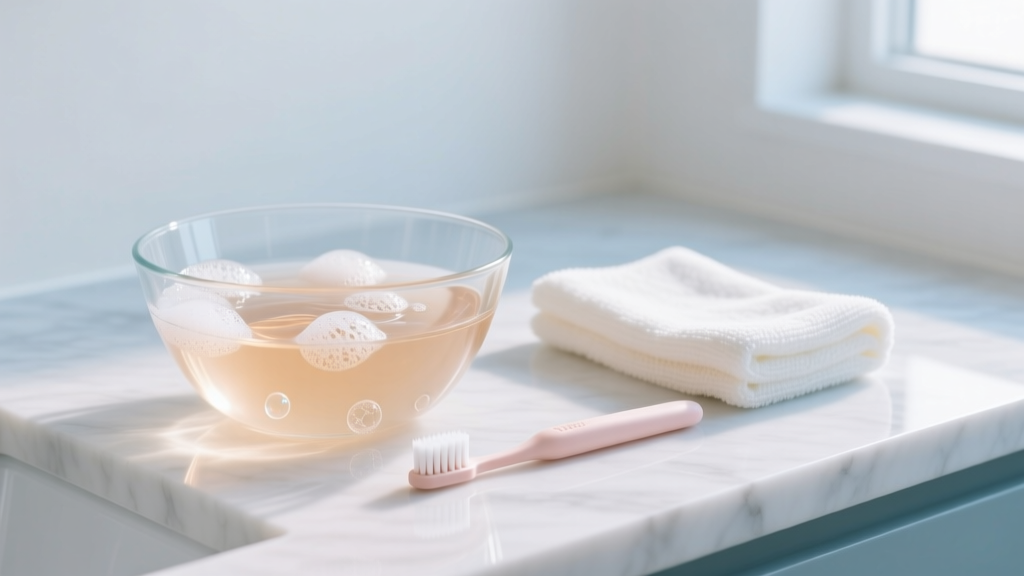
- Prepare the Bath: Mix one cup of distilled water with three drops of a mild, phosphate-free dish soap (original blue Dawn is the industry favorite among jewelers for its excellent grease-cutting surfactants).
- Soak: Submerge your wrist or ankle in the bowl for 5 to 10 minutes. This allows the surfactants to break down the sebum and lotion buildup trapped between the chain links.
- Agitate: Using an extra-soft baby toothbrush, gently brush along the length of the chain. Pay special attention to the area directly surrounding the micro-weld, as dead skin cells and soap scum tend to accumulate at this slightly thicker joint.
- Rinse and Dry: Rinse thoroughly with fresh distilled water, then pat dry with a lint-free microfiber cloth. Avoid air-drying, which can leave water spots.
Cleaning Agents: What to Use and What to Avoid
Not all jewelry cleaners are created equal. Using the wrong chemical compound can permanently ruin the finish of your chain or degrade the structural integrity of the weld. Below is a decision matrix for common household and commercial cleaning agents.
| Cleaning Agent | Safe for 14k Solid Gold? | Safe for Gold-Filled? | Notes & Warnings |
|---|---|---|---|
| Mild Dish Soap (Dawn) | ✅ Yes | ✅ Yes | Best for daily/weekly maintenance and removing body oils. |
| Baking Soda Paste | ❌ No | ❌ No | Highly abrasive. Will cause micro-scratches on gold, dulling the mirror finish. |
| Ultrasonic Cleaners | ⚠️ Caution | ❌ No | High-frequency vibrations can fracture porous gemstones or weaken a compromised micro-weld. |
| Commercial Silver Dips | ❌ No | ❌ No | Contains thiourea, a toxic chemical that strips gold alloys and causes severe pitting. |
| Rubbing Alcohol | ✅ Yes | ✅ Yes | Excellent for sanitizing the weld point, but does not remove mineral scale or oils. |
Maintenance: Checking the Micro-Weld
Permanent jewelry is welded using a pulse-arc welder. This machine releases a microscopic, high-heat arc of electricity that melts the metal at the joint, shielded by argon gas to prevent oxidation. When done correctly by a skilled artisan, the weld is as strong as the chain itself. However, as a DIY enthusiast and wearer, you should perform a monthly visual inspection of the weld point.
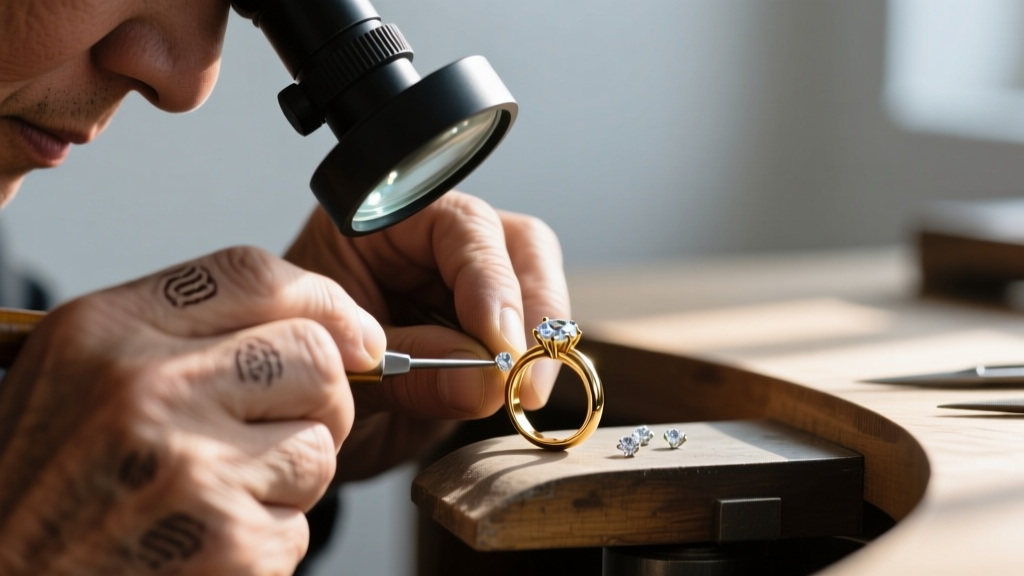
Use a jeweler's loupe or your smartphone's macro camera lens to examine the joint. You are looking for three things:
- Black Soot: A tiny black mark indicates that the argon gas flow was insufficient during welding, causing minor oxidation. While mostly cosmetic, it can be a weak point.
- Stress Fractures: If the chain was pulled or snagged, hairline cracks may form adjacent to the weld bead.
- Link Distortion: If the links immediately next to the weld are stretched into ovals, the chain is under tension and may snap soon.
DIY Polishing and Tangle Removal
Fine permanent chains (typically ranging from 0.8mm to 1.2mm in thickness) are notoriously prone to tangling, especially box chains and delicate cable chains. If your permanent bracelet becomes knotted, never pull at the ends. Pulling transfers kinetic energy directly to the micro-weld, which is the most rigid point on the chain and will snap under sheer force.
The Baby Oil Trick: Lay your arm on a flat, dark surface. Apply a single drop of baby oil or mineral oil directly to the knot. The oil reduces surface tension and friction between the metal links. Take a standard sewing needle and gently work the center of the knot loose, pushing the links outward rather than pulling them apart. Once untangled, wash the area with the Dawn and distilled water method to remove the oil residue.
For polishing, avoid motorized rotary tools. Instead, use a treated jeweler's rouge cloth (like a Sunshine cloth) and gently pinch the chain between the cloth, sliding it back and forth. This restores the high-polish shine without removing significant layers of gold.
When to Seek Professional Re-Welding in DFW
Despite your best care efforts, permanent jewelry can break. If you catch your bracelet on a steering wheel, a pet's collar, or heavy winter clothing, the chain will usually snap at the weld or the adjacent link.
Do not attempt to fix a broken permanent chain with a DIY butane torch or silver solder. The fine links of a 14k gold chain will absorb the heat rapidly and melt into an unusable ball of gold within seconds. Furthermore, silver solder requires flux, which will leave a visible, messy joint that is highly susceptible to tarnishing. If your piece breaks, carefully tape the two ends to your skin with medical tape to prevent losing them, and return to a professional permanent jewelry artist in the Fort Worth area. They will use a pulse-arc welder to fuse the links back together in seconds, often leaving the repair completely invisible.
Conclusion
Maintaining permanent jewelry requires a shift in how you think about daily wear and tear. By understanding the specific metallurgical properties of your chain, respecting the realities of Fort Worth's hard water, and utilizing gentle, chemistry-backed DIY cleaning methods, your welded jewelry will remain a seamless, shining staple of your personal style for years to come. Treat your micro-welds with care, keep your cleaning solutions mild, and enjoy the effortless beauty of your permanent pieces.