Maker's Pricing Guide: How Much Is Permanent Jewelry in 2026?
Learn how to price your work with our 2026 maker's guide. We break down how much is permanent jewelry to make, sell, and profit from per weld.

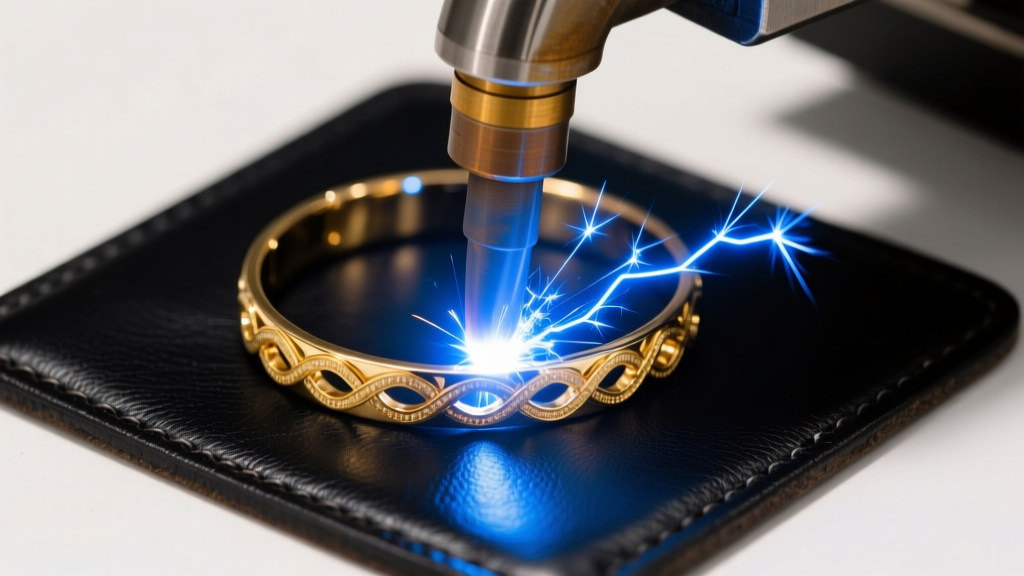
The Real Cost Behind the Sparkle: Breaking Down the Basics
If you are transitioning from a hobbyist beader or wire-wrapper into the lucrative world of welded chains, the most critical question you will face is both from customers and yourself: how much is permanent jewelry really worth? As we navigate the 2026 market, the permanent jewelry industry has matured. Consumers are more educated about metal grades, and makers must balance competitive pricing with sustainable profit margins. Setting the right price is not just about guessing what the market will bear; it is a precise mathematical formula involving precious metal spot prices, equipment depreciation, and specialized labor.
Many new welders make the fatal mistake of pricing their services based solely on the retail cost of the chain. This ignores the hidden costs of argon gas, electrode degradation, booth fees, and the intense focus required to execute a flawless micro-weld. In this comprehensive guide, we will deconstruct the exact pricing architecture used by top-tier permanent jewelry studios, ensuring your business remains profitable whether you are welding solid 14k gold or 14k gold-filled chains.
Step 1: Calculating Material Costs (Chain, Charms, and Gas)
The foundation of your pricing matrix starts with the raw materials. When sourcing chain, you will typically choose between solid 14k gold and 14k gold-filled (GF). The price differential between these two materials is massive, and your retail menu must reflect this clearly.
- Solid 14k Gold Chain: Priced by the gram or inch, solid gold chains (like a 1.2mm cable or 1.5mm paperclip) typically cost the maker between $5.00 and $12.00 per inch, depending on the daily spot price of gold. A standard 7-inch bracelet will cost you roughly $45 to $80 in raw chain alone.
- 14k Gold-Filled Chain: A high-quality 14k GF chain (minimum 1/20th gold weight) costs between $0.80 and $2.50 per inch. The same 7-inch bracelet will only cost you $6.00 to $15.00.
- Jump Rings and Connectors: Always use 20-gauge or 18-gauge jump rings with a 3mm or 4mm outer diameter (OD) for welding. Solid 14k jump rings cost about $0.80 each, while GF or sterling silver options cost pennies.
- Argon Gas: Pulse arc welding requires a continuous argon shield to prevent oxidation and ensure a clean, bright weld. At a standard flow rate of 1.5 to 2.0 Cubic Feet per Hour (CFH), a standard 80 cubic foot tank will cost roughly $150 to refill and yield hundreds of welds. Factor in about $0.25 to $0.50 per weld for gas and electricity.
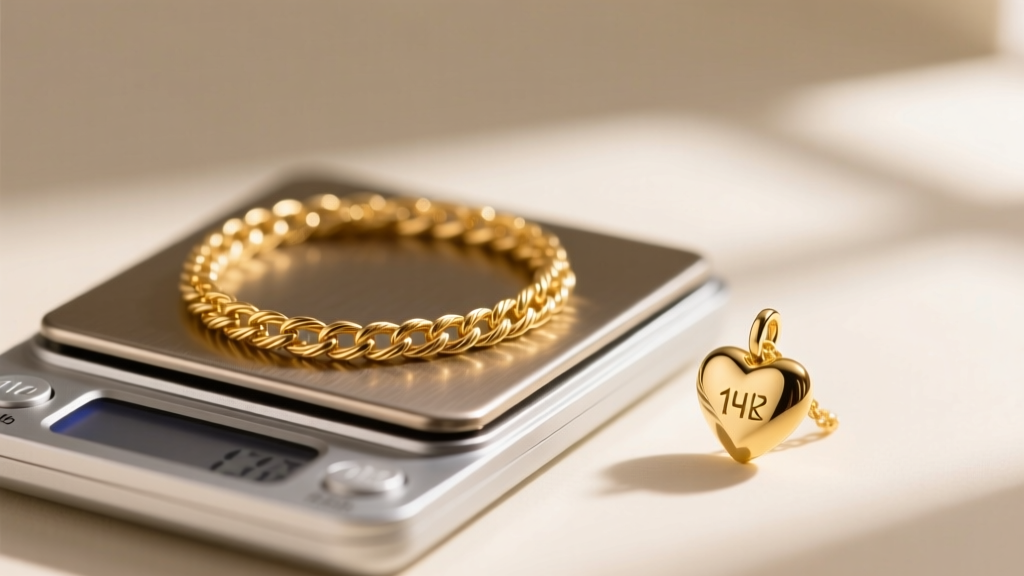
Step 2: Factoring in Labor, Overhead, and Equipment Wear
When calculating how much is permanent jewelry to produce, labor is your most valuable asset. A micro-weld on a delicate 1.2mm chain requires a steady hand, precise loupe work, and specialized pulse arc welder settings (typically 25-35 watts for fine gold, and 35-45 watts for thicker gold-filled links).
According to industry standards outlined by jewelry business experts at Halstead Bead, your labor rate should never be less than $20 to $30 per hour. Since a standard permanent bracelet appointment takes about 10 to 15 minutes from sizing to final weld, your base labor cost per piece should be calculated at a minimum of $5.00 to $7.50.
Pro Maker Tip: Never forget equipment depreciation. A professional jewelry welder like the models offered by Sunstone Welders or Orion represents a $1,500 to $3,000 upfront investment. You must allocate a small percentage of each weld (e.g., $1.00) to an equipment replacement fund to cover future repairs, tungsten electrode replacements, and eventual machine upgrades.
The Ultimate Pricing Matrix: How Much Is Permanent Jewelry?
To visualize the profit margins, let us look at a direct comparison for a standard 7-inch bracelet with one small soldered jump ring weld. This table assumes a standard 2.5x to 3x retail markup on materials, plus a flat welding fee.
| Cost Factor | Solid 14k Gold (7" Bracelet) | 14k Gold-Filled (7" Bracelet) |
|---|---|---|
| Chain Material Cost | $55.00 | $10.00 |
| Jump Ring / Hardware | $1.00 | $0.20 |
| Argon Gas & Electricity | $0.50 | $0.50 |
| Labor (15 mins @ $30/hr) | $7.50 | $7.50 |
| Total Base Cost | $64.00 | $18.20 |
| Suggested Retail Price | $165.00 - $195.00 | $55.00 - $75.00 |
As the matrix demonstrates, the profit margin on solid gold is significantly higher in raw dollars, making it highly lucrative for private events and bridal parties. However, gold-filled chains offer a lower barrier to entry for everyday walk-in customers and pop-up markets.
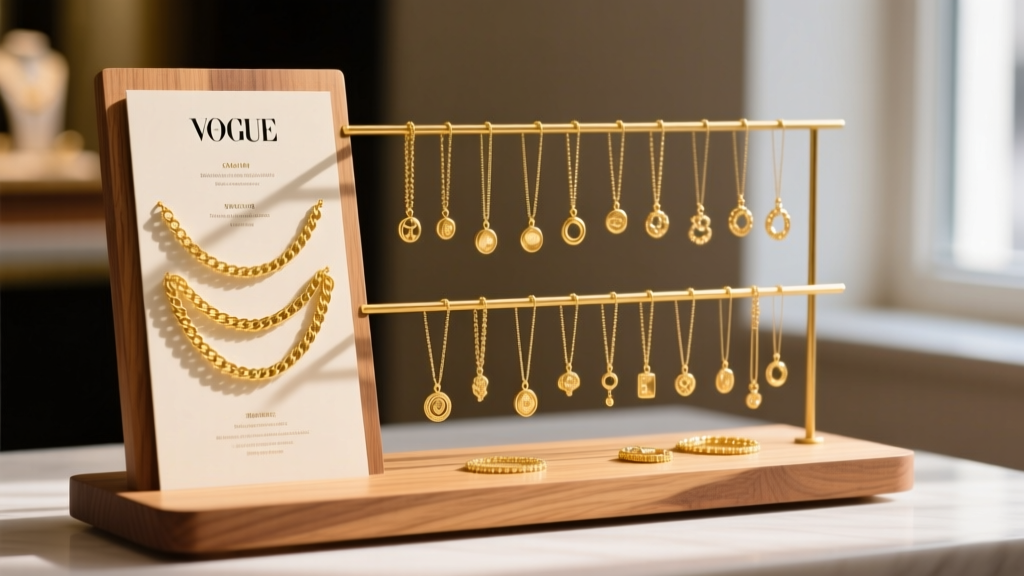
Step 3: Structuring Your Retail Menu and Upcharges
Answering the question of how much is permanent jewelry also requires a robust strategy for upcharges. Charms, birthstones, and custom connectors are where makers can push their profit margins well beyond the standard 3x multiplier.
Charm and Connector Fees
Do not simply add the wholesale cost of a charm to the final bill. Attaching a charm requires an additional weld, extra argon gas, and increases the risk of a misfire that could damage the charm. Structure your upcharges as follows:
- Standard Charms (GF or Sterling): Add $10 to $15 to the base weld price, regardless of the charm's low wholesale cost.
- Solid Gold Charms: Charge the exact gram weight cost plus a 2.5x markup, plus a $15 "complex weld" fee.
- Birthstone Connectors: Because bezel-set stones require careful heat management to avoid shattering the gemstone (especially opals or emeralds), charge a premium $20 to $30 connector fee to account for the specialized low-wattage, high-frequency pulse settings required.
Common Pricing Mistakes New Welders Make
Even with a solid formula, many DIY makers bleed money due to operational oversights. Avoid these critical pricing failures:
- Ignoring the "Sizing Tax": Cutting and re-welding a chain because you measured the client's wrist incorrectly costs you time and materials. Always measure twice, and include a 5% buffer in your chain cost calculations to account for sizing errors and scrap.
- Undercharging for Repairs: If a client returns to have a broken chain re-welded, charge a flat $15 to $20 repair fee. Your time and argon gas are not free, and offering endless free repairs will destroy your hourly wage.
- Failing to Charge for Removal: If a client wants their permanent jewelry cut off and re-welded later (e.g., for an MRI or surgery), charge for both the removal and the subsequent re-weld appointment.
Final Thoughts on Profitability
Ultimately, determining how much is permanent jewelry is about understanding your own worth as a skilled artisan. The market in 2026 rewards makers who provide a premium, safe, and hygienic experience. Invest in high-quality optical loupes, maintain a clean argon flow, and present your pricing with confidence. When you can clearly articulate the difference between a micro-welded solid gold link and a cheaply clasped alternative, your clients will gladly pay the premium your expertise commands.


