How to Start a Permanent Jewelry Business in 2026: Beginner Guide
Learn how to start a permanent jewelry business with our 2026 beginner guide. Covers welders, chain sourcing, pricing, and legal requirements.

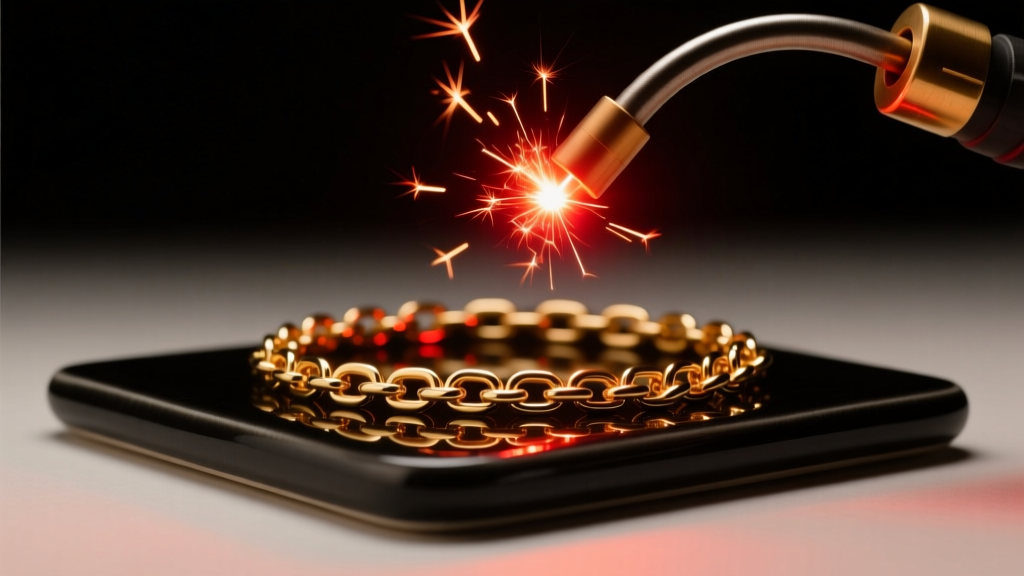
Permanent jewelry has evolved from a fleeting social media trend into a highly lucrative, mainstream business model. Unlike traditional jewelry, permanent pieces are custom-fitted and welded directly onto the client, creating a seamless, clasp-free experience. If you are wondering how to start a permanent jewelry business, you are looking at a venture with relatively low overhead, high profit margins, and immense creative potential. However, success in 2026 requires more than just a steady hand; it demands a deep understanding of metallurgy, precision welding equipment, and strategic pricing.
This beginner-friendly explainer will walk you through the exact steps to launch your permanent jewelry business, from selecting your first argon arc welder to sourcing high-quality chains and navigating legal liabilities.
The 2026 Market: Why Permanent Jewelry?
The appeal of permanent jewelry lies in its sentimentality and convenience. Clients love the idea of a bracelet or anklet that stays on through showers, workouts, and travel. In 2026, the market has matured. Consumers are more educated about metal grades, meaning they expect solid 14k gold or high-quality gold-filled options rather than cheap plated alternatives. As a business owner, your reputation will hinge on the durability of your welds and the quality of your materials.
Essential Equipment: Choosing Your Welder
The cornerstone of your business is the welder. You cannot use standard soldering torches for this process; you need a specialized argon arc welder designed for micro-welding precious metals. The argon gas shields the weld pool from oxygen, preventing firescale and ensuring a clean, strong bond without the need for messy flux or pickling.
| Welder Model | Target Audience | Price Range (2026) | Key Features |
|---|---|---|---|
| Orion mPulse | Beginners / Pop-ups | $2,500 - $3,200 | Compact, easy pulse settings, great for thin chains. |
| Sunstone Welders | Professionals / Studios | $4,500 - $7,000 | Advanced waveform control, superior precision, high volume. |
| Peppe / Generic | Budget Starters | $800 - $1,500 | Basic functionality, steeper learning curve, less consistent. |
According to Sunstone Welders, an industry leader in micro-welding technology, controlling the pulse energy (measured in joules) is critical. For a standard 1.2mm 14k gold chain, a pulse setting between 20 and 25 joules is typically ideal. Too high, and you will melt the chain link; too low, and the weld will be brittle and snap under tension.
Ancillary Tools You Will Need
- Argon Gas Cylinder: You must use jeweler-grade argon (99.995% purity). A standard 20 cubic foot tank will last for hundreds of welds.
- Ceramic Welding Pad: Protects the client's skin and provides a non-conductive, heat-resistant surface.
- Flush Cutters: Brands like Lindstrom or Tronex are essential for cutting chains cleanly without pinching the metal.
- Titanium or Copper Tweezers: Used to hold the jump ring. These materials do not conduct electricity or heat the same way steel does, protecting your fingers from the arc.
- Auto-Darkening Welding Glasses: Protects your eyes from the intense UV flash generated by the arc.
Sourcing Materials: Chains, Charms, and Gauges
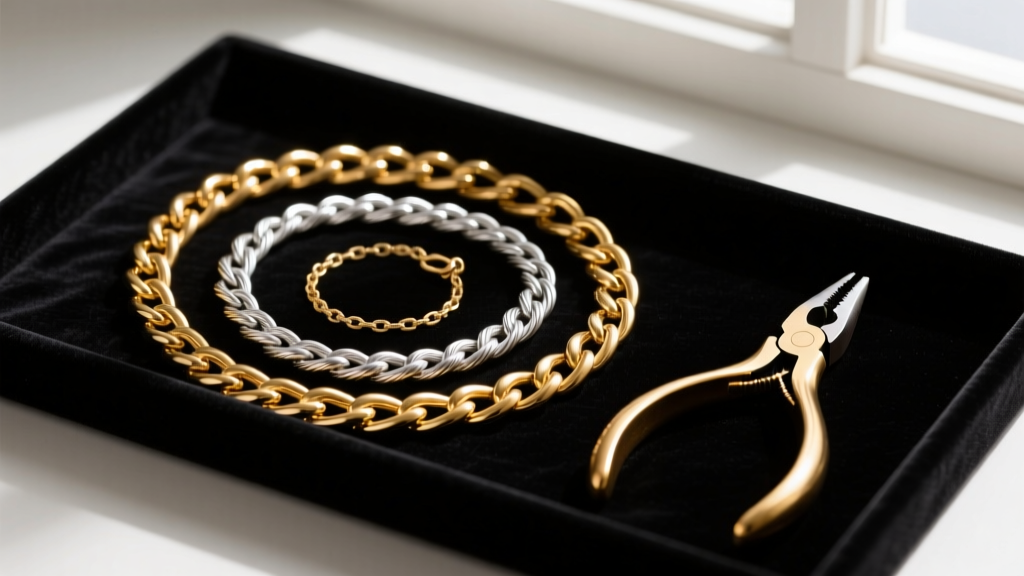
When learning how to start a permanent jewelry business, material sourcing is where you make or break your profit margins. You need to buy chain by the spool or foot from reputable wholesale suppliers like Rio Grande or Halstead. Avoid retail craft stores, as their markup will destroy your profitability.
Understanding Metal Grades
Solid 14k Gold: The gold standard for permanent jewelry. It is hypoallergenic, will not tarnish, and can be worn in water indefinitely. It commands the highest retail price.
14k Gold-Filled (1/20 14k GF):strong> A thick layer of 14k gold mechanically bonded to a brass core. It is highly durable and an excellent mid-tier option for clients who want the look of gold without the solid gold price tag.
Sterling Silver (.925): A great budget-friendly option, though it requires more maintenance as it can tarnish over time when exposed to sulfur and moisture.
Chain Styles and Gauges
The thickness of your chain, measured in millimeters or gauge, dictates both the aesthetic and the welding difficulty. A 1.2mm to 1.5mm cable or curb chain is the sweet spot for bracelets. It is delicate enough to look elegant but thick enough to withstand daily wear and tear. Figaro and paperclip chains are also highly popular, but their varied link sizes can make finding the perfect welding contact point slightly more challenging for beginners.
Step-by-Step Welding Process for Beginners
Mastering the physical act of welding takes practice. Before working on a paying client, spend hours welding scrap chain onto a mannequin arm or a piece of leather. Here is the standard workflow:
- Measure and Cut: Wrap the chain around the client's wrist, leaving a small amount of slack for comfort. Cut the chain using your flush cutters.
- Prep the Jump Ring: Use a 2mm or 3mm solid jump ring to connect the two ends of the chain. Ensure the jump ring is fully closed with your chain-nose pliers before welding.
- Position the Client: Have the client rest their arm on the ceramic welding pad. Slide a small piece of leather or a metal shield under the weld point to protect their skin.
- Align the Electrode: Using your titanium tweezers, hold the jump ring. Bring the tungsten electrode of your welder within 1mm of the seam on the jump ring.
- Pulse and Inspect: Step on the foot pedal to fire the arc. The flash will be instantaneous. Inspect the weld under a magnifying lamp to ensure the seam is fully fused.
Expert Troubleshooting Tip: If your weld looks dark or oxidized, your argon gas flow rate is likely too low, or you are pulling the electrode away too quickly after the pulse. Maintain your position for a half-second post-pulse to let the argon shield the cooling metal.
Pricing Strategy and Profit Margins
Pricing permanent jewelry requires balancing material costs, labor, and overhead. In 2026, the most successful businesses use a hybrid pricing model: a per-inch charge for the chain, plus a flat welding fee.
Sample Pricing Framework
- Solid 14k Gold Chain: Cost: $12 - $18 per inch. Retail: $45 - $85 per inch.
- 14k Gold-Filled Chain: Cost: $2 - $4 per inch. Retail: $15 - $25 per inch.
- Welding Fee: A flat $15 to $25 fee per bracelet, which covers your argon gas, electricity, and labor time.
- Charms: Sourced for $8 - $20, retailed for $35 - $60 each.
With this model, your profit margins on gold-filled chains can exceed 400%, while solid gold maintains a healthy 250% to 300% margin. Always factor in the cost of consumables like tungsten electrodes and argon gas refills when calculating your baseline costs.
Legal, Insurance, and Safety Considerations
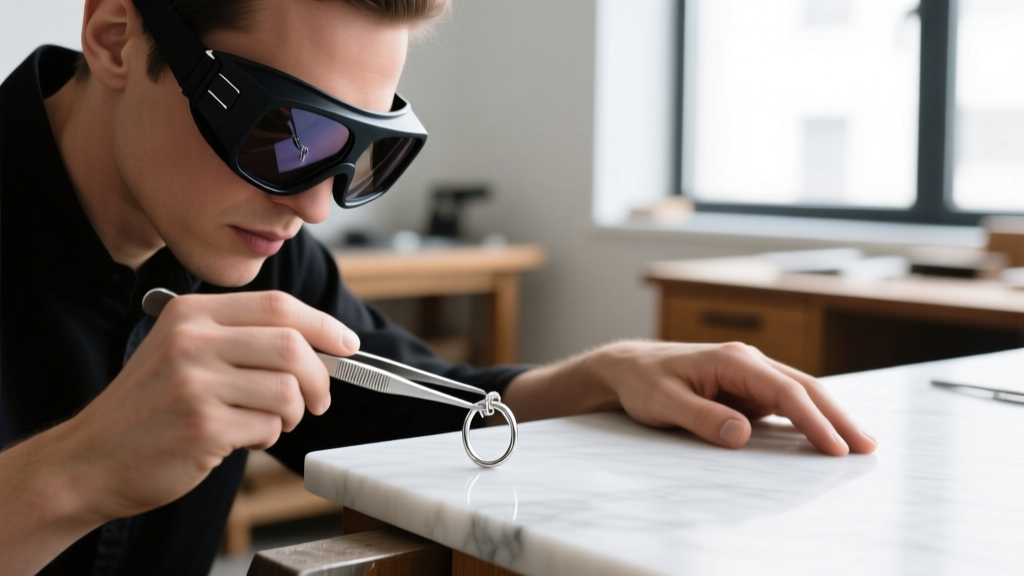
Because you are using high-voltage equipment in close proximity to a client's skin, risk management is non-negotiable. According to the U.S. Small Business Administration, forming a Limited Liability Company (LLC) is a critical first step to separate your personal assets from your business liabilities.
Furthermore, you must secure specialized liability insurance. Standard craft vendor insurance often excludes hot-work or welding. Look for insurance providers that specifically cover jewelers and micro-welders. You should also have every client sign a digital waiver acknowledging the risks, confirming they do not have a pacemaker (as the electromagnetic pulse can interfere with medical devices), and releasing you from liability if the chain snags and breaks.
Workspace Safety
Ensure your workspace is well-ventilated. While argon welding produces very little smoke compared to torch soldering, vaporized metals can still be released. Provide auto-darkening glasses for your clients to wear during the weld, or instruct them to close their eyes and look away to prevent flash burn, which is similar to a mild sunburn on the cornea.
Conclusion
Learning how to start a permanent jewelry business is an exciting journey that blends artistry with technical skill. By investing in a reliable micro-welder, sourcing premium metals from trusted suppliers, and implementing a robust pricing and safety strategy, you can build a thriving, modern jewelry brand. Start by practicing your welds on scrap metal, refine your technique, and soon you will be zapping beautiful, lasting memories onto your clients' wrists.


