How 2026 Trends Are Changing Jewelry Making Tools and Supplies
Discover how 2026's biggest jewelry trends are dictating the jewelry making tools and supplies you need, from pulse welders to heavy-gauge cutters.

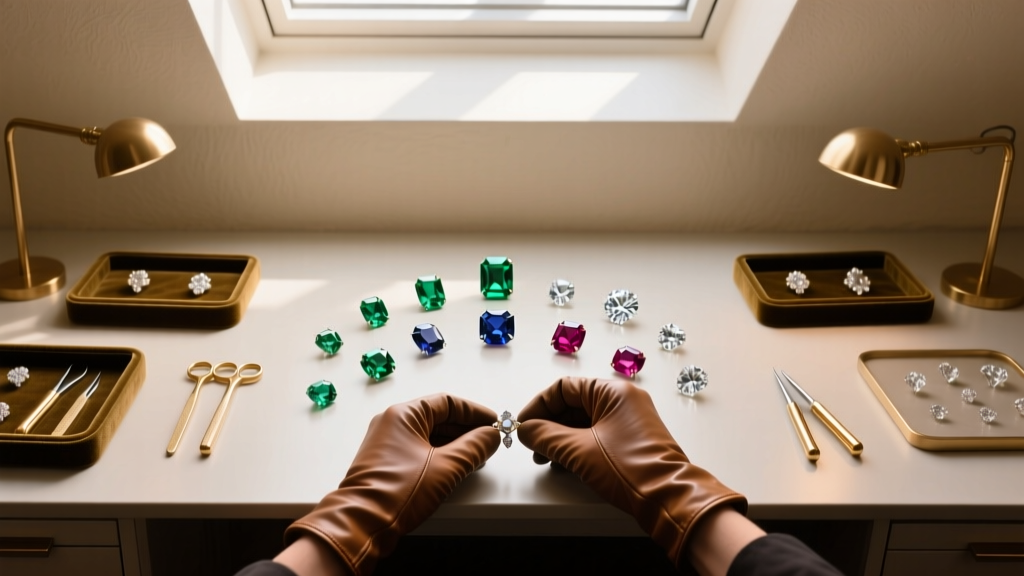
The 2026 Shift: Why Your Bench Needs an Upgrade
If you have been making jewelry for more than a few years, you already know that the craft is as much about the evolution of your workbench as it is about your design sensibilities. As we move deeper into 2026, the aesthetic landscape of independent jewelry design has fractured into highly specialized niches. The days of a one-size-fits-all beading kit or a basic wire-wrapping spool are over. Today's dominant trends—Neo-Brutalism, micro-welded permanent jewelry, and sustainable bio-casting—are demanding a radical overhaul of the standard jewelry making tools and supplies kept in the modern artisan's studio.
This shift is not merely cosmetic; it is deeply technical. Artisans are finding that legacy tools often fail when pushed to the extremes required by 2026's trending styles. Standard flush cutters chip when faced with heavy-gauge brutalist wire, and traditional soldering torches are far too imprecise for the micro-links used in permanent jewelry. In this trend analysis, we break down the exact equipment, material grades, and bench upgrades you need to stay competitive and technically proficient in this year's market.
Trend 1: Neo-Brutalism and Heavy-Gauge Texturing
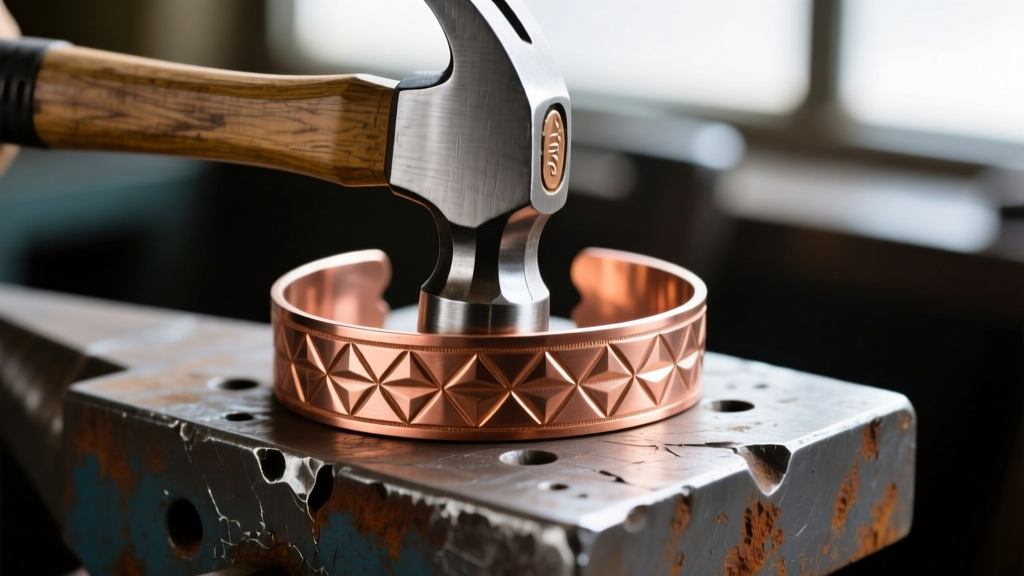
Neo-Brutalism has completely overtaken the minimalist wire-wrapping trends of the early 2020s. Characterized by raw, unpolished metals, aggressive hammer textures, and architectural geometry, this style relies heavily on thick, unforgiving materials. We are seeing designers routinely work with 10-gauge to 6-gauge raw brass, unpolished copper, and recycled bronze.
Essential Upgrades for the Brutalist Bench
The most common failure mode for jewelers transitioning to this trend is destroying their cutting tools. A standard Tronex or Xuron flush cutter, designed for 24-gauge to 14-gauge soft wire, will instantly dent or chip its beveled blade if forced through 10-gauge half-hard brass. To properly cut heavy-gauge stock without work-hardening the ends, you must upgrade to heavy-duty bolt cutters or specialized bevel cutters like the Lindstrom RX 8141 heavy-duty diagonal cutters, which can cleanly shear up to 8-gauge copper and brass.
Texturing is equally demanding. Neo-brutalist pieces require deep, intentional tool marks. You will need a minimum 4x4 inch solid steel bench block (avoid aluminum, which absorbs the impact and muffles your hammer strikes) and a set of steel chasing hammers with interchangeable cross-peen and ball-peen faces. Furthermore, because raw brass and copper are softer than steel plier jaws, using standard nickel-plated chain-nose pliers will leave deep, unsightly gouges. Investing in Wubbers nylon-jaw pliers or applying tool dip to your Lindstrom RX series pliers is mandatory to preserve the raw finish of the metal.
Trend 2: The Permanent Jewelry & Micro-Welding Boom
Permanent jewelry has evolved from a niche pop-up attraction to a staple of the independent jewelry economy. However, the 2026 iteration of this trend has moved away from chunky sterling silver cable chains toward ultra-fine, 14k gold-filled micro-chains (often 1.2mm or smaller) and intricate charm welding. This requires a level of precision that traditional soldering simply cannot achieve without melting the microscopic links.
Investing in Pulse Arc Technology
The cornerstone of a modern permanent jewelry kit is the pulse arc welder. While legacy Orion welders remain the gold standard (often retailing between $1,200 and $2,500), 2026 has seen the market flooded with highly capable entry-level models like the mPulse series, which can be sourced for $300 to $500. These units use a high-voltage, low-heat electrical spark to fuse metal in milliseconds.
However, the welder is only half the equation. The supplies required for micro-welding are highly specific:
- Argon Gas Shielding: Welding 14k gold-filled wire or sterling silver without an argon gas purge results in a brittle, oxidized black joint that will snap under tension. A basic argon tank with a flow meter is a non-negotiable supply.
- Ceramic Tweezers: Standard metal tweezers will conduct the electrical arc, shocking the user and ruining the weld point. High-grade zirconia ceramic tweezers are required to hold the micro-links in place during the spark.
- Tungsten Electrodes: You must stock 0.5mm and 1.0mm thoriated tungsten electrodes, sharpened to a precise needle point on a diamond grit pad, to focus the arc on sub-millimeter jump rings.
"The biggest mistake new permanent jewelry artists make in 2026 is underestimating the importance of the tungsten electrode angle. A blunt tip disperses the arc, melting the surrounding micro-links instead of fusing the target jump ring." — Master Jeweler & Educator, via Ganoksin
Trend 3: Bio-Resins and Eco-Casting
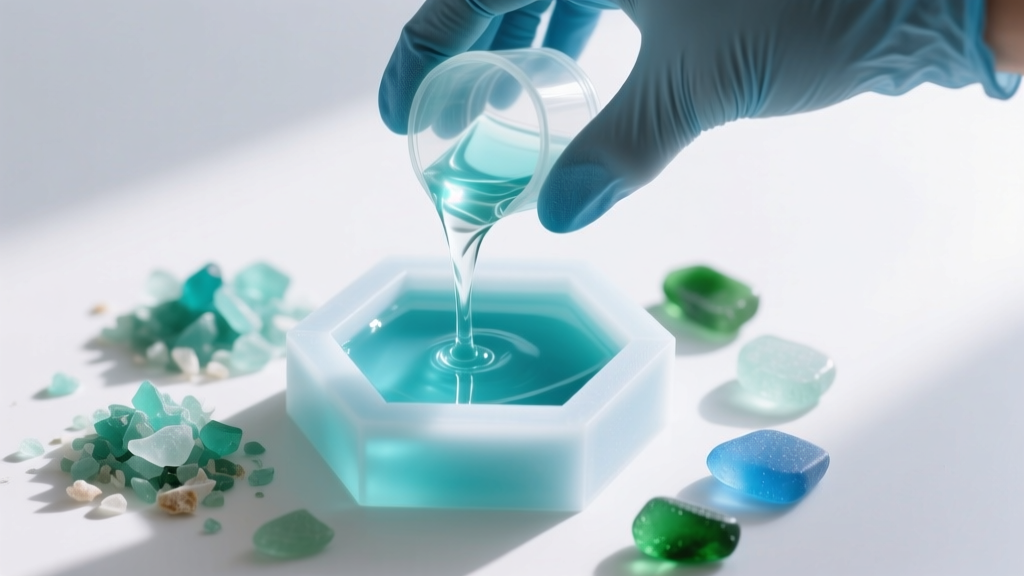
Sustainability is no longer a buzzword; it is a strict purchasing criterion for Gen Z and Millennial consumers. This has driven a massive surge in bio-resin jewelry and eco-casting, where artisans embed crushed recycled sea-glass, ethically sourced dried botanicals, and upcycled electronic waste into plant-based epoxies.
Precision Tools for Chemical Crafting
Unlike traditional metalworking, bio-resin crafting requires a laboratory-level approach to mixing and curing. Standard jewelry making tools and supplies are largely useless here. Instead, your bench must accommodate digital precision scales accurate to 0.01 grams. Bio-resins like EcoPoxy or ArtResin Bio have strict 1:1 or 2:1 volumetric ratios; guessing the mix will result in a permanently tacky, uncured piece that must be discarded.
Furthermore, achieving the flawless, glass-like clarity demanded by 2026 consumers requires eliminating micro-bubbles. A vacuum degassing chamber (often adapted from HVAC brake bleeder kits) is now a standard supply for high-end resin jewelers. You will also need high-durometer platinum-cure silicone for making master molds, as standard tin-cure silicone degrades quickly when exposed to the aggressive solvents sometimes found in recycled inclusions.
2026 Bench Audit: Legacy vs. Trending Gear
To help you prioritize your studio budget, we have mapped the shift from legacy equipment to the 2026 trending benchmarks across the three major style movements.
| Trend Category | Legacy Tool / Supply | 2026 Benchmark Upgrade | Estimated Cost Shift |
|---|---|---|---|
| Neo-Brutalism | Standard 5-inch Flush Cutters | Heavy-Duty Bevel Cutters (Lindstrom RX) | $25 → $85 |
| Permanent Jewelry | Butane Micro-Torch & Solder Paste | Entry-Level Pulse Arc Welder + Argon Gas | $40 → $450+ |
| Bio-Casting | Plastic Mixing Cups & Heat Gun | 0.01g Digital Scale & Vacuum Chamber | $15 → $120 |
Sourcing Strategies for the Modern Artisan
As your technical requirements become more specialized, your sourcing strategy must adapt. Big-box craft stores are entirely inadequate for the tolerances required by 2026 trends. For heavy-gauge brutalist wire and precision steel tools, wholesale suppliers like Fire Mountain Gems and Rio Grande remain the industry standard, offering verified material grades (e.g., guaranteeing true half-hard temper on brass stock).
For permanent jewelry supplies, bypass general jewelry suppliers and source directly from dedicated welding manufacturers or specialized permanent jewelry wholesalers to ensure your argon regulators and tungsten electrodes meet electrical safety standards. Finally, when sourcing bio-resins, always verify the manufacturer's VOC (Volatile Organic Compound) certifications to ensure your eco-friendly claims hold up to consumer scrutiny. By aligning your jewelry making tools and supplies with the actual technical demands of today's trends, you future-proof your bench and elevate the structural integrity of your art.


