Whats Permanent Jewelry? 2026 Welder Buying Guide
Discover whats permanent jewelry welding entails. Our 2026 buying guide covers pulse arc welders, chain gauges, argon gas, and essential safety gear.

The Rise of the Clasp-less Trend
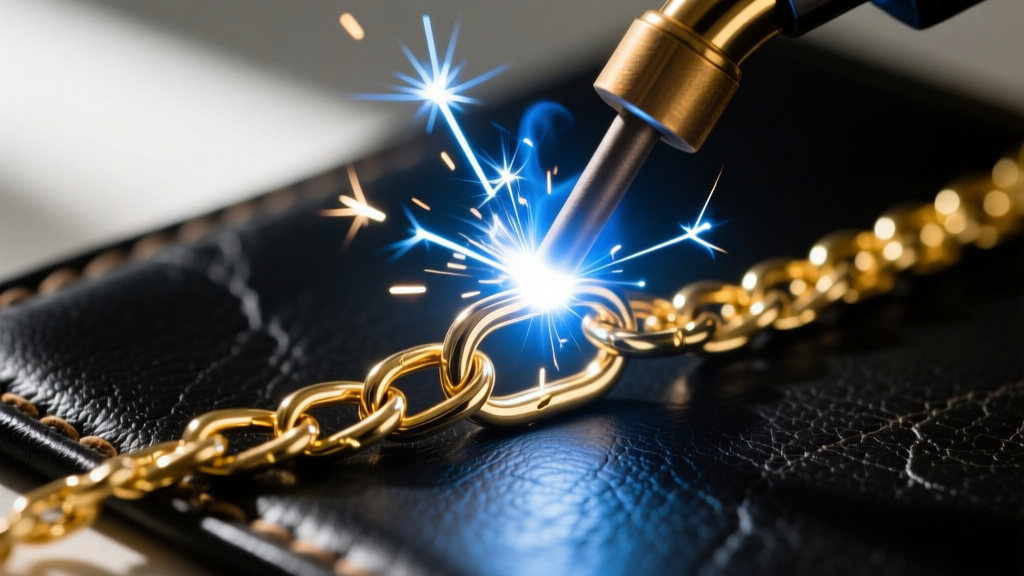
The jewelry industry has seen a massive shift toward bespoke, welded accessories over the last few years. If you have been searching online asking whats permanent jewelry and how to start making it yourself, you are looking at one of the most lucrative and creatively rewarding niches in modern DIY jewelry making. Unlike traditional clasped pieces, permanent jewelry is micro-welded directly onto the wearer, creating a seamless, custom-fitted loop. For DIY enthusiasts and aspiring micro-business owners in 2026, understanding the equipment, materials, and safety protocols is critical before making your first investment.
This comprehensive buying guide will walk you through the exact specifications, material grades, and machinery you need to source, ensuring you avoid the costly beginner mistakes that plague new welders.
Defining the Craft: Whats Permanent Jewelry?
When clients or curious friends ask, "whats permanent jewelry?", the most accurate answer is that it is a continuous loop of chain, custom-sized to the wearer's wrist, ankle, or neck, secured via a micro-welded jump ring rather than a mechanical clasp. The term "permanent" is a marketing moniker; the jewelry can easily be removed with a pair of flush cutters, but the lack of a clasp gives it a seamless, elevated aesthetic.
From a manufacturing standpoint, the process relies on pulse arc welding. This technology uses a high-intensity, millisecond burst of electrical energy to fuse two metals together without the need for solder or flux. Because the heat is highly localized, the chain can be welded while resting directly against the client's skin without causing burns, provided proper leather shielding is used.
Choosing Your Pulse Arc Welder (2026 Buyer's Matrix)
The welder is the heart of your operation. In 2026, the market is split between entry-level import models and professional-grade American-made machines. While laser welders exist, they cost upwards of $15,000, making pulse arc welders the undisputed standard for DIY makers and small studios. Below is a comparison of the top tiers to help you decide.
| Brand / Model | Max Energy (Joules) | Argon Required? | 2026 Price Range | Best For |
|---|---|---|---|---|
| PepeTools 105-050 | 40J | Optional | $1,100 - $1,300 | Hobbyists & Pop-ups |
| Sunstone Orion 150s | 150J | Highly Recommended | $6,500 - $7,200 | Full-time Studios |
| Stuller Pulse Arc | 80J | Optional | $3,800 - $4,200 | Mid-tier Businesses |
| Generic Import (Amazon) | 30J | No | $300 - $500 | Practice Only |
Expert Insight: Avoid generic import welders for actual client work. They lack consistent capacitor discharge, leading to weak welds that snap under tension. According to Sunstone Welders, a consistent pulse arc requires precise voltage regulation to ensure the metallurgical bond penetrates the entire cross-section of the jump ring, not just the surface.
Sourcing Chains: Materials, Gauges, and Failure Rates
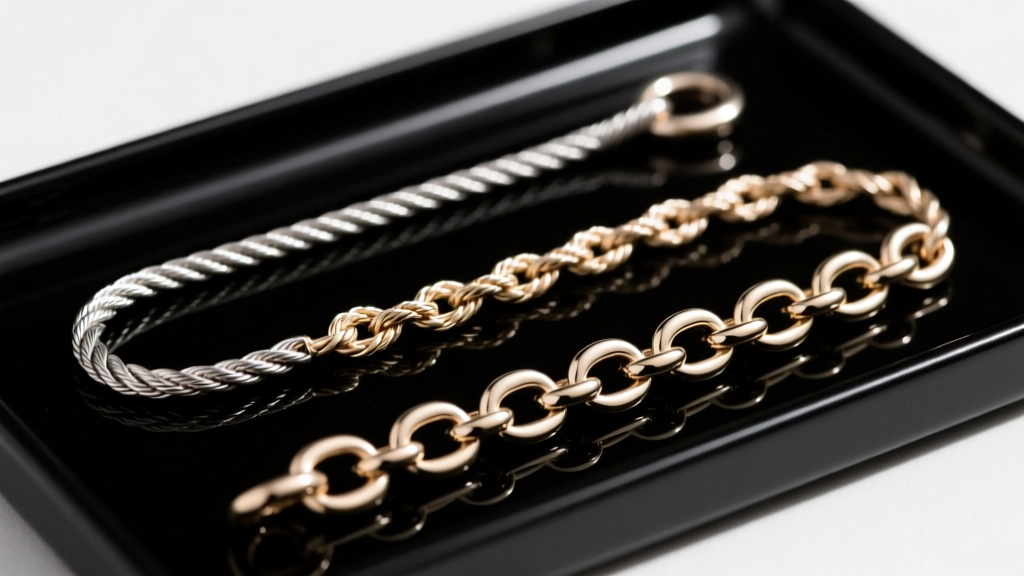
Knowing whats permanent jewelry is only half the battle; sourcing the right chain is where your profit margins and reputation are made or broken. You must avoid hollow-core chains, plated brass, and aluminum, as they will either melt unpredictably under the arc or cause contact dermatitis.
The Big Three: Material Grades
- 14k Gold Filled (1/20 14k GF): The undisputed king of the permanent jewelry world. It features a thick outer layer of 14k gold mechanically bonded to a brass core. It welds beautifully at lower joules (30-45J) and offers a luxury look at a fraction of solid gold's cost.
- Solid 14k or 18k Gold: Reserved for premium clientele. Solid gold requires slightly different energy settings and yields the highest profit margins, but inventory costs are steep.
- 316L Surgical Stainless Steel: The best budget-friendly, hypoallergenic option. Steel requires higher welding energy (50-70J) and mandates the use of argon gas to prevent ugly black oxidation marks at the weld site.
Gauge and Link Specifications
For bracelets, the sweet spot is between 1.2mm and 1.6mm in overall chain width. Anything thinner (like 0.9mm) is prone to snapping if caught on clothing. When sourcing from suppliers like Halstead Bead, always look for continuous chain spools rather than pre-cut lengths to minimize waste. Furthermore, you must stock 3.5mm or 4.0mm outer-diameter (OD) jump rings made from 20-gauge or 18-gauge wire that perfectly matches your chain's metal composition. Mismatched metals will result in galvanic corrosion and weak welds.
Essential Safety & Auxiliary Gear
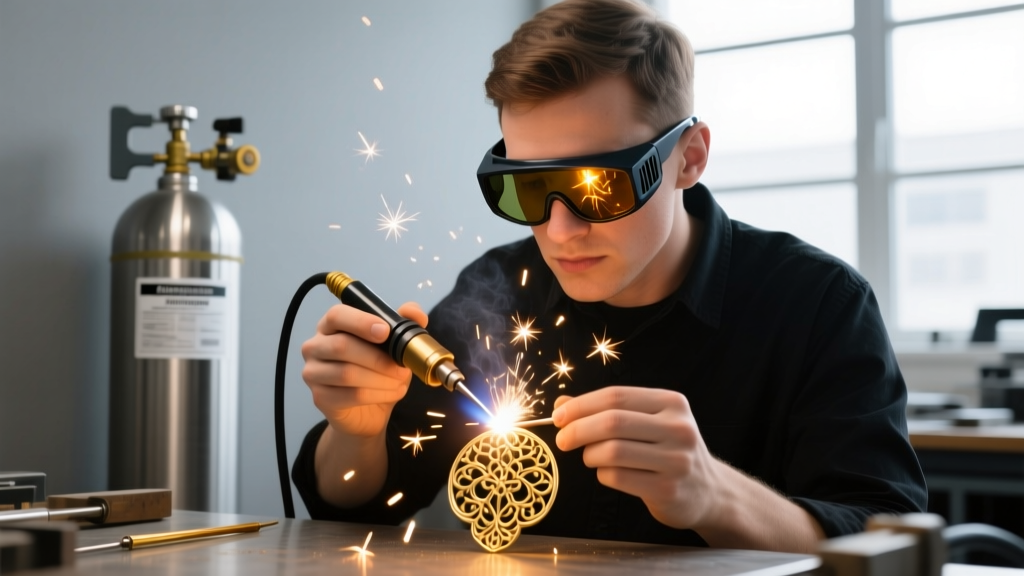
Micro-welding produces intense ultraviolet (UV) light and occasional micro-sparks. Protecting your eyesight and your client's skin is non-negotiable.
Argon Gas Shielding
If you plan to weld titanium, silver, or stainless steel, you need an inert gas shield. Argon gas displaces oxygen around the weld pool, preventing oxidation. You will need a standard 40cf or 80cf argon cylinder, a dual-gauge regulator, and a Y-connector to run the gas to your welder's handpiece. Set your flow rate to 3 to 5 CFH (Cubic Feet per Hour). Any higher, and you risk turbulence that pulls oxygen back into the weld zone.
Optical and Physical Protection
Never use standard sunglasses. You must purchase auto-darkening welding glasses rated for Shade 8 to Shade 13. The Stuller catalog offers specialized permanent jewelry safety glasses that allow you to see the chain clearly before the arc flashes, instantly darkening to protect your retinas. For the client, always use a thick, fire-retardant leather welding blanket with a small slit cut for their wrist to pass through, ensuring no sparks reach their skin.
Pricing, ROI, and Business Realities
Understanding the economics of the craft is just as important as knowing whats permanent jewelry from a technical standpoint. The barrier to entry is primarily the cost of the welder and initial chain inventory.
Startup Cost Breakdown (Estimated)
- Mid-tier Pulse Arc Welder: $3,500
- Argon Tank & Regulator: $350
- Safety Gear & Leather Mats: $150
- Initial Chain Inventory (Gold Filled & Steel): $800
- Flush Cutters & Pliers: $100
- Total Estimated Startup: $4,900
With an average charge of $65 to $120 per bracelet (depending on the chain style and material), and a material cost averaging $8 to $15 per weld, the return on investment is exceptionally high. A busy DIY maker hosting weekend pop-up events can easily recoup their equipment investment within the first 60 to 90 days of operation.
Final Thoughts for the 2026 Maker
Mastering permanent jewelry is about precision, material science, and safety. By investing in a reliable pulse arc welder, sourcing high-quality 14k gold filled and 316L steel chains, and strictly adhering to argon shielding protocols, you position yourself as a premium provider in a rapidly growing market. Remember that the weld is only as strong as the materials and the technique behind it. Take the time to practice on scrap chain spools, document your joule settings for every specific chain style, and build a reliable, repeatable workflow before taking on your first paying client.


