Soft Solder Jewelry Repair: Technical Limits & Alloy Guide
Explore the technical limits of soft solder jewelry repair. We analyze alloy compositions, temperature profiles, and when to avoid low-temp soldering.

The Metallurgical Reality of Low-Temperature Joins
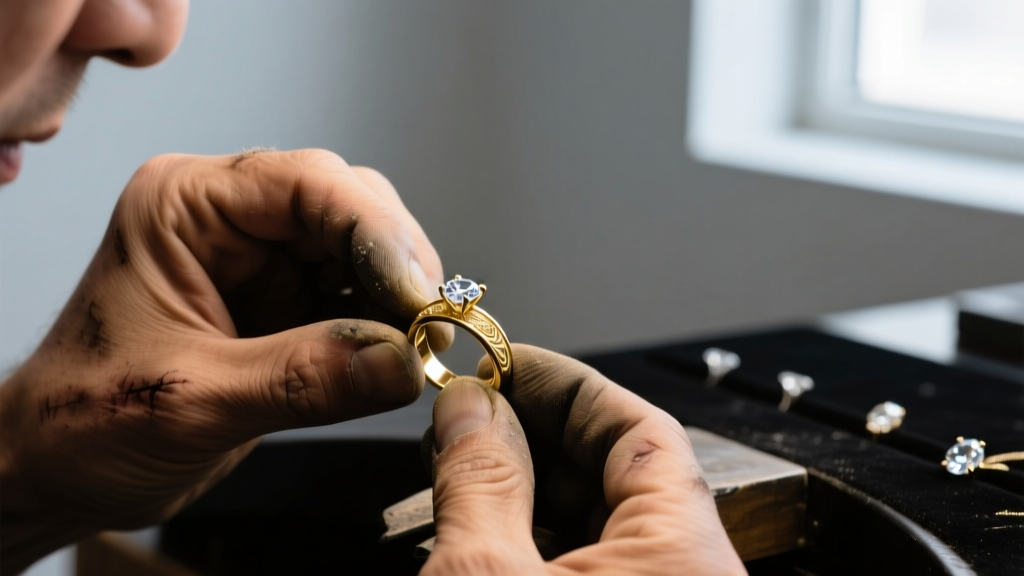
In the realm of jewelry repair and restoration, the term "soldering" encompasses a vast spectrum of metallurgical processes. While master jewelers rely on hard soldering (brazing) using precious metal alloys that melt above 600°C, soft solder jewelry repair occupies a highly specific, often misunderstood niche. Soft soldering relies on non-precious or low-precious base metal alloys—primarily tin-based—that melt below 400°C (750°F).
For the uninitiated hobbyist, soft solder seems like a forgiving entry point into jewelry repair. However, from an expert metallurgical perspective, applying soft solder to fine jewelry structures introduces severe compromises in tensile strength, fatigue resistance, and galvanic stability. Understanding the exact intermetallic compound (IMC) layer formation, wetting angles, and thermal limits is critical before applying a low-temperature alloy to any wearable metal object.
The Metallurgy of Soft Solder Jewelry Alloys
Unlike hard solders that diffuse deeply into the crystalline lattice of gold or silver substrates, soft solders primarily bond via surface wetting and the formation of a thin intermetallic compound (IMC) layer. When tin-based solder contacts a copper or silver substrate at elevated temperatures, the tin aggressively dissolves a microscopic layer of the base metal, creating an interlocking crystalline bridge.
However, if the iron or copper tip of the soldering instrument is held in place too long, this IMC layer grows excessively thick. A thick IMC layer is inherently brittle, leading to catastrophic joint failure under the torsional stress typical of ring shanks or chain links. According to metallurgical data from Indium Corporation, managing the time-temperature profile is the single most critical factor in preventing brittle fractures in low-temperature solder joints.
Common Alloy Compositions and Profiles
| Alloy Designation | Composition | Solidus / Liquidus | Tensile Strength | Best Repair Application |
|---|---|---|---|---|
| SAC305 | 96.5% Sn, 3.0% Ag, 0.5% Cu | 217°C - 220°C | ~58 MPa | Silver-plated findings, heavy base-metal clasps |
| Sn63/Pb37 | 63% Sn, 37% Pb (Eutectic) | 183°C | ~42 MPa | Antique costume jewelry (Non-skin contact only) |
| Sn42/Bi58 | 42% Sn, 58% Bi | 138°C | ~38 MPa | Heat-sensitive enamel, low-temp thermal step-soldering |
| Tin-Silver (Eutectic) | 96.5% Sn, 3.5% Ag | 221°C | ~60 MPa | Sterling silver overlay, temporary structural tacking |
Thermal Profiles and Flux Chemistry
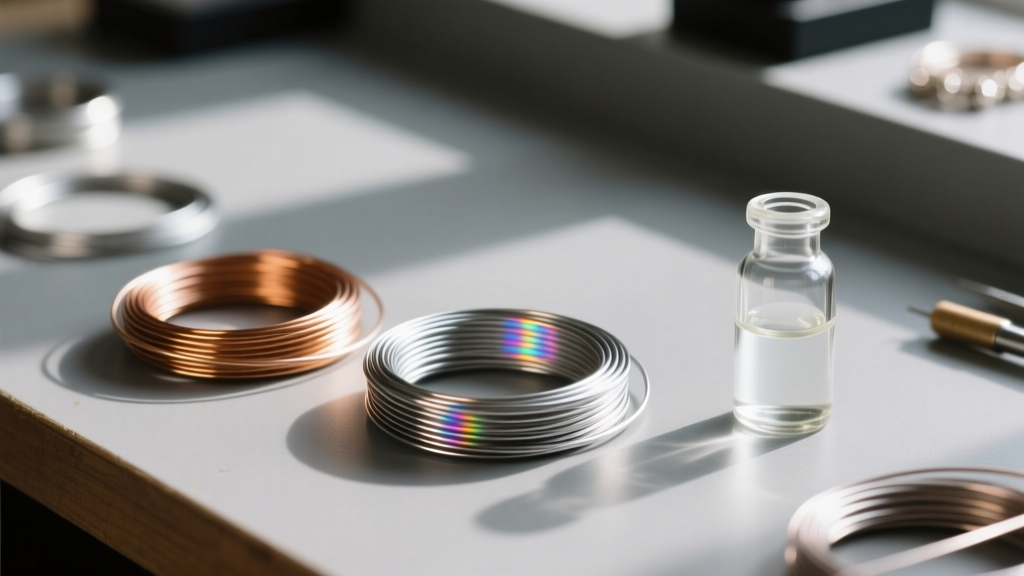
Standard jewelry soldering fluxes, such as borax or boric acid-based pastes, are entirely useless for soft solder jewelry applications. These high-temperature fluxes require upwards of 550°C to activate and break down metal oxides. For low-temperature alloys, chemical activation must occur between 150°C and 250°C.
Acid vs. Rosin Fluxes in Wearables
For base metals, brass, and nickel-silver, zinc chloride (acid) fluxes are required to strip heavy oxidation and allow the tin to wet the surface. However, acid fluxes are highly corrosive. If trapped inside a hollow bead or a porous casting, the residual chloride ions will rapidly induce localized pitting corrosion, destroying the artifact from the inside out. Post-repair neutralization in a mild baking soda bath and ultrasonic cleaning is non-negotiable.
For delicate sterling silver or gold-filled items, mild organic acid (OA) or rosin-based (RMA) fluxes are preferred. While they lack the aggressive oxide-stripping power of zinc chloride, they are chemically inert after cooling, making them vastly safer for long-term skin contact and archival preservation of antique pieces.
The Danger Zone: Thermal Shock and Gemstones
One of the most frequent arguments for utilizing soft solder jewelry techniques is the assumption that lower temperatures automatically protect heat-sensitive gemstones. While it is true that a 138°C Tin-Bismuth alloy will not shatter a heat-sensitive opal or melt the wax setting of a turquoise cabochon, the method of heat application remains dangerous.
According to gemological guidelines published by the Gemological Institute of America (GIA), rapid thermal gradients are just as destructive as absolute peak temperatures. Applying a localized 220°C heat source to a silver bezel while the opposite side of the stone rests at room temperature creates severe thermal shock. Stones like tanzanite, emerald (which is typically fracture-filled with oils or resins), and opal can develop internal cleavage fractures or suffer irreversible resin clouding even when the ambient temperature of the solder joint never exceeds 200°C. Professionals must always use thermal barrier pastes or submerge the gemstone in a water-filled thermal sink when executing low-temperature repairs near the setting.
Structural Failure Modes in Soft Soldering
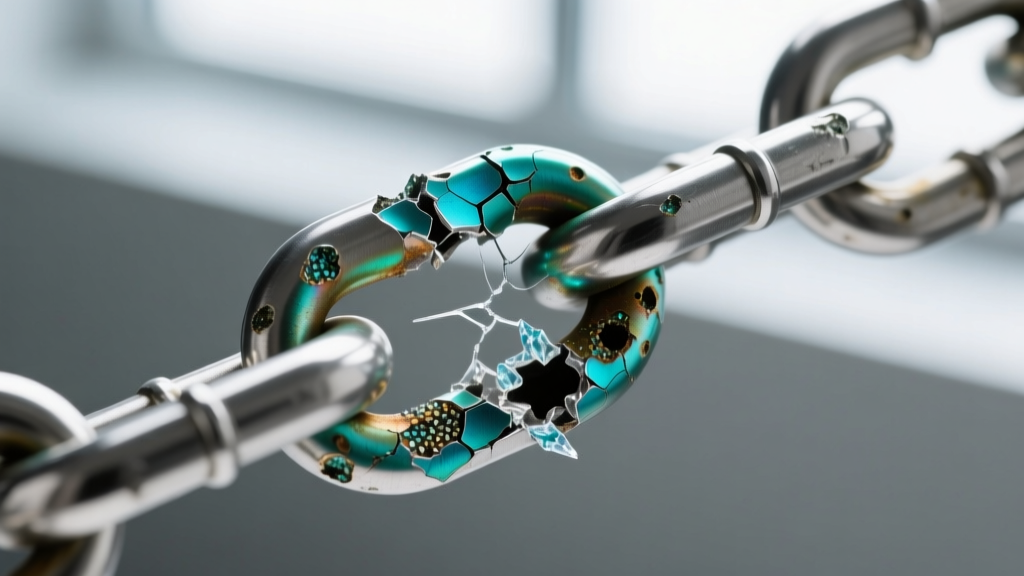
Why do professional bench jewelers largely reject soft solder for fine jewelry restoration? The answer lies in long-term structural failure modes that are invisible at the time of repair.
- Galvanic Corrosion: When a tin-based soft solder is used to bridge two pieces of sterling silver, a galvanic cell is created in the presence of moisture (sweat, humidity). The tin acts as a sacrificial anode, corroding rapidly and turning into a white, powdery tin oxide. The joint literally dissolves over a period of 6 to 18 months.
- Creep and Thermal Fatigue: Soft solders have exceptionally low creep resistance. Under the constant micro-stresses of daily wear (such as a ring shank flexing over a knuckle), the crystalline structure of the tin slowly deforms at room temperature, leading to eventual fatigue cracking.
- Capillary Starvation: Unlike hard solders that are drawn deep into tight seams via high-temperature capillary action, soft solders possess high surface tension and poor fluidity. They tend to "blob" on the exterior of a joint rather than penetrating the root, creating a superficial bond that fails under lateral shear stress.
Professional Verdict: When to Use and When to Walk Away
Soft solder jewelry repair is not inherently "wrong," but its application must be strictly confined to appropriate scenarios. It is the correct technical choice for reattaching pin stems to pewter or brass brooches, repairing base-metal costume jewelry findings, and executing temporary tacking operations before laser welding.
The Bench Jeweler's Rule of Thumb: If the item is solid gold, platinum, or structural sterling silver subjected to tensile load (like a ring shank or a heavy chain link), soft solder is a liability. If the item is a static, low-stress base metal or silver-plated decorative element, low-temperature SAC305 or Tin-Silver alloys, paired with the correct flux chemistry, offer a highly controlled, low-risk restoration pathway.
By respecting the metallurgical boundaries of low-temperature alloys, jewelers can preserve antique costume pieces and execute complex multi-step thermal assemblies without compromising the structural integrity or historical value of the artifact.


