Ballerina in a Jewelry Box: 2026 Vintage Storage Trend
Discover why the classic ballerina in a jewelry box is the ultimate 2026 vintage storage trend. Learn about mechanics, restoration, and safe jewelry care.

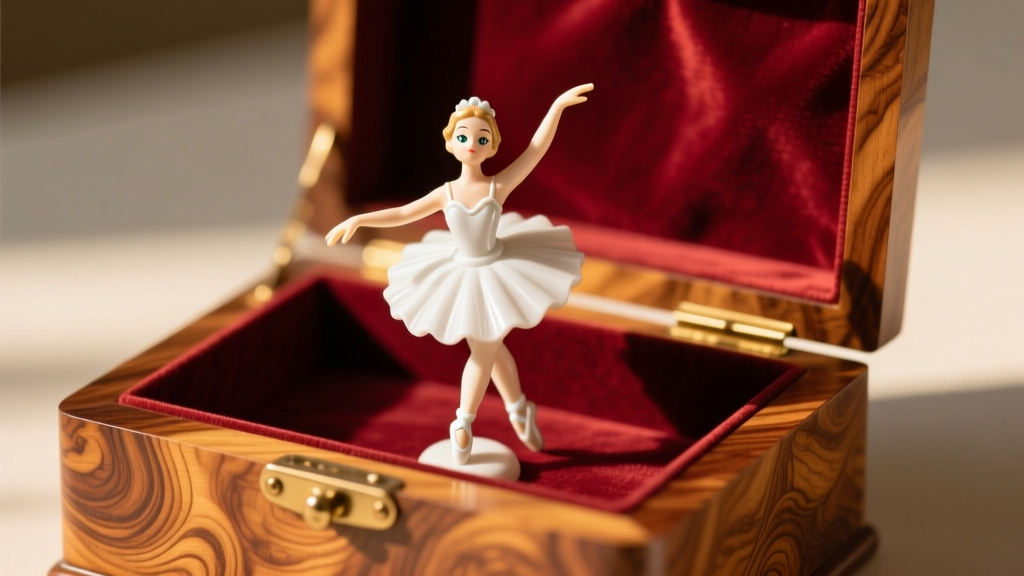
The Resurgence of the Spinning Dancer: Nostalgia Meets Curation
In the landscape of 2026 jewelry organization, the minimalist acrylic stackers and modular velvet trays that dominated the early 2020s have given way to a profound appreciation for kinetic, nostalgic storage. At the forefront of this 'heirloom curation' movement is the classic ballerina in a jewelry box. Once relegated to childhood memories or dusty antique shelves, these musical marvels are now highly sought-after centerpieces for serious collectors and jewelry influencers alike. The modern collector views the ballerina music box not merely as a whimsical novelty, but as a masterclass in micro-engineering and a sophisticated, tactile display for high-value pieces.
According to decorative arts analysts, the pivot toward vintage mechanical storage is driven by a desire for permanence in an increasingly digital world. When you lift the lid and the familiar notes of Tchaikovsky’s Swan Lake begin to play, the ritual of selecting jewelry becomes an intentional, grounding experience. However, integrating a vintage mechanical box into a modern, high-end jewelry collection requires a deep understanding of horological mechanics, material degradation, and archival-safe storage environments.
Anatomy of an Heirloom: Swiss Movements vs. Modern Replicas
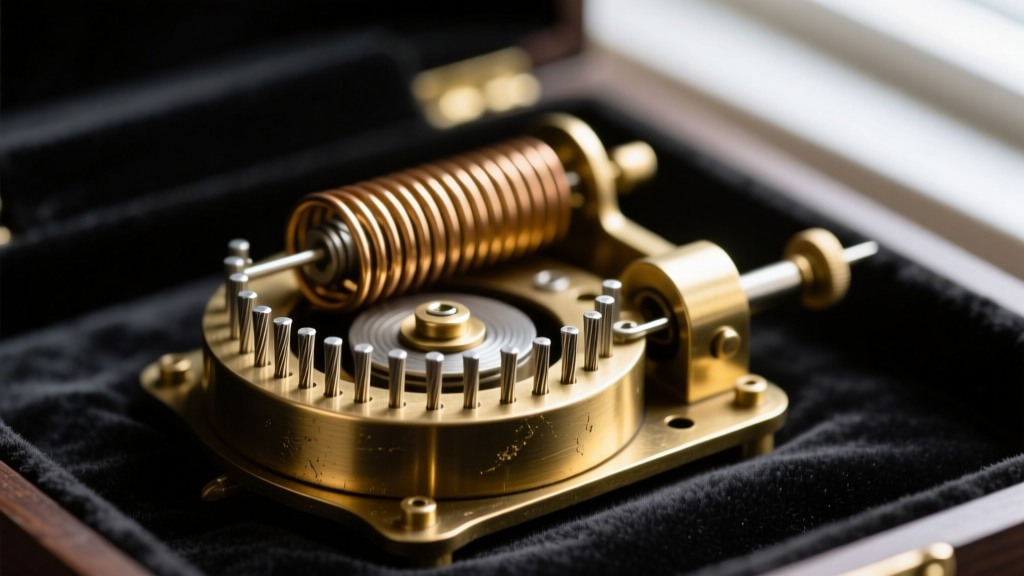
The soul of any vintage piece featuring a ballerina in a jewelry box is its movement. The market is currently bifurcated between mid-century European masterpieces and late-century Japanese mass-productions. Understanding the difference is critical for valuation and longevity.
The Reuge Standard (Swiss)
Founded in 1865, Reuge remains the pinnacle of music box engineering. Vintage Reuge movements from the 1940s to the 1970s often feature 36, 72, or even 144-note cylinders. These mechanisms utilize a complex pinned brass cylinder that plucks a steel comb with individual tuned teeth. The resonance is deep, layered, and capable of playing multiple harmonies simultaneously. For collectors storing high-end pieces, a Reuge box signifies an investment-grade vessel. The mainsprings in these units are forged from high-carbon steel, designed to last decades if properly lubricated with specialized synthetic clock oil (never use standard WD-40, which will gum up the governor and ruin the tempo).
The Sankyo Era (Japanese)
From the 1960s through the 1990s, the Sankyo Seiki company dominated the global market. Most 18-note movements found in mid-tier vintage boxes are Sankyo. While less complex than their Swiss counterparts, Sankyo movements are remarkably durable and easier to source replacement parts for. The 18-note comb plays a single melody line without harmonic accompaniment. While audiophiles may prefer the Swiss cylinders, Sankyo boxes offer an accessible entry point into the 2026 vintage revival, often housed in beautiful rosewood or walnut veneers.
Material Grades and Lining Safety: Protecting Your Metals
A beautiful exterior means nothing if the interior environment is actively destroying your jewelry. The Gemological Institute of America (GIA) consistently warns against storing precious metals and porous gems in environments that trap humidity or off-gas harmful chemicals. Many vintage boxes from the 1970s and 80s were lined with polyurethane foams and synthetic velvets that degrade over time, releasing sulfur compounds that accelerate the tarnishing of sterling silver and copper alloys.
If you are acquiring a vintage ballerina box for daily use, inspecting and potentially replacing the lining is mandatory. Here is the hierarchy of archival-safe linings for 2026:
- Pacific Silvercloth: The gold standard for silver storage. This cotton fabric is embedded with microscopic silver particles that intercept and absorb tarnish-causing gases before they reach your jewelry.
- Acid-Free Suede and Velvet: Ensure the textile is certified acid-free (pH neutral). Traditional silk, while luxurious, can retain moisture and is prone to shattering (dry rot) over decades.
- Untreated Hardwoods: Bare, unfinished cedar or mahogany dividers are safe, but avoid raw oak, which naturally emits high levels of acetic acid that will pit and corrode lead, silver, and copper.
2026 Market Analysis: Pricing and Collector Tiers
The secondary market for the iconic ballerina in a jewelry box has seen a 34% increase in auction hammer prices over the last eighteen months, driven by millennial and Gen Z collectors seeking 'quiet luxury' decor. Below is a breakdown of the current market tiers.
| Collector Tier | Era & Origin | Materials & Mechanism | 2026 Price Range (USD) |
|---|---|---|---|
| Entry / Decor | 1980s-1990s (China/Japan) | MDF Veneer, 18-note Sankyo, Nylon plush | $45 - $120 |
| Enthusiast | 1950s-1970s (Italy/Switzerland) | Solid Walnut, 36-note Thorens/Reuge, Silk velvet | $350 - $850 |
| Investment Grade | 1890s-1920s (Swiss/French) | Boulle Marquetry, 144-note Cylinder, Mother-of-Pearl | $4,500 - $15,000+ |
Restoring and Upgrading Vintage Ballerina Boxes
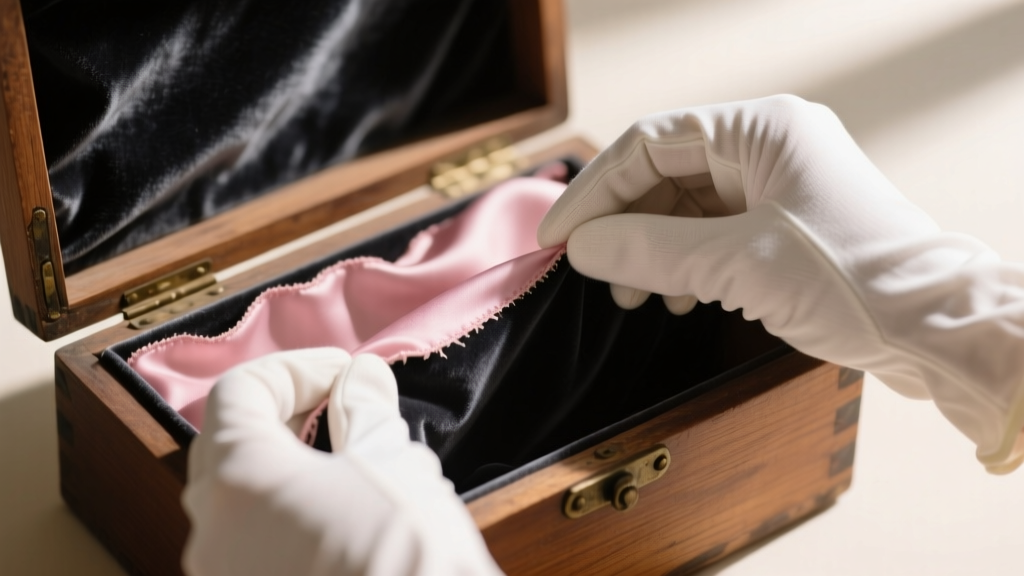
Acquiring a vintage piece often means dealing with worn hinges, a sluggish governor (the fan that regulates the music speed), and crushed velvet interiors. The restoration of a ballerina in a jewelry box is a meticulous process that bridges horology and textile conservation.
Regulating the Governor
If your ballerina spins too fast or the music sounds distorted, the issue is usually the governor. The endless screw and worm gear mechanism requires microscopic precision. Using a jeweler's screwdriver, the tension on the governor fan can be adjusted. Apply a single drop of Moebius synthetic clock oil to the pivot points. Never force the winding key; if the mainspring is fully wound, forcing it will snap the spring hook, requiring a complete barrel teardown.
Textile Replacement
When replacing the interior lining, avoid using hot glue or cyanoacrylate (Super Glue), which off-gas and create brittle, irreversible bonds. Instead, use archival-grade double-sided tape or wheat starch paste for fabric-to-wood adhesion. This allows future conservators to reverse your work without damaging the antique wood substrate. For the ring rolls and necklace hooks, ensure that the metal components are solid brass or gold-plated; cheap zinc alloys will corrode and transfer green oxidation to your pearl strands and gold chains.
Display vs. Deep Storage: Best Practices
While the aesthetic of a spinning dancer is unparalleled, the physical layout of these boxes dictates what you should store inside them. The central well, designed to accommodate the height of the ballerina mechanism, is often too deep for safe ring storage unless fitted with custom acrylic risers.
Use the deep central well for coiled pearl necklaces or long chain bracelets, ensuring they are clasped to prevent tangling. The shallow side drawers are ideal for stud earrings and brooches. Remember that the vibration from the music box mechanism, while gentle, can theoretically loosen poorly set pave diamonds over decades of daily use. Therefore, keep your most fragile, antique pavé pieces in a separate, static vault, and reserve the mechanical ballerina box for your sturdy, everyday solid gold and platinum favorites. By respecting the mechanical and material limits of these beautiful antiques, you ensure they remain functional works of art for the next century of collectors.


