How to Build a Jewelry Box for Ultimate Tarnish Care
Learn how to build a jewelry box using archival-safe woods and anti-tarnish linings to protect fine metals and gems from VOCs and humidity damage.

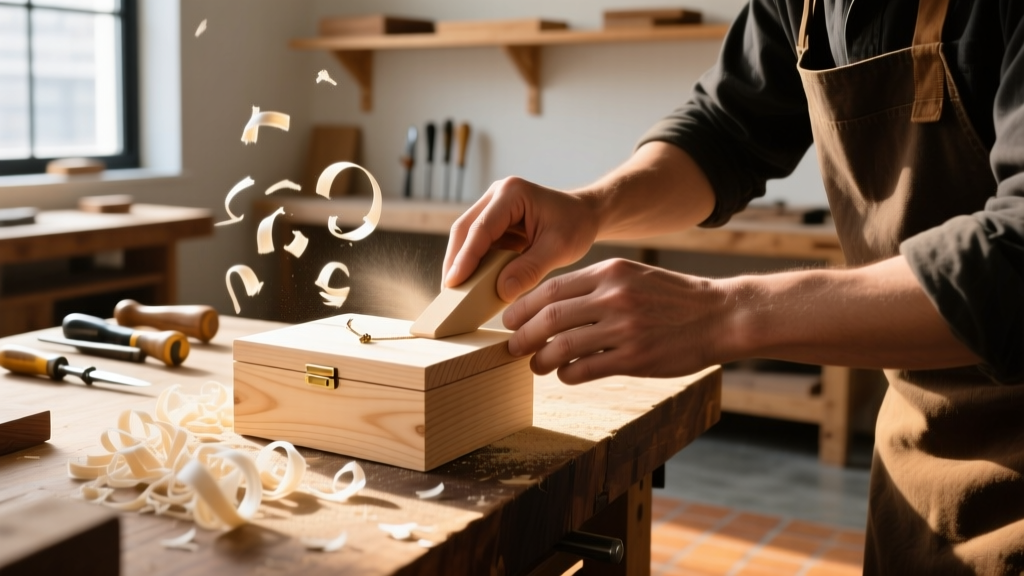
When learning how to build a jewelry box, most woodworkers focus on dovetail joinery, exotic veneers, and flawless finishes. However, from a gemological and archival perspective, the true measure of a custom jewelry box is its ability to create a stable, non-reactive microclimate. Fine jewelry is highly susceptible to environmental degradation. Sterling silver tarnishes when exposed to hydrogen sulfide and volatile organic compounds (VOCs), while organic gems like pearls and amber can be permanently etched by acidic off-gassing. In 2026, the standard for bespoke jewelry storage demands a synthesis of fine woodworking and conservation science.
This guide transcends basic carpentry, focusing on the chemistry of materials, archival-safe construction methods, and proactive maintenance design to ensure your custom storage solution actively preserves your collection.
The Chemistry of DIY Storage: Why Wood Choice Matters
Not all woods are safe for long-term metal and gemstone storage. The Oddy testing protocol, a standard used by museum conservators, evaluates materials for off-gassing and corrosive properties. Many popular woodworking timbers fail this test spectacularly.
Woods to Avoid
- Oak (Red and White): Oak contains high levels of tannins and emits acetic acid vapor. This acidic environment accelerates silver sulfide formation (tarnish) and can dull the luster of porous gems like turquoise and malachite.
- Cedar and Pine: These softwoods emit aromatic terpenes and natural oils. While cedar is great for repelling moths in a closet, these volatile oils can degrade the surface of soft organic materials, particularly amber, jet, and pearls.
Archival-Safe Woods
For the carcase and drawers, opt for stable, low-VOC hardwoods. Hard Maple (Acer saccharum) is the gold standard. With a Janka hardness of 1,450 lbf, it is incredibly durable, dimensionally stable, and chemically inert once properly sealed. American Black Cherry and Black Walnut are also excellent, low-acid alternatives that provide rich aesthetics without the corrosive off-gassing of oak.
Selecting Adhesives and Finishes for Off-Gassing Safety
The materials you use to bind and seal your wood can be just as hazardous as the wrong timber. Standard polyvinyl acetate (PVA) wood glues and oil-based polyurethanes can off-gas formaldehyde and other plasticizers for months after curing.
Archival Adhesives
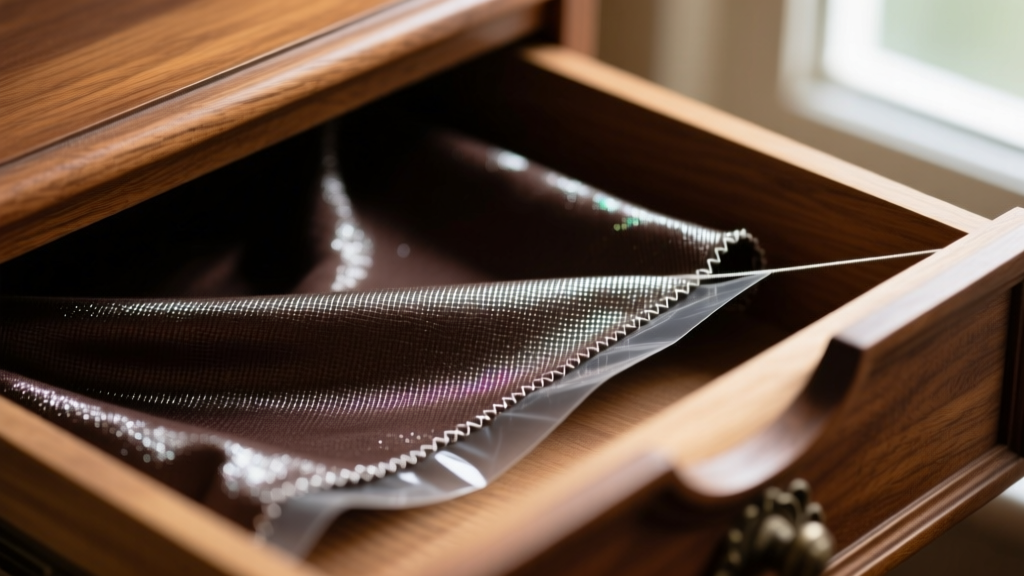
For structural joinery, traditional hide glue (specifically liquid hide glue with a long open time) is completely archival and reversible, making it a favorite among museum furniture conservators. If you prefer modern synthetics, look for PVA adhesives specifically formulated for archival use, such as Lineco Neutral pH Adhesive, which will not emit acidic vapors as it ages.
Sealing the Microclimate
Even safe woods like maple have microscopic pores that can trap ambient humidity and odors. You must seal the interior and exterior. Avoid oil-based finishes, which take weeks to fully oxidize and off-gas. Instead, use a dewaxed shellac (like Zinsser Bullseye SealCoat). Shellac is a natural resin secreted by the lac bug; it dries in minutes, cures completely within days, and creates an impermeable barrier against wood acids. For high-wear exterior surfaces, a water-based polyurethane topcoat can be applied over the shellac once it has fully hardened.
Hardware and Hinges: Preventing Galvanic Corrosion
When designing the interior layout and selecting hardware, beware of galvanic corrosion. If your box features internal metal dividers, brass catches, or steel hinges, these metals can react with the jewelry stored nearby, especially in the presence of ambient humidity.
- Hinges and Locks: Use solid brass, bronze, or 316L marine-grade stainless steel hardware. Avoid zinc-plated or nickel-plated steel, as the plating can eventually wear or oxidize, introducing iron oxides into the storage environment.
- Internal Dividers: Never use bare aluminum or copper wire for custom ring rolls or necklace dividers. Opt for acrylic, archival-quality polyethylene, or fabric-wrapped basswood.
Integrating Anti-Tarnish Linings and Microclimates
The interior lining is the final line of defense between your jewelry and atmospheric pollutants. According to the Gemological Institute of America (GIA), proper storage is critical for preventing irreversible damage to sensitive stones. The fabric you choose must be chemically neutral and capable of intercepting corrosive gases.
| Lining Material | Tarnish Protection | Moisture Control | Best Application |
|---|---|---|---|
| Pacific Silvercloth | Exceptional (intercepts H2S gas) | Low | Sterling silver, Argentium, copper alloys |
| Acid-Free Cellulose Felt | None (Neutral barrier) | Moderate | Gold, platinum, diamonds, hard gems |
| Untreated Cotton Flannel | Low (Physical barrier only) | High (Absorbs moisture) | Everyday mixed metals, costume jewelry |
| Archival Polyethylene Foam | None (Inert) | Zero | Heavy gemstone settings, jade, carved cameos |
Pro-Tip for Silver Storage: Pacific Silvercloth is embedded with microscopic silver particles. As hydrogen sulfide gas enters the box, it reacts with the silver particles in the cloth rather than your jewelry. The cloth will eventually turn brown/black, indicating it is working and needs replacement, while your silver remains pristine.
Designing for Airflow, Cleaning Access, and Maintenance
A common mistake when learning how to build a jewelry box is gluing every divider and felt insert permanently into place. Fine jewelry requires periodic cleaning, and the box itself requires maintenance. Design your interior with modularity in mind.
Removable Trays and Desiccant Compartments
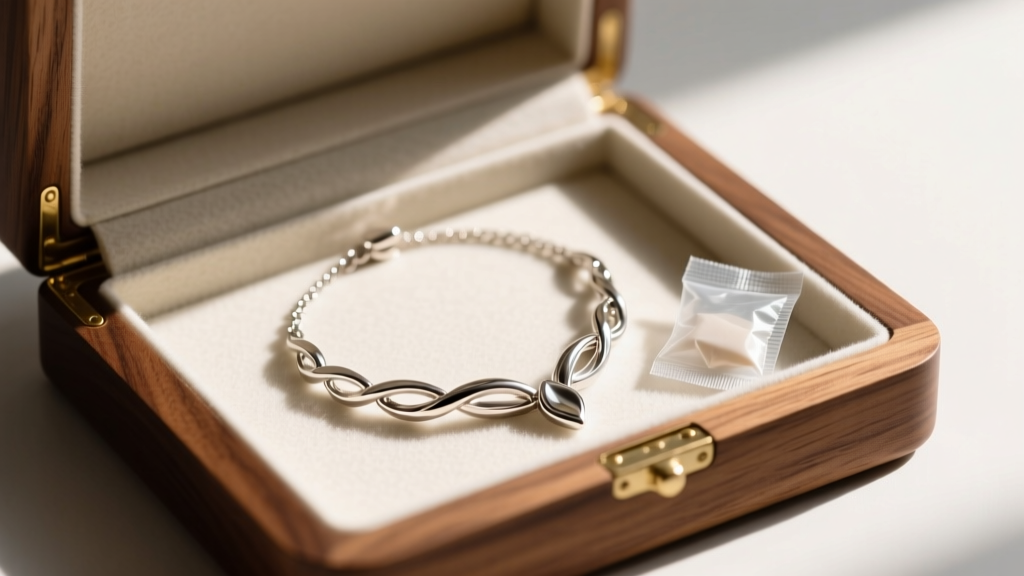
Build shallow, removable valet trays that can be lifted out entirely. This allows you to vacuum dust from the deep recesses of the box and clean the trays separately. Furthermore, route hidden, shallow recesses beneath the bottom drawer or behind the interior lid panels to hold indicating silica gel packets or activated charcoal sachets. These desiccants regulate the relative humidity (RH) inside the box, keeping it between the ideal 40% and 50% RH. This prevents the drying and cracking of opals and emeralds, which rely on trace moisture for structural integrity.
Routine Care for Your Custom Storage Piece
Building an archival-safe box is only the first step; maintaining its protective environment is an ongoing responsibility.
- Recharging Desiccants: Every 3 to 6 months, remove the silica gel packets. If you are using indicating silica (which turns from blue to pink when saturated), bake the packets on a foil-lined baking sheet at 250°F (120°C) for two hours to drive off the absorbed moisture and reactivate them.
- Exterior Cleaning: Never use commercial aerosol furniture polishes (which contain silicones and petrochemicals) on the exterior of your jewelry box. These can migrate into the interior over time. Instead, dust with a microfiber cloth and occasionally apply a light coat of pure, cold-pressed tung oil or a microcrystalline wax like Renaissance Wax to the exterior shell.
- Lining Replacement: Inspect your Pacific Silvercloth or cotton linings annually. If the Silvercloth has turned completely dark brown, or if the cotton feels damp or smells musty, carefully peel it up and replace it using a thin, archival-safe double-sided tape or a light application of neutral pH adhesive.
By treating the construction of your jewelry box as an exercise in conservation science rather than mere woodworking, you create an heirloom-quality vault. This meticulous approach ensures that the gold, silver, and precious gems stored within remain as brilliant decades from now as the day they were first placed inside.


