Ultimate Homde Jewelry Box Cleaning & Maintenance Guide
Learn expert tips to clean, maintain, and protect your Homde jewelry box. Discover how to remove dust, prevent tarnish, and care for velvet interiors.
Understanding Your Homde Organizer's Materials
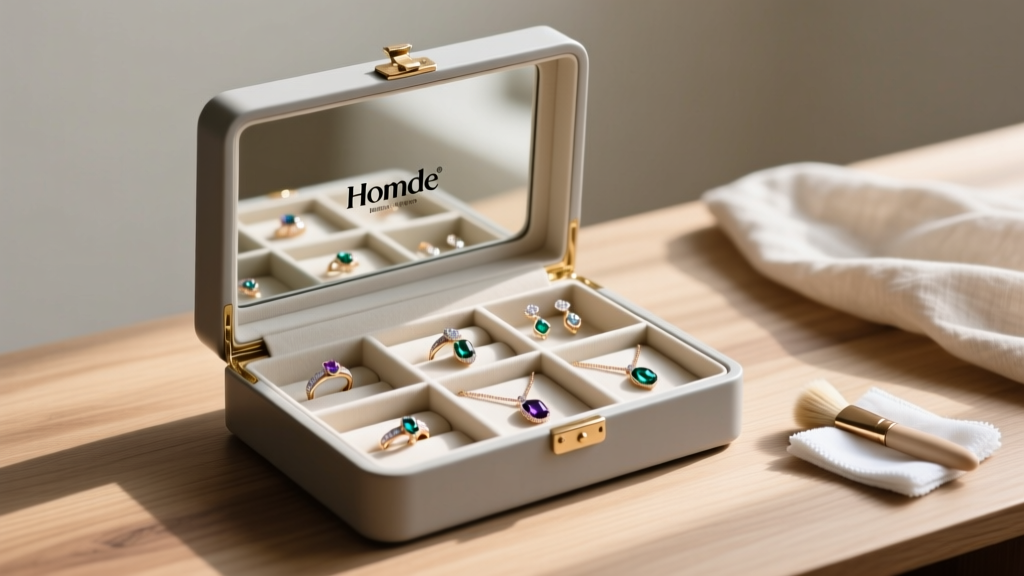
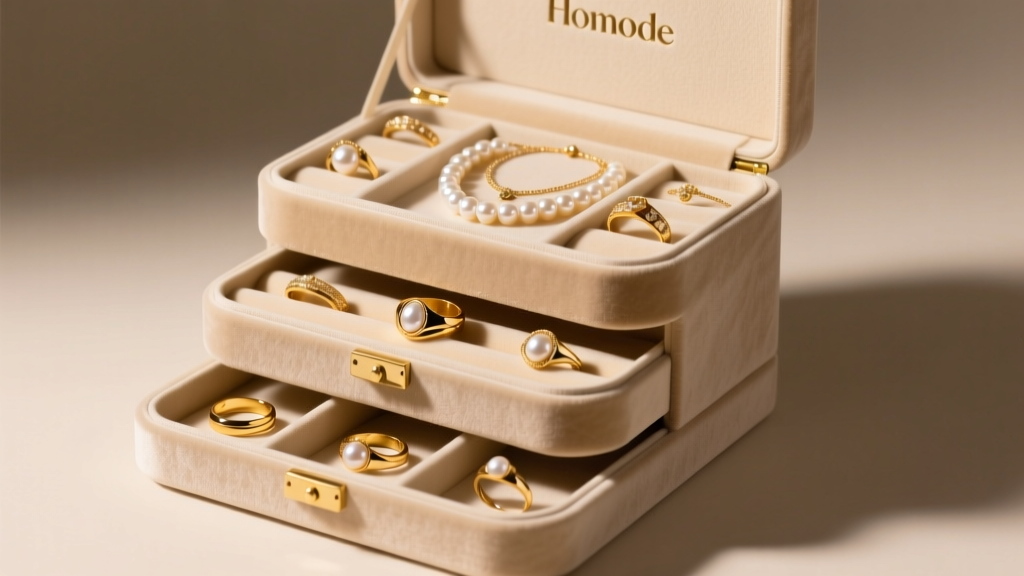
Before applying any cleaning solutions to your homde jewelry box, it is critical to understand the material composition of modern jewelry organizers. Homde boxes are typically constructed using a medium-density fiberboard (MDF) or engineered wood frame, wrapped in polyurethane (PU) leather, and lined with synthetic velvet (usually a polyester or nylon pile). The hardware, including clasps and hinges, is generally made from zinc alloy with a brass or chrome plating.
Each of these materials reacts differently to moisture and chemicals. For instance, while natural leather requires conditioning oils to prevent cracking, PU leather is essentially a plastic coating over a fabric backing. Applying traditional leather conditioners to a PU exterior will not penetrate the surface; instead, it will leave a greasy, tacky residue that attracts dust and degrades the synthetic topcoat over time. Similarly, the water-based adhesives used to bind the velvet lining to the interior panels are highly susceptible to water damage. Excessive moisture can dissolve these glues, causing the velvet to bubble, wrinkle, or peel away from the backing board.
Step-by-Step Cleaning Guide for Velvet Interiors
The plush interior of your organizer is designed to prevent micro-scratches on precious metals and gemstones. However, velvet is a magnet for dead skin cells, cosmetic powders, and ambient dust. According to conservation guidelines from the Victoria and Albert Museum, synthetic textiles require gentle, low-moisture cleaning methods to preserve their pile structure.
1. Dry Extraction (Weekly Maintenance)
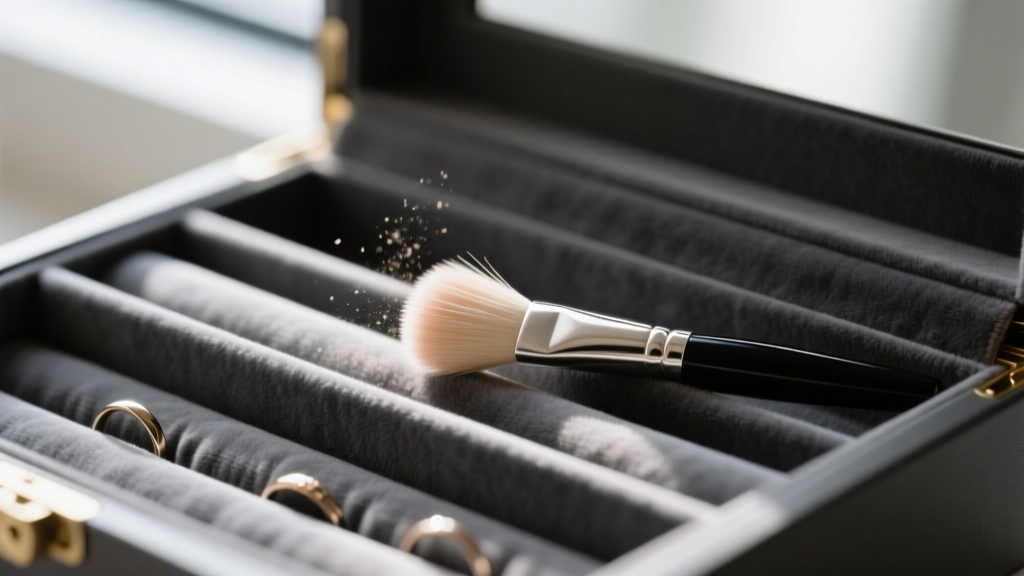
Never use a vacuum cleaner directly on the velvet, as the suction can pull the fabric away from its adhesive backing. Instead, use a clean, dry, soft-bristled makeup brush (like a large powder brush) to gently agitate the dust out of the ring rolls and necklace hooks. Follow this by pressing a high-quality lint roller over the flat surfaces to lift the suspended particles.
2. Spot Cleaning Stains (As Needed)
If a foundation spill or lotion smudge occurs, avoid soaking the area. Mix one drop of mild, pH-neutral dish soap into a cup of distilled water. Dip a microfiber cloth into the solution and wring it out until it is barely damp. Dab—do not rub—the stain gently. Rubbing will crush the synthetic velvet pile and cause permanent matting. Allow the area to air dry completely with the box lid open to prevent trapped humidity.
Maintaining the PU Leather Exterior and Hardware
The exterior of a homde jewelry box requires a different approach. To remove fingerprints and cosmetic smudges from the PU leather, create a 50/50 solution of distilled water and white vinegar. Lightly mist a microfiber cloth (never spray the box directly) and wipe the surface in gentle, circular motions. The mild acidity of the vinegar cuts through oils without damaging the polyurethane coating. Dry immediately with a separate clean cloth.
For the metal hardware, avoid using liquid silver polishes or abrasive pastes. These products often contain ammonia or sulfur compounds that can cause irreversible discoloration if they accidentally drip onto the velvet lining or the PU exterior. Instead, use a dry, untreated jeweler's polishing cloth to buff the zinc alloy hinges and clasps once a month to maintain their luster and prevent oxidation.
Anti-Tarnish Strategies for Enclosed Storage
While enclosed organizers protect jewelry from physical damage, they can inadvertently trap humidity and airborne sulfur compounds, accelerating the tarnishing process—particularly for sterling silver and copper alloys. The Gemological Institute of America (GIA) emphasizes that controlling the micro-climate inside your storage unit is just as important as the physical cleaning of the pieces themselves.
To optimize the internal environment of your Homde box, incorporate passive anti-tarnish agents. Below is a comparison of the most effective solutions for enclosed organizers:
| Anti-Tarnish Agent | Active Lifespan | Best Used For | Estimated Cost |
|---|---|---|---|
| 3M Anti-Tarnish Strips | 6 Months | Silver, Copper, Brass (Absorbs sulfur gases) | $12 - $15 / pack |
| Silica Gel Packets (Indicator) | 2 - 4 Weeks | Moisture control (Crucial for Pearls & Opals) | $10 / bulk box |
| Activated Charcoal Sachets | 3 - 6 Months | Odor and general humidity absorption | $8 - $12 / pack |
| Chalk (Calcium Carbonate) | 2 - 3 Months | Budget-friendly moisture barrier | Under $2 |
Pro Tip: Place a small silica gel packet in the bottom drawer of your Homde box and tuck an anti-tarnish strip behind the necklace hooks in the top lid. Replace the silica gel when the indicator beads turn from orange to dark green or blue, signaling they are saturated with moisture.
Troubleshooting Common Homde Box Issues
Even high-quality mass-market organizers experience mechanical wear over time. Here is how to address the most common issues without causing further damage to your unit.
Sticking Drawers
The drawers in multi-tier organizers slide on MDF or wooden runners. Over time, friction and dust buildup can cause them to stick. Do not use WD-40 or liquid lubricants, as these will stain the velvet and emit harsh chemical fumes that can damage porous gemstones like turquoise. Instead, rub a plain, unscented paraffin wax candle or a block of beeswax along the bottom edges of the drawer and the interior tracks. This provides a dry, safe lubrication that restores smooth operation.
Lifting or Peeling Velvet
If the velvet interior begins to lift at the seams, resist the urge to use cyanoacrylate (Super Glue). Super glue cures into a hard, brittle plastic that will melt synthetic fibers and leave a permanent, crusty white residue. Use a flexible, clear-drying fabric adhesive like Beacon Fabri-Tac. Apply a microscopic amount with a toothpick, press the velvet down, and hold it in place with a piece of painter's tape for 30 minutes while the glue sets.
Loose Hinges and Clasps
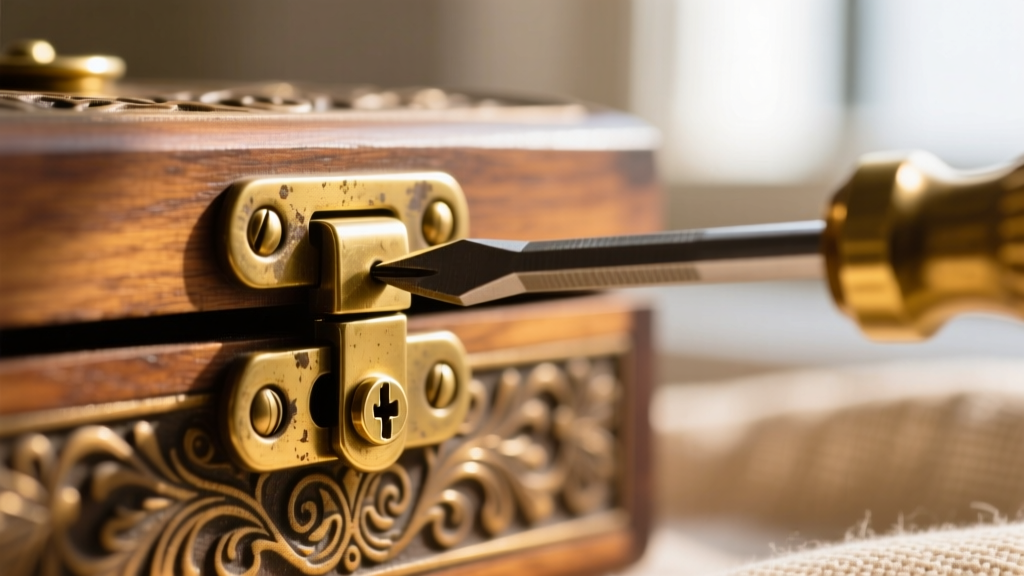
Frequent opening and closing can loosen the tiny screws securing the lid hinges. Keep a precision eyeglass screwdriver kit on hand. If a screw has stripped the MDF hole, remove the screw, insert a wooden toothpick dipped in wood glue into the hole, snap off the excess, and let it dry overnight. This creates a new, solid wood core for the screw to grip when you reassemble the hinge.
Long-Term Care and Environmental Placement
Where you place your homde jewelry box dictates its lifespan. Never store your organizer in a bathroom, where extreme fluctuations in heat and humidity will cause the MDF frame to swell and the PU leather to delaminate. Similarly, avoid placing the box on a windowsill or in direct sunlight; UV radiation will fade the synthetic velvet interior and cause the exterior polyurethane to crack and peel.
For optimal preservation, keep your organizer on a bedroom dresser or inside a closet, maintaining a stable room temperature of around 68°F (20°C) with a relative humidity level between 40% and 50%. By combining proper environmental placement with the targeted cleaning techniques outlined above, your Homde jewelry box will remain a pristine, protective sanctuary for your collection for years to come.
For more detailed advice on caring for the jewelry itself, the American Gem Society offers excellent resources on cleaning specific gemstones and metals before placing them back into your freshly maintained organizer.


