Decoupage Jewelry Box Materials: Wood, MDF & Glass
Compare wood, MDF, and glass bases for your decoupage jewelry box. Learn about material grades, sealant compatibility, and archival safety.

The Foundation of Archival Jewelry Storage
Decoupage is often dismissed as a simple craft technique, but when applied to jewelry storage, it becomes a sophisticated method for creating bespoke, archival-safe organizational pieces. The success of a decoupage jewelry box relies entirely on the substrate—the base material you choose. In 2026, crafters and professional jewelers alike are moving away from mass-produced, chemically treated storage and toward custom, hand-finished pieces that protect fine metals and gemstones. However, applying water-based adhesives and sealants to different substrates introduces complex material science challenges. Tannin bleed, moisture swelling, and off-gassing can all compromise both the aesthetic of the decoupage and the safety of the jewelry stored inside. This guide provides a deep-dive comparison of the three primary substrates used for decoupage jewelry boxes: solid wood, MDF, and glass.
Solid Wood: The Traditional Standard
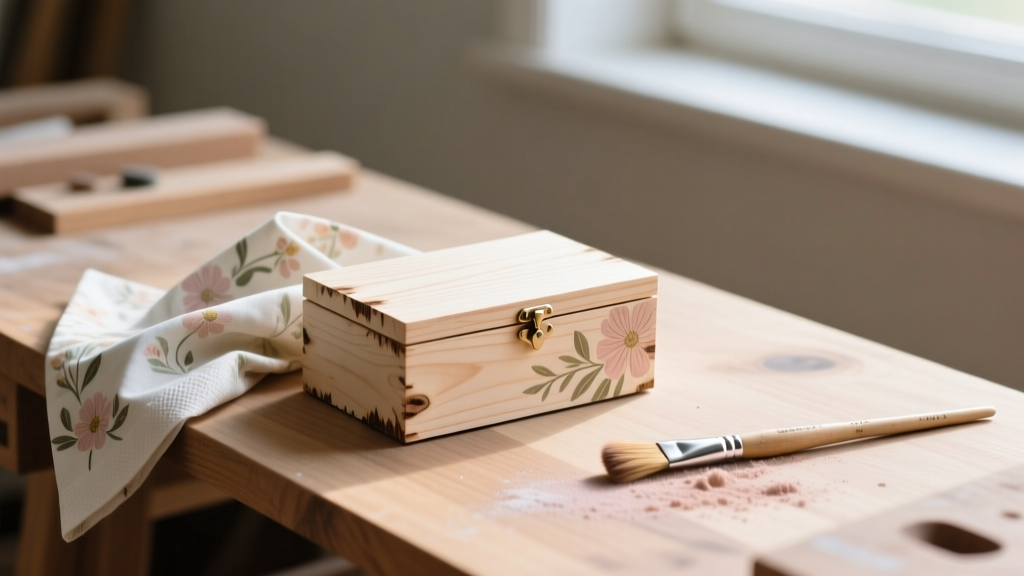
Solid wood and high-grade plywood offer the most durable and traditional foundation for a decoupage jewelry box. The natural rigidity of wood ensures that drawers slide smoothly and hinges remain aligned over decades of use. However, not all wood species are created equal when it comes to accepting decoupage mediums.
Species Selection and Tannin Management
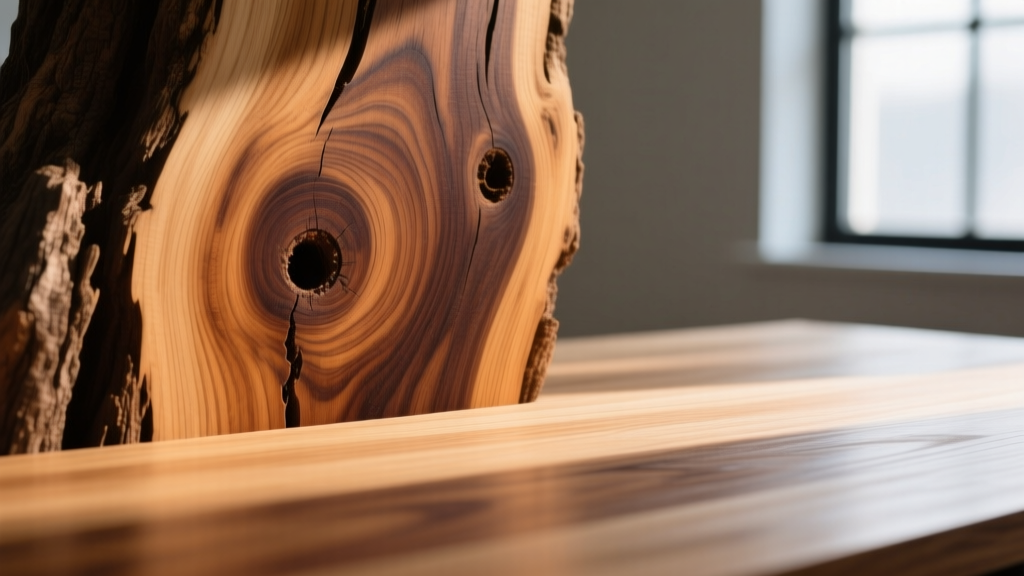
The primary enemy of decoupage on wood is tannic acid. Woods like oak, cherry, and mahogany are rich in tannins. When you apply a water-based decoupage glue (such as standard PVA formulations), the moisture reactivates these tannins, causing them to bleed through the paper and create ugly yellow or brown stains. According to The Wood Database, open-grain woods like oak also require extensive filling with a sanding sealer or wood filler to prevent the paper from sinking into the pores, which ruins the smooth finish required for intricate paper cuts.
For the best results, opt for Basswood (Tilia americana) or Baltic Birch Plywood. Basswood has a tight, uniform grain and very low tannin content, making it an ideal canvas. Baltic birch is a void-free plywood that offers exceptional dimensional stability, meaning it will not warp when exposed to the moisture of decoupage glues. Always sand your wood base progressively from 120-grit up to 220-grit, and seal it with a dewaxed shellac primer (like Zinsser B-I-N) before applying any paper. This creates an impermeable barrier that blocks tannins and prevents moisture penetration.
MDF: The Modern Smooth Substrate
Medium-Density Fiberboard (MDF) is engineered from wood fibers combined with wax and resin under high heat and pressure. For decoupage artists, MDF offers one massive advantage: a perfectly smooth, grain-free surface that requires zero pore-filling. Intricate paper motifs, such as delicate lace patterns or thin tissue papers, lay completely flat on MDF without telegraphing underlying textures.
Moisture Sensitivity and Sizing
The critical vulnerability of standard MDF is its extreme sensitivity to moisture. If you apply a water-based decoupage medium directly to raw MDF, the exposed fibers will absorb the water and swell, creating a rough, pillowed texture that ruins the piece. To use MDF for a jewelry box, you must first 'size' the surface. Sizing involves applying a thin coat of an oil-based primer, a specialized PVA size, or a 50/50 mix of PVA glue and water, allowing it to dry completely, and then lightly sanding it with 320-grit sandpaper. This seals the fibers and creates a stable, non-porous skin.
For a premium upgrade, seek out MR-MDF (Moisture Resistant MDF), which is manufactured with moisture-repellent resins (often tinted green or brown). While MR-MDF is more forgiving, it still requires a light scuff-sand and a bonding primer to ensure your decoupage adhesive achieves a proper mechanical grip.
Glass and Acrylic: The Contemporary Approach
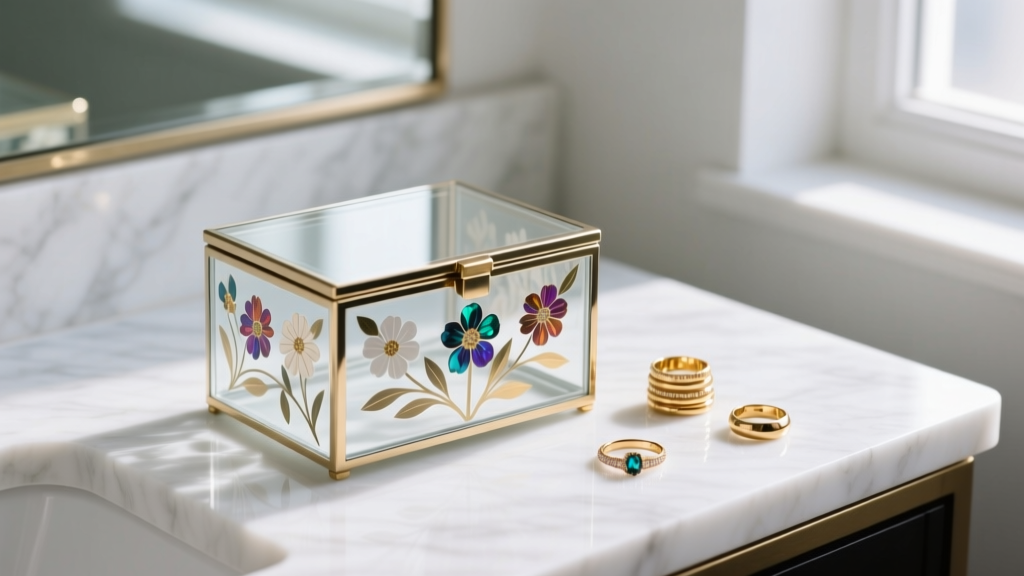
Glass and acrylic offer a luxurious, heavy, and modern aesthetic for jewelry storage. Decoupaging on glass typically involves a technique called 'reverse decoupage,' where the paper is applied to the underside or interior of the glass surface, allowing the viewer to look through the glass at the design. This creates incredible depth and a high-gloss finish without the need for top-coat sealants on the exterior.
Adhesive Chemistry for Non-Porous Surfaces
Standard decoupage glues rely on evaporation and absorption to cure. Because glass and acrylic are entirely non-porous, water-based PVA glues will remain tacky and eventually peel off. For glass substrates, you must use a specialized clear-drying adhesive, such as a two-part jewelry epoxy, a UV-curing resin, or a dedicated glass decoupage medium formulated with acrylic polymers that bond to smooth surfaces. Furthermore, when decoupaging the exterior of a glass jewelry box, you must apply an opaque backing layer (like a coat of acrylic paint or a solid layer of backing paper) over your design; otherwise, the jewelry inside the box will be visible through the back of the paper, muddying the design.
Material Comparison Matrix
Use the following matrix to select the right substrate based on your specific project requirements, skill level, and archival needs.
| Material | Grain Filling Required? | Tannin Bleed Risk | Moisture Sensitivity | Archival Safety | Avg. Price (Unfinished) |
|---|---|---|---|---|---|
| Basswood | No (Fine grain) | Low | Moderate | High (with proper sealant) | $15 - $30 |
| Baltic Birch Ply | No | Very Low | Low | High | $20 - $45 |
| Standard MDF | No | None | Extreme | Moderate (requires sealing) | $8 - $15 |
| Glass | No | None | None | Very High (inert) | $35 - $80 |
Sealants, Curing, and Tarnish Prevention
The final step in creating a decoupage jewelry box is sealing the paper to protect it from oils, moisture, and abrasion. However, the sealant you choose directly impacts the safety of the jewelry stored within. Silver, in particular, is highly susceptible to tarnishing when exposed to sulfur compounds and acidic off-gassing.
According to guidelines published by the Canadian Conservation Institute (CCI), wooden and composite storage enclosures must be properly sealed and allowed to fully off-gas before housing sensitive metals. Trapped solvents can accelerate silver sulfide formation.
For interior sealing, always use a water-based, non-yellowing polyurethane (such as Minwax Polycrylic) or an acrylic polymer medium (like Golden Soft Gel Gloss). Avoid oil-based polyurethanes or alkyd resins for the interior, as their off-gassing can take months and contains volatile organic compounds (VOCs) that promote tarnish.
Critically, a 'dry to the touch' sealant is not fully cured. Water-based acrylics require a minimum of 21 to 30 days to fully cross-link and stop off-gassing in a climate-controlled environment (68°F to 72°F with 40-50% relative humidity). Do not store fine silver or pearls in a newly sealed decoupage box until this curing period is complete. Additionally, ensure the paper you use for your decoupage is acid-free or pH-buffered, as standard commercial papers will degrade and release acidic vapors over time, compromising the interior environment. For verified archival materials, consult resources like Archival Methods to ensure your paper and adhesives meet strict preservation standards.
Conclusion
Building a decoupage jewelry box is an exercise in material compatibility. If you prioritize a classic, heirloom-quality piece and are willing to manage tannins and grain, basswood and Baltic birch are unmatched. If you need a flawless, ultra-smooth canvas for micro-cut paper designs and are prepared to manage moisture exposure, properly sized MDF is the modern crafter's secret weapon. Finally, for a contemporary, high-end display piece that guarantees an inert environment for sensitive gems, reverse-decoupaged glass offers unparalleled elegance. By matching your substrate to your adhesive chemistry and allowing for proper archival curing, your custom jewelry storage will protect and showcase your collection for generations.


