2026 Gift Guide: Crafting a Premium DIY Jewelry Box
Discover how to craft a premium DIY jewelry box for any 2026 occasion. Learn material grades, anti-tarnish linings, and expert hardware tips.

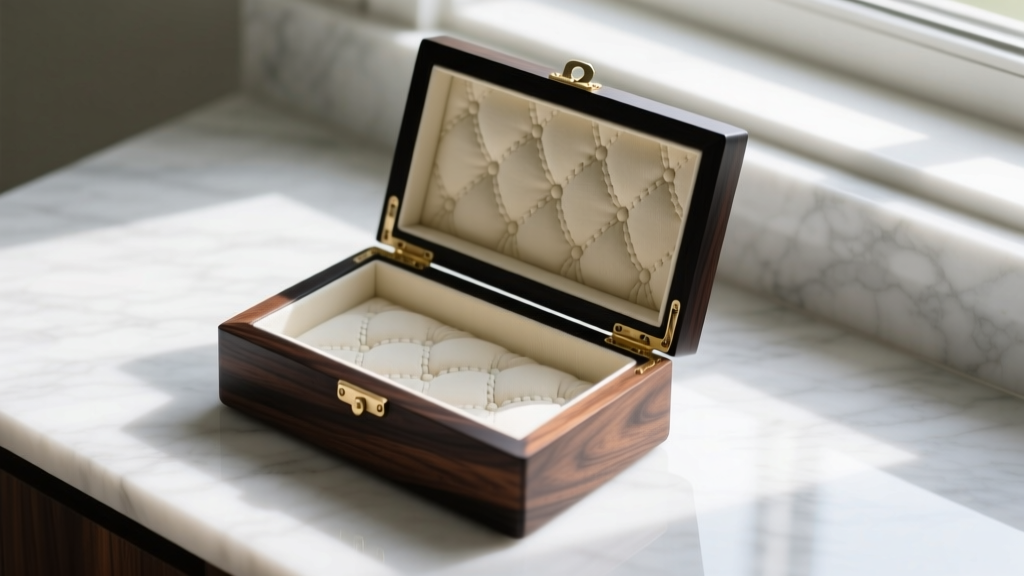
The Shift to Hyper-Personalized Gifting in 2026
In an era where mass-produced goods dominate the market, the most memorable gifts are those that require time, skill, and a deep understanding of the recipient. As we navigate the 2026 gifting season, a meticulously crafted DIY jewelry box stands out as the ultimate expression of thoughtfulness. Unlike generic store-bought organizers, a handcrafted storage solution can be tailored to the exact dimensions of a loved one's collection, their personal aesthetic, and the specific environmental needs of their most prized gemstones.
However, building a heirloom-quality DIY jewelry box requires moving beyond standard craft store supplies. The difference between a box that protects fine jewelry and one that actively degrades it comes down to material science: understanding wood off-gassing, adhesive pH levels, and the chemical composition of interior linings. This guide will walk you through matching your DIY build to specific life occasions, ensuring your gift is both beautiful and structurally protective.
Matching the DIY Build to the Occasion
Every major life event carries a distinct emotional weight and practical need. When designing your DIY jewelry box, the choice of wood, lining, and hardware should reflect the occasion. Below is a strategic framework for matching your build to the recipient's milestone.
| Occasion | Wood Base | Lining Material | Hardware | Est. Cost |
|---|---|---|---|---|
| 10th Anniversary | Black Walnut | Cream Luster-Loc | Solid Brass Butt Hinges | $85 - $120 |
| Bridesmaid Proposal | Baltic Birch Ply | Blush Vegan Suede | Hidden Magnetic Clasp | $40 - $60 |
| College Graduation | American Cherry | Pacific Silvercloth | Brass Piano Hinge | $90 - $150 |
The Romantic Anniversary: Walnut & Velvet Alternatives
For a milestone anniversary, the DIY jewelry box should feel substantial and luxurious. Black Walnut (Juglans nigra) offers a rich, dark grain that takes a hard wax oil finish beautifully. Instead of traditional velvet—which can crush over time and trap dust—opt for Luster-Loc, a specialized archival fabric treated with anti-tarnish properties. Pair this with solid brass hardware to ensure the box feels heavy and expensive when opened.
The Bridesmaid Proposal: Travel-Friendly & Minimalist
Bridesmaids need functional, portable storage for wedding weekend essentials. A laser-cut Baltic Birch plywood box with a sliding or magnetic closure is ideal. Baltic Birch is dimensionally stable and won't warp in varying hotel room humidities. Line the interior with a high-quality blush or champagne vegan suede, creating dedicated, snug compartments for stud earrings and delicate chains that won't tangle during transit.
The Graduate's First Heirloom: Cherry & Anti-Tarnish
A college graduate entering the professional world is likely building their first collection of fine jewelry. American Cherry wood ages beautifully, darkening to a rich amber over time. Because they may be storing inherited silver pieces, lining the box with Pacific Silvercloth is non-negotiable. This fabric is embedded with microscopic silver particles that absorb tarnish-causing gases before they reach the jewelry.
The Anti-Tarnish Lining Masterclass
The most critical mistake DIY builders make is sourcing lining materials from standard craft stores. Typical craft felt is dyed with acidic chemicals and often contains sulfur, which will rapidly tarnish sterling silver and react with copper alloys. Furthermore, standard felt traps moisture, creating a microclimate that accelerates oxidation.
To build a truly protective DIY jewelry box, you must source archival-grade materials. The American Institute for Conservation recommends using unbuffered, acid-free materials for storing metals and organic gems. For silver, Hagerty's Pacific Silvercloth is the gold standard. For gold and diamonds, Luster-Loc or untreated, unbleached cotton flannel are excellent choices.
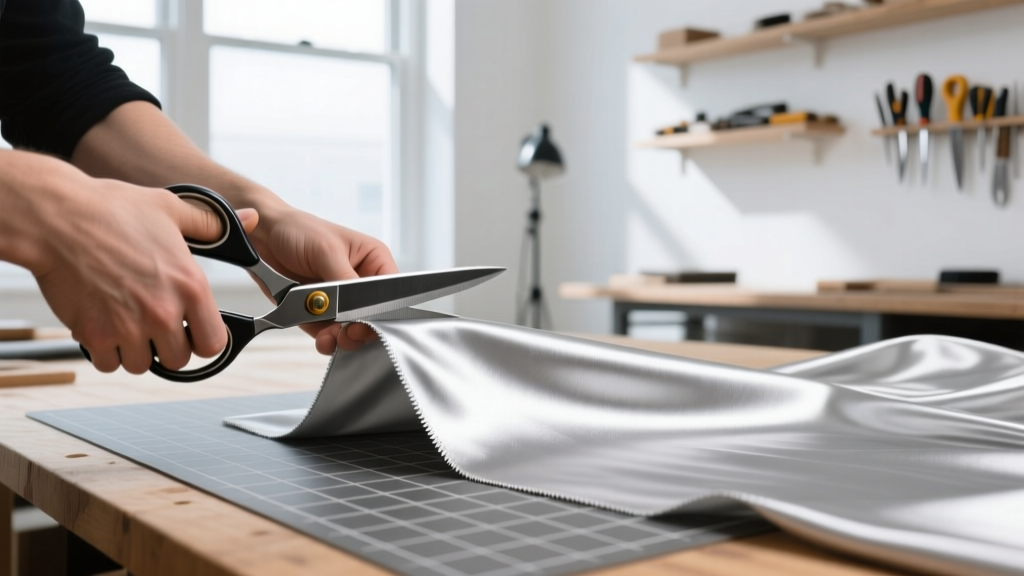
When adhering the lining to the wood, never use hot glue. Hot glue melts in summer heat, releases acidic vapors, and leaves permanent, lumpy residue. Instead, use an acid-free PVA adhesive like Lineco Neutral pH Adhesive, or apply 3M 9080HL double-sided tissue tape for a perfectly flat, wrinkle-free finish.
Wood Selection and Finishing: Avoiding Chemical Damage
The wood you choose dictates the structural integrity and chemical safety of the box. Avoid Medium Density Fiberboard (MDF) and standard pine. MDF off-gasses formaldehyde and other volatile organic compounds (VOCs) that can permanently dull the luster of pearls and opals. Pine contains high levels of sap and resin, which can bleed through finishes and stain delicate fabrics over time.
Opt for closed-grain hardwoods like Maple, Cherry, or Walnut. When it comes to finishing the wood, avoid polyurethane. Polyurethane creates a plastic-like seal that traps moisture inside the wood and can take months to fully off-gas. According to the Gemological Institute of America (GIA), organic gems like pearls require a slight exchange of air to prevent dehydration and cracking. Instead, finish your DIY jewelry box with a natural hard wax oil, such as Rubio Monocoat, or traditional dewaxed shellac. These finishes penetrate the wood fibers, provide a beautiful hand-rubbed luster, and remain chemically inert once cured.
Hardware Selection: Where DIY Boxes Fail
Nothing ruins the illusion of a premium handcrafted box faster than flimsy, plated hardware. Standard craft store hinges are typically made of stamped steel with a thin brass plating that will peel and rust within a few years. Furthermore, they often lack the structural tolerance to keep the lid aligned, causing the box to wobble or snap shut unexpectedly.
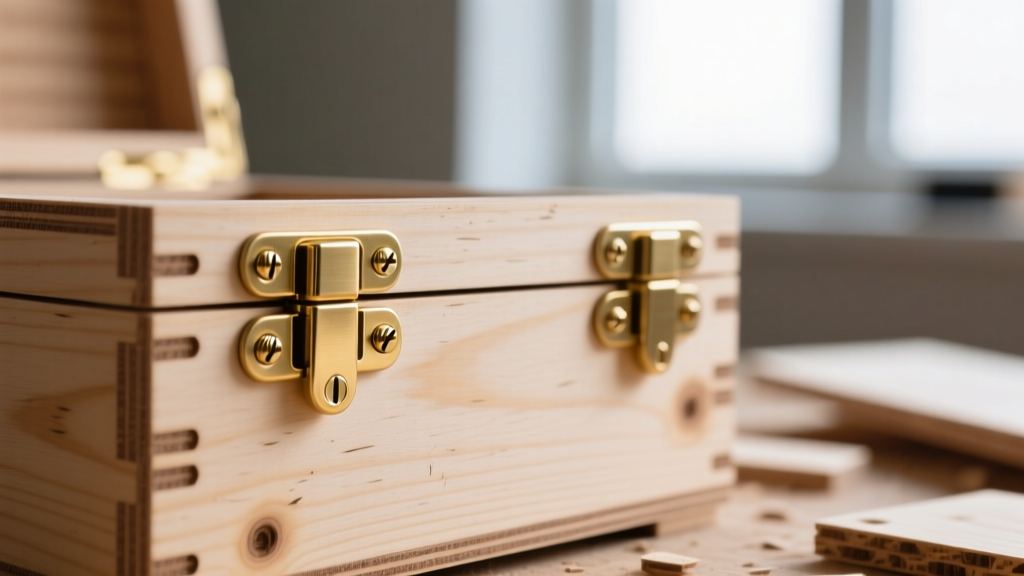
Invest in solid brass butt hinges from reputable woodworking suppliers like Brusso. Solid brass is inherently corrosion-resistant and can be polished indefinitely. When installing these hinges, take the time to cut precise mortises (recesses) into the wood rather than simply surface-mounting them. Mortising ensures the hinge sits flush, distributing the mechanical stress across a wider surface area and preventing the screws from stripping out of the end grain over time. Use the exact steel drill bits recommended by the hinge manufacturer to pre-drill your screw holes, and lubricate the brass screws with a dab of beeswax before driving them in to prevent the soft brass heads from shearing off.
Compartmentalization: Designing for Specific Jewelry Types
A beautiful box is useless if the interior layout damages the contents. When designing the internal dividers of your DIY jewelry box, you must account for the physical dimensions and vulnerability of different jewelry categories.
- Ring Rolls: If incorporating a ring roll, ensure the individual slots are spaced at least 1.5 inches apart. Crowded rings will scratch each other, especially if one features a diamond (Mohs hardness of 10) and the other is soft 18k gold.
- Necklace Drops: To prevent chain tangling, necklace hooks must offer a minimum vertical drop of 8 inches. Include a small felt pad at the base of the drop zone to catch the clasp and prevent it from swinging and scratching the interior wood.
- Watch and Bangle Pillows: Standard jewelry box pillows are often too small for modern timepieces. Design watch compartments with a minimum width of 2.5 inches and use memory foam wrapped in anti-tarnish fabric to support the bracelet without putting undue pressure on the spring bars.
Final Thoughts on the Handcrafted Gift
Building a DIY jewelry box is an exercise in precision, patience, and material science. By selecting archival linings, chemically inert finishes, and solid brass hardware, you elevate your project from a simple craft to a functional heirloom. Whether you are commemorating a decade of marriage or celebrating a new graduate's first steps into the professional world, a thoughtfully engineered jewelry storage solution is a gift that will protect their most cherished memories for generations to come.


