Best Materials to Build a Do It Yourself Jewelry Display
Discover the best woods, acrylics, and metals to build a do it yourself jewelry display. Compare tarnish risks, load limits, and sealing methods.

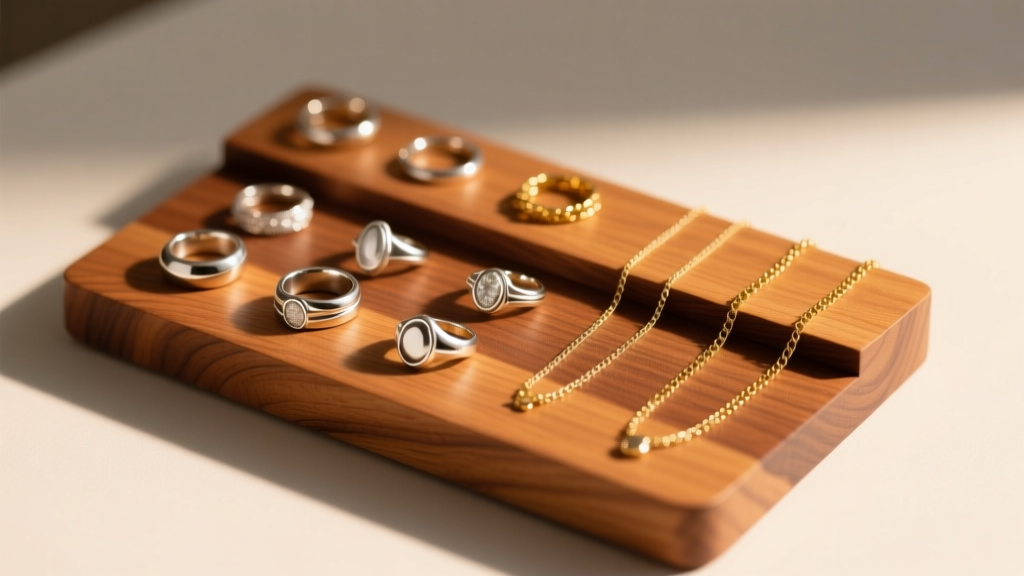
Building a custom storage solution for your collection is a rewarding project, but the structural and chemical properties of your chosen materials dictate the longevity of your pieces. A poorly planned do it yourself jewelry display can inadvertently accelerate tarnishing, scratch delicate gemstones, or fail under the weight of heavy statement necklaces. In 2026, with the rising cost of precious metals and vintage pieces, understanding material science is no longer optional for serious collectors and DIYers. This guide breaks down the exact material properties, off-gassing risks, and load-bearing capacities you need to consider before cutting, drilling, or gluing your next display stand.
The Hidden Chemistry: Wood Acidity and Tarnish
Not all woods are safe for precious metals. Many DIYers default to oak or cedar because they are cheap and readily available at hardware stores. However, oak emits high levels of acetic acid vapor, while cedar releases aromatic oils and organic acids. In a confined display case or under a glass cloche, these volatile organic compounds (VOCs) create a microenvironment that rapidly accelerates the oxidation of silver and the corrosion of copper alloys. Museum conservators use the Oddy test to evaluate material off-gassing, and the results consistently flag fresh oak and unsealed cedar as hazardous to metal artifacts.
For a safe do it yourself jewelry display, opt for low-acidity hardwoods. Hard maple (Acer saccharum), birch, and poplar are chemically stable and have a near-neutral pH once properly dried and sealed. If you must use a high-tannin wood like walnut or oak for aesthetic reasons, it must be hermetically sealed with a barrier coat, such as Zinsser Bullseye shellac or a two-part epoxy resin, to trap the acidic vapors before they reach your jewelry.
Material Load-Bearing and Structural Comparison
When designing tiered stands or cantilevered earring holders, material density and tensile strength are critical. A display that sags over time will not only look unprofessional but can cause necklaces to slip off hooks and tangle. Below is a comparison of common DIY base materials and their structural limits.
| Material | Janka Hardness / Tensile Strength | Best Application | Failure Mode |
|---|---|---|---|
| Hard Maple | 1,450 lbf (Janka) | Heavy tiered stands, ring cones | Splitting if drilled without pilot holes |
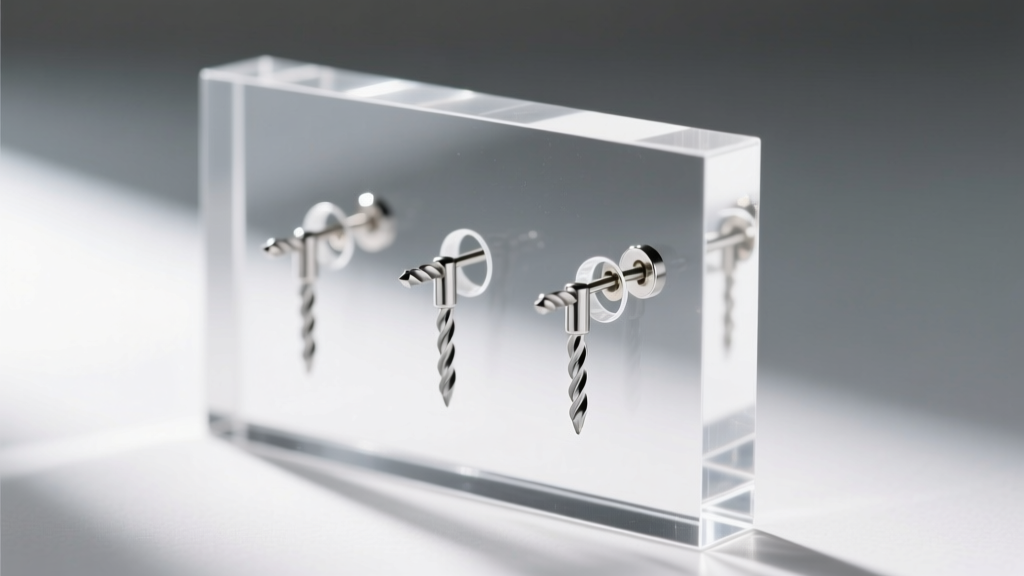
| Cast Acrylic (PMMA) | 10,000 psi (Tensile) | Earring cards, transparent risers | Micro-fractures and cracking under torque |
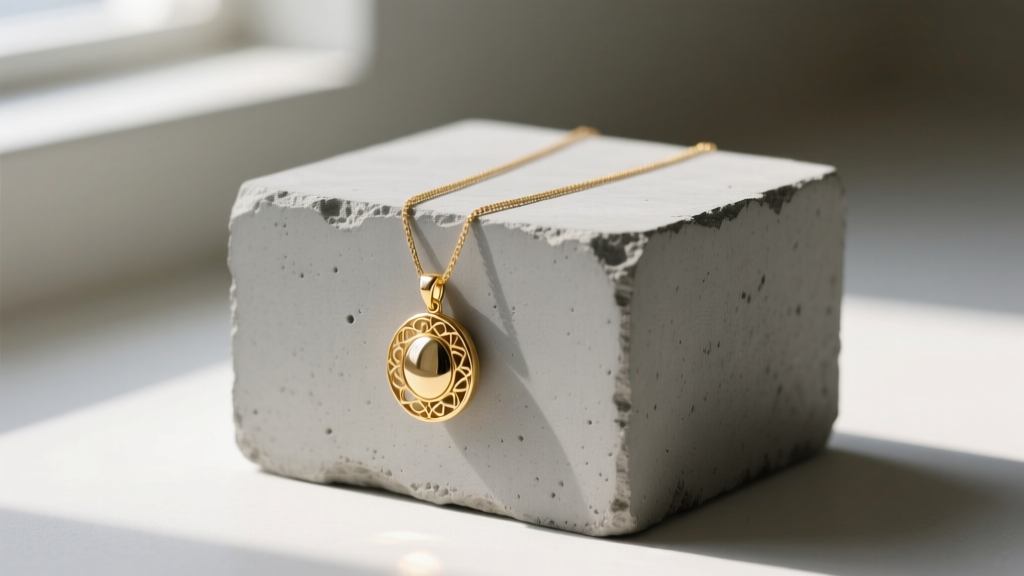
| Cast Concrete | 3,000 - 4,000 psi (Compressive) | Minimalist heavy bases, bust forms | Chipping on edges, alkaline residue |
| 316L Stainless Wire | 75,000 psi (Tensile) | Suspended mesh displays, hooks | Bending under dynamic load (snagging) |
Deep-Dive: Evaluating Core DIY Materials
1. Hardwoods (Maple, Birch, and Walnut)
Wood offers unparalleled warmth and workability. When sourcing lumber for a do it yourself jewelry display, always choose kiln-dried hardwoods with a moisture content below 8%. Air-dried or construction-grade pine will warp as it acclimates to your home's HVAC environment, causing joints to loosen. For turning ring cones or carving bracelet ramps on a lathe, hard maple is the gold standard due to its tight grain structure, which sands to a glass-like 400-grit finish without requiring heavy pore-filling pastes.
2. Cast Acrylic vs. Extruded Acrylic
Acrylic provides a modern, gallery-style aesthetic that lets the jewelry take center stage. However, you must specifically purchase cast acrylic (often labeled as cell-cast PMMA), not extruded acrylic. Extruded acrylic is manufactured by pushing melted plastic through a die, creating internal molecular stresses. When you drill holes for earring posts or use a router to create display slots, extruded acrylic will melt, gum up your bits, and develop spider-web micro-fractures. Cast acrylic machines cleanly, accepts flame-polishing for crystal-clear edges, and withstands the torque of inserted jewelry components.
3. Cast Concrete and Plaster
Concrete and high-density plaster (like Hydrocal) are popular for creating ultra-modern, brutalist display blocks. The critical danger here is alkalinity. Freshly cured concrete has a pH between 12 and 13. If raw silver, copper, or porous gemstones like turquoise and opal rest directly against an unsealed alkaline surface, it can cause severe chemical etching and destroy delicate gemstone treatments. You must seal concrete displays with a water-based polyurethane or a penetrating epoxy sealer, bringing the surface pH to a neutral 7 before placing any jewelry on it.
Barrier Coatings and Anti-Tarnish Sealants
Even safe materials benefit from a protective barrier to prevent dust accumulation and minor chemical interactions. For wooden displays, avoid standard polyurethane varnishes, which can remain slightly tacky and emit slow-curing VOCs. Instead, use microcrystalline waxes like Renaissance Wax. Originally developed by the British Museum, this wax creates a hard, inert, moisture-proof barrier that will not transfer to your jewelry or attract lint. Apply two thin coats, buffing with a microfiber cloth between applications. For fabric-lined drawers within your DIY display, line the bottom with Pacific Silvercloth or treated anti-tarnish flannel, which actively absorbs hydrogen sulfide from the air before it can react with your silver.
Wire and Mesh: Choosing the Right Alloy
If your do it yourself jewelry display incorporates wire grids or suspended hooks for necklaces, the alloy you choose is paramount. Avoid cheap galvanized steel or uncoated brass, which will eventually rust or develop a sticky verdigris patina that can stain clothing and skin. Invest in 316L marine-grade stainless steel wire. The addition of molybdenum in 316L makes it highly resistant to chlorides and humidity, making it the only safe wire choice if your display is located in a bathroom, near a kitchen, or in a coastal climate. For the hooks themselves, 12-gauge wire provides enough rigidity to hold heavy multi-strand bead necklaces without bending, while 16-gauge is ideal for lightweight chain organization.
Final Sourcing and Preparation Checklist
- Moisture Testing: Use a digital pin moisture meter on all wood before assembly. Reject anything reading above 8%.
- Edge Profiling: Route a minimum 1/8-inch roundover on all wood and acrylic edges. Sharp 90-degree corners will snag and scratch delicate chain links and prong settings.
- Hardware Selection: Use brass or stainless steel screws and brackets. Standard zinc-plated hardware will rust and stain your display base over time.
- The Oddy Test Rule: If incorporating adhesives, glues, or 3D-printed resins into your display, allow them to off-gas in a ventilated area for a minimum of 14 days before introducing precious metals.
By prioritizing chemical stability and structural integrity over mere aesthetics, your custom build will serve as a safe, functional, and beautiful archive for your collection for decades to come.


