The Ultimate 2026 Gift Guide: DIY Wooden Jewelry Box Plans
Discover the best wooden jewelry box plans for 2026. Match DIY woodworking projects to anniversaries, weddings, and holidays with expert material guides.

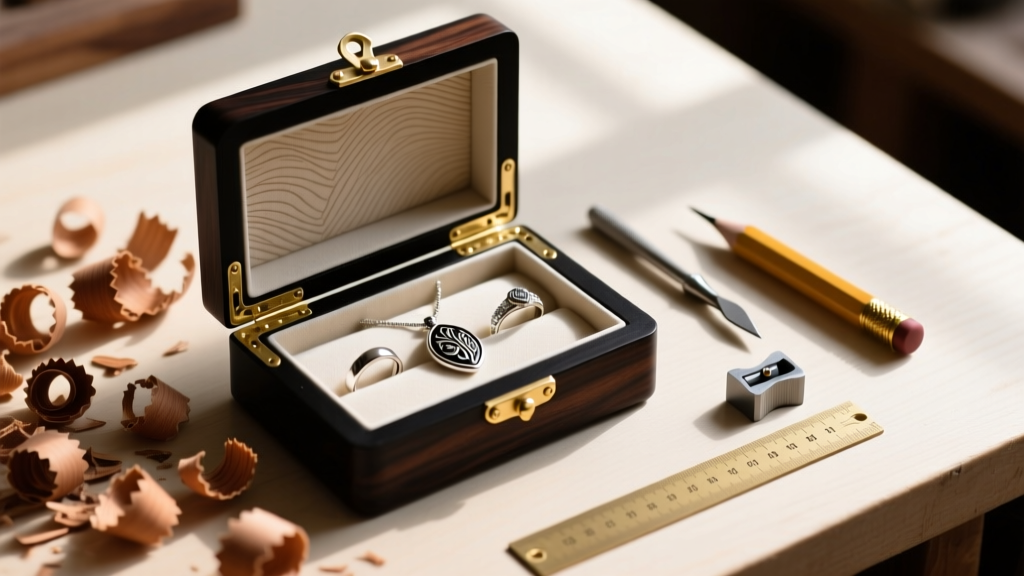
The Shift Toward Bespoke Gifting in 2026
In an era dominated by mass-produced, dropshipped goods, the act of gifting a handcrafted wooden jewelry box has become a profound statement of care and permanence. For woodworkers and DIY enthusiasts, selecting the right wooden jewelry box plans is no longer just about practicing joinery; it is about engineering a highly functional, heirloom-quality storage solution tailored to the recipient's specific lifestyle and jewelry collection. As we move through 2026, the most sought-after gift guides emphasize personalization, sustainable material sourcing, and integrated anti-tarnish technologies.
Whether you are preparing for a milestone anniversary, a university graduation, or a wedding, the architecture of your box must match the occasion. A delicate ring box requires vastly different internal geometry than a sprawling valet chest for a watch collector. This guide bridges the gap between traditional woodworking plans and modern jewelry storage requirements, providing you with the exact specifications, material grades, and hardware choices needed to elevate your next DIY gift from a simple project to a generational keepsake.
Matching the Plan to the Occasion
The 5th Anniversary (Wood): Heirloom Walnut Valet
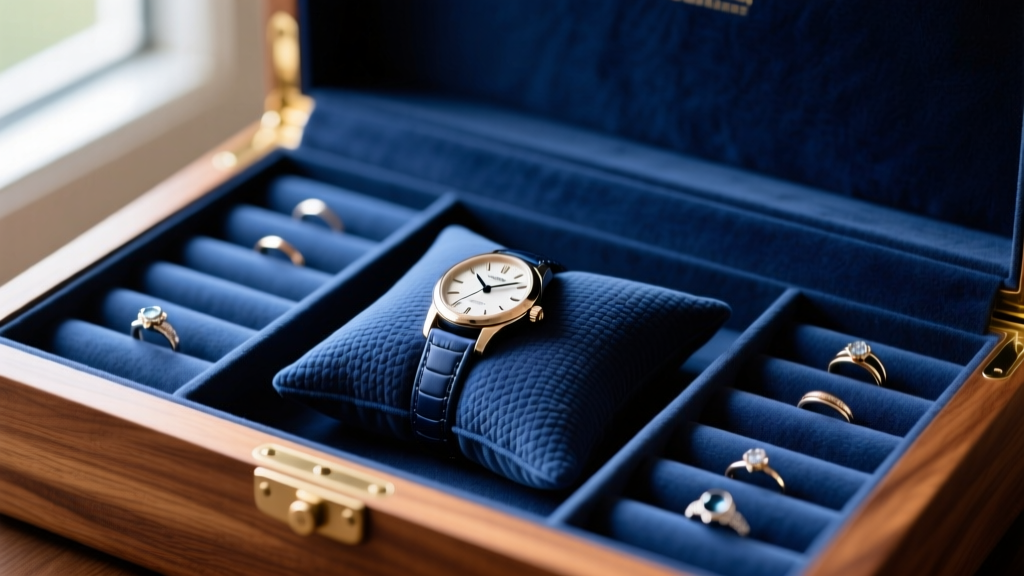
The traditional gift for a fifth wedding anniversary is wood, making a custom-built valet box the ultimate gesture. For this occasion, select plans that feature a large, divided upper tray and a deep lower drawer. Black Walnut (Juglans nigra) is the premier choice here. Its rich, chocolate-brown heartwood and striking cathedral grain patterns convey luxury without the need for excessive ornamentation. When sourcing walnut, look for 'FAS' (First and Second) grade lumber to ensure long, clear cuts for the lid and side panels. A valet box designed for this occasion should measure approximately 14 inches wide by 10 inches deep, providing ample surface area for daily-wear bracelets, stud earrings, and a dedicated watch pillow.
Graduation & Milestones: Maple Travel Cases
For a college graduate entering the professional world or a frequent traveler, a robust, compact travel case is a highly practical gift. Hard Maple (Acer saccharum) is exceptionally durable, boasting a Janka hardness rating of 1,450 lbf, which protects the box from the dings and drops associated with travel. Opt for plans that utilize a sliding-lid mechanism or heavy-duty brass latches rather than delicate hinges. The interior should be lined with high-density EVA foam wrapped in suede, offering shock absorption for delicate gemstones during transit. Keep the footprint compact—roughly 8x5x3 inches—so it easily slips into a carry-on or weekender bag.
Weddings & Engagements: The Dovetail Ring Box
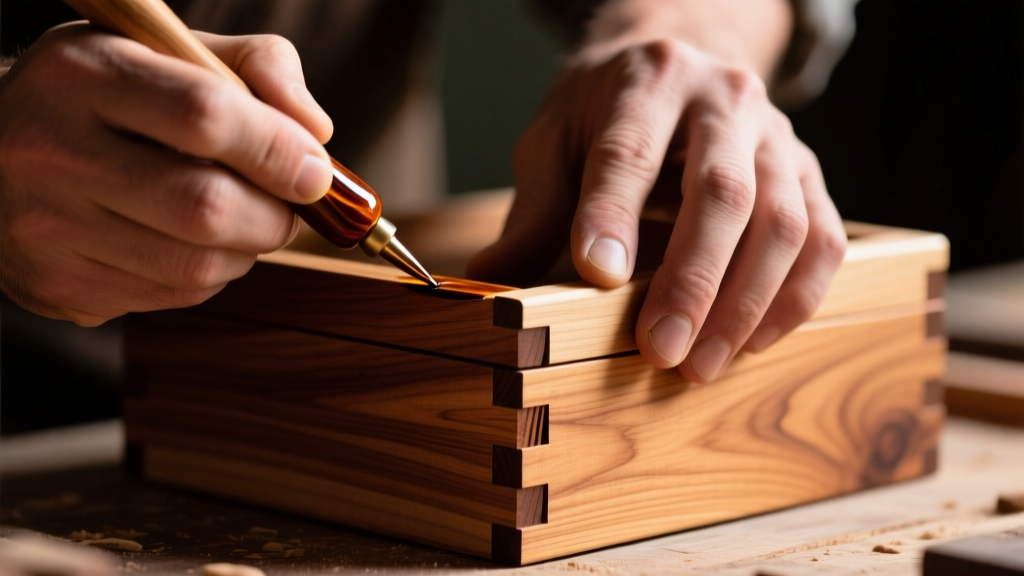
Weddings call for intimacy and precision. A small, palm-sized ring box featuring hand-cut dovetail joinery showcases the maker's skill while serving a highly specific ceremonial purpose. Cherry wood (Prunus serotina) is ideal for this application; it machines beautifully, holds crisp dovetail pins, and darkens to a warm, romantic amber tone over time when exposed to UV light. The internal cavity should be lined with crushed velvet or a tightly rolled silk insert designed to hold a single engagement band at a precise 45-degree angle for the perfect presentation reveal.
Technical Blueprint: Wood Species & Hardware Specifications
Selecting the right timber and hardware is critical for both the longevity of the box and the safety of the jewelry stored within. Below is a comparative framework for the most reliable species used in premium 2026 jewelry box plans.
| Wood Species | Janka Hardness | Grain & Color Profile | Best Occasion Match | Avg. Price (Board Foot) |
|---|---|---|---|---|
| Black Walnut | 1,010 lbf | Straight grain, deep chocolate brown | Anniversaries, Valets | $12.50 - $16.00 |
| Hard Maple | 1,450 lbf | Subtle, tight grain, pale cream | Travel Cases, Modern Gifts | $8.00 - $11.00 |
| Cherry | 950 lbf | Smooth grain, pinkish-brown (darkens) | Weddings, Ring Boxes | $9.50 - $13.00 |
| Quartersawn White Oak | 1,350 lbf | Prominent ray fleck, medium brown | Arts & Crafts Styles, Heirlooms | $11.00 - $15.00 |
For hardware, never compromise on hinges. Cheap steel hinges will rust and bind. Source solid brass stop hinges from specialized manufacturers like Brusso. Their BH-512 stop hinges feature a built-in 95-degree stop mechanism, preventing the lid from hyperextending and snapping backward, which is a common failure point in amateur builds.
Interior Architecture: Sizing for Modern Jewelry
A beautifully crafted exterior is useless if the interior geometry damages the jewelry it holds. Modern jewelry storage requires specific dimensional tolerances that many free, outdated plans fail to address.
- Ring Rolls: Standard ring rolls should be spaced exactly 1.75 inches apart (center-to-center). This prevents large cocktail rings or wide men's wedding bands from crushing against one another. Use a 1/2-inch diameter wooden dowel wrapped in polyester batting as the core.
- Necklace Drops: To prevent chain tangling—a primary frustration in jewelry storage—necklace hooks must be mounted with at least 8 to 10 inches of vertical clearance. Install brass escutcheon pins or specialized necklace hooks at the top of the box, and anchor the bottom of the chain with a small felt-lined tension bar.
- Watch Pillows: Standard watch pillows are often too small for modern oversized dive watches. Design your watch compartment to accommodate pillows measuring at least 3.5 inches wide, with a clearance height of 3 inches to prevent the crystal from scraping the lid's interior.
- Earring Grids: For stud earrings, drill a grid of 1/8-inch holes into a 1/4-inch thick acrylic or hardwood sub-panel, spaced 1.25 inches apart. This allows posts to slide in securely without bending.
The Chemistry of Finishes and Anti-Tarnish Integration
The finish you apply to the exterior of your jewelry box can inadvertently ruin the contents if you are not careful. Many woodworkers default to polyurethane for its durability. However, oil-based polyurethanes and certain lacquers can off-gas volatile organic compounds (VOCs) and sulfur compounds for months after curing. These gases accelerate the oxidation and tarnishing of sterling silver and copper jewelry.
Instead, opt for a traditional shellac finish (such as Zinsser Bulls Eye dewaxed shellac) or a pure tung oil finish. Shellac is chemically stable, dries rapidly, and creates a beautiful, low-luster barrier that will not harm precious metals. For the interior lining, abandon standard craft felt. Standard felt traps moisture and offers zero tarnish protection. Line your trays and sub-panels with Pacific Silvercloth or a comparable anti-tarnish flannel. This specialized fabric is embedded with microscopic silver particles that absorb corrosive gases before they reach the jewelry. When adhering this fabric to your 1/8-inch birch plywood sub-panels, use 3M Super 77 spray adhesive. Avoid solvent-heavy contact cements, which can degrade the anti-tarnish properties of the cloth.
Precision Milling and Acclimation Tolerances
Jewelry boxes are essentially small cabinets, meaning wood movement is your greatest enemy. A lid that fits perfectly in the humid days of August may bind and crack in the dry heat of January if proper tolerances are not engineered into your plans. Always mill your lumber to rough thickness and let it acclimate in your climate-controlled workshop for a minimum of two weeks before final dimensioning.
When fitting the lid to the carcase, aim for a uniform 1/32-inch reveal on all four sides. This gap is tight enough to keep dust out of the interior trays but provides enough clearance for seasonal expansion. If your plans call for a frame-and-panel lid, ensure the floating panel is sized with a 1/8-inch expansion gap at the edges of the stile and rail grooves, secured with a single dab of glue only at the exact center of each rail.
Where to Source Premium Plans
While free plans abound on forums and video platforms, investing in premium, fully dimensioned plans saves hours of frustration and material waste. Publications like Fine Woodworking offer meticulously tested jewelry box plans that include detailed cut lists, hardware routing jigs, and finishing schedules. Look for plans authored by master craftsmen who explicitly detail the internal tray joinery—often utilizing small-scale finger joints or splined miters—rather than just providing a hollow box with a generic 'insert trays here' instruction.
Expert Workshop Tip: Before applying any finish to your final box, assemble the entire piece using blue painter's tape and rubber bands. Test the drawer slides, hinge clearances, and tray fits. Wood swells slightly when finish is applied; catching a binding drawer at the dry-fit stage prevents a ruined heirloom.


