Is Your Hot Jewelry Box Safe? Material Properties Compared
Discover if your viral hot jewelry box is ruining your collection. We compare material properties, off-gassing risks, and tarnish rates.

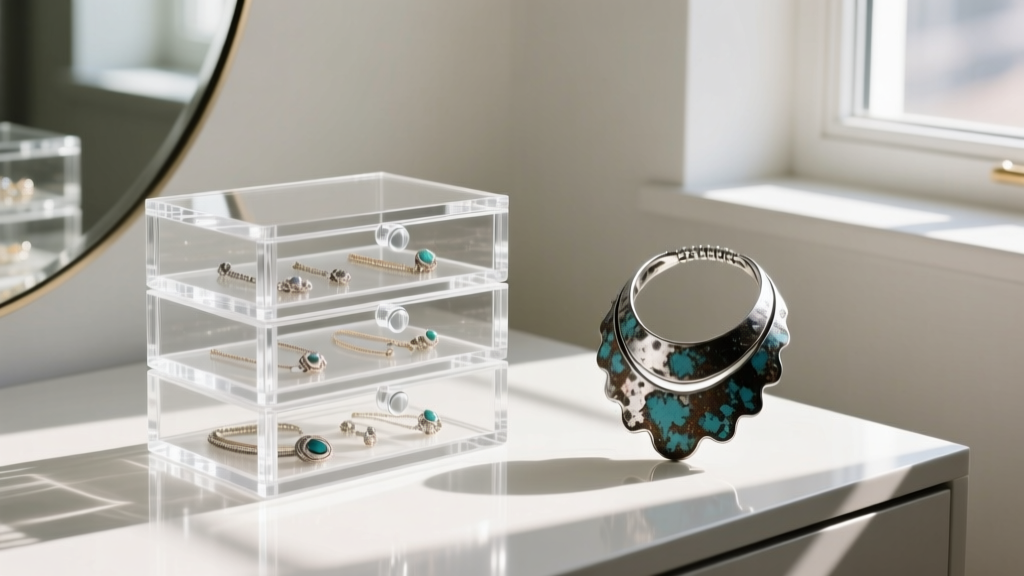
Every season, social media algorithms crown a new 'hot jewelry box.' In 2026, the viral favorites range from modular cast-acrylic stackables and sleek anodized-aluminum travel vaults to minimalist vegan-leather roll-ups. While these trending organizers look undeniably stunning on a curated vanity, their underlying material chemistry often poses a severe, invisible threat to fine jewelry. As a collector or everyday wearer, understanding the material properties of your storage is just as critical as knowing the Mohs hardness of your gemstones. A beautiful box that off-gasses sulfur compounds or traps ambient humidity can destroy a silver chain or degrade a porous pearl in a matter of weeks.
The Hidden Chemistry of Viral Storage
When evaluating the latest hot jewelry box trend, consumers typically focus on aesthetics: compartment sizing, velvet lining color, and exterior finish. However, archival jewelry storage is fundamentally a game of chemical mitigation. The primary enemies of fine jewelry in storage are hydrogen sulfide (which causes silver tarnish), formaldehyde (which degrades organic gems like pearls and tortoiseshell), and trapped moisture (which accelerates oxidation and verdigris on copper alloys).
According to preservation guidelines from the Library of Congress, materials used in close proximity to historical and valuable artifacts must pass rigorous off-gassing evaluations. Unfortunately, the mass-market manufacturers producing viral jewelry organizers rarely subject their MDF (Medium-Density Fiberboard) bases or synthetic glues to these archival tests. Let us break down the exact material properties of the most popular trending boxes on the market today.
Material Breakdown: The Good, The Bad, and The Viral
1. Cast Acrylic (PMMA) Stackables
Clear, stackable acrylic drawers are the undisputed champions of the 'restock' and 'organization' video genres. Made from Polymethyl Methacrylate (PMMA), acrylic is generally inert and does not off-gas sulfur or acidic compounds once fully cured. This makes it surprisingly safe for sterling silver and gold. However, PMMA has two major drawbacks for jewelry storage. First, it is highly susceptible to static electricity, which attracts micro-dust that can scratch soft metals and gemstones over time. Second, standard acrylic offers zero UV resistance. If your hot jewelry box sits on a sunlit vanity, prolonged UV exposure will fade amethysts, kunzites, and dyed jades stored inside.
2. Polyurethane (PU) Leather over MDF
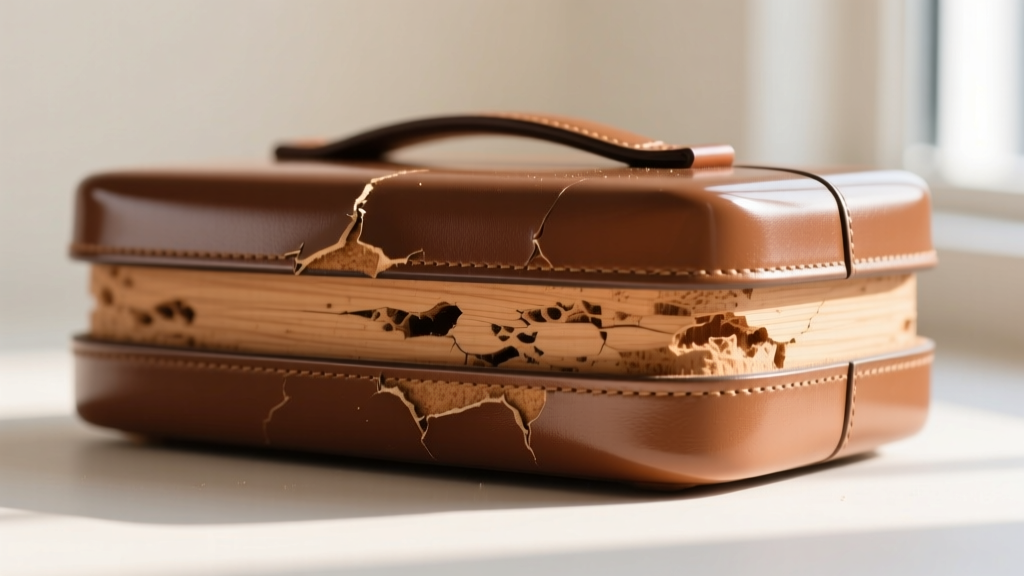
The 'luxury travel case' aesthetic is dominated by boxes wrapped in PU (vegan) leather over an MDF core. While visually appealing, this is arguably the most dangerous material combination for fine jewelry. MDF is manufactured using urea-formaldehyde resins. In humid environments, or when exposed to the heat of a sunlit room, MDF continuously off-gasses formaldehyde and trace acidic compounds. Furthermore, the synthetic PU leather and the adhesives used to bind it often contain plasticizers and volatile organic compounds (VOCs) that can react with the copper in rose gold or the rhodium plating on white gold, causing microscopic pitting and discoloration.
3. Anodized Aluminum Vaults
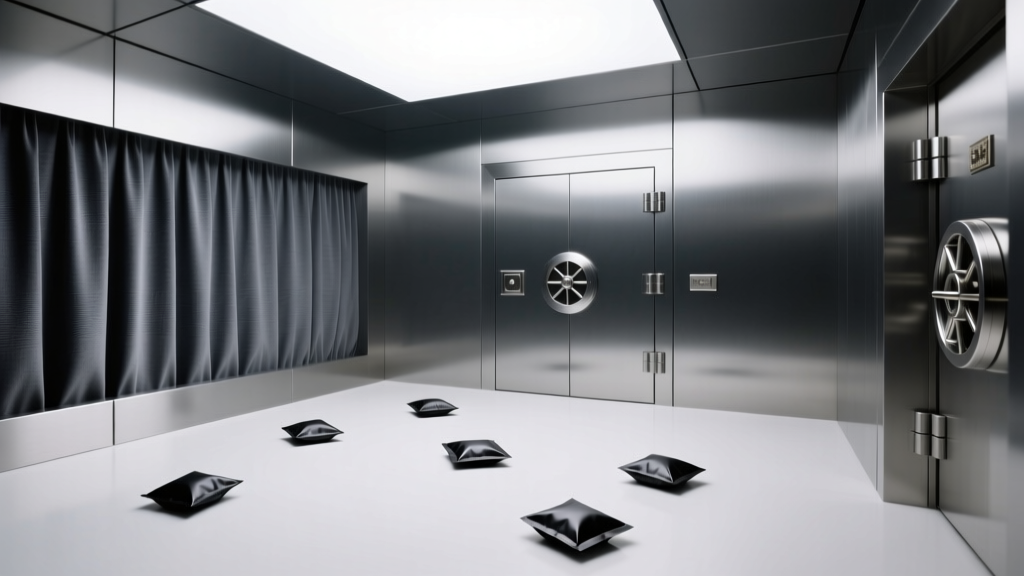
For the minimalist or tech-focused collector, CNC-machined aluminum boxes (often utilizing 6061-T6 aerospace-grade aluminum) are the current high-end trend. Aluminum is exceptionally stable, blocks 100% of UV light, and creates an airtight seal when fitted with silicone O-rings. This makes it an incredible barrier against ambient humidity and airborne sulfur. The risk with aluminum, however, is galvanic corrosion. If you store damp jewelry (e.g., a necklace worn during a workout and put away without drying) in an aluminum vault, the trapped electrolytes can create a galvanic cell between the aluminum shell and the metal of your jewelry, leading to rapid, catastrophic oxidation of the stored pieces.
4. Kiln-Dried Hardwoods & Archival Linings
While not always the 'hottest' viral trend, sustainably sourced, kiln-dried hardwoods (like walnut or oak) finished with water-based, non-VOC sealants remain the gold standard. When paired with an unbleached, acid-free cotton flannel or Pacific Silvercloth lining, these boxes provide a breathable, chemically neutral microenvironment. The wood naturally buffers minor humidity fluctuations, protecting hygroscopic gems like opals and emeralds from cracking due to rapid moisture loss.
The 2026 Material Risk Matrix
To help you evaluate your current storage or your next purchase, we have compiled a comparative data table based on material properties, off-gassing risks, and suitability for specific jewelry types.
| Material | Off-Gassing Risk | UV Protection | Humidity Buffering | Best Used For | Avg. Price Range |
|---|---|---|---|---|---|
| Cast Acrylic (PMMA) | Very Low (Post-Cure) | Poor | None | Diamonds, Gold, Platinum | $30 - $80 |
| PU Leather / MDF | High (Formaldehyde/VOCs) | Good | Low | Fashion Jewelry Only | $25 - $120 |
| Anodized Aluminum | Zero | Excellent | None (Airtight) | Travel, High-Security, Silver | $150 - $400+ |
| Kiln-Dried Walnut | Low (If water-sealed) | Good | High | Opals, Pearls, Antiques | $100 - $350 |
How to Retrofit a Trendy Box for Archival Safety
If you have already invested in a viral hot jewelry box made from questionable materials, you do not necessarily need to throw it away. You can mitigate the chemical risks through strategic retrofitting, a practice widely recommended by conservationists.
- Neutralize MDF Off-Gassing: Line the interior compartments of MDF-based boxes with activated carbon felt sheets. The carbon actively adsorbs formaldehyde and sulfur compounds before they reach your jewelry.
- Combat Acrylic Static: Wipe the interior of acrylic drawers with an anti-static guard designed for camera lenses, and place a small piece of anti-tarnish treated flannel at the base of each drawer to provide a soft, static-dissipating barrier.
- Manage Aluminum Moisture: If using an airtight aluminum vault, you must include a 3-gram silica gel desiccant packet (indicating type, not just standard white beads) to absorb any moisture trapped inside when the lid is closed. Replace the packet every 90 days.
- Upgrade the Lining: Rip out the synthetic polyester or PU suede linings found in most trendy boxes. Replace them with GIA-recommended acid-free, unbleached cotton or specialized silver-tarnish-inhibiting fabrics.
Gemstone-Specific Storage Considerations
Material properties affect different gemstones in vastly different ways. Understanding these nuances is what separates a casual buyer from a true jewelry connoisseur.
Hygroscopic and Porous Gems
Opals, pearls, turquoise, and malachite are highly sensitive to their microclimates. They require a storage material that allows for slight 'breathing' and humidity buffering. Storing an Ethiopian hydrophane opal in an airtight aluminum vault with heavy desiccants will cause the stone to lose its internal water content, leading to crazing (a network of fine cracks) and a total loss of its play-of-color. Kiln-dried wood or archival cardboard boxes are vastly superior for these specific gems.
Hardness and Abrasion Risks
The viral trend of 'honeycomb' plastic inserts is excellent for separating pieces, but the hard plastic edges can scratch softer metals. Conversely, tossing multiple pieces into a single velvet-lined drawer (a common feature in vintage-style PU leather boxes) allows diamonds (Mohs 10) to aggressively scratch emeralds (Mohs 7.5-8) and gold settings. Always prioritize individual, soft-lined compartments, regardless of the exterior box material.
Final Verdict: Investing in Material Longevity
The allure of a trending, aesthetically pleasing hot jewelry box is powerful, but it should never supersede the chemical safety of your collection. When shopping in 2026, look past the influencer packaging and scrutinize the material data sheet. Demand to know what the core substrate is, what adhesives were used, and whether the interior lining is acid-free. By prioritizing inert materials like properly cured acrylic, anodized aluminum, or sustainably sealed hardwoods—and by actively retrofitting compromised boxes with carbon and silica—you ensure that your jewelry remains as pristine in fifty years as the day you bought it.


