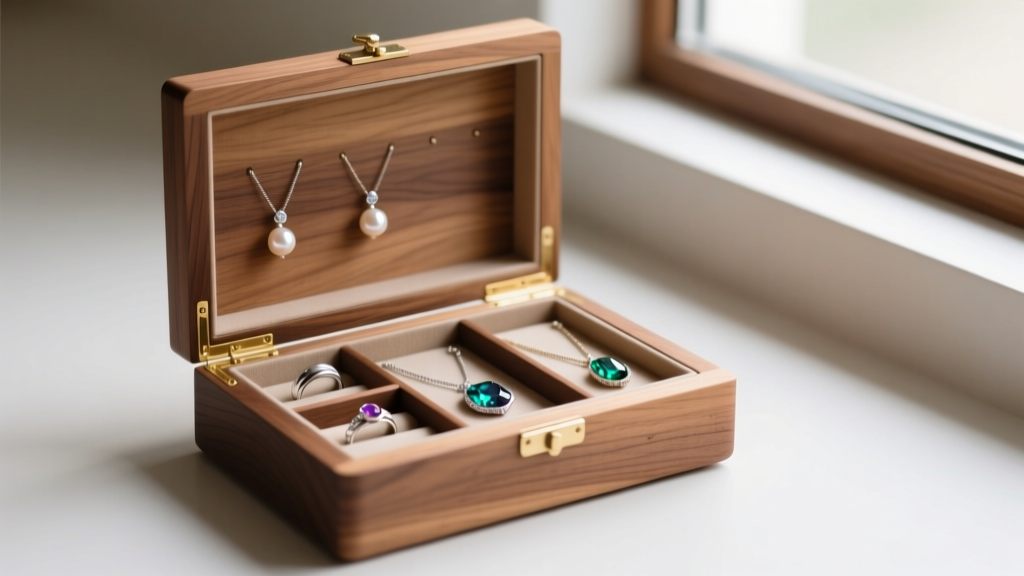
How Do You Store Your Jewelry for Long-Term Tarnish Prevention?
Learn exactly how do you store your jewelry to prevent tarnish, scratching, and dehydration with material-specific archival protocols and care tips.

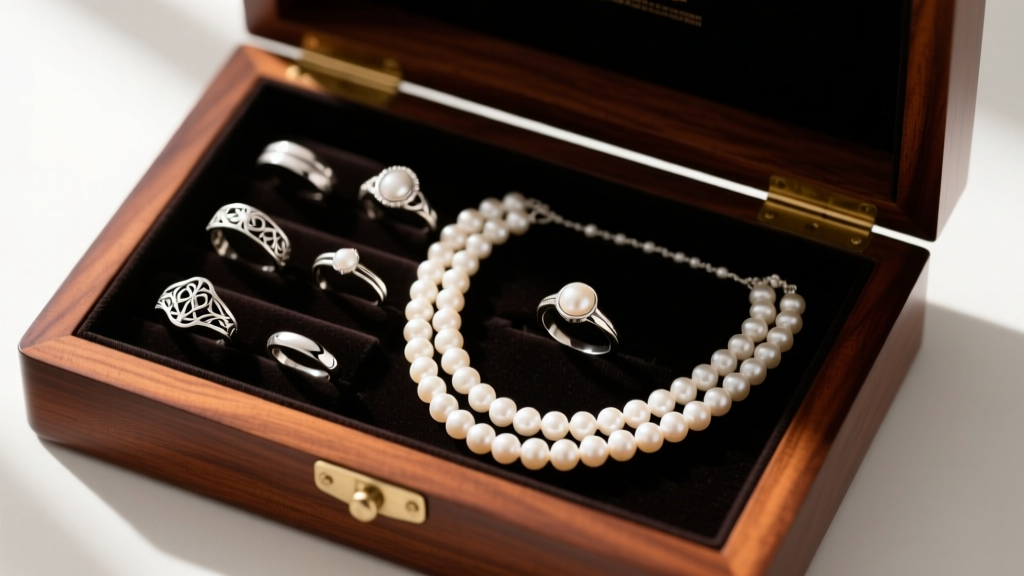
The Chemistry of Degradation: Why Storage Protocols Matter
When collectors and everyday wearers ask, 'how do you store your jewelry to keep it looking new?', the answer requires looking beyond simple aesthetics and into the realm of chemistry and material science. Jewelry degradation in storage is rarely a matter of bad luck; it is almost always the result of environmental reactions. Tarnish, for instance, is not merely dirt. It is a chemical reaction—specifically, the formation of silver sulfide (Ag2S) when sterling silver interacts with hydrogen sulfide gas present in ambient air, cardboard, and even certain human skin oils.
According to the Gemological Institute of America (GIA), improper storage is the leading cause of preventable damage to fine jewelry, ranging from micro-scratches caused by Mohs hardness disparities to the irreversible dehydration of organic gems. As we navigate jewelry care in 2026, understanding the specific atmospheric needs of your collection is paramount. A one-size-fits-all jewelry box is a recipe for accelerated wear, discoloration, and structural failure.
Material-Specific Archival Protocols
Sterling Silver: The Airtight Imperative
Sterling silver (92.5% silver, 7.5% copper) is notoriously susceptible to sulfur compounds. To halt the oxidation process, silver must be stored in an environment that restricts airflow and neutralizes ambient sulfur. The gold standard for silver storage is Pacific Silvercloth, a 100% cotton flannel embedded with microscopic silver particles that act as a sacrificial shield, absorbing sulfur before it reaches your jewelry.
If using plastic bags, material selection is critical. You must use Polyethylene (PE) or Polypropylene (PP) zip bags. Never use Polyvinyl Chloride (PVC) or cheap plastic wrap, as these materials emit sulfur gases and plasticizers that will rapidly blacken silver and leave a sticky, irreversible residue on porous gemstones. For long-term vault storage, include a 3M anti-tarnish strip inside the PE bag, replacing it every six months.
Organic Gems: The Breathability Rule
Pearls, amber, coral, and tortoiseshell are organic materials. Pearls, for example, are composed of calcium carbonate platelets held together by an organic protein called conchiolin. If conchiolin dries out, the pearl will craze, crack, and lose its orient (luster). Therefore, the rule for organics is the exact opposite of silver: they require ambient humidity (ideally 40% to 60%) and breathable storage. Never store pearls in airtight plastic bags or safety deposit boxes without a humidity buffer. Store them in soft, untreated cotton pouches, and wear them frequently, as the natural oils from your skin help maintain the conchiolin's moisture.
Opals and Emeralds: Hydration and Oil Maintenance
Opals contain between 3% and 21% water within their silica structure. If stored in a dry environment or exposed to intense heat, opals will 'craze'—developing a network of internal fractures that destroys their play-of-color. Store opals in a sealed container with a damp (not wet) cotton ball to maintain a localized microclimate. Similarly, emeralds are almost universally treated with cedar oil or synthetic resins to mask natural fissures. Storing emeralds in ultrasonic cleaners or heated environments will draw out these oils, leaving the stone looking cloudy and heavily included. Store emeralds in a cool, dark, lined compartment away from direct sunlight.
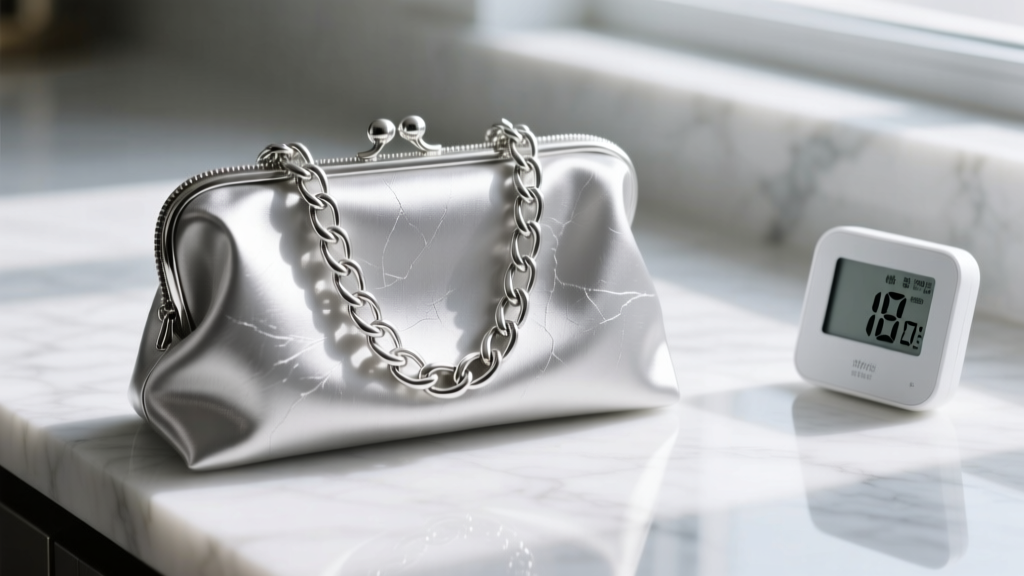
The Ultimate Storage Environment Matrix
To master how do you store your jewelry effectively, refer to this environmental matrix. Matching your gems to their ideal microclimate prevents 90% of storage-related damage.
| Material | Ideal Humidity | Airflow Requirement | Primary Threat | Best Container Type |
|---|---|---|---|---|
| Sterling Silver | Low (Dry) | Airtight / Restricted | Sulfur / Tarnish | PE Bags + Anti-Tarnish Strips |
| Pearls & Coral | Medium (40-60%) | Breathable | Dehydration / Cracking | Soft Cotton Pouches |
| Opals | High (Sealed) | Sealed Microclimate | Crazing / Water Loss | Sealed Box with Damp Cotton |
| Diamonds | Ambient | Irrelevant | Scratching other gems | Individual Velvet Slots |
| 18k Yellow Gold | Ambient | Irrelevant | Surface Scratches | Anti-Tarnish Flannel Lining |
Active Maintenance: Integrating Cleaning with Storage
Storage and cleaning are inextricably linked. Storing jewelry with residual lotions, perfumes, or acidic skin oils accelerates degradation. Before placing any piece into long-term storage, it must be properly cleaned and thoroughly dried.
- The Mild Surfactant Method: For most gold and platinum pieces with hard stones (diamonds, sapphires, rubies), a soak in warm water with a few drops of ammonia-free dish soap, followed by a gentle brushing with a baby-hair toothbrush, is ideal. Rinse with distilled water to prevent hard water spots.
- The Microfiber Protocol: Always dry and polish jewelry with a lint-free microfiber cloth before storage. Any trapped moisture in the prongs or under the gallery of a ring will cause localized corrosion, especially on white gold alloys containing nickel or zinc.
- Ultrasonic Warnings: Never use ultrasonic cleaners on fracture-filled diamonds, emeralds, opals, pearls, or tanzanite. The high-frequency vibrations can shatter these stones or strip their treatments. The Jewelers of America strictly advises against ultrasonic cleaning for any porous or treated gemstone.
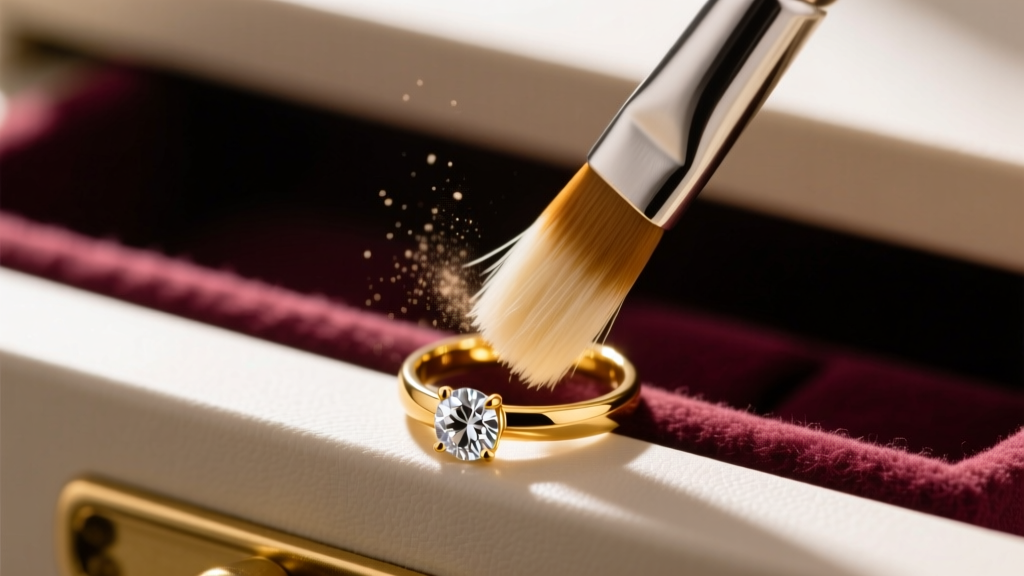
Critical Storage Mistakes That Destroy Fine Jewelry
Even well-intentioned collectors make critical errors when organizing their vaults. Avoid these common pitfalls that introduce destructive elements to your jewelry box:
Expert Warning: Never use silica gel packets indiscriminately. While silica gel is excellent for preventing tarnish on silver by absorbing ambient moisture, placing it in the same compartment as pearls, opals, or amber will rapidly dehydrate and destroy those organic and water-bearing gems.
The Cardboard and Cotton Trap: Many people store jewelry in original cardboard boxes or wrap them in standard cotton balls. Cardboard is highly acidic and off-gasses sulfur compounds. Standard cotton balls are often treated with bleaches and synthetic fibers that can trap moisture against the metal. Always opt for acid-free archival paper or untreated, 100% cotton flannel.
The Rubber Band Hazard: Never use rubber bands to secure jewelry tags or bundle chains. Rubber contains high levels of sulfur. If a rubber band touches sterling silver, it will leave a thick, black, corroded ring that often requires professional polishing with an abrasive wheel to remove, thereby stripping away a layer of the precious metal.
The Mohs Scale Oversight: Storing all jewelry in a communal 'catch-all' dish guarantees micro-scratches. A diamond (Mohs 10) will easily scratch a sapphire (Mohs 9), which will in turn scratch 18k gold (Mohs 2.5-3). Every piece must have its own dedicated, fabric-lined compartment or individual pouch to prevent abrasive contact.
Final Thoughts on Archival Jewelry Care
Ultimately, answering the question of how do you store your jewelry requires shifting your mindset from simple organization to active conservation. By respecting the chemical and physical properties of each specific material—utilizing airtight barriers for silver, breathable environments for pearls, and individual compartments for high-hardness diamonds—you ensure that your collection remains pristine for generations. Invest in archival-grade storage materials, monitor your storage environment's humidity, and always clean your pieces before locking them away.