Beginner Guide to Choosing the Best Indian Jewelry Organizer
Discover how to protect heavy Kundan, Polki, and oxidized silver pieces with the right Indian jewelry organizer. A beginner's guide to safe storage.

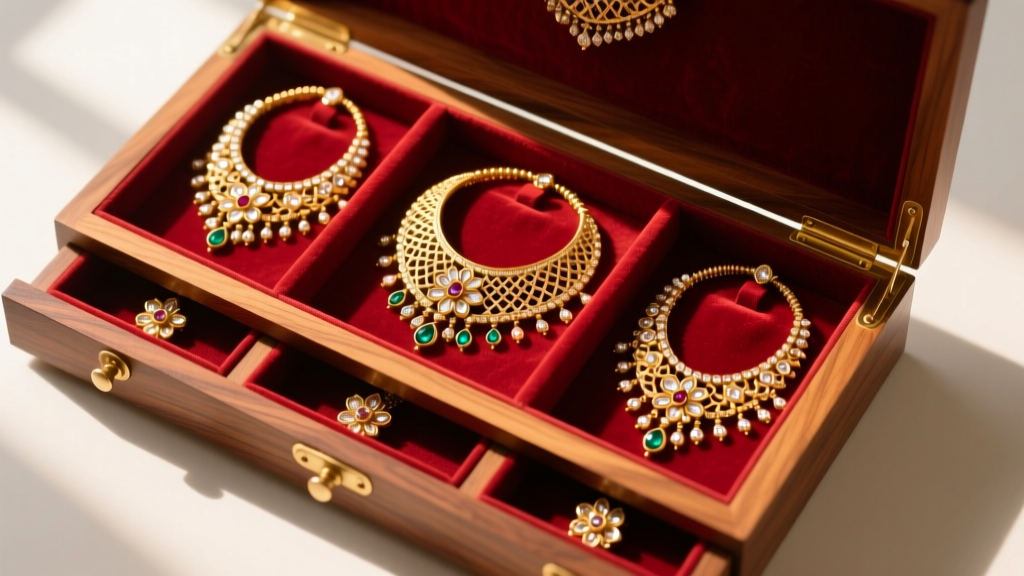
The Unique Physics of Indian Jewelry
Storing South Asian heirlooms requires a fundamentally different approach than organizing standard Western fine jewelry. When beginners search for an indian jewelry organizer, they often default to standard velvet-lined boxes or hanging canvas rolls. This is a critical mistake that leads to irreversible damage. Indian bridal and festive pieces—such as Kundan, Polki, Jadau, and Temple jewelry—are engineered with unique structural vulnerabilities that generic storage solutions simply cannot accommodate.
Consider the sheer weight of a traditional Indian bridal necklace, which frequently ranges from 150 to 300 grams. Hanging these pieces on standard hooks causes severe gravitational stress on the soldered links, eventually leading to micro-fractures and chain snapping. Furthermore, the setting techniques used in Indian jewelry are highly sensitive to environmental factors. Polki jewelry utilizes uncut diamonds set with lac (a natural resin) and backed with delicate silver foil. If exposed to the ambient humidity trapped in cheap plastic organizers, the foil oxidizes and turns black, while the lac can melt or become brittle, causing the stones to pop out entirely.
To protect your investment, your storage system must mitigate three primary threats: gravitational stress, moisture-induced foil oxidation, and physical impact to fragile enamel work. According to the Gemological Institute of America (GIA), proper environmental control and specialized padding are non-negotiable for preserving delicate gemstone settings and antique metalwork.
Core Features of a Proper Indian Jewelry Organizer
A high-quality organizer designed specifically for Indian jewelry must possess structural rigidity and chemical neutrality. Flimsy cardboard or thin MDF (Medium-Density Fiberboard) will warp under the weight of heavy gold and brass pieces. Here is what you must look for when evaluating your options:
- Rigid, Flat-Lay Compartments: Heavy necklaces like Rani Haars or Chokers must be stored flat. Look for wide, shallow drawers (at least 12 inches wide) that allow the necklace to lay in a gentle curve without overlapping or kinking the chain.
- Chemically Neutral Linings: Standard synthetic velvets often contain dyes and sizing chemicals that off-gas and react with high-karat gold and silver. You need untreated, acid-free materials.
- Moisture-Wicking Zones: Because Polki and Kundan are ruined by moisture, the best organizers feature dedicated, sealable micro-drawers where you can place silica gel desiccants without them directly touching the metal.
- Reinforced Dividers: Heavy bangles (Kadas) and stacked choodas need rigid, padded dividers to prevent them from rolling and scratching adjacent pieces.
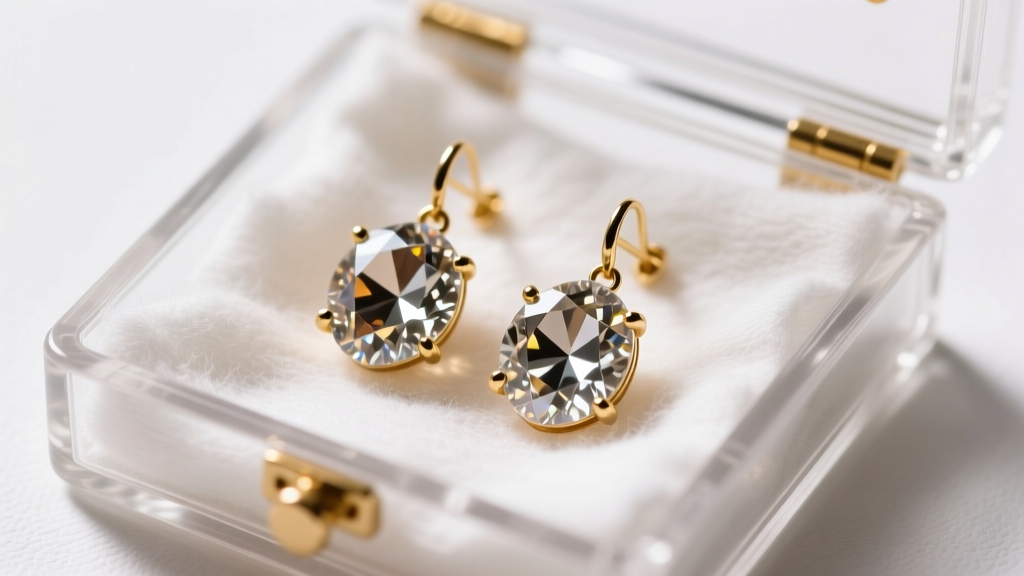
Material Breakdown: Lining Comparison
The interior lining of your organizer is the primary point of contact with your jewelry. Below is a comparison of common lining materials and their suitability for Indian heirlooms.
| Lining Material | Pros | Cons | Best For |
|---|---|---|---|
| Standard Synthetic Velvet | Soft, inexpensive, widely available. | Traps moisture, contains acidic dyes that tarnish silver. | Low-cost fashion jewelry only. |
| Acid-Free Archival Cotton | Chemically inert, breathable, prevents moisture buildup. | Lacks plushness, requires frequent replacement. | Polki, Kundan, and Jadau pieces. |
| Pacific Silvercloth (Treated Flannel) | Embedded with silver particles that absorb tarnish-causing gases. | More expensive, must not be washed (removes treatment). | Oxidized silver and Temple jewelry. |
| Micro-Suede | Durable, smooth, prevents snagging of intricate zari threads. | Can generate static electricity in dry climates. | Meenakari enamel and gemstone rings. |
Step-by-Step Storage Strategies by Jewelry Type
1. Kundan and Polki Necklaces
As mentioned, the lac and foil backing of these pieces are highly susceptible to moisture. Never store Polki in a bathroom-adjacent closet or a humid basement. Place the necklace flat in a wide drawer lined with acid-free cotton. Fold a small piece of acid-free tissue paper between the layers of the necklace if it must overlap slightly. Always include a color-indicating silica gel packet in the drawer, replacing it the moment it changes from orange to green (indicating saturation).
2. Meenakari (Enamel) Work
Meenakari involves fusing vitreous enamel to metal, creating vibrant, glass-like surfaces. This enamel is prone to micro-chipping if knocked against hard surfaces or other jewelry pieces. The London Assay Office notes that enameled metals require individual isolation to prevent impact damage. Wrap each Meenakari bangle or earring in a soft, unbleached muslin pouch before placing it into a dedicated, snug compartment in your organizer to eliminate movement.
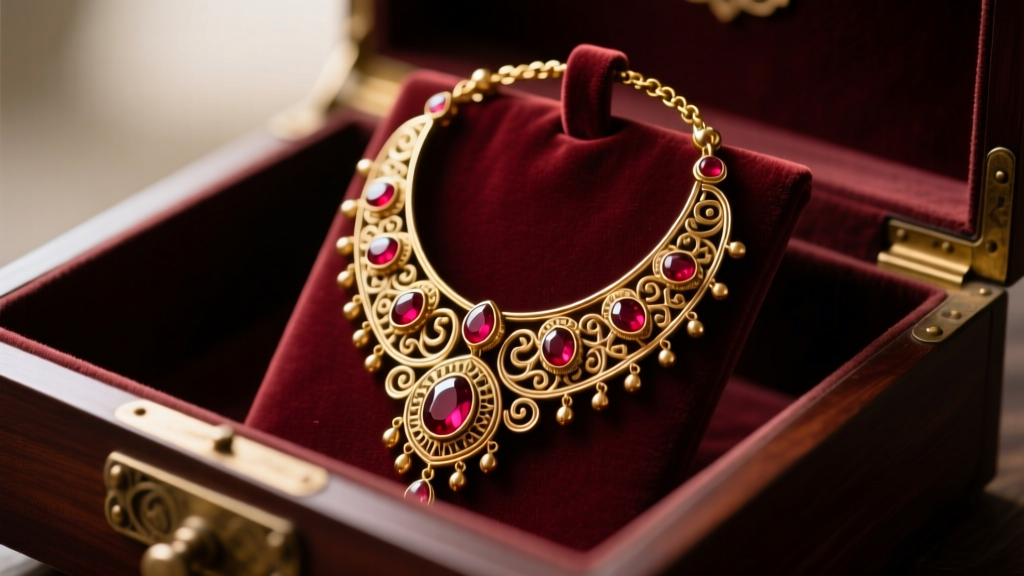
3. Oxidized Silver and Temple Jewelry
Temple jewelry, often crafted using the repoussé technique in heavy brass or silver, features intricate granulation and protruding elements that can easily bend. Furthermore, intentionally oxidized silver requires careful maintenance to preserve its darkened crevices without turning completely black. Line the drawer with Pacific Silvercloth or place 3M Anti-Tarnish strips inside the compartment. These strips absorb sulfur compounds in the air, which are the primary catalyst for aggressive silver tarnishing.
4. Jhumkas and Heavy Earrings
Heavy Indian earrings place immense strain on the earlobe, but in storage, the strain is on the post and the hook. Storing them loose in a box leads to bent posts and tangled chains. Use an organizer with specialized, rigid slotted inserts or padded cylindrical rolls that support the entire weight of the earring body, ensuring the delicate hook bears zero weight.
Common Beginner Mistakes to Avoid
The Golden Rule of Indian Jewelry Storage: Never store your pieces exactly as you wore them. The oils, sweat, and perfumes from your skin will accelerate tarnishing and degrade the lac backing if sealed into a dark drawer without prior cleaning.
- Mistake 1: Using Plastic Ziplock Bags. While airtight, standard polyethylene bags can trap ambient humidity inside and off-gas chemicals that react with the silver foil in Polki jewelry. If you must use plastic, use specialized archival-quality polyethylene bags with a silica packet inside.
- Mistake 2: Stacking Heavy Bangles. Stacking heavy gold or brass Kadas on top of one another will scratch the high-polish finishes and dent intricate filigree work. Always store them vertically in slotted dividers.
- Mistake 3: Ignoring the Clasp. Before storing a heavy necklace, ensure the clasp (often a delicate S-hook or a screw mechanism in Indian designs) is fastened and laid flat. An open clasp can easily snag on the intricate gold wirework of an adjacent piece, pulling out delicate threads of gold.
Maintenance Schedule for Your Organizer
An Indian jewelry organizer is not a "set it and forget it" solution. To maintain a pristine micro-climate for your heirlooms, adhere to this simple maintenance schedule:
- Every 3 Months: Inspect and replace silica gel desiccants in Polki and Kundan drawers. Check the structural integrity of heavy necklaces for any signs of link stretching.
- Every 6 Months: Replace 3M Anti-Tarnish strips in oxidized silver compartments. Gently wipe down the exterior and interior wood or MDF of the organizer with a dry microfiber cloth to remove dust that can harbor moisture.
- Annually: Remove all jewelry and inspect the lining materials. If acid-free cotton has become discolored or Pacific Silvercloth has lost its efficacy (usually after a few years depending on air quality), replace the liner fabric.
Investing in a purpose-built Indian jewelry organizer is an investment in the longevity of your cultural heritage. By understanding the specific material vulnerabilities of Kundan, Polki, and Temple jewelry, and selecting an organizer that prioritizes flat-lay storage, chemical neutrality, and moisture control, you ensure these magnificent pieces remain flawless for the next generation.


