Wall Hanging Jewelry Holder: Troubleshooting & Fixes
Solve tangling, wall damage, and weight issues with our expert troubleshooting guide for wall hanging jewelry holder setups and drywall anchors.

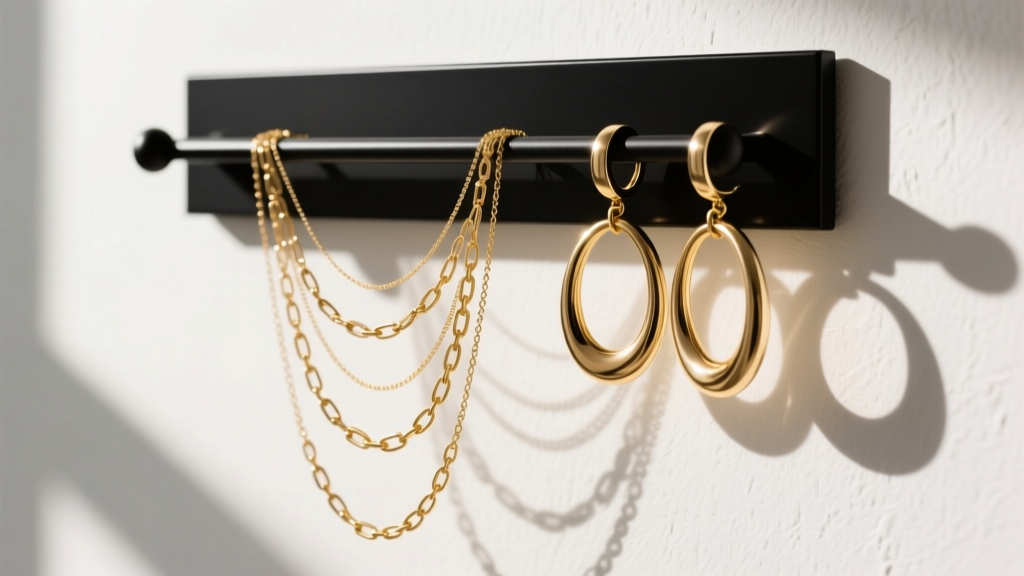
The Hidden Physics of Wall-Mounted Jewelry Storage
In 2026, the shift toward ultra-minimalist 'quiet luxury' interiors has made the wall hanging jewelry holder a staple for displaying curated collections as functional art. However, treating a wall-mounted organizer like a simple picture frame is a recipe for disaster. Unlike static art, jewelry storage involves dynamic loads, shifting weights, and environmental vulnerabilities. When a wall hanging jewelry holder fails, it rarely happens gracefully. Drywall crumbles, chains tangle into Gordian knots, and silver oxidizes prematurely. This troubleshooting guide addresses the mechanical and environmental failure modes of wall-mounted storage, providing structural solutions and precise spatial metrics to protect both your walls and your investments.
Troubleshooting Wall Damage and Anchor Failures
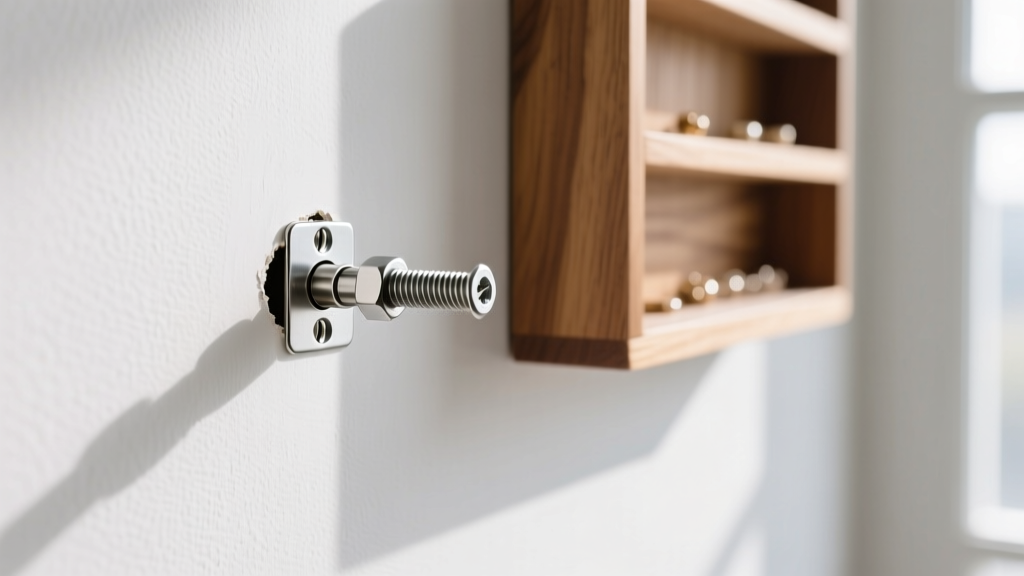
The most catastrophic failure of any wall hanging jewelry holder is the pull-out. Most commercial organizers include cheap plastic expansion anchors rated for 15 pounds in 'ideal' conditions. The problem? Ideal conditions assume 5/8-inch thick, brand-new drywall with no prior patching. Most residential interiors utilize 1/2-inch drywall, and older homes may have brittle plaster. When you hang a heavy wooden or metal organizer loaded with chains, the sheer force eventually causes plastic anchors to slip through the gypsum core.
Drywall Anchor Selection Matrix
To prevent your organizer from ripping out of the wall, you must upgrade your mounting hardware based on the total weight of the organizer plus the jewelry. According to the Gypsum Association, proper fastener selection is critical for hollow wall loads. Use this matrix to select the correct anchor:
| Anchor Type | Weight Limit (1/2' Drywall) | Best Application | Installation Requirement |
|---|---|---|---|
| Plastic Expansion | 10 - 15 lbs | Lightweight acrylic mesh, small travel pieces | Pre-drill 3/16' hole |
| Threaded Drywall Anchor | 20 - 40 lbs | Medium wood boards, standard necklace hooks | Self-drilling, no pre-drill needed |
| Molly Bolt (Hollow Wall) | 30 - 50 lbs | Heavy metal grids, multi-tier displays | Pre-drill 1/4' hole, requires screwdriver |
| Snaptoggle (Strap Toggle) | 100+ lbs | Large statement pieces, solid oak slabs | Pre-drill 1/2' hole, zip-tie strap mechanism |
Solving the Necklace Tangling Crisis
If your necklaces are constantly knotting together on your wall hanging jewelry holder, the issue is not the jewelry; it is the spatial geometry of the hooks. Standard mass-produced organizers often space hooks 40mm (1.5 inches) apart. While this looks dense and impressive on a showroom shelf, it violates the pendulum clearance rule.
The 2.5-Inch Rule and Hook Geometry
When a necklace hangs, it forms a parabolic curve. If the pendant width exceeds the distance between adjacent hooks, the chains will inevitably cross and tangle when subjected to micro-vibrations (like a nearby door closing). To solve this, apply the 2.5-inch rule: hooks must be spaced at least 65mm apart to accommodate standard pendant widths.
Furthermore, examine the hook angle. Straight, 90-degree horizontal hooks allow chains to slide off when bumped. Look for or modify your holder with hooks that feature a 15-degree upward tilt or a specialized 'lip' bend. This slight upward geometry uses gravity to seat the chain deep into the crook of the hook, eliminating both slipping and lateral swaying that leads to tangles.
Tarnish and Humidity: The Bathroom Wall Mistake
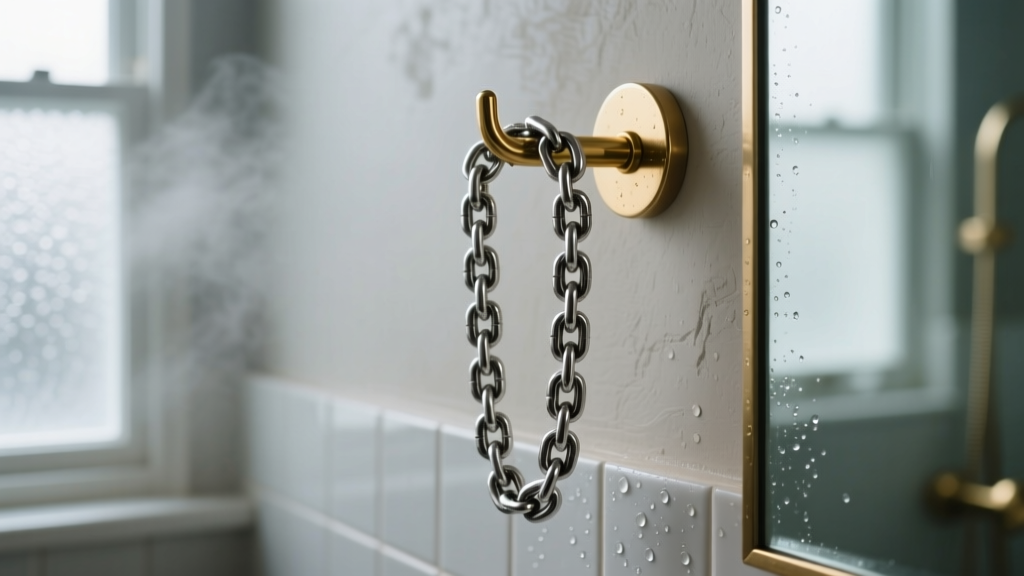
Many users install a wall hanging jewelry holder in the bathroom for convenience, only to find their sterling silver and unprotected brass turning black within weeks. This is an environmental failure, not a product defect. Bathrooms are microclimates characterized by rapid humidity spikes and trace amounts of hydrogen sulfide (H2S) gas from plumbing.
Combating Silver Sulfide Formation
When silver is exposed to moisture and sulfur compounds, it rapidly forms silver sulfide (tarnish). The Jewelers of America strictly advises against storing fine metals in high-humidity environments. If your wall organizer must remain in a bathroom or humid bedroom, implement these troubleshooting steps:
- Upgrade the Hooks: Replace bare brass or steel hooks with surgical-grade 316L stainless steel or titanium hooks, which are impervious to bathroom humidity.
- Integrate PAC Technology: Adhere strips of Pacific Silvercloth or 3M Anti-Tarnish strips to the back of the organizer board. These materials absorb airborne sulfides before they reach your chains.
- Apply a Micro-Crystalline Wax: Coat the non-gemstone metal parts of your hanging hardware with a thin layer of Renaissance Wax to create a physical moisture barrier.
Structural Reinforcement for Heavy Statement Pieces
Wall hanging jewelry holders with extended arms or protruding shelves introduce a mechanical concept often ignored in interior design: torque. If you hang a heavy resin statement necklace or a cluster of gemstone bracelets on an arm that extends 4 inches from the wall, you are not just applying downward shear force; you are applying rotational leverage. This torque will eventually warp wooden arms or pull the top mounting screws outward.
The French Cleat Solution
For heavy-duty or extended-arm wall organizers, abandon traditional keyhole or D-ring mounts. Instead, utilize a French cleat system. A French cleat consists of two interlocking pieces of wood or metal cut at a 45-degree bevel. One bevel is secured horizontally to the wall studs (or heavy-duty toggles), and the mating bevel is attached to the back of the jewelry holder. This distributes the sheer and rotational forces across the entire width of the organizer rather than concentrating the stress on two small screw heads. It also allows you to easily lift the holder off the wall to dust behind it or reconfigure your layout without unscrewing the hardware.
Final Calibration Checklist
Before loading your wall hanging jewelry holder with your most valuable pieces, run through this final troubleshooting checklist to ensure structural and environmental stability:
- The Tap Test: Knock on the drywall around the anchors. A hollow, echoing sound means the drywall paper face is compromised; switch to Snaptoggles immediately.
- The Vibration Test: Firmly close the door to the room. Watch the hanging chains. If they sway and cross paths, widen the hook spacing or add felt bumpers to the pendant backs.
- The Level Check: Use a digital torpedo level. A wall holder tilted even 2 degrees will cause chains to migrate to the lowest hook, creating localized weight stress and tangling.
- The Clearance Audit: Ensure the bottom of the organizer is at least 36 inches from the floor or nearest furniture piece to prevent long opera-length chains and lariats from resting on surfaces where they can be snagged.
By addressing these mechanical, spatial, and environmental variables, your wall hanging jewelry holder will transition from a frustrating source of tangles and wall damage into a secure, museum-quality display for your collection.


