Lady Buxton Jewelry Box Value: A Vintage Collector's Guide
Discover the true Lady Buxton jewelry box value in today's vintage market. Learn pricing tiers, authentication tips, and restoration cost-benefit analysis.

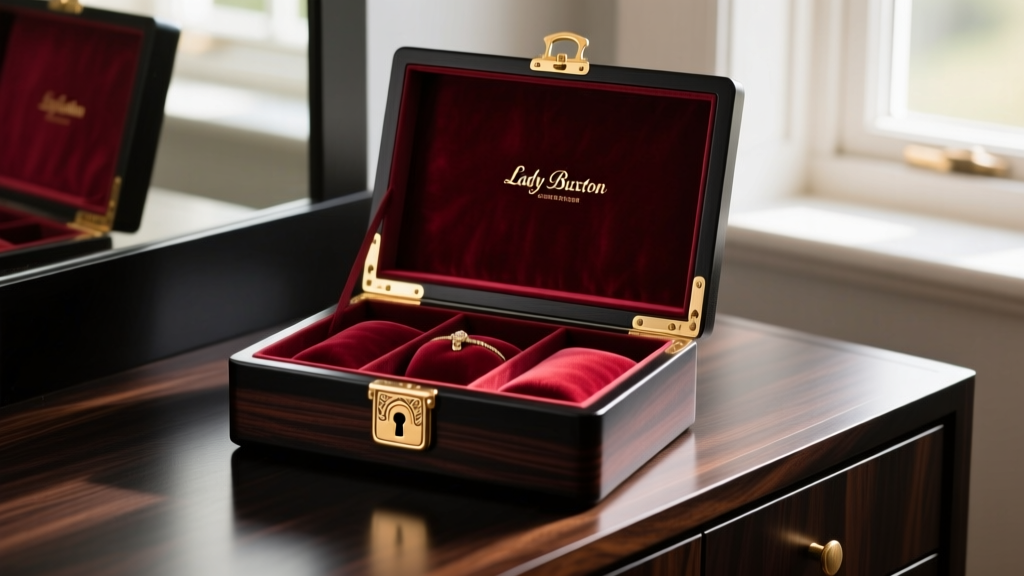
For decades, the Lady Buxton brand has been synonymous with accessible luxury, nostalgic home-party sales, and mid-century domestic elegance. Today, as vintage jewelry storage experiences a massive resurgence among collectors and antique enthusiasts, assessing the true lady buxton jewelry box value requires a nuanced understanding of materials, mechanical components, and market demand. Whether you have inherited a multi-tiered armoire or found a flat travel case at an estate sale, understanding what drives the price of these iconic pieces is essential for both buyers and sellers in 2026.
The Legacy and Craftsmanship of Lady Buxton
Founded in the mid-20th century, Lady Buxton capitalized on the direct-to-consumer home party model, allowing customers to purchase high-quality-looking jewelry storage at accessible price points. The brand's golden era spanned the 1970s through the early 1990s. Unlike modern, mass-produced cardboard and PU-leather organizers, vintage Lady Buxton boxes were typically constructed from heavy MDF (medium-density fiberboard) or solid wood composites, wrapped in thick, textured polyurethane leatherette.
The interiors were lined with plush rayon or cotton-blend velvet, featuring meticulously hand-stitched ring rolls, dedicated watch pillows, and tiered necklace cascades. Many of the larger armoire models also incorporated Swiss or Japanese mechanical music boxes, elevating them from mere storage solutions to cherished vanity centerpieces.
Core Factors Driving Market Value
When appraising a vintage piece, collectors and antique dealers look far beyond the surface aesthetics. The value is heavily dictated by the chemical and mechanical aging of the materials used during the brand's peak production years.
1. Polyurethane Leatherette Hydrolysis
The most common value-killer for vintage faux leather is hydrolysis—the chemical breakdown of PU coatings due to decades of humidity exposure. If the exterior feels sticky, flakes off when touched, or emits a sharp chemical odor, the box is considered in "poor" condition. A pristine, non-tacky leatherette exterior with intact corner seams is rare and commands a significant premium.
2. The Velvet Tarnish Trap
From a modern jewelry storage perspective, vintage velvet presents a unique challenge. The adhesives and sulfur-based dyes used in 1970s rayon velvet often off-gas over time, accelerating the tarnishing of sterling silver. According to conservation guidelines outlined by the Antique Trader, collectors must verify if the interior velvet has been replaced with modern, acid-free, anti-tarnish fabric. Original, unblemished vintage velvet is prized for authenticity, but savvy jewelry owners often line the compartments with Pacific Silvercloth to protect their assets.
3. Mechanical Music Movements
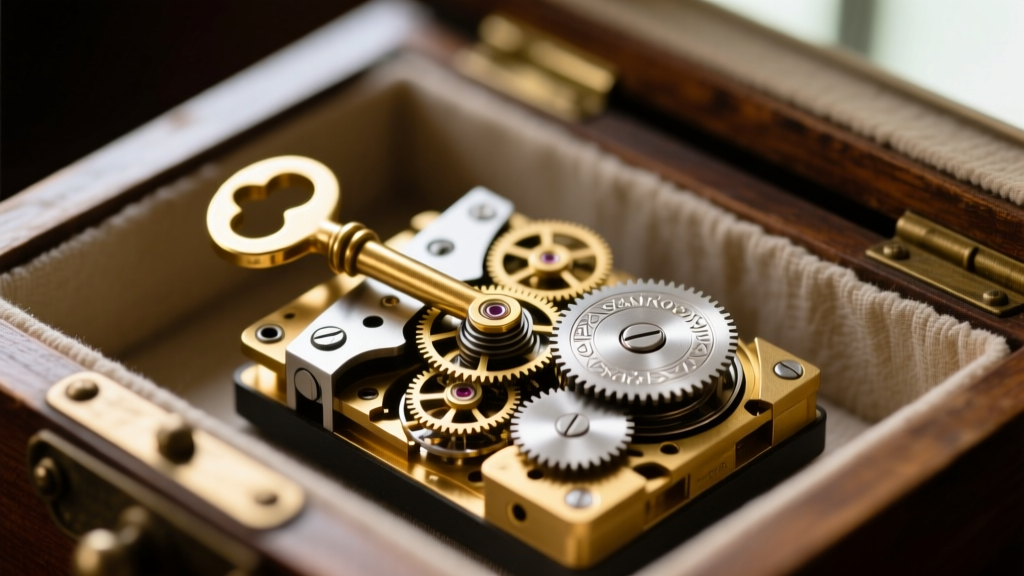
Lady Buxton frequently utilized high-quality 18-note mechanical movements, often manufactured by the renowned Japanese company Sankyo. A fully functional music box with a smooth winding mechanism and clear chime adds $20 to $40 to the resale value. Conversely, a seized or stripped mainspring requires specialized repair, detracting from the overall worth.
Market Pricing Tiers and Resale Data
Based on recent auction data and historical sales tracking from platforms like WorthPoint, the secondary market for Lady Buxton jewelry boxes is highly stratified by condition and model complexity. Below is a comprehensive value assessment matrix for the current vintage market.
| Condition Tier | Physical Characteristics | Estimated Resale Value (USD) |
|---|---|---|
| Parts / Restoration | Severe PU peeling, broken hinges, missing keys, seized music mechanism, heavy interior staining. | $15 - $35 |
| Good / Used | Minor corner wear, fully functional hinges and locks, slight velvet crushing, working music box. | $45 - $85 |
| Excellent | Pristine leatherette, clean and vibrant velvet, flawless hardware, smooth musical movement. | $90 - $150 |
| Mint / Rare Armoires | Deadstock or meticulously preserved large 4-tier armoires, original tags, flawless Sankyo mechanisms. | $175 - $250+ |
Collector's Insight: The classic 3-tier "Empress" armoire in burgundy or forest green consistently performs best at auction, while smaller, flat travel cases often struggle to break the $50 mark unless they feature rare, exotic faux-leather prints like crocodile or ostrich embossing.
Authentication: Spotting Genuine Mid-Century Pieces
As the brand's popularity peaked, several knock-off manufacturers attempted to replicate the Lady Buxton aesthetic. To authenticate a genuine piece and ensure you are paying the correct market value, inspect the following hallmarks:
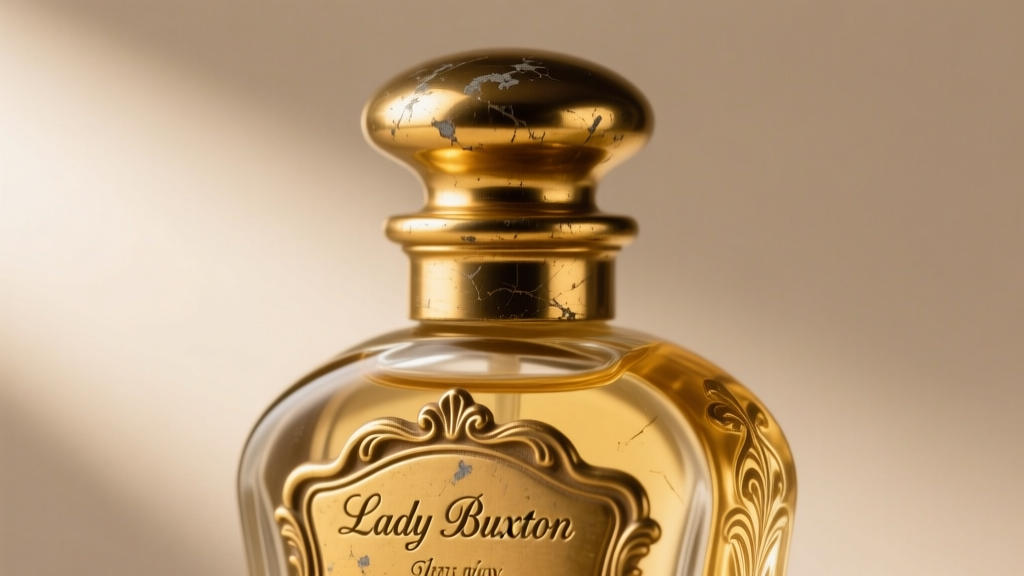
- The Maker's Mark: Authentic boxes feature a gold-foil "Lady Buxton" stamp, usually located on the bottom felt pad or discreetly embossed on the interior lid lining. Over time, this foil often flakes, but the impression in the material remains visible under raking light.
- Hardware Quality: Genuine vintage pieces utilize solid brass or heavy brass-plated pot metal for hinges and locks. The keys are often distinctively shaped like hearts, clovers, or ornate skeletal bits, rather than generic modern tubular keys.
- Weight and Density: Due to the use of dense wood composites and heavy glass beveling on mirrored doors, an authentic large Lady Buxton armoire is surprisingly heavy, often weighing between 8 and 12 pounds empty.
The Restoration Dilemma: Cost vs. Value Return
A common question among inheritors and thrift flippers is whether restoring a damaged Lady Buxton box is financially viable. The short answer is: it depends on your end goal.
If you are restoring for personal use, the investment is highly worthwhile. Replacing a seized Sankyo 18-note music movement costs roughly $18 to $25 for a modern replica part. Re-gluing lifting velvet with archival-quality, acid-free PVA glue (like Jade 403) costs under $10 in materials and prevents further tearing. Stripping the degraded PU leather and recovering the box in a modern, high-grade vegan leather can completely revitalize the piece for daily use, though it will cost $60+ in materials and significant labor.
However, if you are restoring for resale profit, aggressive restoration often destroys the vintage premium. Serious collectors and antique dealers prefer "honest wear" over modern re-upholstery. A box that has been re-covered in modern vinyl is instantly reclassified as a "customized" or "altered" piece, capping its resale value at the lower end of the "Good" tier, regardless of how beautiful the new exterior looks. For flippers, the most profitable route is gentle conservation: cleaning the hardware with a mild brass polish, vacuuming the velvet with a soft brush attachment, and replacing missing keys with period-correct blanks sourced from antique locksmiths.
Final Verdict on Vintage Jewelry Storage
The lady buxton jewelry box value extends far beyond mere monetary appraisal. These pieces represent a bygone era of tactile, mechanical craftsmanship that is entirely absent in today's flat-pack, minimalist acrylic organizers. While they may require careful maintenance to prevent leatherette degradation and velvet off-gassing, a well-preserved Lady Buxton armoire remains one of the most elegant, budget-friendly ways to store and display a serious jewelry collection. By understanding the material science and market tiers outlined above, you can confidently buy, sell, or restore these mid-century treasures with expert precision.


