Choosing the Right Jewelry Box Liner Material to Prevent Tarnish
Discover which jewelry box liner material best protects your collection. Learn about anti-tarnish fabrics, pH levels, and how to prevent scratches.

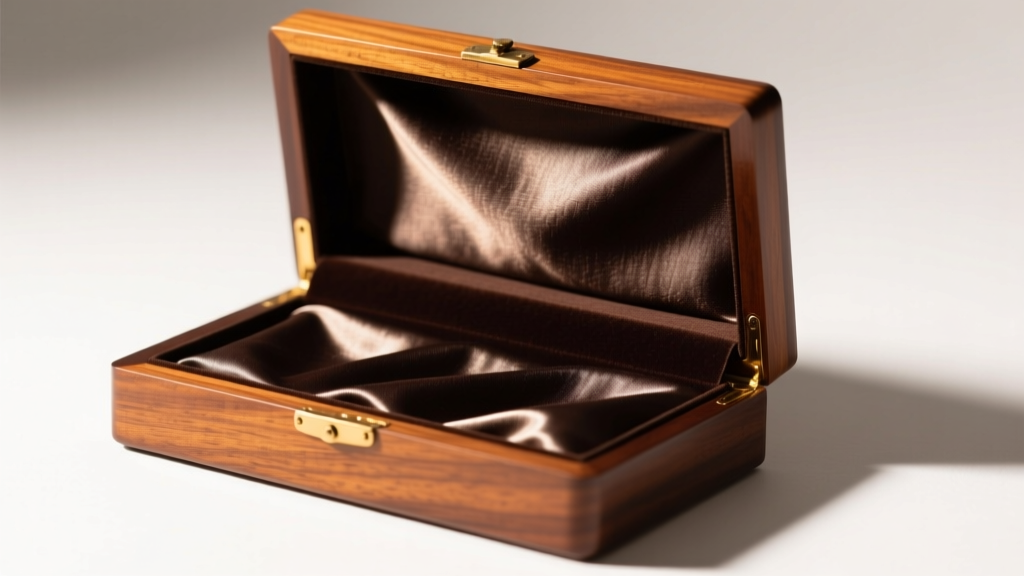
When investing in fine jewelry, most collectors focus on the carat weight, metal purity, and gemstone clarity. Yet, the environment where these pieces rest for 90% of their lifespan is often an afterthought. The exterior of a jewelry box might be crafted from stunning walnut or wrapped in premium leather, but the jewelry box liner material is the actual point of contact. Choosing the wrong interior fabric can lead to micro-abrasions on high-polish gold, accelerated tarnishing of sterling silver, and permanent chemical spotting on porous gemstones like pearls and turquoise.
In this beginner-friendly explainer, we break down the science of textile-metal interactions, rank the best liner fabrics for archival storage, and provide actionable DIY testing methods to ensure your collection remains pristine.
Why Your Jewelry Box Liner Material Matters More Than You Think
Many mass-market jewelry boxes use synthetic velvets, polyurethane foams, or wood-pulp cardboards lined with cheap flocked paper. While these materials look plush and luxurious in a showroom, they are often chemical nightmares for precious metals. The primary culprits of jewelry degradation inside a closed box are chemical off-gassing and moisture trapping.
Standard cardboards and certain synthetic adhesives release volatile organic compounds (VOCs) and acidic vapors over time. In a sealed environment, these gases concentrate and attack metal surfaces. For instance, acidic off-gassing can cause the copper alloys in 14k and 18k gold to oxidize, resulting in dull, dark spots that require professional polishing to remove. Furthermore, materials that trap ambient humidity create a microclimate that accelerates electrochemical corrosion, particularly for silver and copper-based alloys.
The Science of Tarnish: How Fabrics Interact with Metals
To understand why certain fabrics are superior, we must look at the chemistry of tarnish. Sterling silver tarnishes primarily due to a reaction with hydrogen sulfide in the air, forming silver sulfide ($Ag_2S$), which appears as a yellowish, brown, or black film. According to the Library of Congress Silver Preservation Guide, controlling the immediate micro-environment around the silver is the most effective way to halt this reaction.
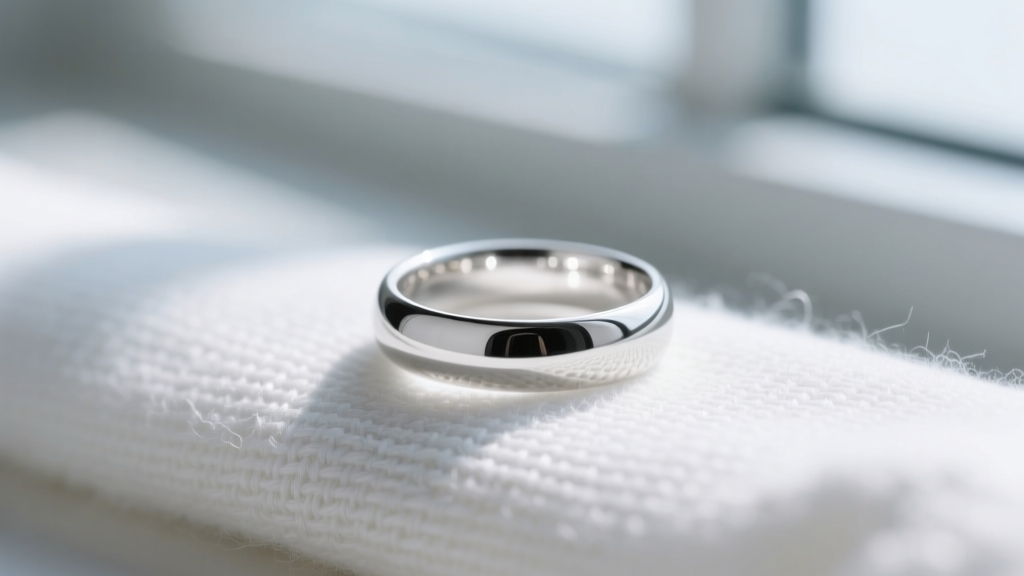
Some textiles naturally contain sulfur or are treated with sulfur-based dyes and sizing agents. Wool, for example, is rich in sulfur-containing amino acids like cysteine. Storing silver in a wool-lined box is practically a guarantee that it will tarnish rapidly. Conversely, archival-grade materials are engineered to be pH-neutral and free of reactive sizing agents, acting as a passive barrier rather than an active catalyst for corrosion.
Top Jewelry Box Liner Materials Ranked for Protection
Not all fabrics are created equal. Here is a deep dive into the specific materials you should seek out—and those you must avoid—when evaluating a jewelry box liner material.
1. Pacific Silvercloth (The Gold Standard)
Pacific Silvercloth is a specialized, 100% cotton flannel that has been embedded with microscopic particles of fine silver during the manufacturing process. The science is simple but brilliant: the silver particles in the cloth act as a sacrificial anode. They absorb and react with hydrogen sulfide gases before those gases can reach your jewelry. When the cloth turns dark brown or black, it indicates it has absorbed its maximum capacity of sulfur and should be replaced. Note: It must never be washed with fabric softeners or bleach, as this destroys its efficacy.
2. Untreated 100% Cotton Flannel
If you cannot source Pacific Silvercloth, untreated, unbleached 100% cotton flannel is the next best option. It is naturally pH-neutral, highly breathable, and soft enough to prevent micro-scratching on high-polish metals. Ensure the cotton is free from commercial fabric softeners and optical brighteners, which can leave chemical residues on your jewelry.
3. Polyethylene Flannel (Archival Grade)
Used by museums and high-end archival storage brands, polyethylene flannel is a synthetic material that is completely inert. Unlike polyurethane or PVC, polyethylene does not off-gas harmful plasticizers or acidic vapors. It is exceptionally soft, lint-free, and impervious to moisture, making it an outstanding choice for storing pearls, opals, and soft gemstones that require stable humidity levels.
3. Materials to Strictly Avoid
- Wool and Felt: High sulfur content causes rapid silver sulfide formation.
- Standard Cardboard/Wood Pulp: Highly acidic; causes gold leaf spotting and bronze disease.
- PVC and Polyurethane Foams: Off-gas plasticizers that leave a sticky, damaging residue on metals and degrade porous gems.
- Silk: While luxurious, natural silk contains sulfur compounds and is highly acidic, making it surprisingly poor for long-term silver storage.
Comparison Chart: Liner Fabric Performance Metrics
Use this matrix to evaluate the jewelry box liner material of your current or prospective storage solutions.
| Material | Tarnish Resistance | Scratch Prevention | pH Level | Best Used For |
|---|---|---|---|---|
| Pacific Silvercloth | Exceptional (Active) | High | Neutral | Sterling Silver, Silverplate |
| Untreated Cotton Flannel | Good (Passive) | High | Neutral | Gold, Platinum, Everyday Wear |
| Polyethylene Flannel | Excellent (Inert) | Exceptional | Neutral | Pearls, Opals, High Karat Gold |
| Synthetic Velvet (Nylon) | Poor | Medium | Varies (Often Acidic) | Costume Jewelry Only |
| Wool Felt | Destructive | High | Acidic | Avoid Completely |
How to Test Your Existing Liner for Acidity and Sulfur
If you have inherited a vintage jewelry box or purchased an antique piece with an unknown liner, do not trust it blindly. The Gemological Institute of America (GIA) recommends rigorous testing before introducing fine jewelry to a new environment. You can perform a simple, highly effective "Silver Coin Test" at home.
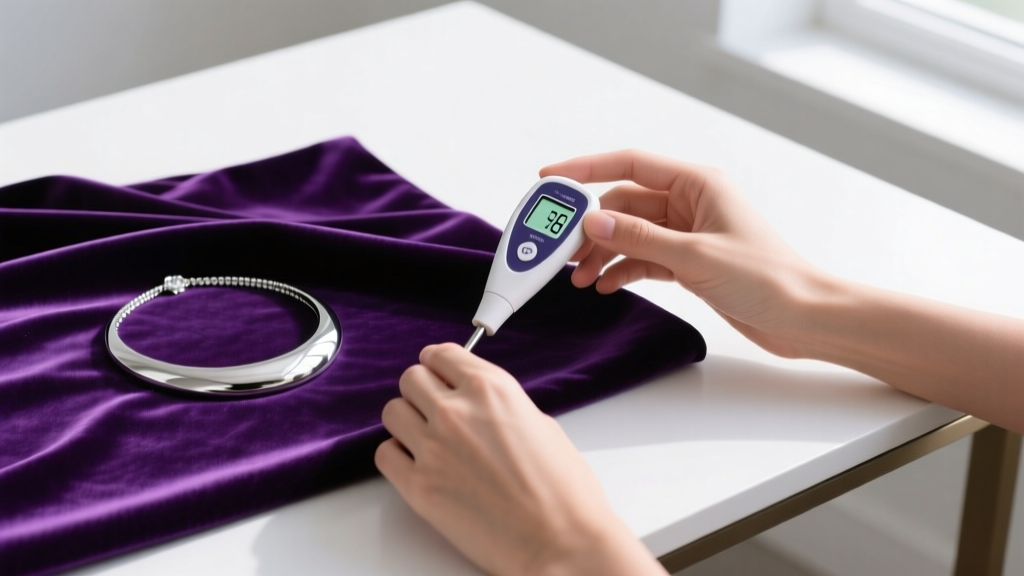
- Prepare the Sample: Cut a 3x3 inch swatch of the suspected jewelry box liner material.
- Prepare the Metal: Take a pristine, highly polished sterling silver coin or a cheap sterling silver test ring. Polish it with a jeweler's cloth until it is completely free of existing tarnish.
- Seal the Environment: Place the fabric swatch and the silver piece inside a clean glass mason jar. Add a few drops of water to a cotton ball (to simulate high humidity) and place it in the jar, ensuring it does not touch the metal or fabric.
- Wait and Observe: Seal the jar tightly and place it in a warm, dark closet for 14 days.
If the silver emerges with yellow, brown, or black spotting, the fabric contains sulfur or acidic sizing agents and is unsafe for your collection. If it remains bright and reflective, the material is chemically stable.
Upgrading Your Storage: DIY Liner Replacement Tips
If your favorite box fails the test, you can easily upgrade the interior. Replacing a jewelry box liner material requires precision and the right archival supplies. Never use standard craft glues, hot glue, or PVA (polyvinyl acetate) adhesives, as these contain water and acidic resins that will warp the box and off-gas into the interior.
Instead, use 3M 415 Acid-Free Double-Sided Tape or Lineco Acid-Free Adhesive. Measure the interior panels precisely, leaving a 1/16th-inch gap at the corners to prevent the fabric from bunching. Use a Teflon-coated bone folder to press the fabric firmly into the crevices and hinge points. This ensures a taut, professional finish that will not snag delicate prongs or chain links when you insert and remove your pieces.
"The true measure of a jewelry box is not how it looks on the outside, but how it protects on the inside. A $50 box lined with Pacific Silvercloth will preserve your heirlooms far better than a $500 mahogany chest lined with acidic felt."
By understanding the chemical properties of your jewelry box liner material, you transition from simply storing your jewelry to actively preserving it. Take the time to audit your current storage, run the silver coin test, and upgrade to inert, archival-grade fabrics to ensure your collection remains as brilliant as the day you acquired it.


