Jewelry Box OSRS: Building Your Real-Life End-Game Storage
Learn how to build an end-game real-life jewelry box inspired by OSRS mechanics. Master anti-tarnish storage, compartmentalization, and display.

The OSRS Jewelry Box: Why Gamers Have It Right
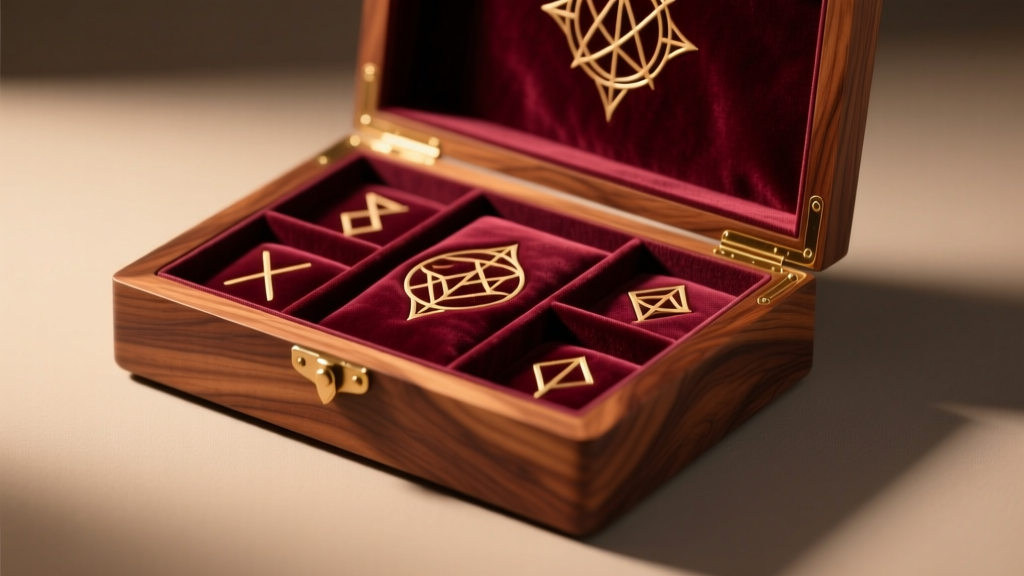
If you have ever spent hours grinding in Old School RuneScape (OSRS), you know the undeniable satisfaction of finally constructing the jewelry box in your Player-Owned House (POH). In the game, this masterpiece of mahogany and magic solves a massive inventory problem: it stores your amulets of glory, rings of wealth, and combat bracelets in one centralized hub. More importantly, it offers one-click teleportation, prevents item degradation, and completely eliminates the dreaded "tangled necklace" or "tarnished ring" debuffs.
While we cannot yet click a real-life amulet to instantly teleport to the Grand Exchange, the core philosophy behind the jewelry box OSRS mechanic is actually rooted in elite organizational science. In 2026, real-world jewelry collectors and everyday wearers alike are adopting "end-game" storage strategies inspired by this digital ideal. The goal is simple: absolute accessibility, zero environmental degradation, and tiered compartmentalization. Here is how to translate your POH upgrade into a physical, high-performance jewelry storage system.
Translating Game Mechanics to Real-World Storage
In OSRS, the jewelry box is divided into specific tiers—glory, wealth, dueling, and digging. This is not just for show; it separates high-frequency use items from specialized gear. We must apply this exact tiered logic to real-world storage to prevent cross-contamination of metals and physical scratching.
The "Teleport" Tier: Daily Wear & Quick Access
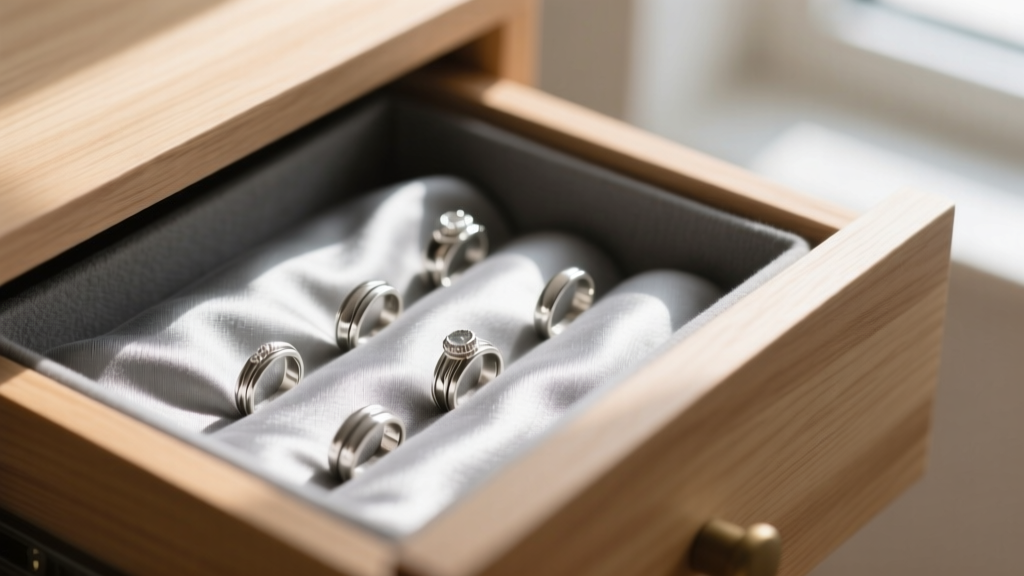
Your "Amulet of Glory" or "Ring of Dueling" equivalents are the pieces you wear daily. These require a valet-style landing zone rather than deep storage. Opt for a top-lid open tray lined with microfiber. Microfiber is essential here because daily wear pieces accumulate skin oils and lotions; unlike traditional velvet, which traps oils and breeds bacteria, high-density microfiber can be removed and machine-washed. Ensure your daily tray features a minimum 15mm depth to prevent rings from rolling out when the drawer is pulled.
The "Ring of Wealth" Tier: High-Value & Archival
For your end-game investments—platinum bands, high-carat diamond tennis bracelets, and heirloom silver—deep, airtight storage is mandatory. According to the Gemological Institute of America (GIA), precious metals and porous gemstones (like pearls and opals) require strict climate control. This tier demands individual soft-lined slots to prevent the "Mohs hardness scale" from working against you. For example, a diamond (Mohs 10) left loose in a drawer will effortlessly scratch a gold band (Mohs 2.5-3) or an emerald (Mohs 7.5-8). Use individual polyethylene zip-bags or dedicated felt rolls for these high-value assets.
Material Grades for the Ultimate "End-Game" Setup
Constructing the physical jewelry box in OSRS requires 3 mahogany planks, 3 gold leaves, and a magic stone. To build a heritage-quality real-life equivalent, we must look at material density, off-gassing, and hardware longevity. Cheap MDF (Medium-Density Fiberboard) off-gasses formaldehyde, which can actually accelerate the chemical breakdown of certain metal alloys and pearl nacre over time.
| Real-Life Material | OSRS Equivalent | Durability & Specs | Price Range (2026) | Best Application |
|---|---|---|---|---|
| Solid Mahogany / Walnut | Mahogany Planks | Janka 800-1010 lbf; highly stable, low off-gassing | $250 - $800 | Main Cabinetry & Drawers |
| Solid Brass Hardware | Gold Leaves | Corrosion-resistant alloy; 90-degree quadrant hinges | $45 - $150 | Hinges, Locks, & Pulls |
| Pacific Silvercloth | Magic Lining | 100% cotton embedded with micro-silver particles | $25 - $50 / yard | Silver & White Gold Slots |
| Tempered Glass Domes | Magic Stone | Scratch-resistant; blocks UV degradation | $80 - $200 | Watch & Necklace Displays |
Anti-Tarnish Tech: Your Real-Life Magic Lining
The most frustrating "debuff" in real-world jewelry ownership is tarnish. Tarnish on sterling silver is not a sign of poor quality; it is a natural chemical reaction between the copper alloy in the silver and hydrogen sulfide (H2S) gases present in the ambient air. To combat this, your POH setup requires advanced anti-tarnish technology.
Pacific Silvercloth vs. Standard Velvet
Standard velvet looks luxurious but offers zero chemical protection. Pacific Silvercloth, on the other hand, is a patented fabric that embeds thousands of micro-particles of pure silver into 100% cotton flannel. These particles act as a sacrificial anode—they tarnish themselves so your jewelry does not. When lining your "Ring of Wealth" drawers, ensure the cloth is stapled or glued using acid-free, pH-neutral adhesives. Standard wood glues contain acids that will bleed through the fabric and stain your metals.
Activated Charcoal and 3M Strips
For enclosed compartments that cannot be fully lined, utilize 3M Anti-Tarnish strips. These small, unobtrusive paper strips absorb airborne sulfides and protect a 1-cubic-foot space for up to 6 months. Jewelers of America highly recommends combining these strips with silica gel packets to maintain an optimal relative humidity (RH) of 40% to 50%. Anything above 60% RH accelerates oxidation, while anything below 30% can dry out and crack organic gems like opals, amber, and turquoise.
Step-by-Step: Building Your Player-Owned House (POH) Setup
Ready to construct your ultimate storage hub? Follow this beginner-friendly framework to organize your collection like an OSRS veteran.
- Audit Your Inventory: Separate your collection into three piles: Daily Wear (Teleports), Occasion/High-Value (Wealth), and Costume/Fashion (Dueling). Discard or repair broken items before storing.
- Select the Chassis: Choose a solid wood box with a minimum of 3 distinct drawers. Avoid boxes with exposed nail heads inside the drawers, as these will rust and stain your linings.
- Install the Linings: Line the top drawer (Daily Wear) with washable microfiber. Line the middle drawer (High-Value) with Pacific Silvercloth. Leave the bottom drawer (Costume) with standard acid-free felt, as fashion jewelry requires less stringent chemical protection.
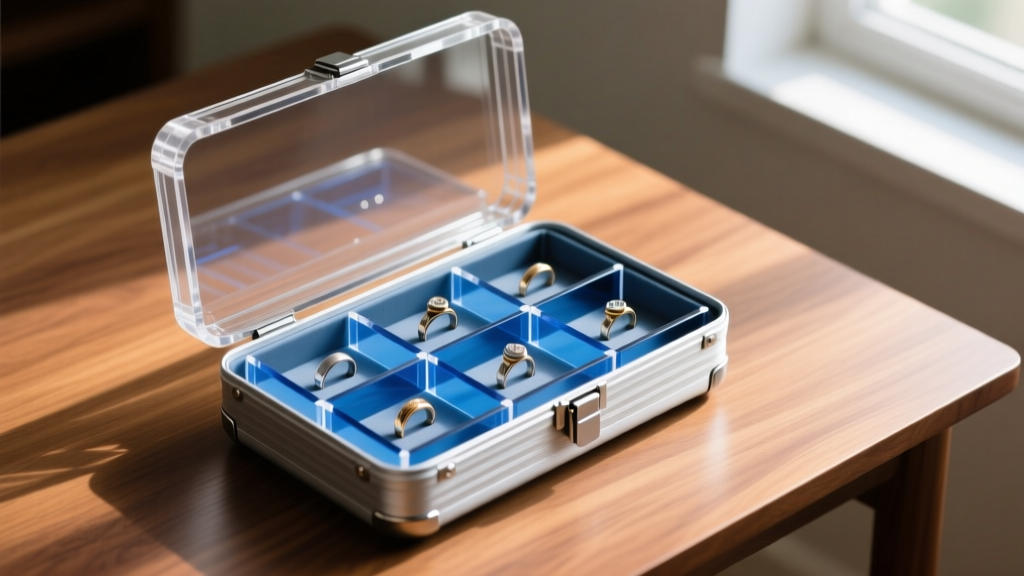
- Deploy the Hardware: Install ring rolls with a minimum 12mm groove width to accommodate modern, chunky band rings. Use adjustable necklace hooks with rubberized tips to prevent chain slippage.
- Activate the Anti-Tarnish: Tuck a 3M Anti-Tarnish strip and a color-indicating silica gel packet into the back corner of every single drawer. Set a calendar reminder to replace them every 6 months.
By treating your real-world jewelry storage with the same dedication and strategic planning as an OSRS end-game setup, you ensure your collection remains pristine, untangled, and ready for immediate "equip" whenever you need it. You may not get a teleport animation when you put on your favorite ring, but you will enjoy the peace of mind that comes with master-level organization.


