The Evolution of the Jewelry Case Lock: 2026 Security Trends
Discover 2026 trends in jewelry case lock technology, from biometric fingerprint scanners to hidden magnetic closures for ultimate security and style.

The Shift from Ornamental to Functional Security
For decades, the jewelry case lock was treated as an afterthought—a flimsy brass hasp or a decorative keyhole that offered little more than the illusion of security. As high-value jewelry collections have grown and travel has become more frequent, the demands placed on storage solutions have radically shifted. In 2026, the jewelry case lock is no longer just a mechanical fastener; it is a sophisticated intersection of metallurgy, micro-electronics, and minimalist industrial design. Today’s collectors and frequent flyers require storage that protects against both opportunistic theft and environmental degradation, without compromising the aesthetic integrity of luxury leather, carbon fiber, or exotic wood exteriors.
The modern security landscape for jewelry storage is defined by three major trends: the miniaturization of biometric sensors, the integration of high-grade neodymium magnetic closures, and the metallurgical refinement of travel-ready combination dials. Understanding these mechanisms is critical for anyone investing in high-end jewelry organization.
Biometric and Smart Locks: The New Standard
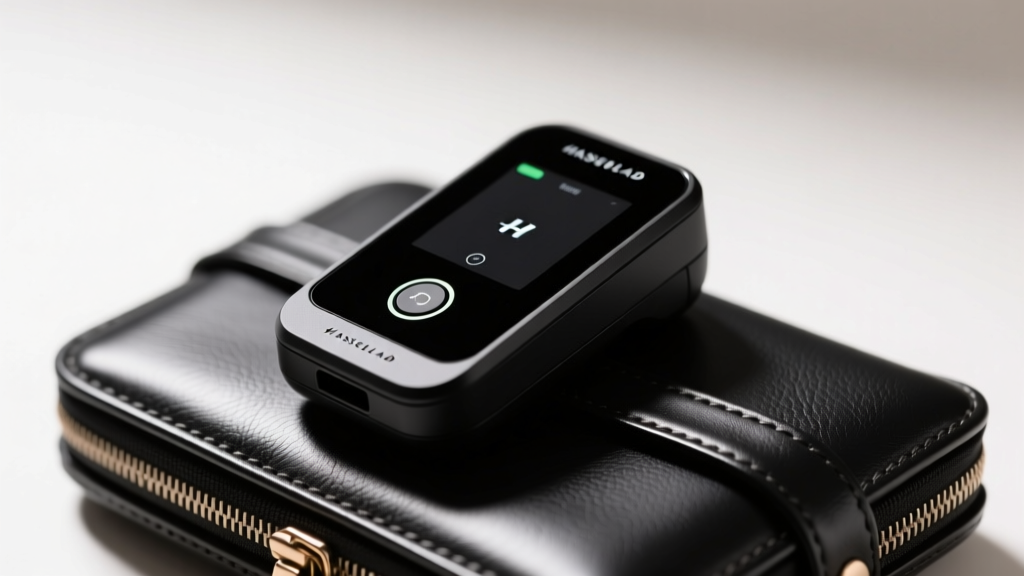
The integration of biometric technology into personal storage has matured significantly. Early iterations of fingerprint scanners on jewelry boxes relied on optical sensors, which were prone to high false rejection rates (FRR) and could occasionally be bypassed with high-resolution imagery. The 2026 standard utilizes capacitive fingerprint sensors operating at 508 DPI (dots per inch). These sensors map the microscopic ridges and valleys of a fingerprint using electrical currents, offering an FRR of less than 1% and a false acceptance rate (FAR) of 1 in 50,000.
Power management has also seen a massive overhaul. Instead of relying on easily depleted coin-cell batteries, premium smart jewelry cases now feature integrated lithium-polymer batteries charged via USB-C. A single charge typically yields up to six months of standby time or roughly 5,000 actuations. However, a critical failure mode to consider is total battery depletion. Top-tier manufacturers now include a hidden micro-USB emergency port or a physical override key concealed within the velvet lining to prevent owners from being locked out of their own collections.
Hidden Magnetic and RFID Closures
For home-based jewelry armoires and vanity displays, visible locks can disrupt the clean lines of mid-century modern or contemporary minimalist designs. The prevailing trend in luxury home storage is the hidden magnetic closure. Designers are embedding N52-grade neodymium magnets into the brass or stainless steel hinges of jewelry boxes. An N52 magnet of just 10mm in diameter can exert a pull force exceeding 15 pounds, creating a secure, seamless snap that requires deliberate, two-handed force to open.
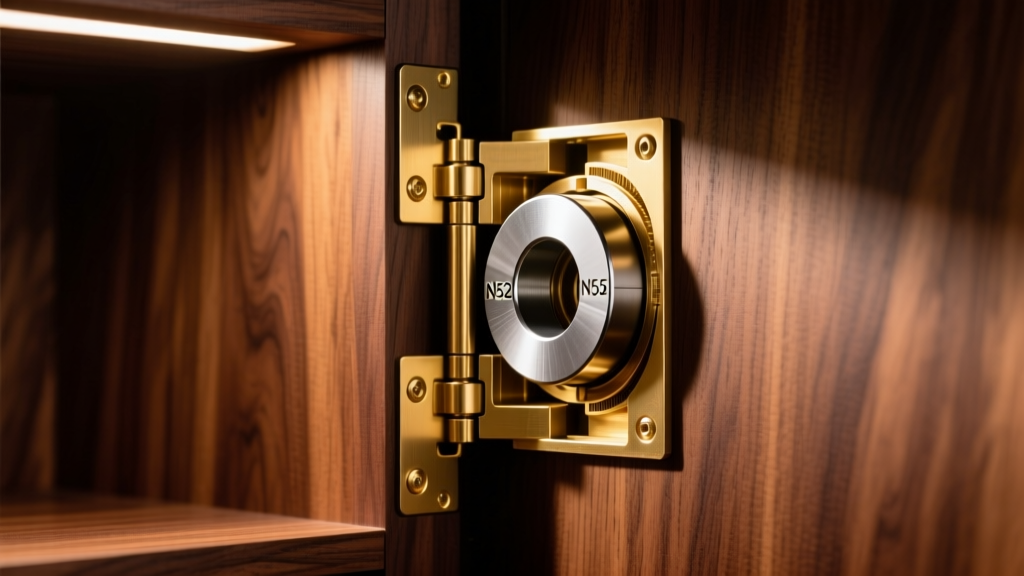
Beyond physical security, these hidden closures are increasingly being paired with RFID (Radio Frequency Identification) blocking linings. As the Gemological Institute of America (GIA) frequently notes in their care guidelines, protecting jewelry extends beyond physical theft to digital security. RFID-blocking copper-nickel mesh woven into the interior lining prevents unauthorized scanning of smart jewelry or NFC-enabled authentication chips embedded in modern luxury watches.
Travel Security: TSA-Approved and Anti-Snatch Tech
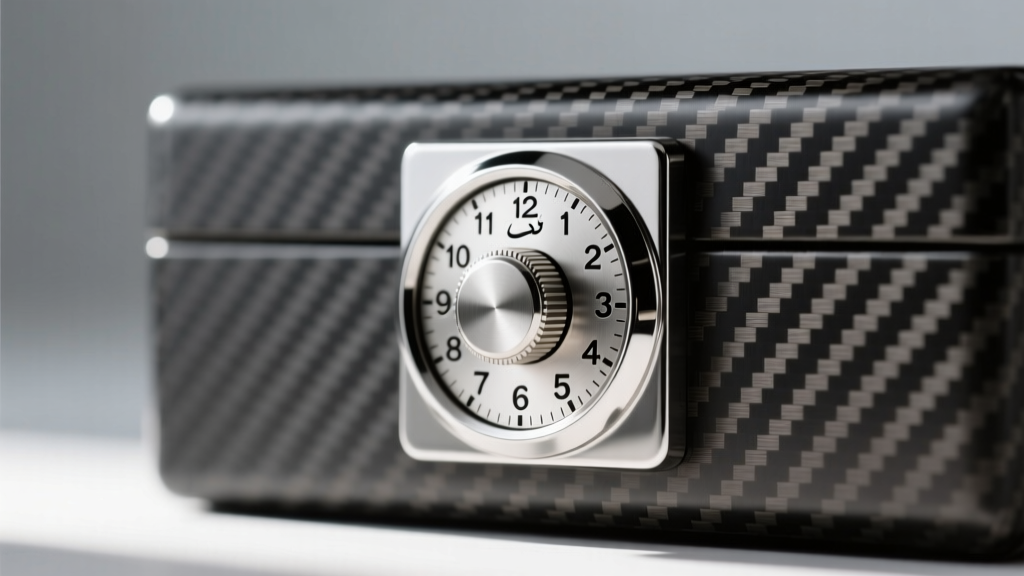
When traveling, the jewelry case lock must balance strict security with the practical realities of airport inspections. The Transportation Security Administration (TSA) mandates that luggage locks be accessible to agents without damaging the container. For hard-shell jewelry travel cases, the 3-dial combination lock remains the standard, but the materials used in 2026 are vastly superior to those of the past.
Leading travel brands have moved away from cheap die-cast alloys, opting instead for CNC-machined 304 stainless steel or anodized 6061-T6 aluminum for the lock housing and dials. These materials resist the brutal torque applied during transit and prevent the internal pins from seizing due to humidity changes. Furthermore, the zippers on soft-sided jewelry rolls are now featuring anti-snatch, interlocking zipper pulls that feed directly into a hardened steel shackle, preventing thieves from simply slicing the fabric away from the lock.
Lock Mechanism Comparison: 2026 Market Data
To help collectors and travelers make informed decisions, we have compiled a comparative analysis of the primary jewelry case lock mechanisms currently dominating the luxury and premium markets.
| Lock Mechanism | Core Material | Security Rating | Avg. Price Range | Best Use Case |
|---|---|---|---|---|
| Capacitive Biometric | Polycarbonate / Zinc Alloy | High (Digital) | $150 - $400 | Home safes, high-end daily wear boxes |
| N52 Magnetic Snap | Brass / 316L Stainless | Low (Physical) | $80 - $250 | Vanity displays, quick-access armoires |
| 3-Dial TSA Combination | 304 Stainless Steel | Medium (Travel) | $45 - $120 | Checked luggage, hotel room safes |
| Micro-Key Tubular | Hardened Brass | Medium-High | $60 - $180 | Portable jewelry rolls, briefcases |
Material Grades and Mechanical Failure Modes
The longevity of a jewelry case lock is entirely dependent on its metallurgy and mechanical tolerances. The most common point of failure in mid-tier jewelry boxes is the use of Zamak 3 or Zamak 5 (zinc-aluminum alloys) for the lock housing and internal tumblers. While Zamak is inexpensive and easy to die-cast into intricate, ornamental shapes, it is highly susceptible to 'white rust' (zinc oxide) when exposed to the humidity of a bathroom vanity. Over time, this oxidation causes the internal pins to stick, rendering the key useless.
In contrast, luxury brands are standardizing on 316L stainless steel for internal lock components. Known as 'marine-grade' steel, 316L contains molybdenum, which drastically increases resistance to chlorides and industrial solvents. This ensures that the lock will not seize, even if stored in a coastal environment or a high-humidity dressing room. Additionally, the springs inside high-end combination dials are now fabricated from beryllium copper, which resists spring fatigue and maintains its tension over tens of thousands of cycles, unlike standard music wire springs that lose their rebound after a few years of daily use.
Expert Verdict: Choosing Your Locking Mechanism
'The best jewelry case lock is one that matches the environment of the storage. A biometric lock is useless if the lithium battery dies in a humid climate without an override, just as a heavy steel TSA lock is overkill for a vanity display where aesthetics and quick access are paramount.' — Elena Rostova, Industrial Designer for Luxury Storage Solutions.
Ultimately, the evolution of the jewelry case lock reflects a broader consumer demand for intelligent, unobtrusive security. Whether you are securing a multi-carat diamond necklace in a biometric carbon-fiber vault or simply keeping your daily gold hoops safe in a magnetically sealed leather roll, understanding the mechanics and materials of your closure system is the first step in true jewelry preservation. As we move through 2026, expect to see even deeper integration of smart-home connectivity, allowing high-end jewelry armoires to send push notifications if an unauthorized access attempt is detected.


