Melissa And Doug Jewelry Box: Material Safety & Storage Comparison
Compare Melissa and Doug jewelry box wood materials against plastic and MDF. Discover safe, non-toxic storage properties for kids' silver and gold.

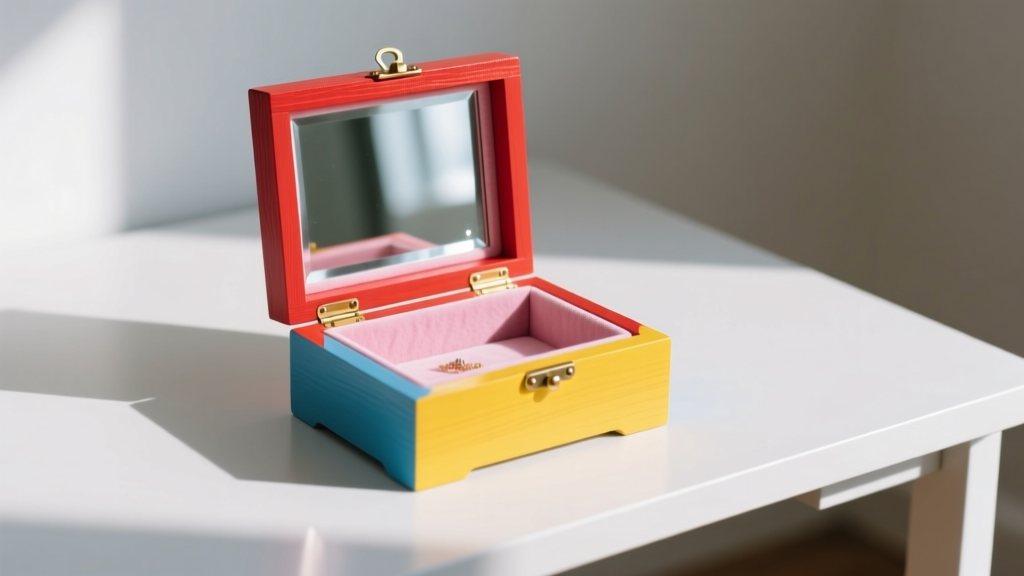
When organizing a child’s growing collection of keepsakes, charm bracelets, and heirloom silver, parents frequently turn to the iconic Melissa and Doug jewelry box as a reliable storage solution. Known for its whimsical designs and musical mechanisms, this staple of children's rooms is often praised for its aesthetic appeal. However, from a material science and preservation perspective, how does its construction hold up against the rigors of daily use and the chemical realities of jewelry tarnish?
As a senior storage analyst, I evaluate junior organizers not just by their outward charm, but by their structural integrity, safety certifications, and interior material properties. In this comprehensive guide, we will deconstruct the materials used in the Melissa and Doug jewelry box, compare them against alternative storage mediums like ABS plastic and solid pine, and provide actionable frameworks for preserving your child’s precious metals.
The Benchmark: Analyzing the Melissa and Doug Jewelry Box Construction
The classic wooden Melissa and Doug jewelry box is rarely constructed from solid hardwood. Instead, it utilizes high-grade Medium-Density Fiberboard (MDF) overlaid with a birch or pine wood veneer. This is a deliberate manufacturing choice. MDF offers a uniform density (typically between 37 to 50 lb/ft³) that prevents the warping and grain tear-out associated with solid pine in environments with fluctuating humidity, such as a child's bedroom or bathroom.
The exterior is finished with water-based, non-toxic polyurethane paints. Unlike older solvent-based lacquers that emit high levels of Volatile Organic Compounds (VOCs), modern water-based finishes cure to a hard, scratch-resistant shell while maintaining indoor air quality. The veneer is sealed to prevent moisture ingress, which is critical because unsealed MDF will act like a sponge, swelling and compromising the structural integrity of the hinge mountings if exposed to spilled liquids.
Material Safety Standards in Children's Jewelry Storage
Because children frequently handle their jewelry boxes—and occasionally put their hands or the jewelry itself near their mouths—the material safety of the storage unit is paramount. The materials used in reputable children's organizers must comply with strict regulatory frameworks.
"Toy storage and accessories intended for children under 12 must undergo rigorous testing for heavy metals in surface coatings and substrate materials to ensure compliance with federal lead and phthalate limits." — U.S. Consumer Product Safety Commission (CPSC)
The paint and veneer adhesives in a compliant Melissa and Doug jewelry box are tested to meet ASTM F963 Standard Consumer Safety Specification for Toy Safety. This ensures that the pigments used for the bright pinks, purples, and whites contain less than 90 ppm of lead and are entirely free of harmful phthalates. When comparing this to cheap, unbranded plastic organizers imported without oversight, the risk of endocrine-disrupting chemicals leaching from low-grade PVC or recycled plastics makes certified wood-composite boxes a vastly superior choice for health-conscious parents.
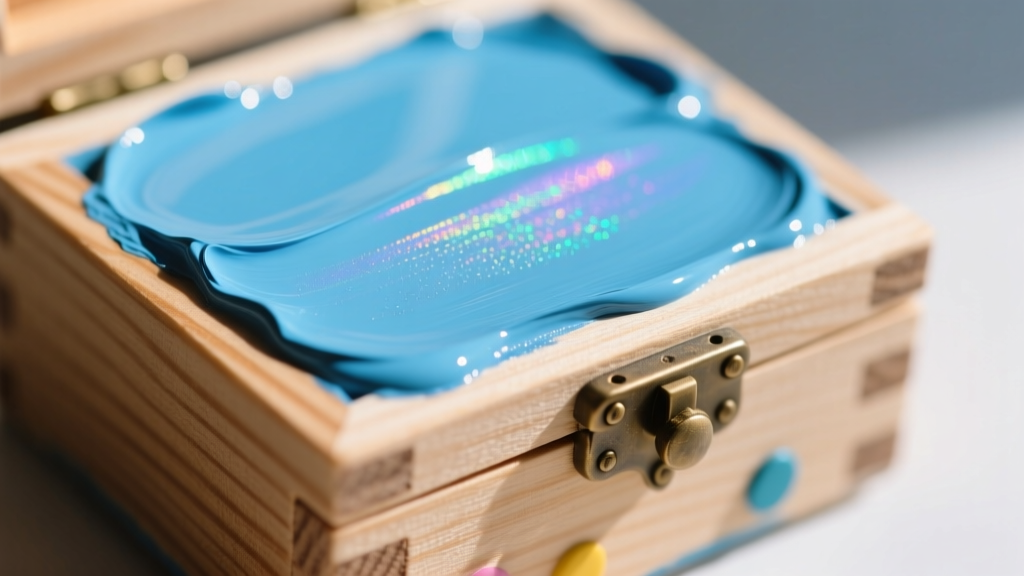
Wood vs. MDF vs. Plastic: A Structural Comparison
To understand where the Melissa and Doug jewelry box sits in the broader market, we must compare its MDF-veneer construction against solid wood and injection-molded plastics. Each material presents distinct advantages and failure modes regarding jewelry storage.
| Material Type | Density (lb/ft³) | Screw Retention (Hinges) | Moisture Resistance | Off-gassing / VOCs |
|---|---|---|---|---|
| MDF with Birch Veneer (Melissa & Doug Standard) | 37 - 50 | Moderate (Requires threaded inserts or dowels) | Poor (Swells if seal is broken) | Very Low (CARB Phase 2 compliant) |
| Solid Pine | 22 - 35 | High (Excellent for wood screws) | Moderate (Prone to warping) | None (Natural terpenes only) |
| ABS Plastic | 65 - 75 | N/A (Uses snap-fit or brass heat-set inserts) | Excellent (Impervious to water) | Moderate (Risk of BPA/Phthalates) |
| Corrugated Cardboard (Budget Travel Cases) | 10 - 15 | None (Uses adhesive or paper tabs) | Very Poor | Low (Soy-based inks) |
While solid pine offers better screw retention for heavy brass hinges, it is highly susceptible to seasonal expansion and contraction. This can cause the lid of a solid wood box to bind or fail to close properly over time. The MDF used in the Melissa and Doug jewelry box provides dimensional stability, ensuring the lid alignment remains precise year-round, provided the veneer seal remains intact.
Interior Linings: Felt, Velvet, and Tarnish Prevention
The most critical material interaction in any jewelry box occurs between the metal and the interior lining. The Melissa and Doug jewelry box typically features a soft, flocked acrylic felt or synthetic suede lining. While this provides a scratch-free surface for delicate gold plating and soft gemstones like pearls, it offers zero protection against tarnish.
Tarnish on sterling silver is primarily caused by a chemical reaction between the copper alloy in the silver and hydrogen sulfide (H₂S) or sulfur dioxide (SO₂) present in ambient air. Standard acrylic felt does not neutralize these gases. In fact, if the felt is dyed with certain sulfur-based colorants, it can actually accelerate the tarnishing process.
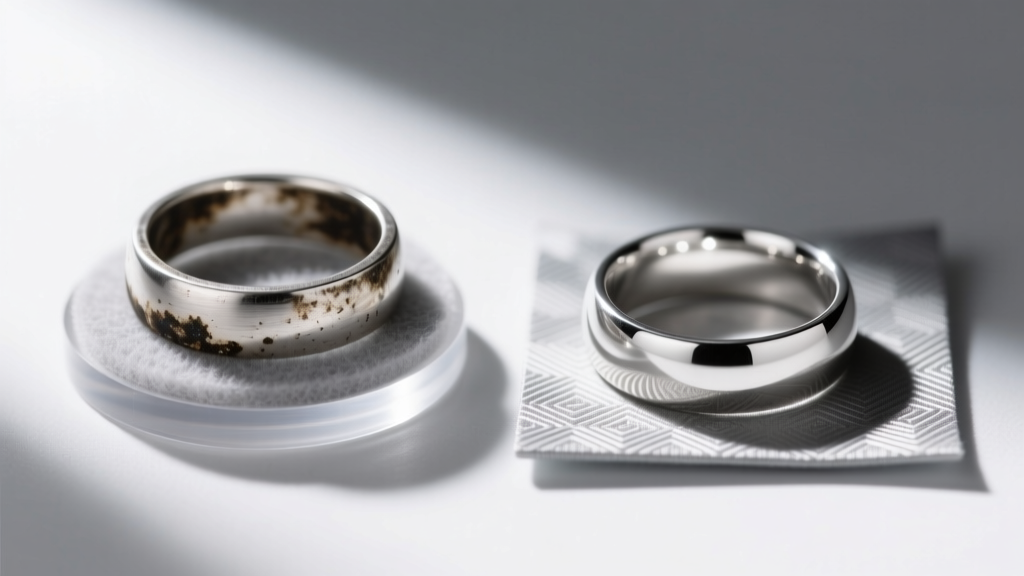
Actionable Upgrades for Silver Preservation
If your child’s box houses sterling silver keepsakes, you must intervene to alter the interior micro-environment:
- Anti-Tarnish Strips: Place 3M copper-based anti-tarnish strips in the bottom drawer. These strips sacrificially oxidize, absorbing airborne sulfides for up to 6 months before needing replacement.
- Zinc-Impregnated Cloth: For high-value heirlooms, line the primary compartment with Pacific Silvercloth. This specialized flannel is embedded with microscopic zinc particles that intercept and neutralize sulfur gases before they reach the silver.
- Silica Gel Packets: Humidity acts as a catalyst for tarnish. Tossing a 5-gram indicating silica gel packet into the main compartment will keep the relative humidity below the 40% threshold required for rapid oxidation.
Hardware and Hinge Durability in Junior Organizers
The failure point of 90% of children's jewelry boxes is the hinge hardware. Kids are notoriously rough with lids, often letting them slam shut or hanging their weight on them when open. The Melissa and Doug jewelry box mitigates this by utilizing reinforced steel piano hinges or heavy-duty butt hinges with a safety catch mechanism.
Cheap alternatives often use zinc-alloy die-cast hinges. While zinc alloy is inexpensive to mold into decorative shapes, it suffers from metal fatigue and brittle fracture under repeated stress. Furthermore, if the zinc plating on steel hinges is too thin (under 5 microns), the ambient humidity in a bedroom will cause the underlying steel to rust, leaving orange stains on the wood veneer and the interior felt. Always inspect the hinge knuckles on any wooden storage box; they should be smooth, tightly pinned, and preferably made of solid brass or thick, nickel-plated steel.
Final Verdict: Maintaining Your Child's Storage Investment
The Melissa and Doug jewelry box remains a benchmark in the junior storage category due to its adherence to ASTM F963 safety standards, its dimensionally stable MDF-veneer construction, and its reliable hardware. It vastly outperforms injection-molded plastic alternatives in terms of toxicity and aesthetic longevity.
However, it is not a passive preservation vault. To maximize the lifespan of both the box and the jewelry within it, parents should routinely check the veneer edges for chipping (which exposes the moisture-vulnerable MDF core) and proactively supplement the standard acrylic lining with anti-tarnish strips. By understanding the material properties of your child's storage solution, you ensure that their cherished keepsakes remain as vibrant and intact as the memories attached to them.


