How to Organize a Round Jewelry Box: A Step-by-Step Guide
Learn how to organize a round jewelry box with our step-by-step guide. Maximize curved space, prevent tarnish, and protect fine gems.

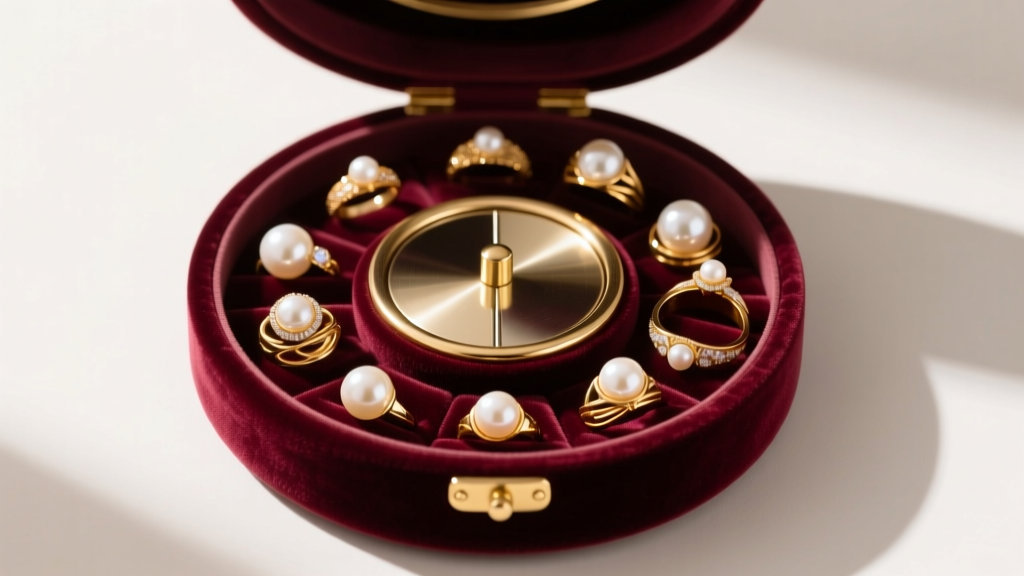
The Unique Challenges of Curved Storage
Round jewelry boxes are undeniably elegant, offering a classic, vanity-ready aesthetic that rectangular cases simply cannot match. However, from an organizational standpoint, their cylindrical geometry presents a unique set of spatial challenges. A standard 12-inch diameter round box offers roughly 113 square inches of total footprint, but the usable rectangular-equivalent space is closer to 75 square inches due to the curvature of the outer walls and the central pillar mechanism. If you attempt to organize a circular box using the same linear logic you would apply to a rectangular valet, you will inevitably end up with tangled chains, crushed gemstones, and wasted dead space in the wedge-shaped drawers.
To truly maximize the utility of your circular storage, you must abandon traditional grid-based organization and adopt a radial zoning strategy. This step-by-step guide will walk you through auditing your collection, mapping the specific zones of a round jewelry box, and implementing archival-grade protection to ensure your fine jewelry remains pristine.
Step 1: Audit and Categorize by Wear Frequency
Before placing a single piece into your round box, you must audit your collection. The radial design of a circular box means that the outer edges are easily accessible, while the center and deep drawer wedges require more effort to reach. Therefore, your first step is to sort your jewelry into three distinct tiers based on wear frequency.
- Tier 1 (Daily Wear): Stud earrings, simple chain necklaces, wedding bands, and everyday signet rings. These belong in the most accessible outer zones.
- Tier 2 (Weekly/Event Wear): Statement necklaces, drop earrings, and cocktail rings. These should be placed in the secondary inner drawers or the central carousel.
- Tier 3 (Archival/Heirloom): High-carat gemstone pieces, antique brooches, and delicate pearl strands. These require the deepest, most protected wedge drawers with added anti-tarnish environments.
By categorizing your pieces first, you ensure that the physical layout of the box supports your daily routine rather than hindering it.
Step 2: Map the Zones of Your Round Box
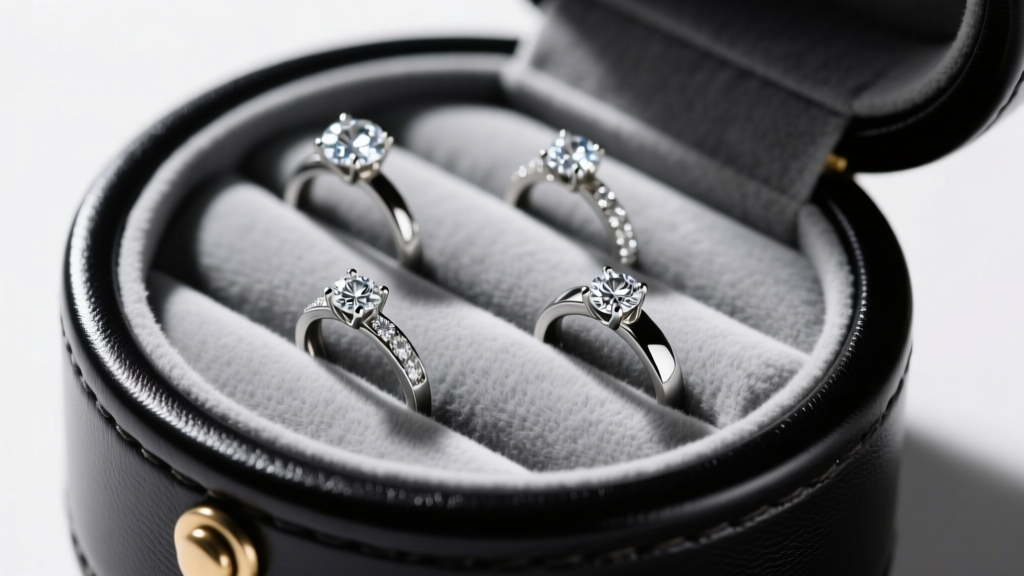
A typical multi-tier round jewelry box features three primary zones: the outer curved ring roll, the central carousel or pillar, and the wedge-shaped drawers. Each zone has specific structural limitations and ideal use cases. Below is a strategic mapping framework to help you allocate your pieces correctly.
| Box Zone | Ideal Jewelry Type | Capacity Limit | Expert Pro-Tip |
|---|---|---|---|
| Outer Ring Roll | Bands, solitaires, signets | 20-30 rings | Leave every 3rd slot empty to prevent velvet stretching and metal-on-metal scratching. |
| Center Carousel | Drop earrings, studs, light chains | 15-20 pairs | Use the top tier for studs and lower tiers for drops to prevent swinging chains from tangling. |
| Wedge Drawers | Bracelets, brooches, hairpins | 5-8 large pieces per drawer | Place items at the wide front edge; use the narrow back tip for small earring backs or loose stones. |
Managing the Outer Ring Roll
The outer ring roll is the most abused component of any round jewelry box. Because the circumference is fixed, users often force thick, wide-band rings into adjacent slots. This not only stretches the suede or velvet lining permanently but also forces the metal shanks of adjacent rings to grind against one another. For rings with a band width exceeding 4mm, or those with high-profile prong settings, always utilize the wider gaps or dedicate them to the flat drawer spaces instead.
Optimizing the Center Carousel
The central pillar is excellent for vertical storage, but it is a notorious trap for tangled chains. If you hang necklaces here, ensure they are clasped and hung on alternating sides. For the best results, reserve the carousel strictly for earrings and lightweight bangles, moving necklaces to dedicated flat drawers where they can be laid out in a serpentine pattern.
Step 3: Implement Anti-Tarnish and Protection Measures
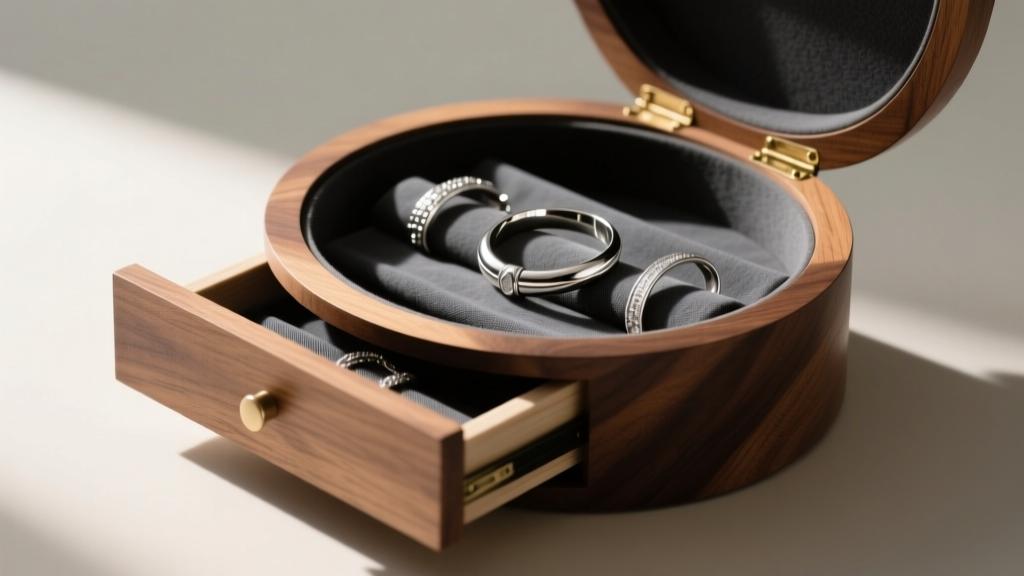
The enclosed nature of a round jewelry box can trap ambient humidity and sulfur compounds, accelerating the oxidation of sterling silver and copper alloys. To combat this, you must integrate passive anti-tarnish solutions directly into the box's architecture.
For the wedge drawers housing silver bracelets and chains, line the base with Pacific Silvercloth. Unlike standard felt, this specialized fabric is embedded with microscopic silver particles that intercept and absorb tarnish-causing gases before they reach your jewelry. For smaller, enclosed compartments, insert 3M Anti-Tarnish Strips. These strips absorb airborne sulfur and hydrogen sulfide, effectively protecting the metals in a sealed environment for up to six months. Remember to date the strips with a small piece of masking tape so you know exactly when to replace them.
Furthermore, avoid storing pearls or opals in standard polyvinyl chloride (PVC) plastic bags within the box. PVC emits plasticizers that can degrade organic gems over time. Instead, use archival-safe polyethylene (PE) zip bags, or better yet, wrap organic gems in acid-free, unbleached cotton muslin to allow them to breathe while protecting them from dust.
Step 4: Gemstone-Specific Placement Strategy
Not all gemstones tolerate the same storage conditions, and the micro-climate inside a closed round box can vary. According to the Gemological Institute of America (GIA), hardness and structural integrity dictate how stones should be isolated. Diamonds, ranking a 10 on the Mohs scale, can easily scratch the polish on gold settings or the surface of softer stones like tanzanite or opal if stored in the same open drawer compartment.
Always utilize individual soft pouches or dedicated divided slots for diamond-heavy pieces. Conversely, the GIA Pearl Care Guide notes that pearls require a degree of ambient moisture to prevent their nacre from drying out and cracking. Never store pearl necklaces in the deepest, driest drawers of your box, and never hang them on the central carousel, as the silk thread will stretch and weaken over time. Always lay pearls flat in a wide, fabric-lined wedge drawer.
Expert Troubleshooting: Common Round Box Issues
"The most common failure point in circular jewelry storage is the mechanical carousel. Overloading the central pillar with heavy, beaded necklaces will warp the plastic or brass spindle, causing the carousel to jam or tilt permanently."
- Jammed Carousel: If your central pillar stops spinning, do not force it. Remove all hanging items, lift the carousel out of its base track, and apply a microscopic drop of synthetic watch oil to the central spindle. Wipe away any excess to prevent oil transfer to your jewelry.
- Drawer Friction: Wedge drawers often bind against the curved outer wall due to humidity swelling the wood or velvet friction. Rub a block of pure beeswax or a white candle along the wooden runner tracks to restore smooth, glide-like operation without using harsh chemical lubricants.
- Lid Alignment: If the domed lid of your round box fails to latch, check the interior mirror. Often, a misplaced necklace clasp or a thick brooch pin is pressing against the glass when closed, slightly warping the lid's alignment and preventing the catch from engaging.
By respecting the unique geometry of your round jewelry box and applying these targeted, step-by-step organizational strategies, you transform a beautiful but awkward vessel into a highly functional, archival-grade sanctuary for your most prized possessions.


