The Ostrich Egg Jewelry Box: 2026 Luxury Storage Trends
Discover 2026 trends in exotic storage. We analyze the ostrich egg jewelry box, covering resin stabilization, anti-tarnish linings, and luxury pricing.

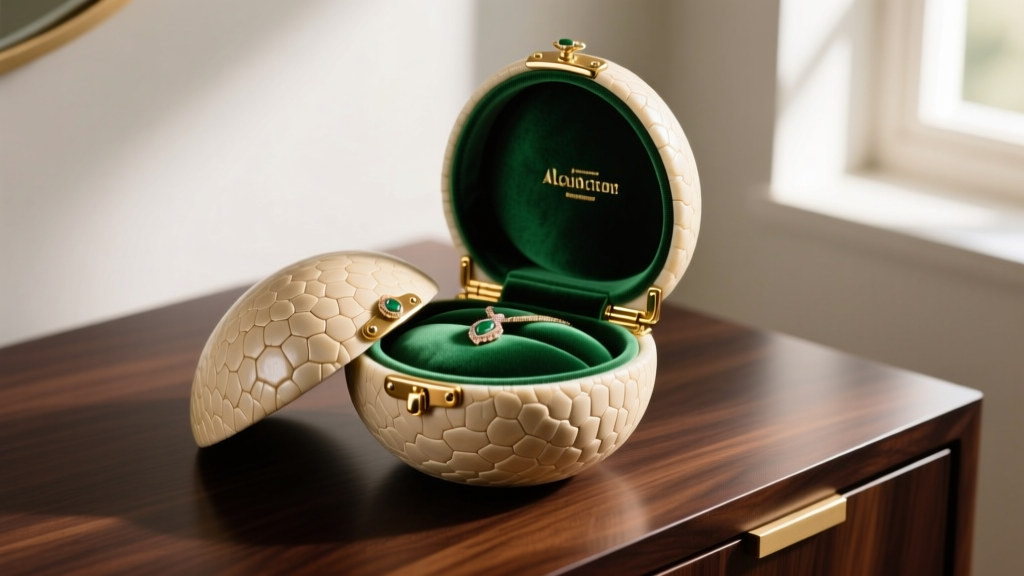
The Shift Toward Organic Maximalism in Luxury Storage
In the landscape of 2026 luxury home organization, the pendulum has swung decisively away from sterile, mass-produced acrylics and toward tactile, organic maximalism. Collectors, horologists, and high jewelry connoisseurs are increasingly seeking storage vessels that serve as standalone objets d'art rather than mere functional containers. At the absolute apex of this movement is the ostrich egg jewelry box—a masterclass in natural engineering meeting haute horology and fine jewelry preservation. Historically, exotic eggshells were reserved for royal cabinets of curiosity or mounted as fragile novelties. Today, advanced material science and bespoke craftsmanship have transformed the ostrich egg into a highly durable, climate-resistant vault for high-carat gems, heirloom pearls, and precious metals.
The Material Science of Shell Stabilization
Raw ostrich eggshell is primarily composed of calcium carbonate, boasting an impressive natural thickness of roughly 2 to 3 millimeters. While remarkably strong under uniform compressive weight, it is highly susceptible to shear stress, impact damage, and micro-fractures caused by environmental fluctuations. To engineer a functional, generational jewelry box, modern artisans employ vacuum-chamber resin infusion.
By placing the hollowed, sterilized, and precision-cut shell into a vacuum chamber and introducing a low-viscosity, optically clear epoxy or acrylic resin (such as specialized Cactus Juice or Penn State Industries stabilizers), the air is entirely evacuated from the shell's natural microscopic pores. When the atmospheric pressure is equalized, the resin is forced deep into the calcium carbonate matrix. Once heat-cured, the resulting composite material retains the organic, speckled ivory aesthetic and unique tactile warmth of the natural shell but achieves a Mohs hardness and impact resistance comparable to high-density aerospace polymers.
Hardware Engineering and Base Architecture
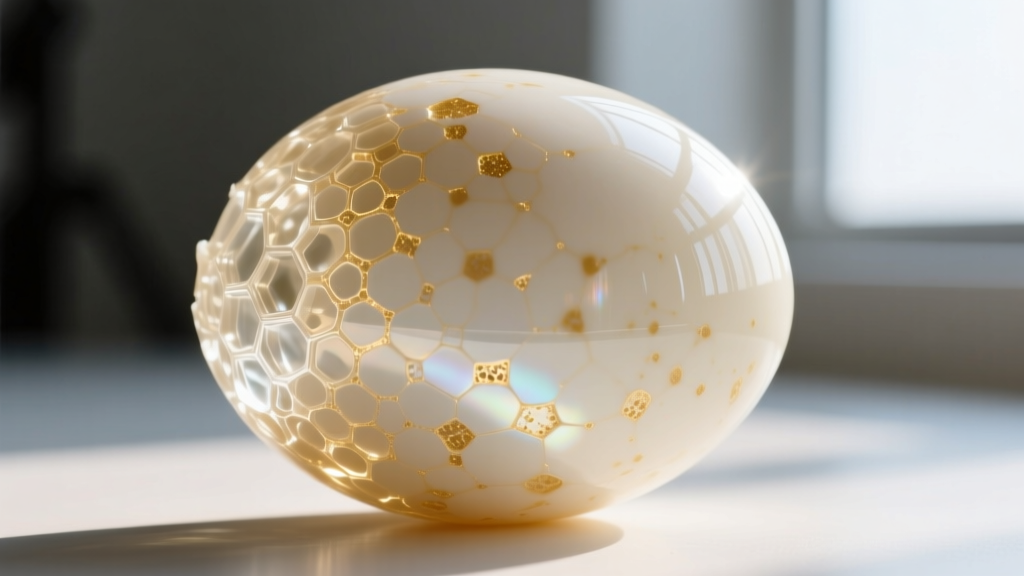
The spherical and ovoid geometry of an egg presents unique mechanical challenges for hinge integration. Standard flat hinges used in wooden jewelry boxes fail to seat properly against the compound curvature of the shell. In 2026, top-tier fabricators utilize two primary closure mechanisms:
- Custom-Milled Curved Piano Hinges: Machined from solid brass or sterling silver, these hinges are radiused to match the exact curvature of the specific egg, ensuring a seamless flush mount that prevents stress concentration on the resin-infused shell edges.
- Hidden Neodymium Magnetic Closures: For a completely seamless exterior, N52-grade neodymium magnets are encapsulated within the resin matrix during the stabilization process. This allows the lid to snap shut with precise, satisfying tension without any visible external hardware.
Furthermore, an egg cannot sit securely on a flat vanity without a specialized mount. Luxury bases are now turned from stabilized burl wood or machined from 6061-T6 aerospace-grade aluminum, featuring an integrated silicone O-ring gasket. This gasket cradles the bottom curve of the egg, preventing acoustic vibration, eliminating the risk of basal scratching, and ensuring the vessel remains perfectly plumb.
Interior Architecture and Anti-Tarnish Integration
The exterior may capture the eye, but the interior architecture dictates the vessel's utility for serious collectors. Modern luxury ostrich egg jewelry boxes have entirely abandoned traditional felt, velvet, and polyurethane foams. These older materials are known to off-gas volatile organic compounds (VOCs) and trap ambient moisture, which accelerates silver sulfidation and degrades delicate gemstone settings.
Instead, elite fabricators are integrating Pacific Silvercloth and LusterLoc-treated microsuedes. These advanced linings are embedded with fine silver particles or specialized zinc compounds that actively absorb hydrogen sulfide and ozone from the ambient air within the enclosed sphere, effectively halting the tarnishing process for up to 35 years. For the structural dividers and ring rolls, Alcantara—a synthetic, ultra-microfiber material favored in luxury automotive and aerospace interiors—provides a non-abrasive, completely lint-free cradle for delicate pavé settings and high-polish gold chains.
2026 Market Stratification: Pricing and Provenance
The market for exotic organic storage has bifurcated into distinct tiers, driven by the provenance of the shell, the complexity of the hardware, and the sourcing of the interior linings. Below is a comprehensive breakdown of the current market landscape for the ostrich egg jewelry box.
| Tier | Price Range (USD) | Shell Treatment | Hardware & Base | Interior Lining |
|---|---|---|---|---|
| Artisan / Entry | $400 - $900 | Surface Polyurethane | Standard Brass Hinges, MDF Base | Treated Felt / Standard Suede |
| Luxury / Mid-Tier | $1,200 - $3,500 | Vacuum Resin Infusion | Radiused Brass, Turned Walnut Base | LusterLoc Microsuede |
| Haute / Bespoke | $4,500 - $12,000+ | Epoxy Stabilization + UV Coat | Hidden N52 Magnets, 6061-T6 Aluminum | Pacific Silvercloth + Alcantara |
Preservation Protocols: Mitigating Environmental Degradation
Despite advanced resin stabilization, the organic origins of the ostrich egg jewelry box demand rigorous environmental controls. The Getty Conservation Institute notes that organic-inorganic composites remain vulnerable to extreme hygrothermal cycling, which can cause the resin and the calcium carbonate to expand and contract at different rates, leading to delamination.
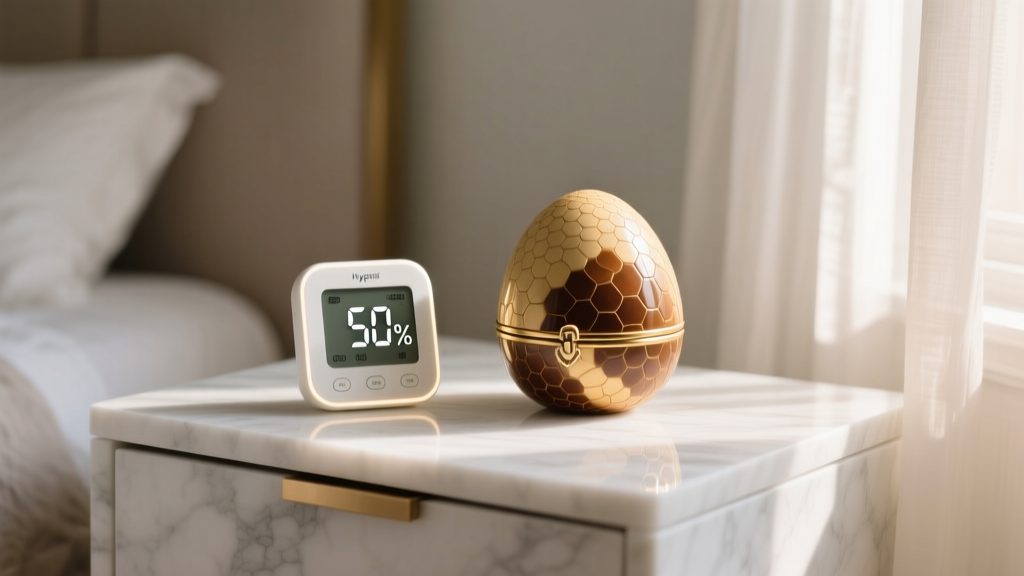
To ensure the longevity of both the vessel and the high jewelry stored within, adhere to the following preservation protocols:
- Humidity Control: Maintain ambient relative humidity (RH) between 45% and 55%. Use a digital hygrometer to monitor the room. Storing pearls inside requires the higher end of this spectrum to prevent nacre dehydration.
- UV Protection: Keep the box out of direct, unfiltered sunlight. Prolonged UV exposure will cause the optically clear epoxy resin to yellow and become brittle over time, ruining the natural ivory aesthetic of the shell.
- Chemical Avoidance: Never clean the exterior with ammonia, alcohol, or commercial glass cleaners. These solvents will degrade the resin finish. Use only a dry, ultra-fine microfiber cloth or a slightly damp cloth with distilled water.
- Thermal Stability: Avoid placing the vessel near HVAC vents, radiators, or fireplaces. Rapid temperature spikes can compromise the structural integrity of the hidden magnetic closures and adhesive bonds.
Styling the Exotic: Integrating the Vessel into Modern Vanities
From a design perspective, the ostrich egg jewelry box acts as a powerful focal point in a dressing room or master suite. In 2026, interior designers are utilizing these pieces to introduce organic asymmetry into highly structured, minimalist spaces. Placing the ovoid vessel on a stark, rectilinear marble vanity creates a striking visual tension. Because the natural shell features subtle variations in cream, ivory, and faint speckling, it pairs exceptionally well with warm metallic accents like brushed brass, rose gold, and unlacquered copper. For collectors who view their jewelry storage as an extension of their personal gallery, the ostrich egg jewelry box represents the ultimate synthesis of natural wonder, material science, and uncompromising luxury.


