The Ultimate Guide to Styling a Pink Vintage Jewelry Box
Discover how to choose, restore, and line a pink vintage jewelry box to protect your collection from tarnish and damage with our beginner-friendly guide.

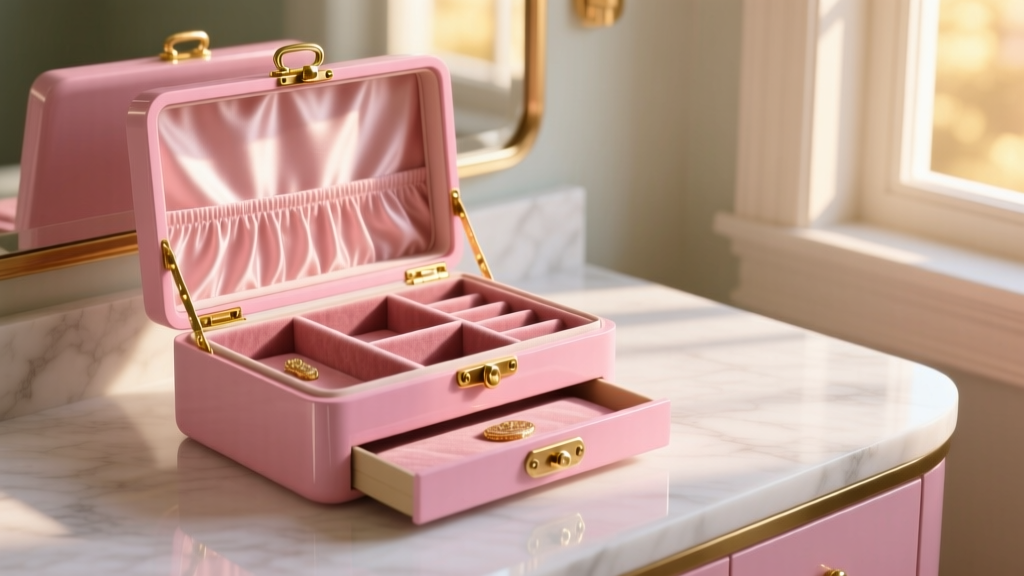
The Allure of the Pink Vintage Jewelry Box
There is a distinct romanticism associated with a pink vintage jewelry box. Whether you inherited a mid-century faux-leather case from your grandmother or scored a rare 1930s Bakelite vanity piece at a local flea market, these pastel-hued treasures are highly coveted in the antique market. However, storing modern fine jewelry in a decades-old container requires much more than just a quick dusting. The glues, fabrics, and finishes used between the 1920s and 1960s can actively damage your precious metals and delicate gemstones if left untreated.
As a beginner in jewelry organization, it is crucial to understand that vintage does not automatically mean safe. Many antique boxes were constructed with acidic wood pulps, sulfur-heavy animal glues, and synthetic rayon linings that off-gas and accelerate tarnishing. In this comprehensive guide, we will walk you through the exact steps to identify, restore, and modernize your pink vintage jewelry box so it safely houses your collection for decades to come.
Identifying Your Box: Materials and Eras
Before applying any cleaning solutions, you must identify the exterior material of your pink vintage jewelry box. The 1930s through the 1950s saw a massive shift in manufacturing, moving from carved woods to early plastics and treated textiles. According to the Smithsonian Museum Conservation Institute, using the wrong solvent on early plastics can cause irreversible clouding, crazing, or melting of the surface.
| Material | Common Era | Safe Cleaning Method | Tarnish Risk Level |
|---|---|---|---|
| Bakelite / Catalin | 1930s | Mild dish soap, warm water, microfiber | Low |
| Faux Leather (Vinyl) | 1950s-1960s | Damp cloth, specialized vinyl conditioner | Medium |
| Painted Wood Veneer | 1940s | Dry dusting, Renaissance Wax polish | High (if unsealed) |
| Celluloid | 1920s-1930s | Dry cloth only; highly flammable, avoid water | High (off-gassing) |
Step-by-Step Restoration for Beginners
1. Cleaning and Preserving the Exterior
If your pink vintage jewelry box is made of painted wood or veneer, avoid liquid cleaners entirely. Instead, use a museum-grade microcrystalline wax, such as Renaissance Wax. Apply a microscopically thin layer with a soft cotton cloth, let it dry for ten minutes, and buff it gently. This seals the paint and prevents moisture from warping the wood base. For Bakelite or Catalin cases, a drop of mild dish soap on a damp microfiber cloth will lift decades of hand oils without stripping the historical patina.
2. Deodorizing the Interior
Vintage boxes often trap the scent of old perfume, tobacco, or musty attics. Do not use chemical air fresheners, as the aerosolized oils will stain the interior fabric and introduce new chemicals. Instead, place a small, open glass jar of baking soda or activated charcoal inside the box, close the lid, and leave it in a dry, climate-controlled room for 14 to 21 days. The carbon will naturally absorb the volatile organic compounds (VOCs) trapped in the fibers.
3. Assessing the Lining
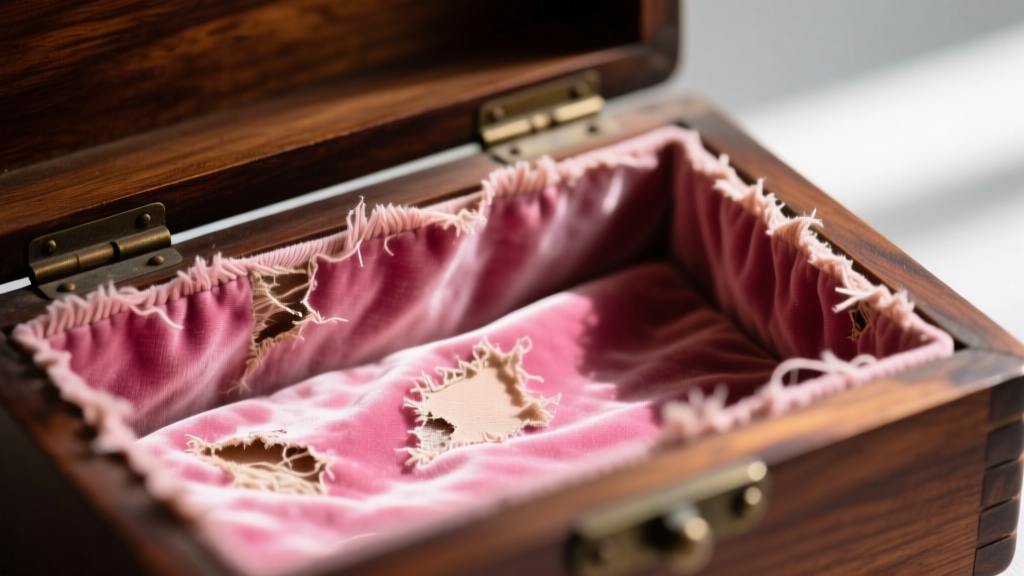
Most pink vintage jewelry boxes from the mid-century were lined with synthetic rayon velvet or silk blends. Over time, the dyes in these fabrics become highly acidic. If the pink fabric inside your box feels brittle, looks faded, or leaves a dusty residue on your fingers, it has degraded and must be replaced or sealed before it transfers acids to your organic gemstones like pearls or opals, which can lose their nacre luster when exposed to low-pH environments.
The Science of Tarnish: Why Vintage Boxes Need Upgrades
Here is a hard truth for antique lovers: the very glues used to construct your pink vintage jewelry box might be destroying your silver. Mid-century manufacturers frequently used animal-based hide glues and sulfur-rich adhesives to bind the velvet to the cardboard armatures. When these glues degrade over decades, they release sulfur dioxide gas. This gas reacts with the copper alloys in sterling silver to create black silver sulfide tarnish, turning your bright jewelry dull and black.
To combat this without destroying the historical integrity of the box, you must introduce modern anti-tarnish technology. Conservation brands like Hagerty offer specialized solutions that neutralize these harmful gases before they reach your metals.
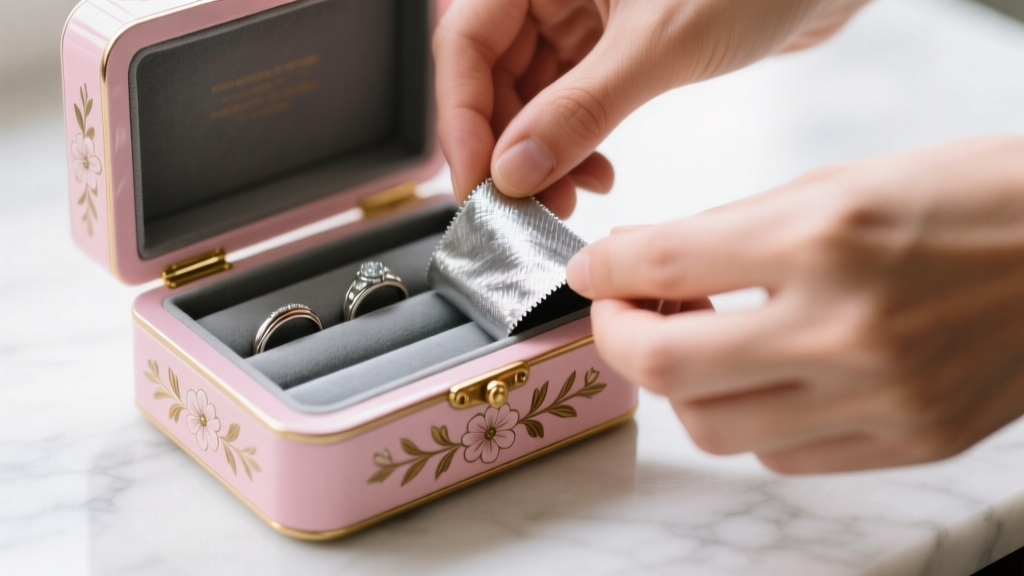
- Pacific Silvercloth: This is a 100% cotton flannel embedded with microscopic silver particles. By cutting small strips and tucking them into the hinges or laying them over your necklaces, the cloth tarnishes instead of your jewelry. It is entirely safe to lay over vintage rayon linings and acts as a physical barrier against acidic fabrics.
- 3M Anti-Tarnish Strips: These small, unobtrusive paper strips use a copper-based polymer to absorb airborne sulfides. Place one strip in each deep compartment of your box. They last for about six months before needing replacement and are virtually invisible.
- Silica Gel Packets: While not strictly anti-tarnish, controlling humidity is vital. Tossing a small, breathable pouch of indicating silica gel into the main well prevents moisture from activating the acidic glues and speeding up the chemical reactions that cause corrosion.
Organizing Your Collection in Vintage Compartments
Vintage boxes were designed for the jewelry trends of their era, which means the compartments might not perfectly align with modern storage needs. Here is how to adapt the quirky layouts of a pink vintage jewelry box for today's diverse collections:
The Ring Rolls
Mid-century ring rolls are often spaced too narrowly for modern, wide-band statement rings or heavy signet rings. Use the rolls strictly for delicate bands, solitaire engagement rings, and simple gold hoops. For wider rings, utilize the deep, open wells that were originally intended for large brooches or pocket watches, ensuring they lay flat to prevent scratching.
The Watch Pillows and Lid Hooks
Many 1950s vanity boxes feature small, velvet-covered pillows meant for delicate ladies' wristwatches. Today, these are perfect for storing hard, scratch-prone gemstones like diamonds and sapphires. Keeping them separated on the pillows prevents them from scratching softer stones like turquoise or lapis lazuli in adjacent compartments. Furthermore, use the lid hooks for 16-inch chokers and princess-length necklaces, while draping longer 24-inch opera lengths across the deep lower wells to prevent the chains from tangling.
The Deep Lower Drawers
If your box features a pull-out drawer, line the bottom with a modern, acid-free felt jewelry mat. Use small, clear acrylic dividers (which can be purchased cheaply and removed without adhesive) to create custom grids for stud earrings and pendants. This prevents them from sliding around and clumping together when the heavy drawer is pulled open, keeping your daily wear pieces easily accessible and untangled.
Final Thoughts on Vintage Preservation
Owning a pink vintage jewelry box is a wonderful way to blend historical charm with practical, everyday organization. By taking the time to properly identify the exterior materials, neutralize interior odors, and retrofit the compartments with modern anti-tarnish solutions like Pacific Silvercloth, you ensure that your heirloom case remains both a beautiful display piece and a safe vault for your most cherished accessories. Treat your vintage storage with the same care and scientific attention you give your fine jewelry, and it will serve you beautifully for generations to come.


