How to Restore and Organize a Mele Vintage Jewelry Box
Learn how to clean, restore, and perfectly organize a Mele vintage jewelry box. Step-by-step guide for wood care, velvet lining, and tarnish prevention.

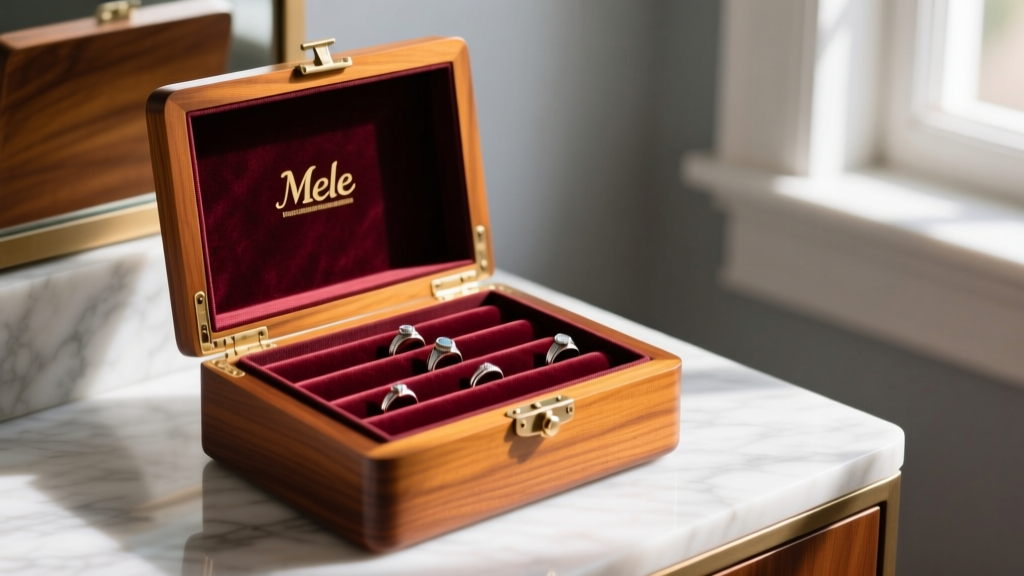
The Legacy of Mele: Why Restoration Matters
Owning a Mele vintage jewelry box is akin to possessing a piece of functional art. For decades, Mele & Co. has been synonymous with heirloom-quality storage, utilizing rich mahogany, burl wood veneers, and specialized anti-tarnish interiors. However, decades of use, fluctuating humidity, and improper cleaning can leave these magnificent pieces looking tired. The wood veneers may develop micro-scratches, the brass hardware can oxidize into a dull brown, and the interior fabric may lose its protective qualities.
Restoring a Mele vintage jewelry box requires more than a quick wipe-down with a damp cloth. In fact, using the wrong household cleaners can permanently ruin the proprietary anti-tarnish lining or cloud the wood finish. This comprehensive, step-by-step guide will walk you through the exact conservation techniques used by antique specialists to clean, restore, and reorganize your vintage Mele box, ensuring it protects your fine jewelry for generations to come.
Understanding Your Mele Box's Anatomy and Materials
Before applying any product, you must understand the specific materials Mele utilized in their vintage lines. According to the Getty Conservation Institute, mid-century and vintage wooden furniture often features delicate veneers over composite cores, requiring specific pH-neutral care.
- The Exterior: Typically a high-gloss or satin lacquered mahogany, walnut, or burl wood veneer. These finishes are susceptible to silicone buildup and alcohol damage.
- The Interior: Mele is famous for its LusterLoc anti-tarnish fabric. This material is chemically treated to absorb hydrogen sulfide (H2S) gases from the air, which are the primary catalyst for silver and copper tarnish.
- The Hardware: Solid brass or brass-plated steel hinges, locks, and drawer pulls. Vintage brass develops a patina that can either be preserved or polished back to a high shine.
Step 1: Deep Cleaning and Restoring the Wood Exterior
The most common mistake owners make is using aerosol dusting sprays (like Pledge) on vintage wood. These sprays contain silicone oils that penetrate micro-cracks in the lacquer, creating a permanent, hazy white film that prevents future wax adhesion. To properly restore the wood, follow this protocol:
1. Dry Dusting and Grime Removal
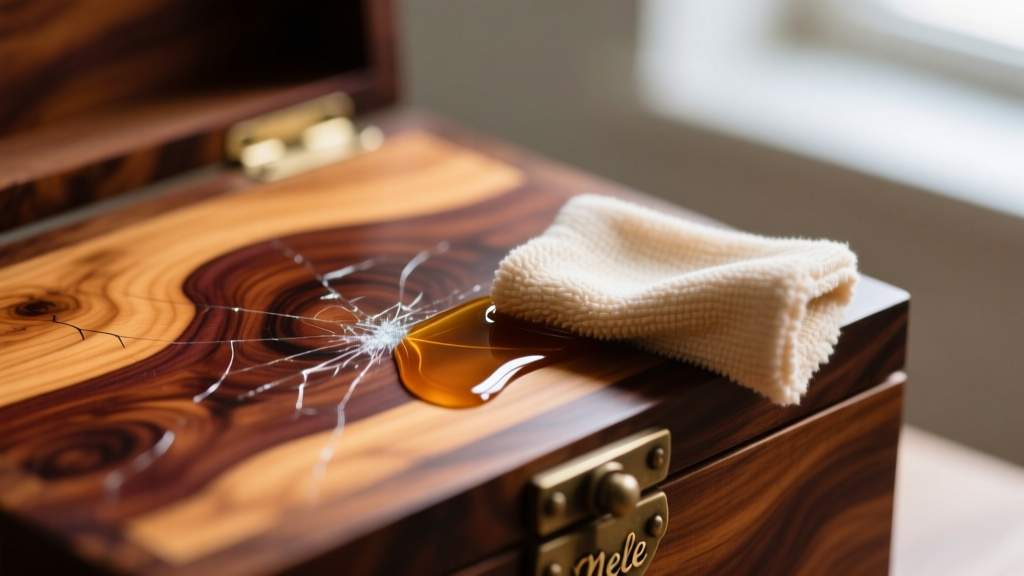
Use a soft, natural-bristle horsehair brush to gently sweep dust out of the carved crevices and around the brass hinges. Next, dampen a microfiber cloth with distilled water and a single drop of pH-neutral castile soap. Wring it out until it is barely damp, and gently wipe the wood grain to remove decades of hand oils and lotion residue. Dry immediately with a clean cotton cloth.
2. Applying Microcrystalline Wax
To restore the luster and protect the veneer, skip the liquid polishes and opt for a museum-grade microcrystalline wax, such as Renaissance Wax. This wax was originally developed by the British Museum to protect antique wood and metal. Apply a pea-sized amount to a soft cotton pad and rub it into the wood using circular motions. Allow it to haze for 15 minutes, then buff it vigorously with a clean microfiber cloth. This will fill minor surface scratches and provide a hard, moisture-resistant barrier without the damaging silicone buildup.
Step 2: Reviving the Interior Velvet and LusterLoc
The interior of your Mele vintage jewelry box is the most critical component for protecting your investments. The LusterLoc fabric works through a chemical reaction that neutralizes corrosive gases. Because of this, you must never use liquid cleaners, water, or upholstery shampoos on the interior fabric. Washing the fabric will strip the anti-tarnish compounds, rendering it useless and potentially accelerating the tarnishing of your silver and white gold pieces. For a deeper understanding of how sulfur compounds affect precious metals, refer to the research provided by The Silver Institute.
The Dry-Cleaning Method
- Vacuuming: Use a handheld vacuum with a soft brush attachment on the lowest suction setting to remove loose dust, skin cells, and debris from the ring rolls and earring grids.
- Lint Rolling: Gently pass a high-quality, unscented lint roller over the flat velvet surfaces and the interior of the drawers to lift embedded fibers and pet hair.
- Brushing the Pile: If the velvet or flannel pile has become crushed or matted over the years, use a clean, dry suede brush or a soft-bristled toothbrush to gently brush the fabric in one direction. This lifts the fibers, restoring the plush cushioning required to prevent micro-scratches on polished gemstones.
Expert Tip: If the interior fabric has completely lost its anti-tarnish properties or is permanently stained, do not attempt to dye it. Instead, purchase 3M Anti-Tarnish Strips and tuck them discreetly into the corners of each drawer and compartment to restore the protective environment.
Step 3: Polishing Brass Hardware and Hinges
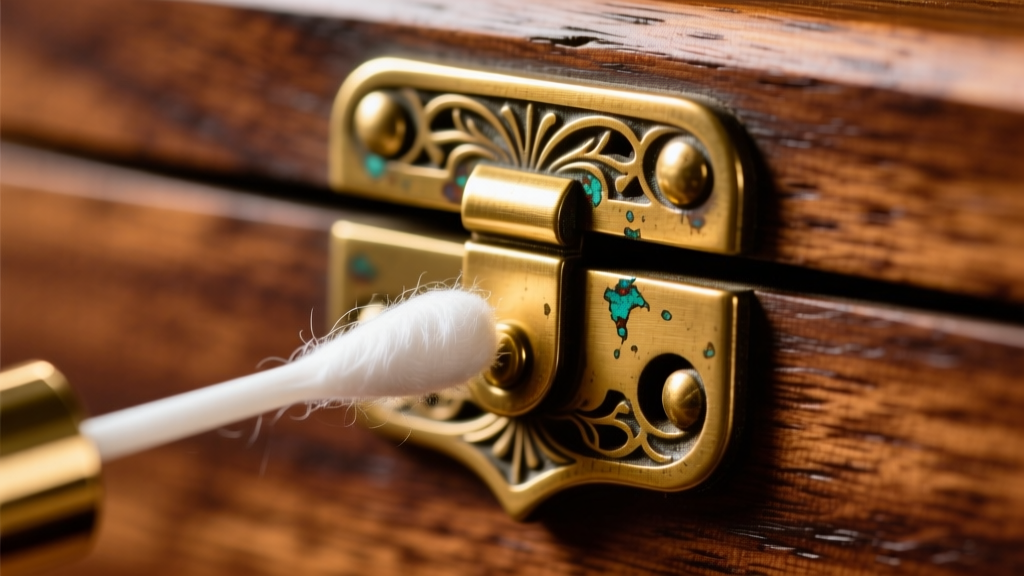
Vintage Mele boxes often feature ornate brass hardware that has darkened over time. Before polishing, you must determine if the hardware is solid brass or brass-plated. If you can see flakes of silver or copper color peeling away, it is plated and requires a gentler touch.
Safe Polishing Technique
To avoid staining the newly waxed wood, use painter's tape to mask off the wood immediately surrounding the hinges and lock. Apply a small amount of Simichrome Polish or Flitz to a cotton swab rather than a rag; this gives you surgical precision. Rub the swab over the brass until the tarnish transfers to the cotton. Wipe away the residue with a clean, dry swab. If the hinges are squeaking or stiff, apply a microscopic drop of synthetic clock oil to the hinge pin, being careful not to let it seep into the wood veneer.
Step 4: Strategic Organization for Fine Jewelry
Once your Mele vintage jewelry box is restored, how you organize it dictates the longevity of your collection. Not all compartments are created equal, and different metals and gemstones have unique environmental vulnerabilities. Use the framework below to map your collection to the correct compartments.
| Compartment Type | Ideal Jewelry Category | Rationale & Conservation Logic |
|---|---|---|
| Ring Rolls | Diamond, Sapphire, and Ruby Solitaires | Hardness-rated 9-10 on the Mohs scale. The tight velvet rolls prevent the stones from knocking against each other, which could chip softer gems or scratch precious metal bands. |
| Deep Drawers | Chunky Sterling Silver & Oxidized Pieces | Drawers trap less ambient airflow than open-top compartments. Combined with LusterLoc fabric, this slows the oxidation process for highly reactive silver. |
| Flat Velvet Trays | Pearls, Opals, and Amber | Organic gems are incredibly soft (Mohs 2.5-5.5) and prone to dehydration. Flat trays prevent them from being crushed, while the velvet prevents moisture-wicking. |
| Hook/Chain Drops | Long Gold Chains & Lariats | Suspending chains prevents the microscopic links from tangling and kinking, which can cause permanent structural fatigue and snapping. |
| Lidded Top Tray | Daily Wear Gold & Platinum Studs | Provides quick access while protecting the posts from bending. The lid keeps dust away from the friction backs and earring nuts. |
Ongoing Maintenance and Climate Control
The environment in which you place your restored Mele box is just as important as the restoration itself. Wood veneers and antique glues are highly sensitive to fluctuations in Relative Humidity (RH).
The 40-50% RH Rule
Keep your jewelry box in a room where the humidity is maintained between 40% and 50%. Placing the box in a bathroom exposes it to extreme humidity spikes from showers, which can cause the wood veneer to lift and the brass to tarnish rapidly. Conversely, placing it near a heating vent will dry out the wood, leading to cracking and splitting.
Desiccants vs. Anti-Tarnish Strips
Many people make the mistake of throwing silica gel packets into their jewelry drawers to control moisture. While silica gel controls humidity, it does nothing to stop chemical tarnishing. For a vintage Mele box, replace standard silica packets with activated charcoal or specialized anti-tarnish tabs (like Pacific Silvercloth tabs). These actively absorb corrosive sulfur compounds without overly desiccating the air, which is vital for protecting moisture-dependent gems like opals and emeralds.
Final Thoughts on Heirloom Preservation
Restoring a Mele vintage jewelry box is a rewarding weekend project that yields immediate, beautiful results. By abandoning harsh household chemicals in favor of museum-grade waxes, dry-cleaning the LusterLoc interior, and strategically organizing your pieces based on their material science, you transform a dusty attic find into a high-performance luxury vault. Treat the wood with respect, understand the chemistry of the interior fabrics, and your Mele box will continue to safeguard your most precious heirlooms for decades to come.


