Shields Jewelry Box Explained: A Beginner's Guide
Discover how a shields jewelry box protects your collection from tarnish, moisture, and impact. A beginner's guide to secure, multi-layered storage.

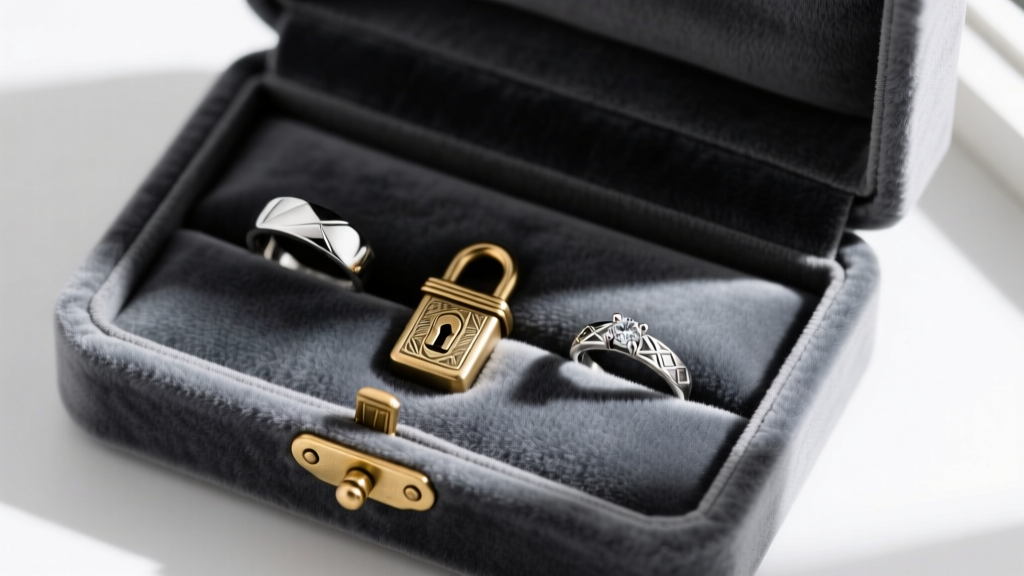
When you first start collecting fine jewelry, storing your pieces in the original velvet pouches or a standard cardboard display box seems perfectly adequate. However, as your collection grows in value and sentimental importance, you will quickly notice that silver blacks, pearls lose their luster, and delicate chains tangle or snap. This is where the concept of a shields jewelry box becomes essential. Unlike traditional storage that prioritizes aesthetic display, a shields-style jewelry box is engineered as a multi-layered defensive vault. It actively protects your valuables from environmental degradation, physical crushing, and chemical off-gassing. In this beginner-friendly explainer, we will break down the anatomy of shielded storage, the science behind jewelry degradation, and how to choose the right protective enclosure for your specific collection.
The Anatomy of a Shields Jewelry Box
A true shields jewelry box is not defined by a single brand, but rather by a specific architectural approach to storage. While a standard jewelry box consists of a wooden or cardboard frame wrapped in decorative leather and lined with basic synthetic velvet, a shielded box utilizes a three-tier defense system designed to neutralize environmental threats.
- The Outer Shell (Physical Shield): Instead of easily crushed MDF wood or cardboard, shielded boxes utilize high-impact materials like anodized aluminum, ABS polycarbonate, or reinforced acrylic. This prevents crushing damage if the box is stacked, dropped, or packed for travel.
- The Buffer Zone (Climate Shield): Between the outer shell and the inner lining, premium shielded boxes feature a micro-climate buffer. This often includes airtight silicone gaskets that regulate the internal relative humidity (RH), keeping it stable between 40% and 50%—the ideal range to prevent both moisture-induced oxidation and gemstone desiccation.
- The Contact Layer (Chemical Shield): The interior lining is where the magic happens. Instead of standard velvet (which can trap moisture and harbor sulfur), shielded boxes use treated fabrics like Pacific Silvercloth or inert, non-off-gassing polyethylene foams that actively intercept corrosive gases before they reach your metals.
Why Standard Velvet Boxes Fail Your Metals
To understand why a shields jewelry box is a necessary investment, you must first understand the science of tarnish and degradation. Tarnish is not simply 'dirt'; it is a chemical reaction. According to the Smithsonian Museum Conservation Institute, silver tarnishes when it reacts with hydrogen sulfide (H2S) and sulfur dioxide (SO2) present in the ambient air.
Standard jewelry boxes actually accelerate this process in two distinct ways:
1. The Off-Gassing Problem
Many affordable jewelry boxes are constructed using medium-density fiberboard (MDF) and synthetic glues. As these materials age, they release volatile organic compounds (VOCs) and acidic vapors. When trapped inside a closed box, these gases create a highly corrosive micro-environment that can pit pearls, degrade opal structures, and rapidly blacken sterling silver.
2. The Moisture Trap
Standard synthetic velvets and felt linings are highly hygroscopic, meaning they absorb and hold moisture from the air. When you place a piece of jewelry into a damp velvet slot, you are essentially creating a localized humidity chamber. This is particularly devastating for porous gemstones like turquoise and malachite, which can absorb the trapped moisture and suffer irreversible color shifts or structural cracking.
Core Shielding Materials Compared
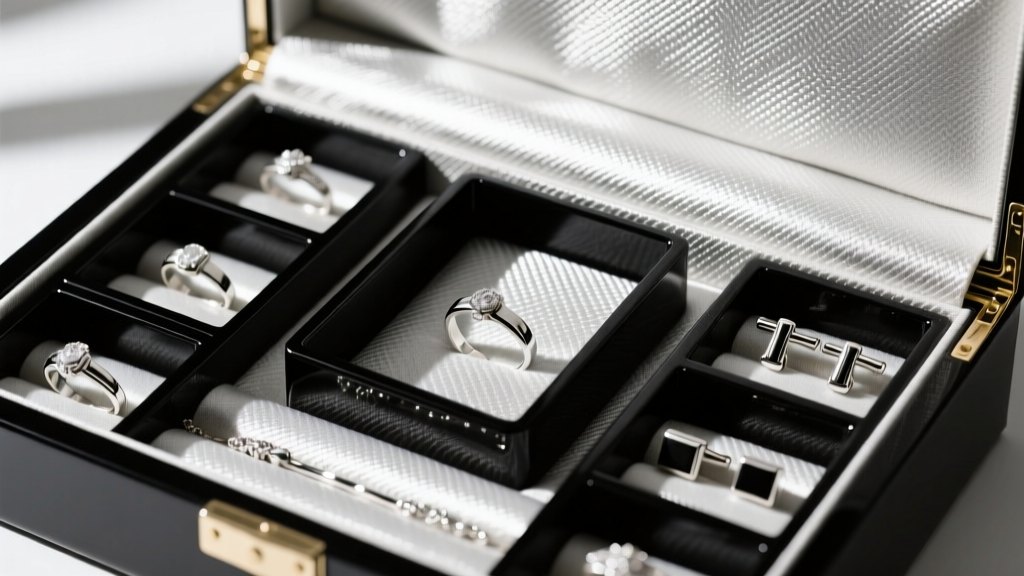
When shopping for a shields jewelry box, you will encounter various material claims. Not all 'protective' linings are created equal. Below is a breakdown of the most common shielding materials used in modern jewelry organization, helping you separate marketing fluff from genuine material science.
| Material | Shield Type | Pros | Cons | Est. Price Range |
|---|---|---|---|---|
| Pacific Silvercloth | Chemical | Embeds microscopic silver particles to trap H2S gases before they reach your jewelry. | Loses efficacy over time; requires replacement every 3-5 years. | $80 - $180 |
| Anodized Aluminum Shell | Physical | Crush-proof, lightweight, and completely non-reactive. Will not off-gas. | Can dent upon heavy impact; conducts temperature rapidly. | $120 - $300 |
| Treated Polyethylene Foam | Chemical/Physical | Non-off-gassing, closed-cell structure prevents moisture absorption. | Less luxurious feel; does not actively neutralize existing sulfur. | $40 - $90 |
| ABS Polycarbonate | Physical | High impact resistance, excellent for travel and rough handling. | Can scratch easily; requires an inner lining to prevent chemical transfer. | $50 - $120 |
How to Properly Load and Maintain Your Shield Box
Owning a high-quality shields jewelry box is only half the battle; how you load and maintain it dictates its long-term effectiveness. The Victoria and Albert Museum emphasizes that improper storage preparation can negate the benefits of even the most advanced archival enclosures. Follow this protocol to ensure maximum protection:
Step 1: Clean and Dry Before Storage
Never store jewelry that has been worn without cleaning it first. Skin oils, lotions, and microscopic sweat contain salts and acids that will eat through protective shield linings over time. Wipe metals with a clean, lint-free microfiber cloth. If you wash your pieces, ensure they are 100% dry. Trapping moisture inside an airtight shield box will create a greenhouse effect, accelerating tarnish rather than preventing it.
Step 2: Avoid Galvanic Corrosion
Do not store dissimilar metals in the same un-partitioned compartment. When sterling silver, copper, and gold-plated items touch in the presence of even trace humidity, a mild electrical current can occur, leading to galvanic corrosion. This causes rapid, localized pitting on the less noble metal. Utilize the individual, fabric-separated slots in your shield box to keep metals isolated.
Step 3: Supplement with Anti-Tarnish Strips
Even the best chemical linings need backup. Place a 3M Anti-Tarnish strip or a silica gel desiccant packet (specifically designed for jewelry, indicating when it needs recharging) in the corner of your shield box. Replace the strips every six months to maintain an active defense against ambient sulfur.
Pro-Tip: If your shields jewelry box features an airtight silicone gasket, avoid opening and closing it unnecessarily in high-humidity environments (like a bathroom). Every time you break the seal, you introduce a fresh wave of moisture and sulfur-laden air that the internal linings must work to neutralize.
Pricing Tiers: What Should a Beginner Spend?
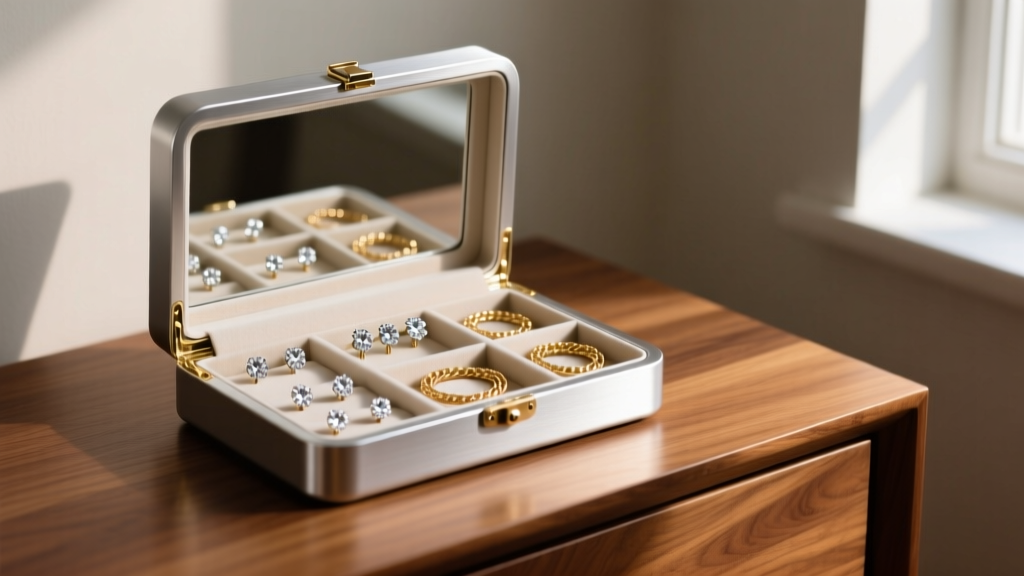
If you are transitioning from basic storage to a dedicated shields jewelry box, it helps to understand the market tiers. You do not need to spend a fortune to achieve adequate protection, but you should avoid the ultra-cheap 'display' boxes masquerading as protective vaults.
- Entry-Level ($30 - $60): At this tier, you will find ABS plastic boxes with basic polyethylene foam inserts. They offer excellent physical crush protection and prevent off-gassing, but lack active chemical tarnish inhibitors. Best for fashion jewelry, stainless steel, and solid gold pieces that do not tarnish easily.
- Mid-Tier ($80 - $150): This is the sweet spot for beginners with sterling silver and delicate gemstone collections. These boxes typically feature a hard polycarbonate shell, airtight gaskets, and genuine Pacific Silvercloth or treated flannel linings. They offer a balance of physical and chemical shielding.
- Premium ($200+): Reserved for serious collectors and heirloom pieces. These feature anodized aluminum or carbon-fiber shells, customizable archival-grade foam inserts, and built-in hygrometers to monitor internal humidity levels.
Final Thoughts on Protective Storage
Upgrading to a shields jewelry box is one of the most impactful decisions you can make for the longevity of your collection. By shifting your mindset from 'display' to 'active defense,' you protect your financial investment and ensure your pieces remain pristine for generations. Start by identifying the most vulnerable items in your collection—typically sterling silver, pearls, and opals—and prioritize a mid-tier shielded enclosure with active chemical linings to keep them safe from the invisible threats of sulfur and moisture.


