Is a Snoopy Jewelry Box Safe for Silver? A Beginner Storage Guide
Discover if a Snoopy jewelry box is safe for precious metals. Learn beginner tips on interior linings, tarnish prevention, and organizing novelty storage.

The Appeal and the Pitfall of Novelty Jewelry Storage
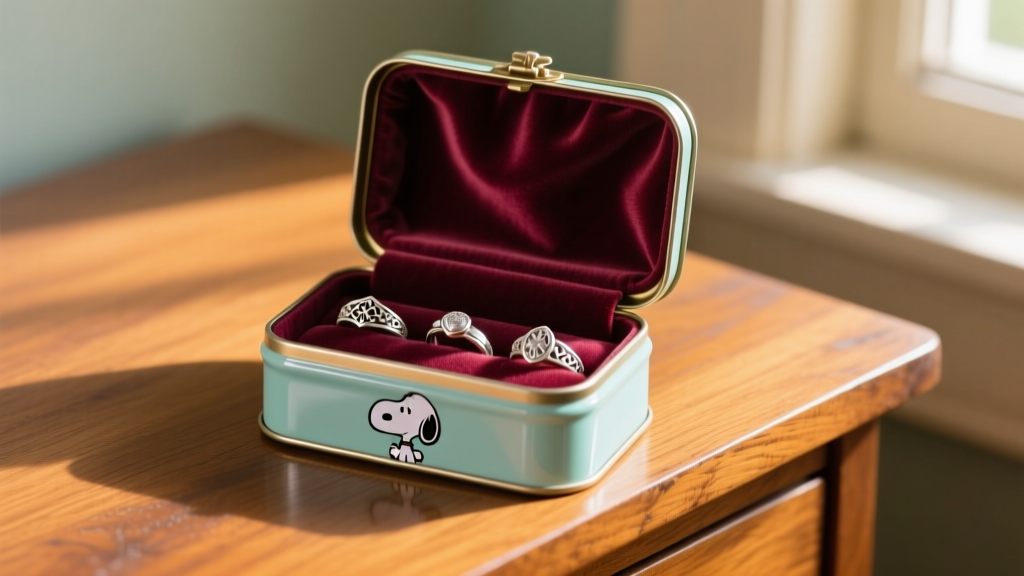
For many collectors and Peanuts fans, a Snoopy jewelry box represents a perfect blend of childhood nostalgia and functional organization. Whether you have inherited a vintage 1970s enameled tin version, purchased a modern polyresin figurine box from Enesco, or own a musical wooden variant from the Bradford Exchange, these charming containers are incredibly popular. However, as a beginner in jewelry care, it is crucial to understand that novelty and character-themed storage solutions are rarely designed with the long-term preservation of precious metals in mind.
The primary goal of any jewelry organizer should be to protect your pieces from environmental damage, specifically tarnishing, scratching, and moisture buildup. While a Snoopy jewelry box excels at bringing joy to your vanity, its material composition and interior lining can sometimes accelerate the degradation of your sterling silver, copper, and even low-karat gold pieces. In this guide, we will break down the material science behind novelty boxes and teach you how to safely upgrade your favorite character container for everyday use.
The Chemistry of Tarnish in Novelty Boxes
Before evaluating the box itself, you must understand what causes jewelry to tarnish. Sterling silver is an alloy containing 92.5% silver and 7.5% copper. The copper reacts with sulfur compounds in the air to form silver sulfide, which appears as a black or yellowish film on the metal. According to the Gemological Institute of America (GIA), humidity, airborne pollutants, and direct contact with sulfur-rich materials are the primary catalysts for this reaction.
Many mass-produced novelty items, including character-themed organizers, are manufactured using materials and adhesives that naturally off-gas sulfur compounds or trap ambient moisture. If your jewelry is sealed inside an environment that promotes these chemical reactions, you will open your box to find your favorite silver rings blackened and dull.
Material Breakdown: What is Your Box Actually Made Of?
To determine how to treat your specific Snoopy jewelry box, you first need to identify its exterior shell. As of 2026, the secondary and retail markets feature three primary materials for these collectibles:
| Material Type | Common Eras / Brands | Tarnish Risk Level | Best Used For |
|---|---|---|---|
| Enameled Tinplate | 1960s-1980s Vintage / Promotional | High (Condensation) | Costume jewelry, enamel pins |
| Polyresin / Cold Cast | 1990s-Present / Enesco, Jim Shore | Medium (Off-gassing) | Gold-filled, stainless steel, beads |
| MDF Wood / Veneer | 2000s-Present / Bradford Exchange | Medium-High (Acidic) | Diamonds, hard gemstones, platinum |
Why Tinplate and Wood Can Be Problematic
Vintage tinplate boxes are highly collectible but prone to micro-rusting and temperature fluctuations. When a tin box is moved from a cool room to a warm, humid bathroom, condensation forms on the interior metal walls, creating a high-humidity microclimate that destroys silver. Similarly, MDF (Medium-Density Fiberboard) wood boxes often utilize formaldehyde-based resins and acidic wood glues. The Conservation Wiki explicitly warns against storing metals in direct contact with unsealed wood or composite boards due to the emission of organic acids that cause corrosive pitting.
The Lining Trap: Flocking vs. Acid-Free Cotton
The most critical component of your Snoopy jewelry box is the interior lining. Most mass-market novelty boxes use 'flocked' rayon or synthetic velvet. Flocking is a process where tiny synthetic fibers are glued to a backing board using an electrostatic charge and chemical adhesives.
Expert Insight: The adhesives used in cheap flocked linings frequently contain sulfur and plasticizers. Over time, these chemicals break down and release hydrogen sulfide gas directly into the enclosed space of the box, guaranteeing that your sterling silver will tarnish rapidly.
If your box features a bright red or black synthetic velvet interior that feels slightly stiff, it is highly likely to be sulfur-rich. True archival-quality jewelry storage uses unbleached, acid-free cotton or tarnish-resistant treated flannel (such as Pacific Silvercloth). If you cannot replace the lining of your novelty box, you must create a physical barrier between the jewelry and the flocking.
How to Organize a Small-Compartment Character Box
Snoopy jewelry boxes are typically quite small, often measuring around 6 x 4 x 3 inches, with the interior space further reduced by a molded plastic or cardboard insert featuring tiny compartments. This makes organization a challenge for anything beyond a few rings and stud earrings. Here is a beginner-friendly framework for maximizing this limited space:
- The Ziploc Method: Generic sandwich bags often contain sulfur, but name-brand Ziploc bags are manufactured without sulfur-based slip agents. Place individual silver pieces inside small Ziploc bags, squeeze out the air, and seal them before placing them in the box compartments.
- Utilize the Lid: Many hinged character boxes have a flat interior lid. Use adhesive-backed Velcro dots to attach a small piece of acid-free felt to the lid, allowing you to pin brooches or lay flat chain necklaces without them tangling in the base.
- Ring Rolls for Deep Slots: If your box features deep, narrow slots meant for rings, do not stack rings on top of each other. The friction will scratch softer metals and gemstones. Instead, use individual foam ring inserts to keep them separated.
Upgrading Your Box for Long-Term Anti-Tarnish Protection
You do not need to abandon your beloved Snoopy jewelry box to keep your jewelry safe. By implementing a few inexpensive, museum-grade upgrades, you can transform a decorative novelty item into a highly functional, protective storage environment. The Smithsonian Museum Conservation Institute recommends passive environmental control for small storage enclosures.
Step 1: Neutralize the Airborne Sulfur
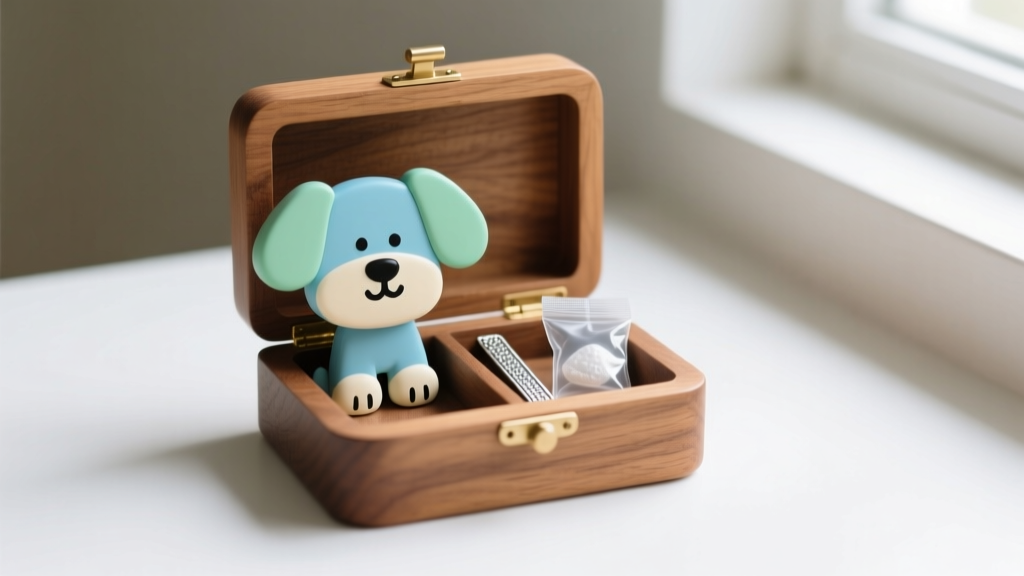
Purchase 3M Anti-Tarnish Strips. These small, treated paper strips absorb airborne sulfides before they can reach your jewelry. Cut a strip into quarters and place one piece in each main compartment of your box. These strips typically last for six months in a sealed environment before needing replacement.
Step 2: Control the Moisture
Drop a small, non-indicating silica gel desiccant packet into the largest compartment of the box. This will absorb any ambient moisture trapped inside when you close the lid, preventing the humidity spikes that accelerate copper oxidation in sterling silver.
Step 3: Create a Barrier
Line the bottom of the main compartments with small squares of Pacific Silvercloth or acid-free archival tissue paper. This ensures that your jewelry never directly touches the potentially harmful synthetic flocking or off-gassing adhesives of the box's interior.
Final Verdict: Display vs. Daily Storage
A Snoopy jewelry box is a wonderful addition to any dresser, offering a touch of whimsy and a dedicated spot for your most-worn daily accessories. However, as a beginner in jewelry organization, you must recognize the limitations of novelty manufacturing. By understanding the risks of polyresin off-gassing, MDF acidity, and sulfur-rich flocking, you can take proactive steps to mitigate damage.
Use your character-themed box for your everyday 'grab-and-go' pieces that you wear frequently (and thus clean and polish regularly). For your heirloom silver, fragile opals, or high-value investment pieces, reserve specialized, archival-grade jewelry safes or treated wooden armoires. With the right anti-tarnish strips and barrier linings, your favorite Peanuts companion can safely guard your treasures for years to come.


