How to Choose a Stone Jewelry Box: Materials & Lining Guide
Discover how to choose the perfect stone jewelry box. Compare marble, onyx, and travertine, and learn about linings, hinges, and tarnish prevention.

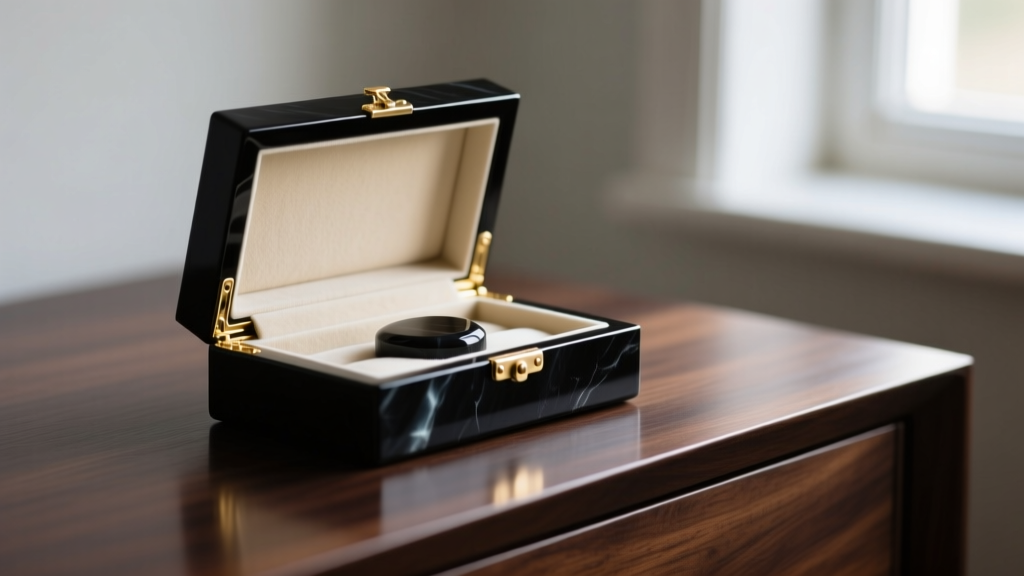
A stone jewelry box is more than just a storage vessel; it is a statement of permanence, luxury, and architectural beauty. Unlike lightweight cardboard, plastic, or thin veneer wood boxes, natural stone offers unparalleled mass, vibration damping, and a striking visual presence on any vanity or dresser. However, the very properties that make stone desirable—its density, porosity, and mineral composition—also introduce unique challenges for jewelry preservation. If you are investing in a stone jewelry box, you must look beyond the exterior polish and critically evaluate the interior engineering, material sealants, and hardware mechanics.
This comprehensive buying guide will walk you through the exact specifications, material grades, and structural features you need to inspect before purchasing a stone jewelry box, ensuring your precious metals and gemstones remain pristine for decades.
The Physics of Stone Storage: Weight and Stability
The primary advantage of a stone jewelry box is its mass. A standard 10x8 inch marble or onyx box typically weighs between 8 and 15 pounds. This substantial weight provides exceptional stability, preventing the box from sliding across polished surfaces when you open heavy drawers or lift a snug-fitting lid. Furthermore, the density of natural stone acts as a natural acoustic and vibrational dampener, protecting fragile items like pavé-set diamonds or delicate filigree from the micro-vibrations of daily household activity.
However, this weight demands rigorous scrutiny of the box's structural joinery. Stone cannot be nailed or screwed in the traditional sense; it is either milled from a single solid block or joined using high-tensile epoxy resins and internal metal armatures. When evaluating a multi-piece stone box, inspect the seams for micro-fissures or cloudy epoxy lines, which indicate poor manufacturing and potential future failure.
Decoding Stone Types: Marble, Onyx, and Travertine
Not all stones are created equal when it comes to jewelry storage. The mineral composition dictates the stone's hardness, porosity, and reactivity to environmental factors. According to the GIA Gem Encyclopedia, understanding the Mohs hardness and chemical makeup of decorative stones is crucial for long-term care.
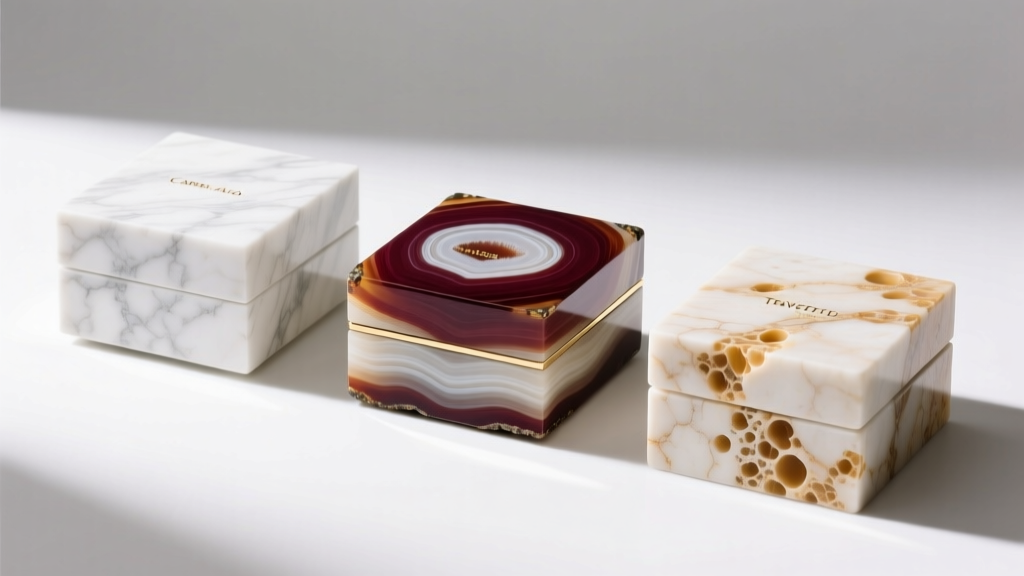
| Stone Type | Mohs Hardness | Porosity & Moisture Risk | Best For | Avg. Price Range |
|---|---|---|---|---|
| Black Onyx | 6.5 - 7.0 | Very Low (Non-porous when polished) | High-end silver & pearls | $150 - $400 |
| Carrara Marble | 3.0 - 4.0 | Medium (Requires chemical sealing) | Gold, platinum & hard gems | $80 - $250 |
| Travertine | 4.0 - 5.0 | High (Naturally pitted & absorbent) | Costume jewelry & watches | $60 - $180 |
| Banded Agate | 6.5 - 7.0 | Extremely Low (Microcrystalline) | Heirloom pieces & loose gems | $200 - $600+ |
Why Onyx and Agate Lead the Pack
For serious collectors, black onyx and banded agate are the superior choices. Their high silica content makes them virtually non-porous once polished, meaning they will not absorb ambient humidity or off-gas moisture into the interior compartment. Marble, while stunning, is primarily calcium carbonate. It is highly susceptible to etching from acidic environments and requires a high-quality penetrating sealer to prevent it from acting as a moisture sponge.
The Hidden Danger: Porosity and Tarnish Transfer
The most critical mistake buyers make is assuming the stone exterior dictates the interior environment. Unsealed or poorly sealed stone retains ambient moisture—sometimes up to 8-12% moisture content by weight in humid climates. When you close the lid of a stone box, this trapped moisture off-gasses into the enclosed microclimate.
The Jewelers of America notes that silver tarnish (silver sulfide) is aggressively accelerated by high humidity and sulfur compounds. If your stone jewelry box is sealed with a cheap, sulfur-based topical wax or a low-grade polyurethane, the off-gassing will rapidly blacken your sterling silver and oxidize your copper alloys. Always ask the manufacturer what type of sealant is used on the stone. You want a penetrating silane/siloxane sealer, which is chemically inert and breathable, rather than a topical acrylic coating.
Interior Linings: The Make-or-Break Feature
Because stone is naturally cold and can induce condensation when moved between rooms of varying temperatures, the interior lining of a stone jewelry box is not just for cushioning; it is a vital climate buffer.
Pacific Cloth vs. Standard Velvet
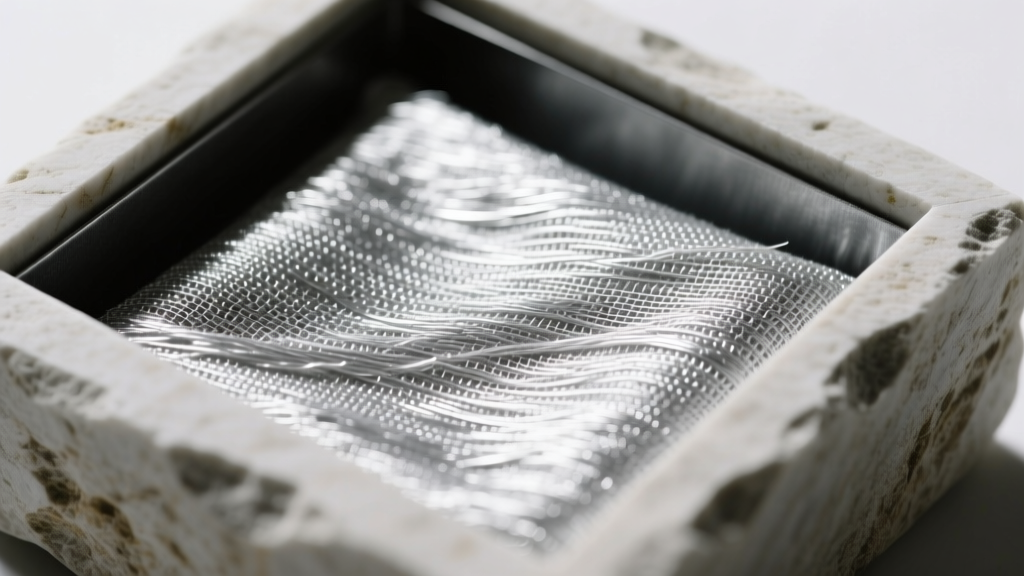
Avoid standard synthetic velvets, which are often dyed with sulfur-based mordants and glued down with acidic hot-melt adhesives. Instead, look for boxes lined with Pacific Silvercloth or anti-tarnish flannel. These specialized fabrics are impregnated with microscopic zinc or silver particles that act as sacrificial anodes, absorbing hydrogen sulfide and moisture before it can reach your jewelry. If the box uses suede, ensure it is explicitly labeled as 'acid-free' and 'archival grade,' meaning it has a neutral pH of 7.0 and will not degrade or stain pearls and opals over time.
Hardware Mechanics for Heavy Lids
A 12-pound stone lid exerts massive torque on its hinges. Standard decorative hinges will quickly warp, strip their screws, or snap under the repeated stress of daily use. When inspecting a stone jewelry box, demand the following hardware specifications:
- Solid Brass Butt Hinges: Look for hinges with a minimum pin diameter of 2mm to 3mm. Brass is preferred over steel as it resists corrosion and provides a smoother, friction-reducing glide.
- Soft-Close Gas Struts: For larger stone chests, hydraulic or gas-strut supports are mandatory. They prevent the heavy lid from slamming shut, which could shatter the stone, crush your fingers, or create a shockwave that damages fragile gemstones inside.
- Threaded Metal Inserts: Screws should never be driven directly into stone or MDF backing. High-end manufacturers use threaded brass inserts epoxied into the stone to secure the hinges, ensuring the hardware never pulls out.
Maintenance and Exterior Care
Caring for the exterior of your stone jewelry box requires specific, non-abrasive approaches. Never use commercial glass cleaners (like Windex) or ammonia-based products on marble or travertine, as the alkalinity will instantly dull the polish and etch the surface. Instead, dust the box regularly with a microfiber cloth and clean it using a pH-neutral stone cleaner. If the stone begins to look dull or water stops beading on the surface, it is time to reapply a stone-specific impregnating sealer, available from most natural stone conservation suppliers, such as those recommended by the American Institute for Conservation.
Final Verdict: The Pre-Purchase Checklist
Before finalizing your purchase, run the stone jewelry box through this rigorous checklist:
- The Tap Test: Gently tap the stone with your knuckle. It should produce a solid, dense 'clink.' A hollow or buzzing sound indicates internal micro-fractures or delamination.
- The Seam Inspection: Run your fingernail over any joints. They should be flush, filled with color-matched epoxy, and completely smooth.
- The Sniff Test: Open the box and smell the interior. It should smell like nothing, or faintly of clean cotton. Any chemical, glue, or 'new car' odor indicates off-gassing adhesives that will tarnish your metals.
- The Hinge Stress Test: Open the lid to its maximum angle. It should hold its position firmly without sagging or trembling on the hinges.
By prioritizing material density, inert sealants, and heavy-duty hardware, you ensure your stone jewelry box serves as both a breathtaking vanity centerpiece and an impenetrable vault for your most treasured collections.


