The Toolbox Jewelry Box: A Beginner's Guide to Industrial Storage
Discover how a toolbox jewelry box offers superior protection and industrial style. Learn material grades, layout tips, and anti-tarnish hacks.

Why Choose a Toolbox Style for Jewelry Storage?
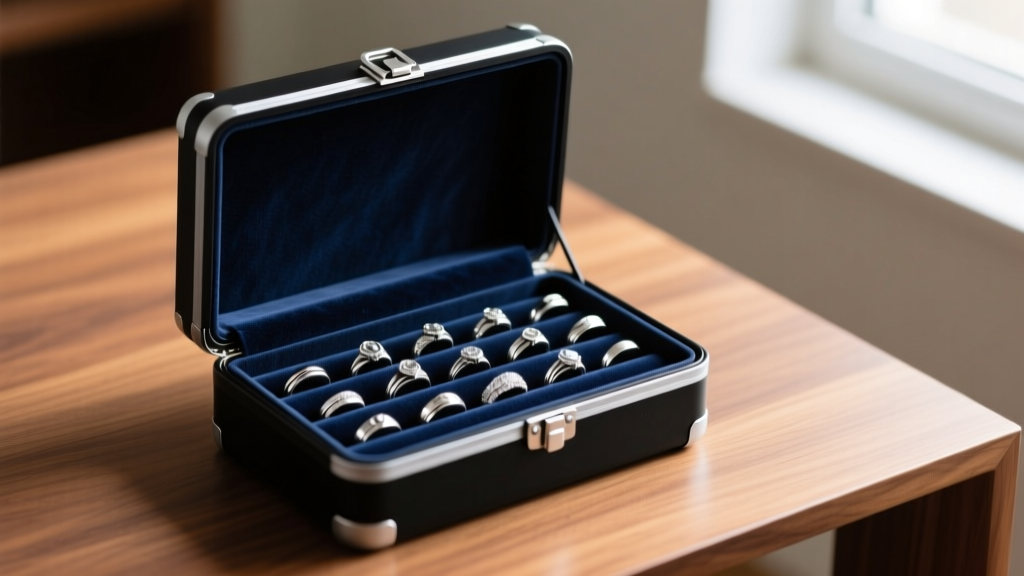
When most people think of jewelry storage, they picture delicate, velvet-lined vanity boxes or fragile glass-top dressers. However, a growing trend in the collector and maker community is the toolbox jewelry box. This utilitarian approach borrows from industrial hardware design, offering unparalleled durability, stackability, and a rugged aesthetic that appeals to minimalists and maximalists alike.
For beginners, the transition from a traditional jewelry armoire to a toolbox-style organizer might seem unconventional. Yet, the functional benefits are immense. Hardware-style boxes feature reinforced corners, heavy-duty latches, and modular interiors that protect heavy metal pieces, chunky resin art, and delicate chains from being crushed. Whether you are purchasing a boutique jewelry box designed to look like a mechanic's chest or converting an actual hardware toolbox, understanding the material science and spatial design is critical to protecting your collection.
Material Matters: Steel vs. Aluminum vs. Heavy-Duty Polymer
The outer shell of your toolbox jewelry box dictates its weight, longevity, and susceptibility to environmental damage. Not all metal boxes are created equal, and choosing the wrong material can lead to rust or off-gassing that damages precious metals.
1. Steel (18-Gauge to 20-Gauge)
Standard hardware store toolboxes are typically made from 20-gauge or 18-gauge cold-rolled steel. While incredibly durable and affordable ($25–$45 for a 16-inch box), bare steel is highly prone to oxidation. If you use a steel toolbox, it must have a high-quality powder-coated finish. Avoid painted steel, as the paint can chip, exposing the raw metal to humidity, which can then trap moisture inside the enclosed space and accelerate tarnishing on your silver and copper pieces.
2. Anodized Aluminum
Premium boutique jewelry toolboxes often utilize anodized aluminum. Aluminum is naturally rust-proof and significantly lighter than steel, making it ideal for travel or heavy collections. The anodization process creates a hard, non-reactive surface that will not off-gas or leach chemicals. Expect to pay between $150 and $350 for a purpose-built aluminum jewelry toolbox with pre-installed velvet tiers.
3. Heavy-Duty Polymer (ABS and Polypropylene)
Modern polymer toolboxes (like those in the Milwaukee Packout or Apache lines) are made from impact-resistant ABS or Polypropylene (PP). These are excellent for moisture resistance and are completely rust-proof. However, beginners must be cautious: cheap, non-UV-stabilized plastics can degrade and release volatile organic compounds (VOCs) over time, which can cloud gemstones and degrade pearls. Always look for polymers labeled as archival-safe or UV-stabilized.
Designing Your Layout: Trays, Dividers, and Foam Inserts
The interior configuration of a toolbox jewelry box is where the magic happens. Unlike traditional boxes with fixed, tiny compartments, toolboxes offer deep wells and customizable trays.
- Velvet-Lined Wooden Inserts: Many specialized jewelry toolboxes feature removable, stackable wooden trays wrapped in anti-tarnish flannel. These are best for everyday wear pieces, keeping rings and stud earrings separated to prevent diamond-to-diamond scratching.
- Pick-and-Pluck Foam: For those converting a standard hardware box, pick-and-pluck foam is a beginner's best friend. You simply pull out pre-scored foam cubes to create custom cavities for irregularly shaped items like cuff bracelets or statement necklaces.
- Silicone Divider Bins: Small, removable silicone bins are excellent for loose gemstones or beads, as the slight grip of the silicone prevents items from sliding around when the toolbox is carried.
Anti-Tarnish and Moisture Control in Metal Boxes
According to the Gemological Institute of America (GIA), environmental factors like humidity and sulfur are the primary culprits behind jewelry tarnish. Metal toolboxes, by design, create an airtight or semi-airtight seal. While this keeps dust out, it can also trap ambient humidity inside, creating a micro-climate that accelerates the oxidation of sterling silver and copper.
To combat this, you must implement active moisture and tarnish control. The American Institute for Conservation (AIC) strongly advises against using acidic materials like standard cardboard or cheap rubber bands inside enclosed storage, as they emit sulfur gases.
| Method | Effectiveness | Lifespan | Best Use Case |
|---|---|---|---|
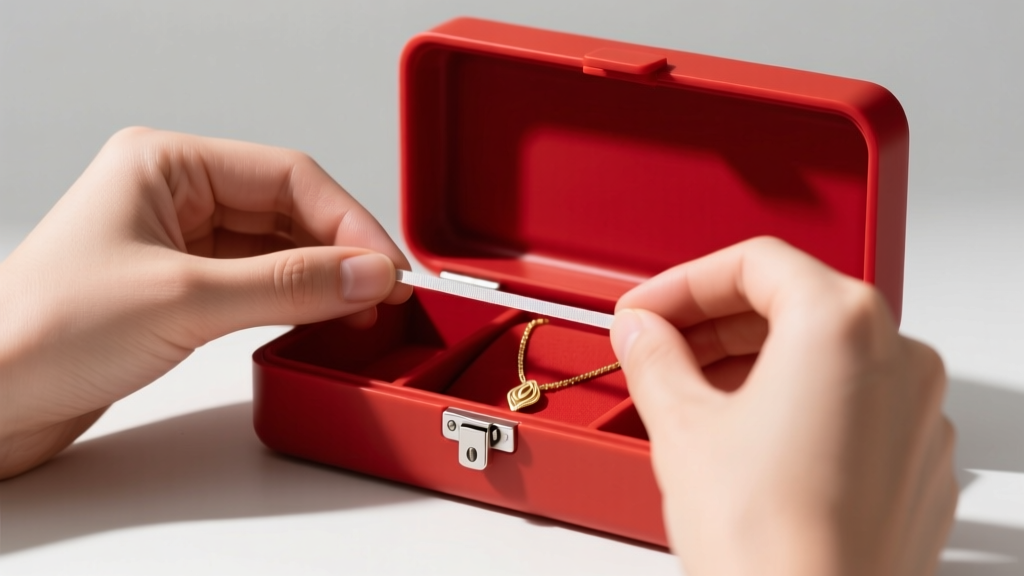
| 3M Anti-Tarnish Strips | High (Absorbs sulfur gases) | 6 to 12 months | Sterling silver, copper, and brass pieces |
| Silica Gel Packets | Medium (Absorbs ambient moisture) | 3 to 6 months (rechargeable) | Preventing rust on steel boxes and protecting pearls |
| Activated Charcoal Sachets | Medium (Odor and VOC absorption) | 12 to 24 months | Polymer toolboxes to absorb plastic off-gassing |
| Pacific Silvercloth | Very High (Embedded silver particles) | Years (until cloth turns black) | Lining the bottom tray of the toolbox |
Step-by-Step: Converting a Standard Hardware Toolbox
If you are on a budget, converting a $30 hardware store toolbox into a premium jewelry storage unit is a highly rewarding weekend project. Here is a beginner-friendly framework to do it safely:
- Deep Clean and Degrease: Hardware boxes are often coated in a thin layer of machine oil from the factory. Wash the interior thoroughly with warm water and a grease-cutting dish soap, then dry completely to prevent immediate rusting.
- Seal the Seams: Use a clear, archival-safe silicone sealant along the interior bottom seams to prevent any microscopic moisture intrusion from the outside environment.
- Line the Base: Do not use standard craft felt, which often contains sulfur-based dyes. Instead, purchase acid-free, archival-quality flannel or Pacific Silvercloth and adhere it to the bottom using a pH-neutral glue stick or double-sided archival tape.
- Add Archival Foam: Purchase Polyethylene (PE) foam rather than Polyurethane (PU) foam. PU foam degrades over time, turning into a yellow, sticky mess that will ruin your jewelry. PE foam is chemically inert and safe for long-term storage.
Common Mistakes Beginners Make
"The biggest mistake I see collectors make is assuming that because a box is heavy and metal, it is inherently safe for jewelry. Without proper interior lining and climate control, a metal toolbox can become a tarnish-incubator." — Archival Storage Specialist
To ensure your toolbox jewelry box remains a protective haven, avoid these critical errors:
- Storing Pearls in Airtight Foam: Pearls are organic gemstones that require a slight amount of moisture. Sealing them tightly in pick-and-pluck foam inside a metal box can cause them to dehydrate and crack. Store pearls in a soft, breathable cotton pouch within the toolbox.
- Overcrowding the Tiers: Toolboxes are deep, which tempts users to stack heavy items on top of delicate chains. Always use rigid dividers to ensure the weight of the upper tray does not press down onto the jewelry in the lower tray.
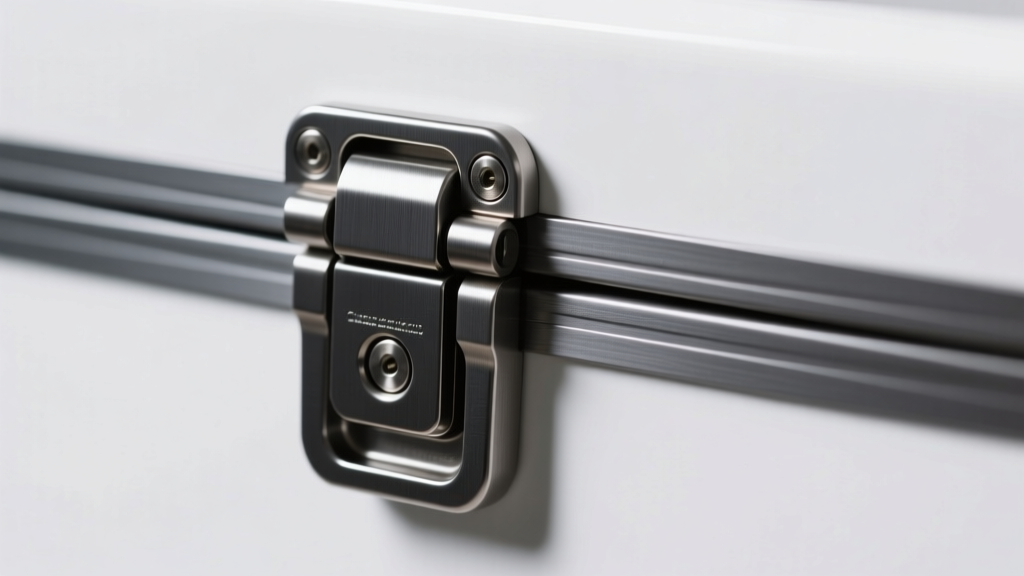
- Ignoring the Latches: Heavy metal latches can snap shut with immense force, sending shockwaves through the box that can shatter brittle gemstones like opals or emeralds. Line the strike plate of the latch with a small piece of felt to dampen the impact.
Embracing the toolbox jewelry box concept is a brilliant way to merge industrial durability with meticulous organization. By selecting the right materials, implementing active tarnish control, and using archival-safe interior linings, you can create a virtually indestructible vault for your most prized accessories.


