The Beginner’s Guide to Choosing an Asian Jewelry Box
Discover how to choose, authenticate, and care for a traditional Asian jewelry box. Learn about Urushi lacquer, camphor wood, and silk.

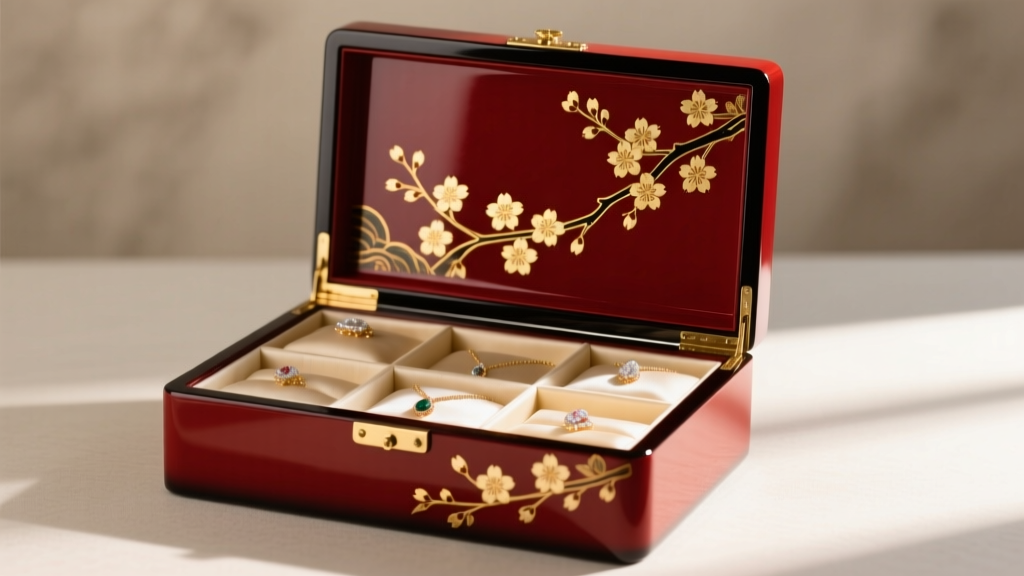
When collectors and jewelry enthusiasts search for an asian jewelry box, they are often met with a confusing marketplace. As of 2026, the market is flooded with mass-produced MDF (medium-density fiberboard) boxes featuring printed decals that mimic traditional craftsmanship. However, a genuine, heritage-style Asian jewelry box is a masterclass in material science, designed not just for aesthetic beauty, but for the long-term preservation of fine metals and porous gemstones. Whether you are storing delicate 22k gold jade pendants, silver filigree, or pearl strands, understanding the anatomy of these boxes is critical for protecting your investment.
What Defines a Traditional Asian Jewelry Box?
Unlike Western jewelry armoires that prioritize hanging space and mirrored doors, traditional Asian storage solutions focus on micro-climates, material stability, and protective layering. The hallmark of a true Asian jewelry box lies in its substrate and its finish. Historically, the finest pieces were crafted for the imperial courts and wealthy merchants, utilizing woods that naturally repel pests and lacquers that create an impermeable seal against humidity and airborne sulfur—the primary culprit behind silver tarnish.
For a beginner, the first step in authentication is examining the weight and the scent. A genuine piece will have a substantial, dense feel and, if unfinished on the interior base, may emit a faint, natural woody aroma. Mass-produced replicas often smell of chemical adhesives or polyurethane varnishes.
Material Breakdown: Wood, Lacquer, and Silk
The longevity of your jewelry depends heavily on the chemical properties of the box's materials. Below is a breakdown of the core materials used in high-end Asian jewelry boxes and how they interact with your collection.
| Material | Properties & Benefits | Best For Storing | Price Tier (2026) |
|---|---|---|---|
| Camphor Wood | Naturally emits camphor oil, repelling moths and silverfish. Highly stable, resists warping in high humidity. | Silver pieces, antique textiles, jade carvings. | $150 - $400 |
| Urushi Lacquer | Derived from tree sap, cures in high humidity to form a 9H-hardness, acid-free, waterproof shell. | Gold, platinum, porous gems (pearls, coral, opals). | $800 - $3,000+ |
| Mulberry Paper / Silk | Acid-free, breathable linings that do not off-gas volatile organic compounds (VOCs) like synthetic glues. | All fine jewelry, especially diamonds and untreated gems. | Included in craft |
| Pine / Bamboo | Lightweight, sustainable, but requires proper kiln-drying to prevent resin leaching. | Costume jewelry, everyday wear pieces. | $40 - $120 |
It is crucial to note that while camphor wood is excellent for repelling insects, its strong natural oils can sometimes interact with highly porous, untreated gems if they are left in direct contact for years. Always ensure your pearls and coral are wrapped in acid-free tissue or placed in silk pouches before resting them inside a raw camphor drawer.
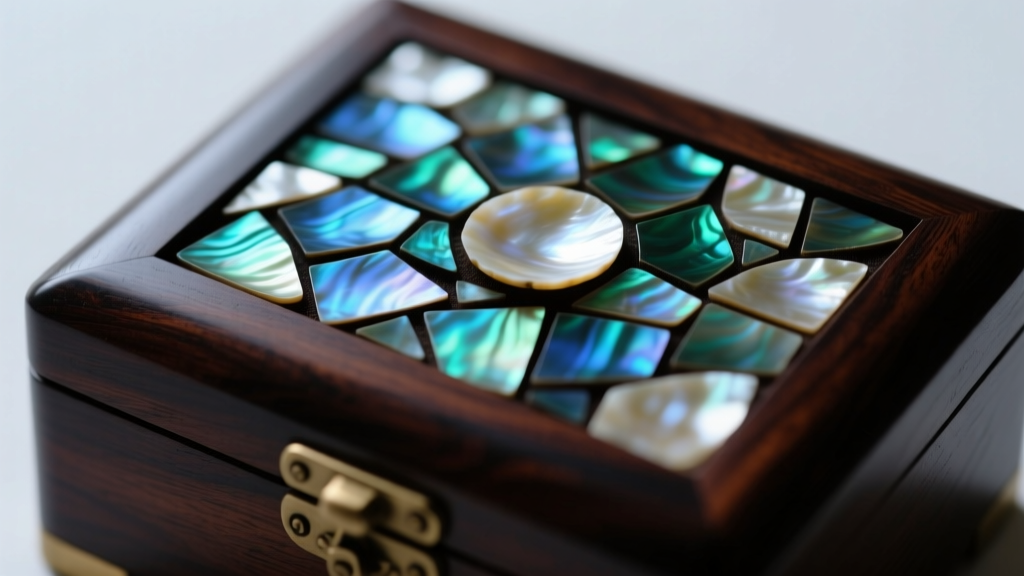
Decoding Cultural Motifs and Inlay Techniques
The exterior of an Asian jewelry box often serves as a canvas for regional artistry. Understanding these techniques not only helps you appreciate the piece but also aids in identifying its origin and value.
- Raden (Mother-of-Pearl Inlay): Originating in China and perfected in Japan and Korea, this technique involves embedding thinly sliced, iridescent shells into the lacquer. Genuine Raden will feel completely flush with the surface; if you can feel the edges of the shell with your fingernail, it is likely a modern appliqué decal.
- Maki-e (Sprinkled Picture): A Japanese technique where gold or silver powder is sprinkled onto wet Urushi lacquer. This creates a raised, tactile design that is incredibly resistant to fading.
- Cloisonné (Jingtailan): Common in Chinese boxes, this involves soldering fine copper wires to a metal base and filling the compartments with enamel. High-quality cloisonné will have perfectly smooth, polished enamel with no pitting or bubbles.
Compartmentalization for Modern Collections
Traditional Asian jewelry often dictates the interior layout of these boxes. For example, jade bangles—which cannot be unclasped and require a minimum diameter of 55mm to 65mm to slide over the hand—require deep, wide, velvet-lined wells rather than standard ring rolls.
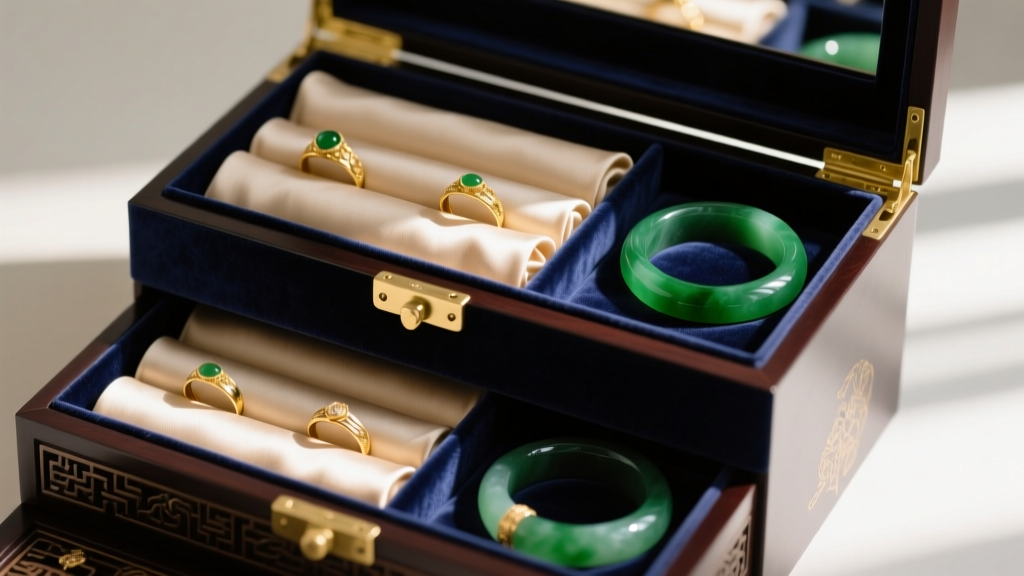
Furthermore, many Asian necklaces and earrings feature long silk tassels or delicate kingfisher feather inlays (Tian-tsui). Modern reproductions of traditional boxes now include specialized anti-tangle hooks and shallow, glass-topped trays to prevent these fragile elements from being crushed. When selecting a box, map out your current collection. If you own rigid bangles or long tassel pendants, prioritize boxes with modular, removable silk dividers over fixed compartmentalization.
Care and Maintenance: Preserving Lacquer and Wood
Owning an authentic lacquered or wooden Asian jewelry box requires specific maintenance to prevent structural failure. According to the Metropolitan Museum of Art, Urushi lacquer is uniquely sensitive to ultraviolet (UV) light and extreme dryness.
Never store a genuine Urushi lacquer box in direct sunlight or near a heating vent. The UV radiation will degrade the chemical bonds of the cured sap, leading to irreversible micro-cracking and loss of luster.
Cleaning Protocol:
To clean the exterior, use a microfiber cloth slightly dampened with distilled water. Never use alcohol, ammonia, or commercial furniture polishes (like Pledge), as these solvents will strip the natural oils and cloud the lacquer. For the interior silk linings, use a soft-bristled makeup brush to gently sweep away dust and skin cells, which can attract pests over time.
Sizing Up the Market: Where to Source Authentic Pieces
As the demand for heritage-style organization grows, knowing where to shop is half the battle. For genuine, artisan-crafted boxes, look to specialized importers who source directly from prefectures in Japan (such as Wajima for lacquerware) or provinces in China known for camphor wood carving. Expect to pay between $300 and $1,500 for a mid-sized, authentic piece.
For beginners on a budget, vintage markets and estate sales are excellent places to find mid-century Asian jewelry boxes. Look for brass hinges that show natural patina, and dovetail joinery at the corners—both indicators of pre-mass-production craftsmanship. By understanding the materials, motifs, and proper care techniques, your Asian jewelry box will transition from a simple storage container to a generational heirloom that actively protects your most prized accessories.


