2026 Trends: What Collectors Store Inside a Jewelry Box
Discover 2026 jewelry storage trends. We analyze what collectors keep inside a jewelry box, from modular anti-tarnish inserts to smart climate control.

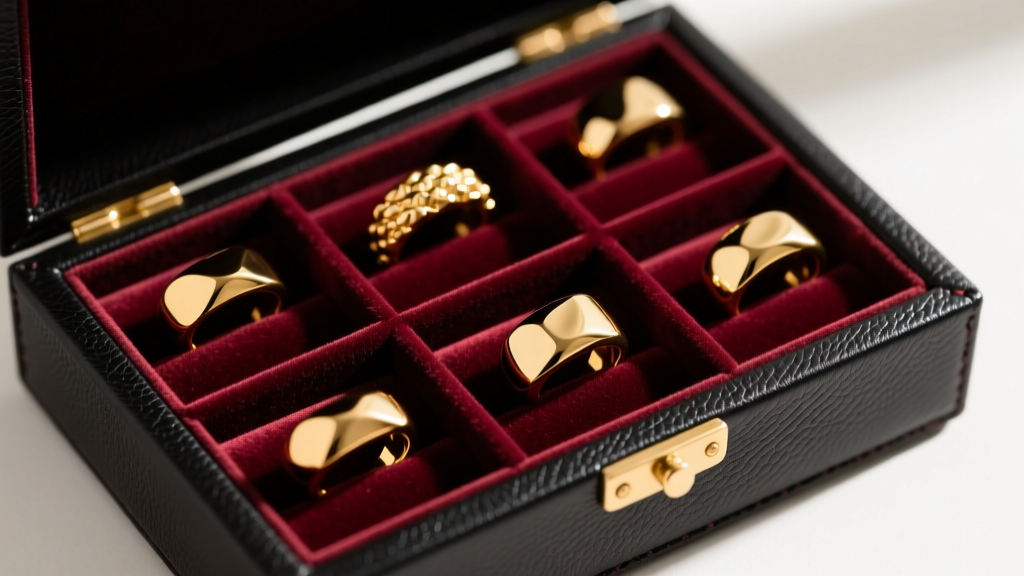
The Evolution of the Modern Jewelry Vault
The concept of jewelry storage has undergone a radical transformation as we move through 2026. Historically, a jewelry box was a passive container—a decorative wooden or cardboard shell meant to keep pieces untangled and out of sight. Today, serious collectors and everyday enthusiasts alike view what is kept inside a jewelry box as part of a dynamic preservation ecosystem. The modern vault is an active participant in the longevity of the pieces it houses, combating environmental aggressors like hydrogen sulfide, fluctuating humidity, and acidic off-gassing.
This shift is driven by the rising value of contemporary artisan jewelry, the boom in fine body modifications, and a deeper consumer understanding of material science. In this trend analysis, we deconstruct the anatomy of the 2026 jewelry box, examining the chemical, spatial, and sustainable innovations that are redefining how we protect our most prized adornments.
Material Science: What Lines the Interior?
The most critical, yet frequently overlooked, component of jewelry storage is the interior lining. For decades, the industry standard was polyurethane (PU) foam or cheap polyester velvet. However, material analysis reveals that standard PU foams often possess a pH level between 4.5 and 5.5. This acidity, combined with the off-gassing of plasticizers, accelerates the oxidation of copper alloys and degrades the delicate rhodium plating on white gold and silver vermeil.
In 2026, the interior of a high-end jewelry box is defined by chemical neutrality and active tarnish inhibition. Collectors are demanding linings that do not merely cushion, but actively neutralize environmental threats.
| Lining Material | pH Level | Tarnish Inhibition | Cost (per sq ft) | Best Application |
|---|---|---|---|---|
| Standard PU Foam | 4.5 - 5.5 | None (Accelerates) | $2 - $4 | Short-term costume jewelry |
| Acid-Free Unbleached Cotton | 7.0 | Low | $8 - $12 | Pearls, Opals, Porous Gems |
| Pacific Silvercloth | 7.0 (Treated) | High (Traps H2S) | $45 - $60 | Sterling Silver, Argentium |
| Treated Anti-Tarnish Flannel | 6.5 - 7.0 | Medium (Zinc-based) | $15 - $20 | Mixed Metals, Gold Vermeil |
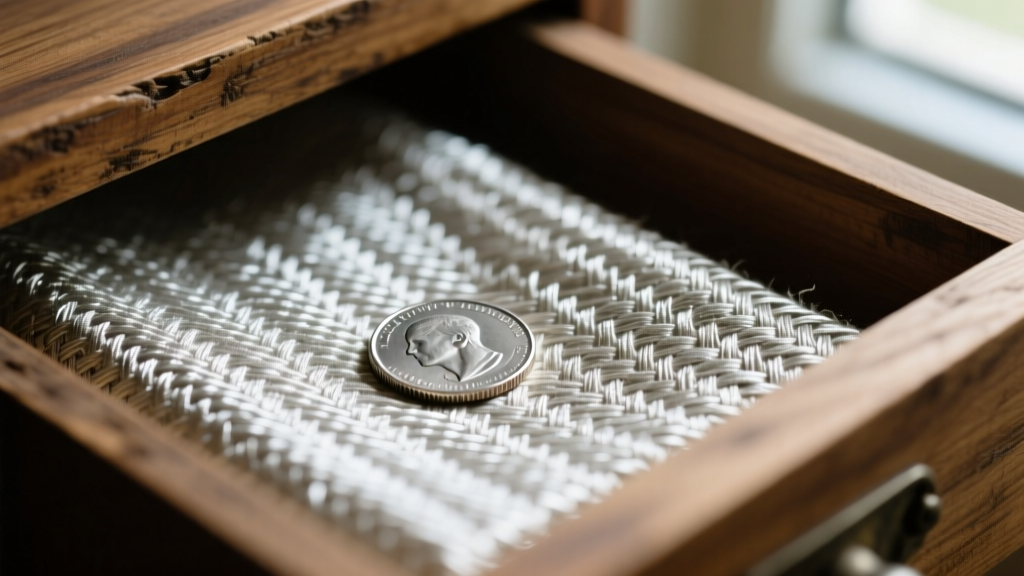
According to the Smithsonian Museum Conservation Institute, silver tarnish is primarily caused by sulfur compounds in the air reacting with the metal to form silver sulfide. To combat this, premium 2026 storage boxes are increasingly lined with Pacific Silvercloth—a specialized cotton flannel embedded with microscopic particles of silver that act as a sacrificial barrier, absorbing sulfur gases before they can reach the jewelry.
Spatial Engineering: Modularity and Gauge-Specific Storage
The era of the static, one-size-fits-all ring roll and generic earring post holes is over. The jewelry being produced in 2026 is vastly different from a decade ago, and the spatial engineering inside a jewelry box has adapted to match. We are seeing a massive pivot toward modular, stackable tray systems that allow collectors to reconfigure their storage as their collections evolve.
The Body Jewelry and Heavy Resin Boom
Two major trends have forced a redesign of interior compartments: the mainstreaming of high-end body jewelry and the popularity of oversized, sculptural resin rings. Standard ring rolls, typically measuring 2 cm in diameter, are entirely inadequate for the chunky, asymmetric resin and ceramic rings dominating contemporary fashion. Modern boxes now feature adjustable, baffle-free wells measuring up to 5 cm across.
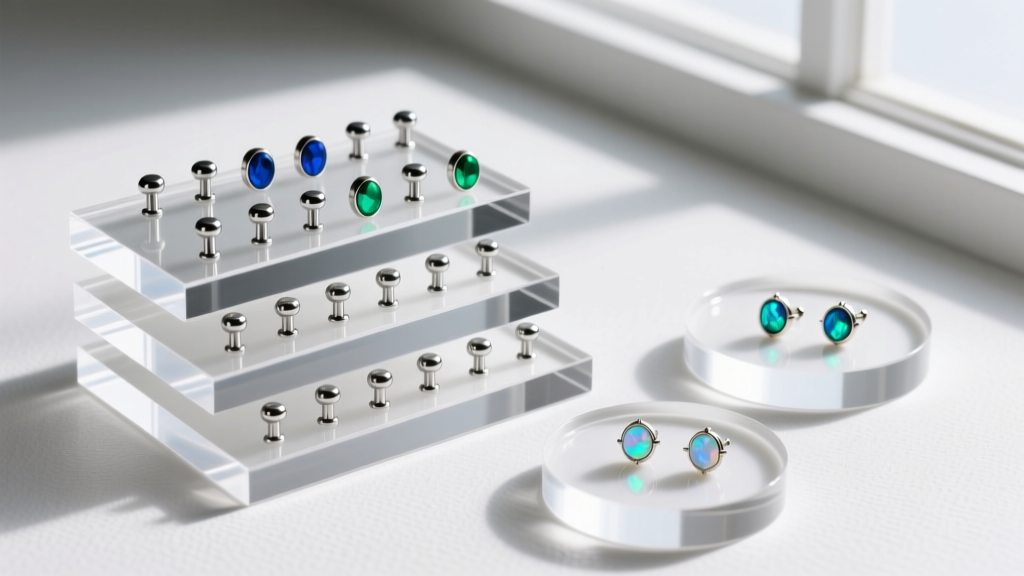
Furthermore, the body jewelry market requires highly specialized storage. Internally threaded and threadless titanium barbells (commonly in 14G/1.6mm and 12G/2.0mm sizes) feature precision-machined ends that can easily snag on traditional fuzzy velvet linings. Snagging can bend delicate threadless pins or scratch anodized titanium surfaces. Consequently, 2026 modular inserts feature medical-grade, non-porous silicone channels specifically milled to hold cylindrical barbell shafts securely without friction or fiber-catching.
Climate and Tarnish Control Technologies
What collectors place inside a jewelry box alongside their pieces is just as important as the lining itself. Historically, tossing a generic silica gel packet into a jewelry drawer was considered best practice. Today, gemologists strongly advise against this for mixed collections.
The Gemological Institute of America (GIA) notes that opals contain anywhere from 3% to 21% water, and emeralds are typically treated with natural oils. Aggressive desiccants like silica gel can draw moisture out of these porous and treated gems, leading to crazing, cracking, and a loss of optical fire. The 2026 standard for climate control relies on targeted, non-desiccating solutions:
- Activated Bamboo Charcoal: Used for general odor and moisture buffering without over-drying the micro-climate.
- 3M Anti-Tarnish Tabs: These utilize a sacrificial copper-based technology that actively intercepts and neutralizes corrosive gases within an enclosed space, lasting up to 12 months in a sealed environment.
- Humidity Indicator Cards: Integrated into the lids of high-end valet boxes, allowing collectors to monitor the internal relative humidity, ensuring it stays in the optimal 40%-50% range for mixed gemstone collections.
Sustainability and the End of Fast-Fashion Boxes
The exterior shell of the jewelry box has also faced a sustainability reckoning. The traditional use of MDF (medium-density fiberboard) wrapped in PVC or toxic PU leathers is being rapidly phased out by eco-conscious consumers and luxury brands alike. The 2026 aesthetic favors raw, traceable, and bio-fabricated materials.
Leading the charge are bio-leathers such as Desserto (derived from the Nopal cactus) and Mylo (grown from mycelium networks). These materials offer the luxurious, supple hand-feel of calfskin but with a fraction of the carbon and water footprint. For rigid structures, FSC-certified walnut and bamboo are replacing chemically treated composite woods, finished with natural tung oil rather than polyurethane varnishes that can off-gas volatile organic compounds (VOCs) into the storage environment.
'A jewelry box should not be a source of chemical degradation. In 2026, true luxury in storage is defined by material transparency, zero-VOC construction, and a verifiable chain of custody for every component inside and out.' — Journal of Sustainable Material Design, 2025 Annual Review
Final Verdict: Curating Your 2026 Storage Ecosystem
The days of tossing heirloom pieces into a generic, velvet-lined box are behind us. Analyzing what is inside a jewelry box today reveals a sophisticated intersection of chemistry, spatial design, and environmental responsibility. Whether you are safeguarding a collection of threadless titanium body mods, fragile hydrophane opals, or heavy artisan silver, your storage solution must be an active, modular, and chemically neutral vault. By investing in Pacific Silvercloth linings, silicone-based modular inserts, and sacrificial anti-tarnish technology, collectors can ensure their pieces remain as pristine in 2036 as the day they were acquired.


